Why Every Person in New York Jason Polan Matters
Jason Polan’s monumental ambition to draw every single person in New York City was more than an eccentric artistic feat; it was a profound democratic statement on urban visibility, human connection, and the intrinsic value of ordinary...
Jason Polan’s monumental ambition to draw every single person in New York City was more than an eccentric artistic feat; it was a profound democratic statement on urban visibility, human connection, and the intrinsic value of ordinary lives. By treating every individual—from hurried commuters and subway sleepers to bodega workers and famous figures—as a worthy subject of dedicated portraiture, Polan reframed how a metropolis views itself. Understanding his project reveals a unique philosophy of urban coexistence, where no single resident is invisible and every encounter holds artistic weight.
Contents
The Scope and Philosophy of Every Person in New York
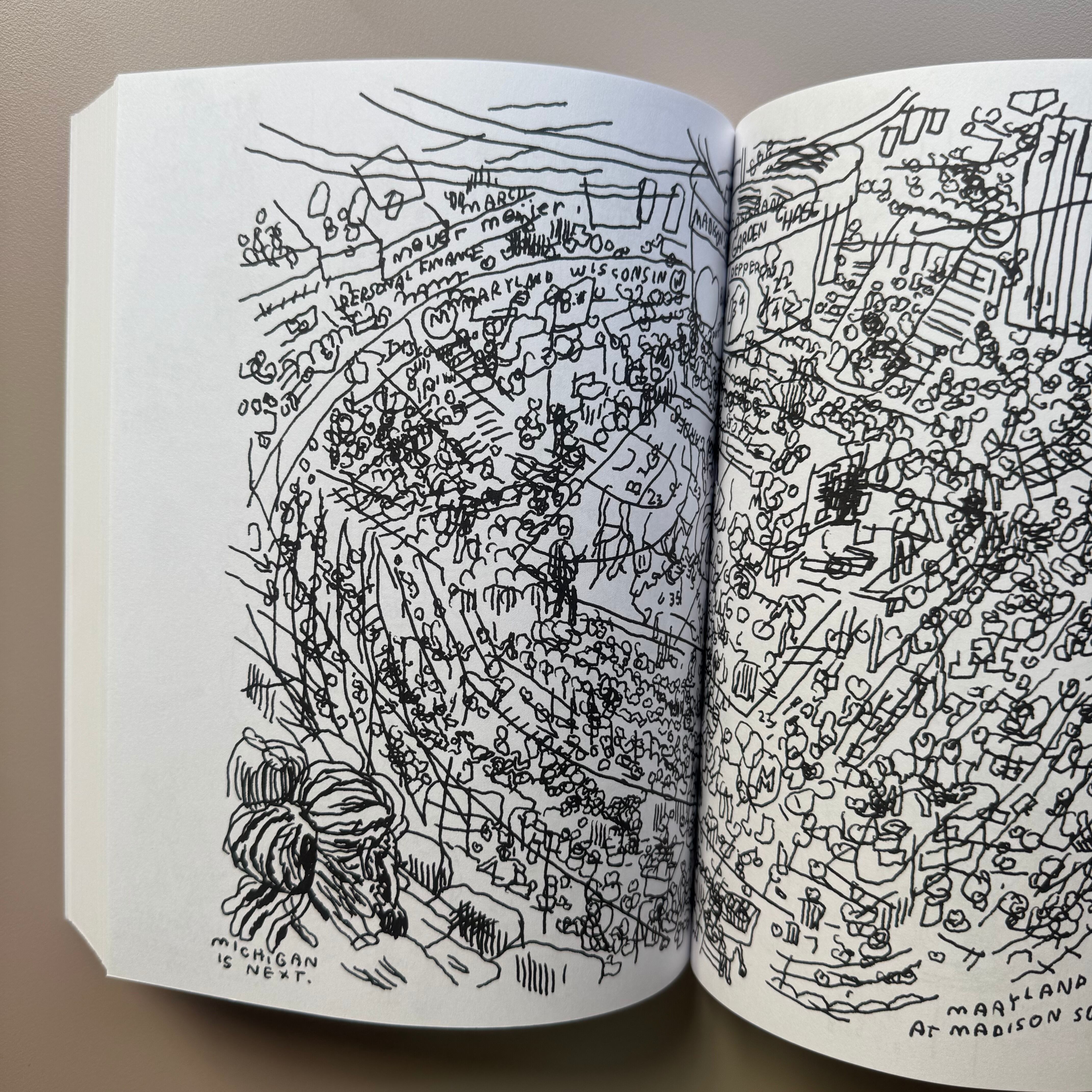
Launched in March 2008, Jason Polan’s "Every Person in New York" project was an exercise in radical inclusivity. Operating with a simple ballpoint pen and a small, unlined sketchbook, Polan set out to draw every resident and visitor in the five boroughs of New York City. This was not a collection of idealized portraits or commissioned masterpieces; it was a rapid, observational archive of humanity in motion.
Polan’s philosophy rejected the traditional hierarchy of portraiture, which historically favored the wealthy, powerful, or famous. In Polan’s universe, a sleeping passenger on the J train commanded the same artistic attention as a celebrity spotted at a gallery opening or a musician performing on a street corner. Every sketch was dated and archived, transforming ephemeral moments of public life into permanent historical records.
By committing to this massive undertaking, Polan challenged the isolating nature of modern city life. New York City is notoriously fast-paced, often encouraging residents to avoid eye contact and ignore strangers to cope with overwhelming density. Polan’s work inverted this dynamic. He looked closely, studied posture, clothing, and expression, and recorded presence. In doing so, he argued that every person matters simply because they occupy space within the shared cultural and physical ecosystem of the city.
Artistic Methodology and Execution
The mechanics of Polan’s project required a specific set of skills, an immense amount of physical endurance, and a distinct artistic style characterized by economy of line and rapid execution.
The Tools of the Trade
Polan famously kept his tools minimal and portable. He relied on standard, inexpensive ballpoint pens—often Bic pens—and small pocket-sized sketchbooks. This lack of pretension lowered the barrier between the artist and his subjects. There were no bulky easels, intimidating oil paints, or elaborate lighting setups. The approachable nature of a ballpoint pen allowed him to blend into the background of cafes, museums, sidewalks, and subway cars.
Speed and Observation
Because his subjects were typically unaware they were being drawn and were usually moving, Polan had to master the art of rapid gesture drawing. He captured posture, silhouettes, and defining characteristics in a matter of seconds or minutes.
- Gestural Accuracy: Focusing on the overall silhouette rather than micro-details.
- Contextual Noting: Often adding location markers, dates, and brief notes about the setting.
- Unobtrusive Positioning: Sketching from life while maintaining a respectful distance, ensuring subjects felt unbothered.
Categorization and Digitization
As the project swelled into tens of thousands of drawings, organization became a critical component of the work. Polan cataloged his sketches meticulously on his blog and later compiled selections into a massive 1,640-page book published by Chronicle Books in 2015. This digital and physical archiving ensured that the project functioned not just as a personal art journal, but as an accessible public database of New York inhabitants.
Comparative Analysis of Polan’s Approach versus Traditional Street Portraiture
To understand why Polan’s methodology resonated so deeply, it helps to compare his practice with other forms of urban documentation. Traditional street photography and formal portraiture engage with the public in fundamentally different ways.
| Feature | Jason Polan’s Project | Traditional Street Photography | Formal Commissioned Portraits |
|---|---|---|---|
| Medium | Ballpoint pen on paper | Digital or film photography | Oil, charcoal, or studio photography |
| Subject Selection | Radical democracy: anyone in public view | Candid captures of compelling shapes/light | Specific individuals, usually wealthy or famous |
| Subject Awareness | Mostly unaware; observational | Mostly unaware; captured in a fraction of a second | Fully aware, posing deliberately |
| Primary Goal | Documenting every single human presence | Capturing aesthetic, emotional, or decisive moments | Preserving likeness, status, or legacy |
This comparison highlights how Polan carved out a distinct niche. While a street photographer captures a split-second decisive moment often defined by composition or irony, Polan’s sustained act of drawing required an expenditure of time and attention that validated the subject's existence in a more deliberate way.
Impact on Urban Sociology and Community Identity
Beyond the art world, Polan’s project struck a chord with urban sociologists and psychologists who study how people inhabit dense environments. Cities can induce sensory overload, leading to social withdrawal—a phenomenon first theorized by sociologist Georg Simmel. Polan’s work acted as an antidote to this urban detachment.
By treating the public sphere as an interconnected community rather than an obstacle course of anonymous bodies, he reminded New Yorkers of their collective humanity. When people looked through his sketchbooks or website, they often searched for themselves, friends, or acquaintances. This search transformed passive spectators into active participants in a communal portrait. It created a shared archive where the barista, the subway conductor, and the corporate executive existed side by side on equal footing.
Furthermore, Polan’s work underscored the transient nature of city life. People move, age, and pass away, but the drawings capture a specific snapshot of existence in a specific place. This gave the project a poignant historical weight, documenting an era of New York City before subsequent waves of gentrification and digital transformation altered its streetscapes.
Legacy and Ongoing Relevance
Following Polan's passing in 2020 at the age of 37, the cultural weight of "Every Person in New York" only intensified. Institutions like the Museum of Modern Art (MoMA) and supporters worldwide celebrated his contributions, recognizing that his obsessive cataloging was a profound act of love for humanity.
The project continues to inspire artists, urban planners, and everyday citizens to pay closer attention to their surroundings. In an age dominated by digital avatars, curated social media feeds, and automated surveillance, Polan’s analog, hand-drawn attention to the physical presence of real, flawed, ordinary people remains a radical reminder of human value.
Frequently Asked Questions
Did Jason Polan successfully draw every person in New York City?
No. Given the millions of residents and tourists in New York City, completing the project literally was an impossibility. However, the impossibility of the task was part of the conceptual art piece. It was an infinite pursuit that highlighted the sheer scale of human life in the metropolis.
How many drawings did Jason Polan complete for the project?
Polan completed tens of thousands of individual sketches over more than a decade. His 2015 published compendium alone features thousands of these drawings, and thousands more were shared online through his ongoing digital archives.
Did people ever notice him drawing them?
Occasionally, subjects noticed Polan sketching them. When caught, he was usually polite, welcoming, and sometimes gifted the drawing to the person he had just captured, turning a clandestine observation into a warm, direct human interaction.
Where is the collection housed today?
Portions of Polan’s massive body of work are held in private collections, public exhibitions, and institutional archives, with his family and estate working to preserve and exhibit his extensive sketchbooks and loose-leaf drawings.
Can anyone purchase the book compiling these drawings?
Yes, Chronicle Books published Every Person in New York, a comprehensive volume collecting thousands of his drawings, which remains widely available through bookstores and online retailers.
Next Actions and Exploration
To fully appreciate the scope of Jason Polan’s vision, explore his published book Every Person in New York or visit archival online repositories dedicated to his art. Consider taking a sketchbook into your own local public spaces, slowing down your pace of observation, and practicing the deliberate act of noticing the everyday people who shape your community.
Image Gallery