Why the Inspirational Women of Today Matter: Driving Global Progress and Social Change in 2026
Inspirational women of today matter because they catalyze systemic change, provide vital representation for marginalized groups, and drive economic innovation. By challenging traditional power structures in fields like climate science,...
Inspirational women of today matter because they catalyze systemic change, provide vital representation for marginalized groups, and drive economic innovation. By challenging traditional power structures in fields like climate science, AI ethics, and global policy, these leaders create inclusive frameworks that benefit society at large, ensuring more resilient, equitable, and sustainable global systems for future generations.
Contents
The Shift from Individual Achievement to Systemic Influence
In the landscape of 2026, the definition of an "inspirational woman" has evolved. It no longer refers solely to the first woman to hold a specific title or break a specific record. Instead, the focus has shifted toward women who utilize their platforms to dismantle institutional barriers and rebuild more equitable systems. These leaders matter because they are moving beyond personal success to ensure that the paths they have cleared remain open for others.
The importance of these figures lies in their ability to address "polycrisis" scenarios—simultaneous challenges in climate, economy, and social stability. Women in leadership roles today are statistically more likely to prioritize social safety nets and environmental protections. Research from organizations like the United Nations Women consistently demonstrates that when women are involved in peace negotiations and policy drafting, the resulting agreements are more durable and community-focused. This systemic influence is not just a matter of social justice; it is a pragmatic necessity for global stability in the mid-2020s.
Driving Innovation in Science and Technology
As we navigate 2026, the role of women in STEM (Science, Technology, Engineering, and Mathematics) has become a cornerstone of ethical technological advancement. Inspirational women in these fields matter because they often lead the charge in identifying and mitigating the biases inherent in emerging technologies, particularly Artificial Intelligence and biotechnologies.
The presence of women in senior research and executive roles in tech ensures that products and services are designed for a broader demographic. For instance, in the development of AI-driven healthcare diagnostics, female researchers have been instrumental in ensuring that data sets include diverse biological markers, preventing the historical "male-as-default" bias that previously led to misdiagnoses in women.
Furthermore, the "leaky pipeline" in tech—where women leave the industry at higher rates than men—is being addressed by modern icons through the creation of robust mentorship networks and advocacy for legislative changes regarding workplace equity. By staying in these fields and reaching the highest levels of influence, these women serve as living proof that technical brilliance is not gendered, which is essential for filling the global talent gap in high-tech sectors.
The Economic Impact of Female Leadership and Entrepreneurship
The economic argument for why inspirational women matter is supported by overwhelming data. In 2026, women-led enterprises are no longer seen as a "niche" segment of the economy but as primary drivers of growth. According to the World Economic Forum’s Global Gender Gap Report, closing the gender gap in economic participation could add trillions of dollars to the global GDP.
The Multiplier Effect
When women succeed as entrepreneurs or executives, they tend to reinvest a higher percentage of their earnings back into their families and communities. This creates a "multiplier effect" that improves education and health outcomes locally. Inspirational women matter because they act as the vanguard for this economic shift, proving that inclusive hiring and diverse boardrooms correlate directly with higher profitability and lower volatility.
| Impact Area | Contribution of Inspirational Women | Long-term Societal Benefit |
|---|---|---|
| Corporate Governance | Increased emphasis on ESG (Environmental, Social, Governance) metrics. | More sustainable and ethical business practices. |
| Wealth Distribution | Higher rates of philanthropic giving toward social causes and education. | Reduced wealth inequality and better community support. |
| Consumer Innovation | Developing products tailored to the "She-conomy," which controls 70-80% of consumer spending. | Improved market efficiency and consumer satisfaction. |
| Labor Markets | Advocacy for flexible work and parental leave policies. | Increased workforce retention and family stability. |
Representation and the "Mirror Effect"
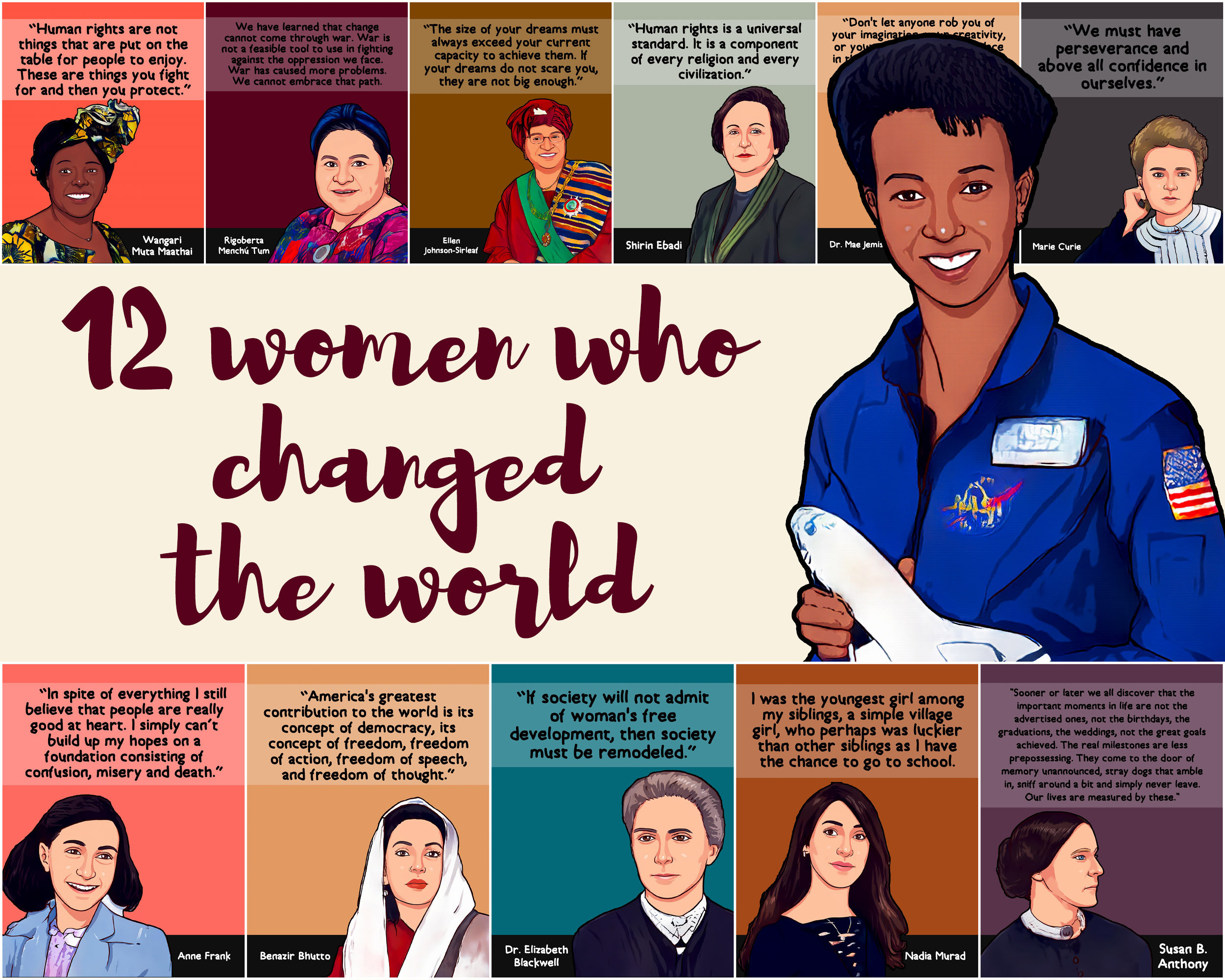
Psychologically, the visibility of inspirational women provides what sociologists call the "Mirror Effect." When young girls and marginalized individuals see women occupying positions of power—be it as heads of state, astronauts, or CEOs—it fundamentally alters their perception of what is possible.
This matters because it actively combats "stereotype threat," a phenomenon where individuals perform worse when they fear they will confirm a negative stereotype about their group. By seeing modern female icons navigate high-stakes environments with competence, the next generation is psychologically liberated from the limitations of traditional gender roles.
In 2026, this representation is more diverse than ever, encompassing women of different races, abilities, and socioeconomic backgrounds. This intersectionality is crucial because it ensures that the "inspiration" is accessible to everyone, not just a privileged few. It fosters a culture of meritocracy where talent is recognized regardless of the package it arrives in.
Leading the Global Response to Climate Change
Women often bear the brunt of climate change impacts, particularly in the Global South, where they are frequently responsible for food security and water collection. However, inspirational women of today matter because they have transitioned from being "victims of climate change" to "leaders of climate action."
Female activists and scientists are at the forefront of the regenerative agriculture movement and the transition to renewable energy. Leaders like Mia Mottley and various indigenous environmental defenders have successfully shifted the global discourse from abstract emissions targets to tangible climate justice. Their leadership matters because it emphasizes the human element of the ecological crisis, ensuring that the transition to a green economy does not leave vulnerable populations behind.
Redefining Power and Leadership Styles
The "command and control" style of leadership that dominated the 20th century is increasingly being replaced by more collaborative, empathetic, and resilient models. Inspirational women have been pioneers of this transition. Modern leadership today prizes emotional intelligence, active listening, and collective problem-solving—traits that many women have been socialized to develop.
This shift matters because the challenges of 2026 are too complex for any one individual to solve in isolation. Collaborative leadership fosters innovation by encouraging diverse perspectives, which is the only way to navigate the uncertainties of a rapidly changing global landscape. By redefining what a "strong leader" looks like, these women are making organizations more adaptable and human-centric.
Sustaining the Momentum: Challenges and Requirements
Despite the progress, the reason these women matter so much is that their positions are often precarious. Systemic backlash, online harassment, and the "glass cliff" (the tendency to appoint women to leadership roles during times of crisis when the risk of failure is highest) remain significant hurdles.
To ensure that the impact of inspirational women continues, several prerequisites must be met:
- Policy Support: Legislative frameworks that mandate equal pay and support work-life integration.
- Institutional Investment: Increased venture capital funding for female-founded startups, which historically receive less than 3% of total VC funding.
- Educational Access: Continued efforts to encourage girls to pursue STEM and leadership training from an early age.
Frequently Asked Questions
Why is the focus on women specifically, rather than just "leaders"?
The focus remains on women because historical and systemic barriers have excluded them from leadership for centuries. Highlighting inspirational women serves to correct this imbalance, provide role models for the 50% of the population that was previously underrepresented, and introduce unique perspectives that have been missing from decision-making tables.
How do inspirational women impact the global economy?
Inspirational women impact the economy by increasing labor force participation, driving innovation in consumer goods, and leading companies that statistically show higher levels of stability and ethical compliance. According to IMF research, gender diversity in the workforce is associated with higher productivity and economic resilience.
What is the difference between being "famous" and being "inspirational"?
Fame is a measure of visibility, whereas inspiration is a measure of impact and the ability to motivate others toward positive change. An inspirational woman is defined by her integrity, the obstacles she has overcome, and her commitment to lifting others as she climbs, regardless of the level of her public profile.
How can men support the work of inspirational women?
Men can act as "allies" and "sponsors" by actively advocating for women in professional settings, challenging gender-based microaggressions, and sharing domestic responsibilities to ensure that women have the time and energy to pursue leadership roles. Sponsorship, in particular, involves using one's influence to create opportunities for women to advance.
Is the impact of inspirational women limited to high-income countries?
No. In many ways, the impact of inspirational women is even more profound in developing nations. Female leaders in these regions are driving transformations in microfinance, maternal health, and local governance, which often leads to more rapid and sustainable community development than top-down international aid alone.
Moving Forward: Next Actions for Support
To truly honor why the inspirational women of today matter, individuals and organizations must move beyond passive admiration and toward active support. If you are in a leadership position, audit your organization’s pay scales and promotion pathways to ensure they are truly equitable. If you are a consumer, consider supporting female-founded businesses and brands that demonstrate a commitment to gender equality.
For individuals looking to make a difference, the most effective next step is mentorship. If you have achieved success, reach back to help another woman navigate the complexities of her career. If you are just starting, seek out the stories and strategies of the women who have paved the way. The collective progress of society in 2026 depends on the continued rise and recognition of these pivotal figures.
Image Gallery