Why the Davis Train Is the Wrong Choice for Commuters
For many Davis-based professionals, the Amtrak Capitol Corridor—often referred to locally as the Davis train—seems like the ideal solution to the grueling I-80 commute. However, despite the promise of a stress-free ride, the Davis trai...
For many Davis-based professionals, the Amtrak Capitol Corridor—often referred to locally as the Davis train—seems like the ideal solution to the grueling I-80 commute. However, despite the promise of a stress-free ride, the Davis train is often the wrong choice for commuters due to its rising costs, persistent reliability issues caused by freight interference, and the "last-mile" connectivity hurdles that can turn a 60-minute journey into a two-hour ordeal.
Contents
While public transit is frequently championed as the superior alternative to the congestion of the Yolo Causeway, the reality for a 2026 commuter involves a complex set of trade-offs. Choosing the train is not a simple "green" versus "gas" decision; it is a logistical calculation where the train often fails to provide the flexibility and cost-effectiveness required by modern hybrid work schedules.
The Financial Reality: 2026 Pricing and the Hybrid Work Trap
One of the most significant shifts in the commuting landscape over the last few years has been the move toward hybrid work. As of 2026, most professionals in the Sacramento-Bay Area corridor are in the office two or three days a week. This shift has fundamentally broken the traditional value proposition of the Capitol Corridor monthly pass.
In years past, the monthly pass offered a deep discount for those making 20 or more round trips per month. However, for a commuter only traveling ten days a month, the cost per ride on a standard multi-trip ticket often exceeds the cost of fuel and tolls, even when accounting for vehicle wear and tear.
The Cost-Benefit Breakdown
When you analyze the expenses of the Davis train against a modern electric or hybrid vehicle, the math often favors the car. In 2026, the Capitol Corridor’s fare structure remains tiered. While discounts exist, the base fare for a round trip from Davis to Richmond or Emeryville is significant.
| Expense Category | Davis Train (Amtrak) | Private Vehicle (EV/Hybrid) |
|---|---|---|
| Monthly/Pass Cost | $450 - $550 (Monthly Pass) | $150 - $250 (Charging/Gas) |
| Daily Flexibility | Fixed Schedule | On-Demand |
| Productivity | High (WiFi/Tables) | Low (Focus on Road) |
| Last-Mile Costs | BART/Bus Fares ($4-$10/day) | Included (Parked at Destination) |
| Commute Time | 1.5 - 2 Hours (Door-to-Door) | 1 - 1.5 Hours (Door-to-Door) |
For the 2026 commuter, the "hidden" costs of the train are what often lead to buyer's remorse. These include the cost of parking at the Davis station (which has seen increased rates to manage demand) and the secondary transit fares required to get from the train station to the actual office in downtown San Francisco or Oakland.
The Reliability Gap: Freight Interference and Infrastructure
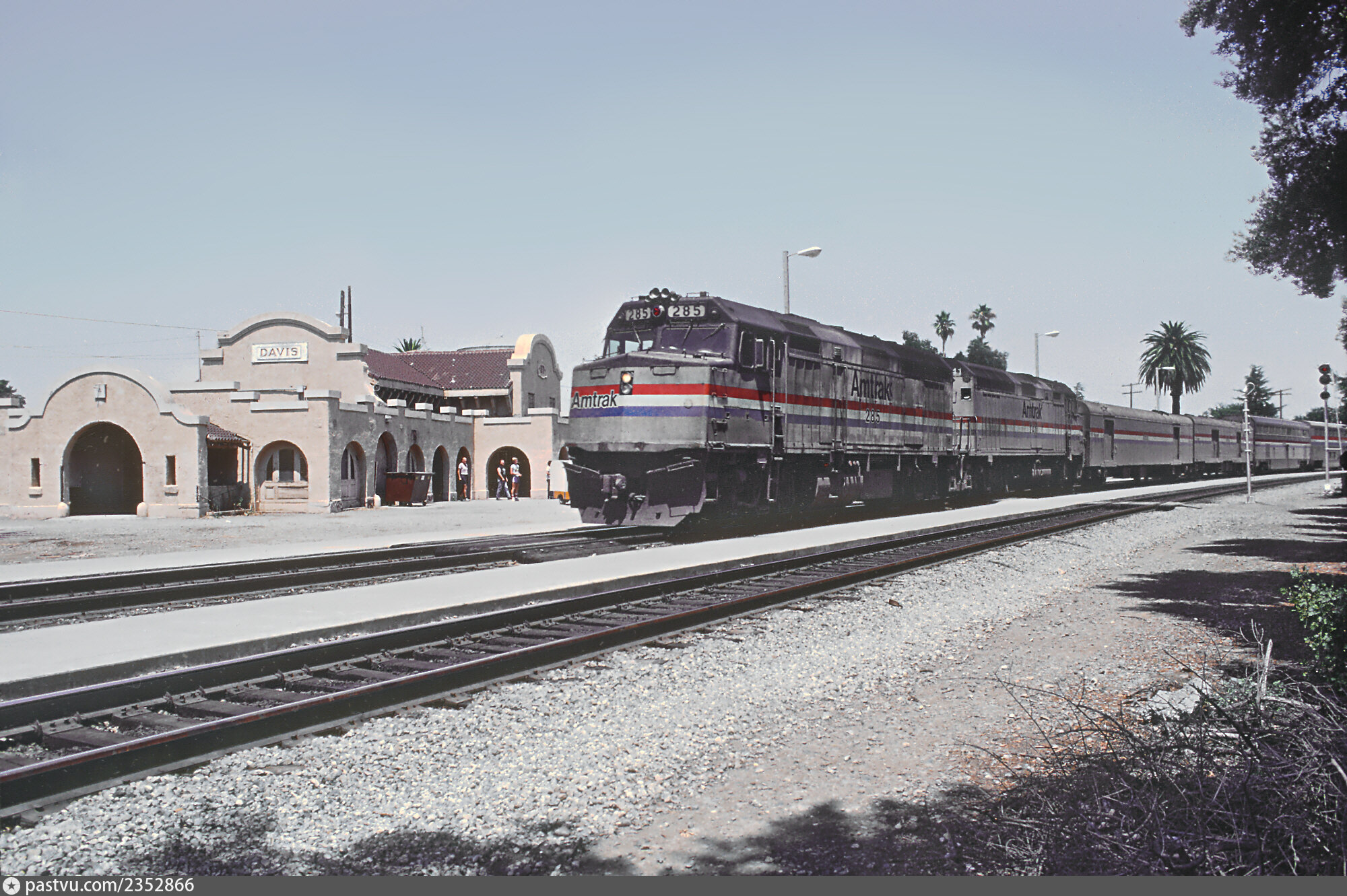
The Davis train does not operate on its own dedicated tracks. It shares a corridor owned and managed by Union Pacific (UP). This is the single largest point of failure for the service and the primary reason it remains an unreliable choice for those with strict morning meeting schedules.
The Union Pacific Conflict
Despite federal and state regulations intended to prioritize passenger rail, freight trains frequently cause "cascading delays." If a freight train experiences a mechanical issue or a scheduling conflict near the Port of Oakland or the Roseville yard, the Capitol Corridor trains must wait. In 2026, as global supply chains continue to rely heavily on rail transport through the Sierra Nevada, the frequency of these delays has not diminished.
For a commuter, a 15-minute delay is annoying; a 45-minute delay is a professional liability. Because the Davis station is a mid-line stop, any delay originating in Sacramento or San Jose ripples through the entire schedule. Unlike driving, where GPS apps like Waze or Google Maps can suggest alternative routes in real-time, a train passenger is a captive audience to the tracks.
Weather and Seasonal Disruptions
The Davis-Sacramento corridor is also prone to environmental delays. High-wind events, which have become more frequent in Northern California, often trigger "slow orders" where trains must operate at reduced speeds for safety. Additionally, the aging infrastructure of the Suisun Bay Bridge remains a bottleneck. If the bridge is stuck or requires emergency maintenance, the entire line west of Fairfield is effectively severed, leaving Davis commuters stranded.
The Infrastructure Bottleneck: The Last-Mile Problem
The most common reason commuters abandon the Davis train is not the train itself, but the difficulty of getting from the station to their final destination. This is known as the "last-mile problem."
The Transfer Penalty
If your office is located at the Salesforce Tower in San Francisco, your commute from Davis looks like this:
- Drive or bike to the Davis Amtrak station.
- Take the Capitol Corridor to the Richmond station.
- Transfer to a BART train.
- Walk from the Montgomery St. station to your office.
Each of these transition points introduces a "transfer penalty"—a period of waiting and uncertainty. If the Amtrak train is six minutes late, you may miss your BART connection, adding another 15 to 20 minutes to your total travel time. By 2026, while synchronization between Amtrak and BART has improved, it is far from seamless.
Parking and Access in Davis
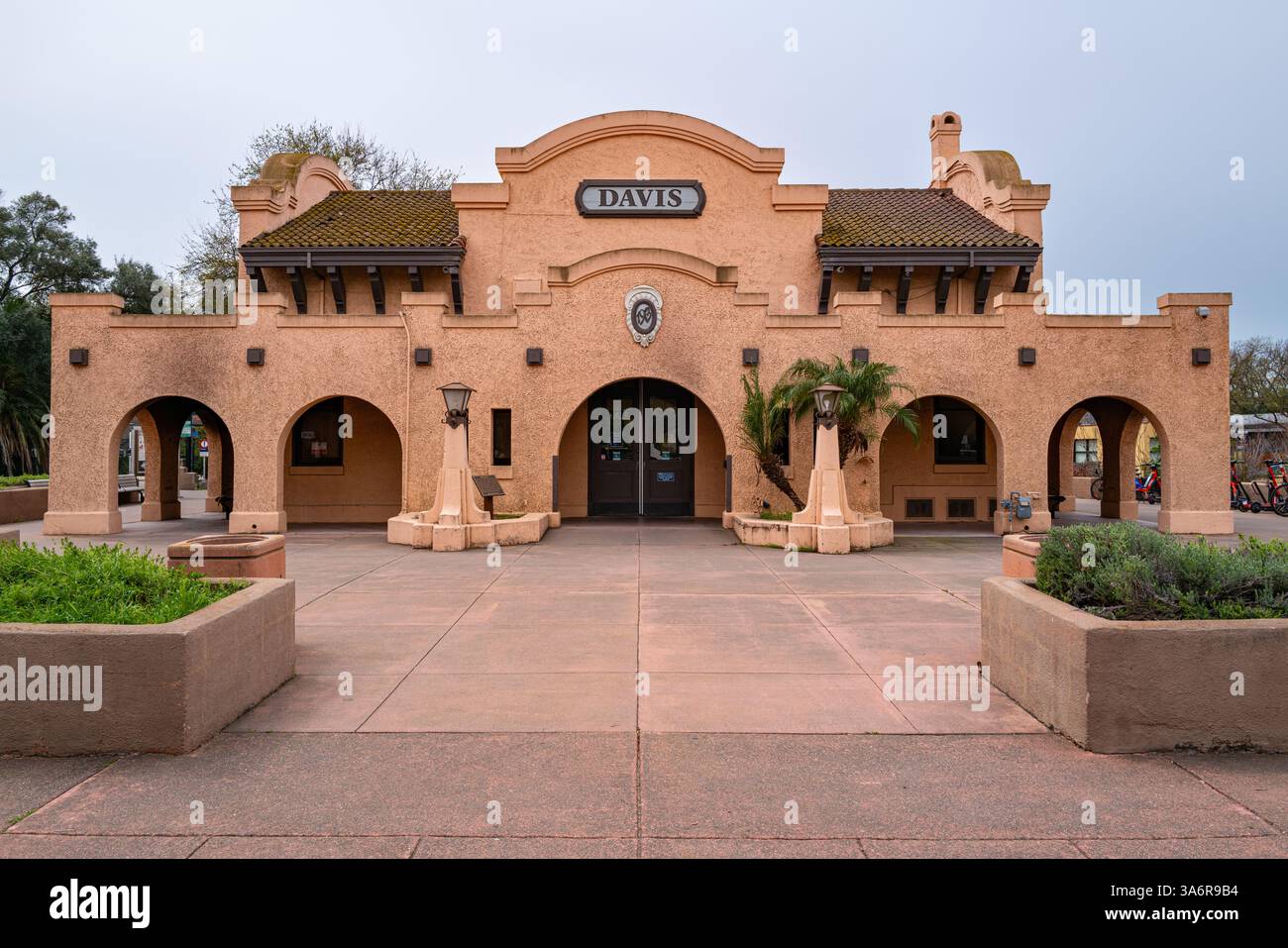
The Davis station is located in the heart of downtown. While this is great for local residents, it is a nightmare for those living in West Davis or North Davis who need to drive to the station. The parking lot at the station is often full by 7:45 AM, and the surrounding street parking is heavily regulated with two-hour limits. For many, the time spent finding parking and walking to the platform negates the time saved by avoiding the Yolo Causeway traffic.
Schedule Rigidity and the Modern Workday
The Davis train operates on a fixed schedule. In 2026, the workday is rarely a strict 9-to-5 affair. Collaborative sessions, late-running projects, and social networking often extend the workday into the evening.
The "Missing the Last Train" Anxiety
If you miss your planned evening train back to Davis, you are often faced with a two-hour wait for the next one, or worse, you may find that the "last" convenient train has already departed. This creates a psychological burden known as "schedule anxiety." Commuters find themselves constantly checking their watches during afternoon meetings, fearful that a 10-minute overrun will result in a 9:00 PM arrival at home.
Conversely, a driver has the "freedom of the exit." They can leave the office at 4:15 PM to beat the rush or stay until 7:00 PM when the traffic has died down. The car adapts to the worker; the train requires the worker to adapt to the transit agency.
The Onboard Experience: Productivity Myth vs. Reality
One of the primary selling points of the Capitol Corridor is the ability to work while you travel. Amtrak provides WiFi and tables, turning the commute into billable hours or focused study time. However, this productivity is often hampered by several factors:
- WiFi Bandwidth: Despite upgrades in 2025, the onboard WiFi still struggles when the train is at capacity. High-bandwidth tasks like video conferencing (Zoom/Teams) remain unreliable, especially when the train passes through "dead zones" near the Suisun marsh.
- Crowding: During peak morning hours (the 6:00 AM to 8:00 AM window), finding a table seat is a challenge. Many commuters find themselves in standard seats where using a laptop is ergonomically difficult and privacy is non-existent.
- The "Quiet Car" Enforcement: While Amtrak designates certain cars as "quiet cars," enforcement is inconsistent. For a commuter needing a silent environment to focus, the presence of loud phone calls or group conversations can make the train just as distracting as a noisy office.
Comparative Analysis: When the Train Fails
To understand why the Davis train might be the wrong choice, one must compare it to the evolving alternatives of 2026. The expansion of the I-80 managed lanes (HOV/Express lanes) through the Yolo Causeway has altered the travel time equation.
| Feature | Davis Train (Capitol Corridor) | Solo Driving (I-80) | Vanpool/Carpool |
|---|---|---|---|
| Primary Risk | Signal/Freight Failure | Traffic Accidents | Group Coordination |
| Environment | Shared/Public | Private/Controlled | Semi-Private |
| Frequency | Hourly (approx.) | Continuous | Scheduled |
| Emergency Exit | Very Difficult | Easy (Take an Exit) | Moderate |
Common Mistakes When Choosing the Davis Train
Many new Davis residents opt for the train without considering the logistical nuances. Here are the most common errors made during the decision-making process:
- Ignoring the Total Door-to-Door Time: Commuters often only look at the "track time" (e.g., 65 minutes from Davis to Emeryville) and forget to add the 15 minutes to get to the station and the 25 minutes to get from the station to the office.
- Underestimating Transit Costs: Failing to account for the "tap-on" fees for connecting buses or light rail can lead to a monthly budget shortfall.
- Assuming 100% Reliability: New commuters often don't have a "Plan B." When the train is cancelled due to a track incident, they find themselves scrambling for an expensive Uber or Lyft.
- Overestimating Productivity: Assuming you will get two hours of deep work done every day is often unrealistic given the social and technical environment of the train.
Frequently Asked Questions
Is the Davis train cheaper than driving an EV in 2026?
Generally, no. With the increased efficiency of electric vehicles and the rising costs of Amtrak fares and station parking, the per-mile cost of an EV is often lower than the per-mile cost of a multi-trip Amtrak ticket. However, the train avoids the "mental cost" of driving in traffic.
Can I bring my bike on the Davis train to solve the last-mile issue?
Yes, the Capitol Corridor has dedicated bike cars. However, in 2026, these spaces are often full during peak commute hours. If the bike rack is full, you may have to wait for the next train, which adds significant risk to your morning schedule.
Does the train offer a discount for state employees?
Many California state agencies offer transit subsidies that can cover a portion of the monthly pass. If you are a state employee, the train may be the right choice financially, even if it is slower than driving, because the out-of-pocket cost is significantly reduced.
How often are the delays actually significant?
Statistically, the Capitol Corridor maintains an on-time performance (OTP) of roughly 80-85%. This means that roughly one out of every five trips will experience a delay. For a daily commuter, this equates to roughly two delayed trips per week.
Final Verdict: Is the Davis Train Right for You?
The Davis train is the wrong choice if:
- Your office is not within walking distance of an Amtrak or BART station.
- You work a hybrid schedule that makes monthly passes financially inefficient.
- You have high-stakes morning responsibilities that cannot tolerate a 20-minute delay.
- You value a private, controlled environment over the communal nature of public transit.
Conversely, the train remains a viable option for those who work directly in downtown Oakland or Sacramento, those whose employers provide full transit subsidies, and those who have the flexibility to start their workday on the train and don't mind an occasional delay. For the majority of Davis commuters in 2026, however, the car—specifically when used in conjunction with the new I-80 express lanes—remains the more reliable and flexible tool for the job.
Image Gallery