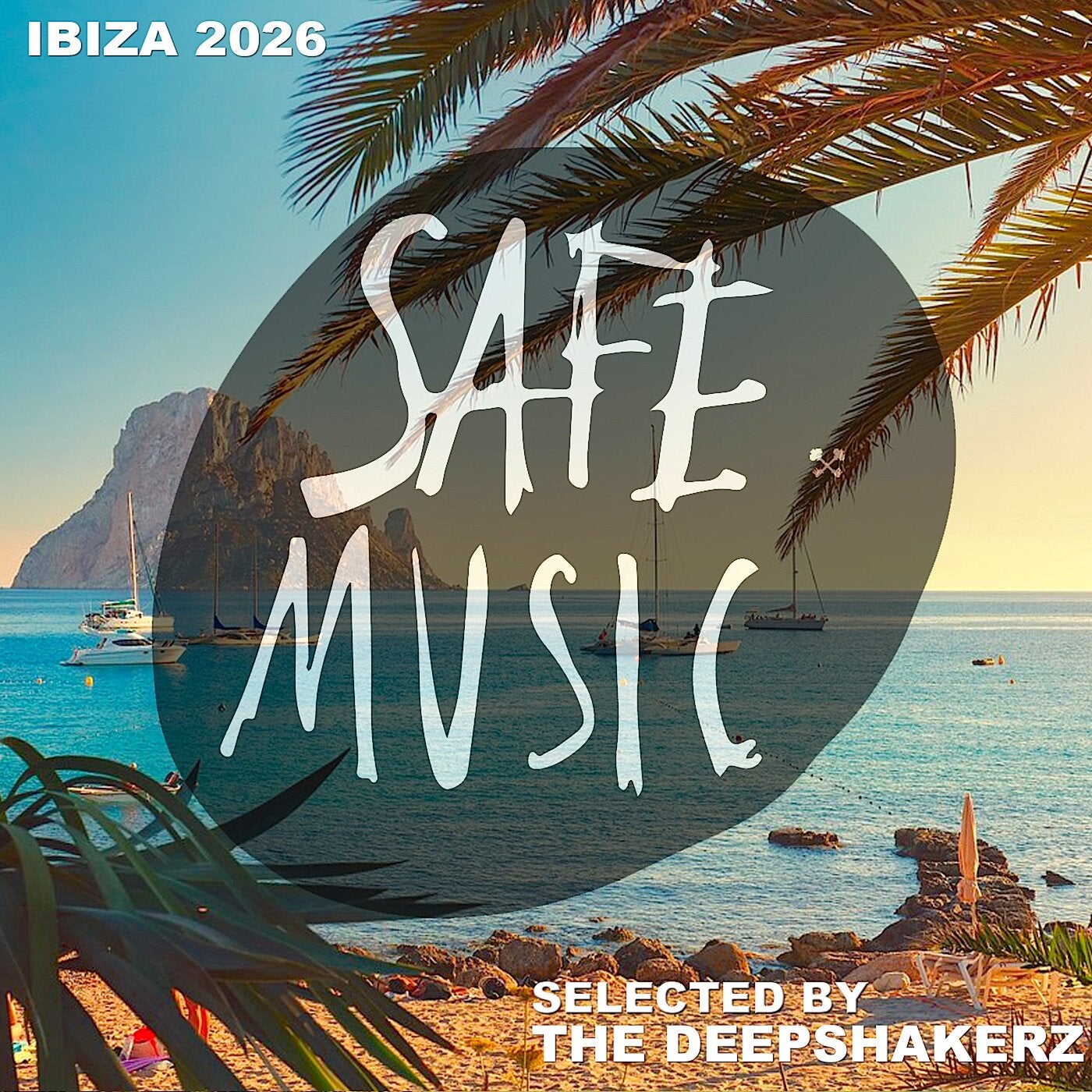
Understanding the Ibiza Color Phenomenon: Science, Light, and Aesthetic Impact
The Ibiza color phenomenon refers to the distinctive spectrum of intense turquoise ocean waters, vivid pink salt lakes, and hyper-saturated sunset hues characteristic of the Balearic island of Ibiza. Driven by UNESCO-protected Posidoni...
The Ibiza color phenomenon refers to the distinctive spectrum of intense turquoise ocean waters, vivid pink salt lakes, and hyper-saturated sunset hues characteristic of the Balearic island of Ibiza. Driven by UNESCO-protected Posidonia oceanica seagrass filtration, hypersaline microalgal blooms, and unique atmospheric light scattering, this optical ecosystem profoundly influences regional architecture, marine ecology, and modern design.
Contents
The Ecological Engine: Marine Clarity and Posidonia Oceanica
The defining feature of Ibiza’s coastal landscape is its extraordinarily transparent, high-chroma turquoise water. This intense color clarity is not a geographic anomaly; it is an ecological product created primarily by vast underwater meadows of Posidonia oceanica, an endemic Mediterranean seagrass species.
- Sunlight Penetration
- Posidonia Meadow Sediment Trapping
- Pure Water Matrix
- Selective Rayleigh Scattering (Turquoise/Cyan)
Posidonia oceanica beds cover large areas of the seabed between Ibiza and Formentera. Declared a UNESCO World Heritage site in 1999, these seagrass systems act as powerful biological filtration plants.
- Sediment Stabilization: The dense root structures, known as mattes, anchor the sandy seabed, preventing currents and wave action from resuspending fine silts and organic particulates into the water column.
- Oxygenation and Bio-Filtration: Through high photosynthetic rates, Posidonia saturates the water column with dissolved oxygen while consuming excess organic nutrients. This limits phytoplankton blooms that would otherwise cloud the water.
- Optical Transparency: With organic and inorganic suspended solids removed, light can penetrate to depths exceeding 40 meters.
When solar radiation strikes this pure water column, water molecules naturally absorb longer wavelengths of light (reds, oranges, and yellows) within the first few meters. The shorter blue and green wavelengths pass through the clear water, bounce off the white, carbonate-rich sand seabed, and scatter back toward the observer. The precise depth, combined with pure white seabed sands, creates the vibrant cyan and bright turquoise palette recognized globally.
Atmospheric Physics and the Ibiza Sunset Spectrum
Beyond its waters, Ibiza is famous for the extreme saturation of its twilight sky, particularly along the western coastline near locations like Cala Comte, Benirràs, and the islet of Es Vedrà. The scientific drivers of this twilight optical show involve atmospheric solar geometry and marine moisture dynamics.
During the late afternoon and golden hour, the sun descends to a low angle relative to the Mediterranean horizon. Solar rays must travel through a significantly thicker cross-section of the Earth's atmosphere than at midday—a process governed by Rayleigh scattering.
- Midday: Short Atmospheric Path
- Minimal Scattering
- Direct Blue Spectrum
- Sunset: Long Atmospheric Path
- Heavy Shortwave Scattering
- Dominant Red/Orange Transmission + Marine Aerosol Reflection
As sunlight traverses this extended path, nitrogen and oxygen molecules scatter away short blue and violet wavelengths. The longer wavelengths—deep oranges, magentas, and crimson reds—pass straight through to the observer's eye.
In Ibiza, this optical process is enhanced by marine boundary layer aerosols. Fine sea-salt particles (aerosols) suspended over the sea cause Mie scattering. Unlike Rayleigh scattering, Mie scattering is non-selective regarding wavelength and forward-scatters light, producing a glowing halo around the setting sun. When this scattered light interacts with low-altitude humidity suspended over the water, the sky displays broad bands of violet, coral, and deep gold.
Hypersaline Micro-Ecology: The Pink Lakes of Ses Salines
On the southern tip of the island lies the Parque Natural de Ses Salines, a centuries-old salt extraction complex where water turns intense shades of magenta, bubblegum pink, and deep violet. This distinct color phenomenon stems from extremophilic microbiology within high-salinity evaporation ponds.
As seawater is channeled into shallow basins and evaporates, salinities reach extreme concentration levels (often exceeding 20% to 30% NaCl). Standard marine life cannot survive these conditions, allowing specialized halophilic (salt-loving) organisms to proliferate without competition:
Dunaliella salina: A single-celled green microalga that synthesizes massive quantities of beta-carotene—a orange-red carotenoid pigment—to protect its cellular machinery against intense ultraviolet radiation and high osmotic pressure.
Halophilic Archaea (e.g., Halobacterium salinarum): Extreme microorganisms that produce bacteriorhodopsin and bacterioruberin pigments. These purple-red proteins absorb light for cellular energy conversion, tinting concentrated brine basins intense red and violet.
Seawater Inflow
Solar Evaporation
Hypersalinity (>20% NaCl)
Dunaliella & Halobacteria Proliferation
Beta-Carotene & Bacteriorhodopsin Synthesis
Vivid Pink/Red Brine
This biological color engine extends into the local food web. Brine shrimp (Artemia salina) feed on Dunaliella salina, absorbing the red carotenoid pigments. Migratory greater flamingos (Phoenicopterus roseus) then consume the brine shrimp, digesting the carotenoids into their feathers and giving the birds their bright pink plumage.
Aesthetic and Technical Influence: Architecture, Art, and Automotive Design
The natural light and contrast of the Ibiza color phenomenon have systematically influenced built environments, fine arts, and industrial product design.
Architectural Adaptation: The Casa Payesa
Traditional Ibizan architecture (casas payesas) developed direct functional responses to the island's intense light and high thermal index.
- Lime Whitewashing (Cal): Buildings were historically coated with hydrated lime. The brilliant white finish acts as a solar reflector, bouncing away up to 90% of solar radiation to maintain cooler interior temperatures.
- Visual Contrast: This stark white background amplifies the surrounding landscape's blue ocean and green pine hues. The intense visual contrast between bright white structures and deep Mediterranean blue became a fundamental anchor of Mediterranean interior and architectural design.
Automotive and Product Design
Industrial designers frequently draw on geography for color science. A notable commercial application is the SEAT Ibiza automobile line, produced by the Spanish manufacturer SEAT since 1984.
Automotive colorists and finish engineers developed paint formulations that mimic the high-chroma palette of the Balearic environment. Finishes such as Desire Red, Nevada White, and Sapphire Blue use metallic and mica flake layers. These reflect ambient light differently under direct midday sun versus lower golden-hour angles, replicating the dynamic shifting hues seen across the island's coastline.
Key Drivers of the Ibiza Color Phenomenon
The following table breaks down the distinct visual profiles, scientific mechanisms, and primary geographic nodes that create the Ibiza color phenomenon.
| Color Profile | Primary Environmental Driver | Scientific / Ecological Mechanism | Dominant Light Spectrum | Key Locations |
|---|---|---|---|---|
| Electric Turquoise & Cyan | Posidonia oceanica seagrass & carbonate sand | Sediment filtration; low turbidity allows Rayleigh scattering off white seabed | 450 nm – 520 nm (Blue to Cyan) | Formentera Channel, Ses Salines beach, Cala Salada |
| Golden Hour & Violet Sunset | Low-angle solar entry & marine aerosols | Atmospheric Rayleigh scattering of blue light combined with Mie aerosol scattering | 590 nm – 750 nm (Yellow, Coral, Deep Crimson) | Es Vedrà viewpoint, Cala Comte, Hostal La Torre |
| Hyper-Pink & Magenta | Halophilic micro-organisms (D. salina, Archaea) | Carotenoid (beta-carotene) & bacteriorhodopsin pigment synthesis under extreme salinity | 500 nm – 620 nm (Pink, Violet, Red) | Ses Salines Natural Park evaporation pans |
| Monochromatic Crisp White | Calcium hydroxide lime wash (Cal) | High-albedo physical solar reflection designed for thermal climate control | 380 nm – 750 nm (Full visible spectrum reflection) | Dalt Vila, San Carlos rural estates (Casas Payesas) |
Environmental Vulnerability and Conservation Standards
The ecosystems responsible for the Ibiza color phenomenon face pressure from marine vessel activity, coastal development, and changing ocean chemistry.
Threats to the Marine Filter Engine
Posidonia oceanica is a extremely slow-growing organism, expanding by only 1 to 3 centimeters per year. Improper anchoring from recreational boating tears up fragile root matting, leaving scars that take centuries to heal. When Posidonia beds decline:
- Sediment resuspension increases immediately, turning ocean waters cloudy gray-green.
- Dissolved oxygen levels drop, reducing water clarity.
- Coastal erosion accelerates as root structures lose their ability to anchor beach sands.
- Anchor Damage to Posidonia
- Root Matte Loss
- Sediment Resuspension
- Reduced Light Penetration
- Loss of Turquoise Water Spectrum
Statutory Protection Measures
To protect this natural color engine, regional authorities have introduced strict environmental regulations:
- The Balearic Posidonia Decree: Enforces strict bans on anchoring in designated seagrass beds throughout Ibiza and Formentera. Patrol vessels inspect key anchorages, directing craft to fixed mooring buoys.
- Ses Salines Natural Park Conservation Plan: Manages water inflow and salinity levels in the historic salt pans to preserve both salt production infrastructure and the halophilic habitats supporting flamingo populations.
- Coastal Water Monitoring: Environmental agencies track water clarity, chlorophyll-a levels, and ocean temperature markers to identify early signs of nutrient pollution or algal degradation.
Frequently Asked Questions
What makes the water in Ibiza look more turquoise than other Mediterranean coasts?
The extreme clarity and turquoise hue of Ibiza's coastal waters are primarily caused by expansive underwater meadows of Posidonia oceanica seagrass. This protected plant filters organic waste and locks down fine seabed sediments. Sunlight easily penetrates the clear water and bounces off the white carbonate sand floor, scattering vibrant blue and green wavelengths back to the surface.
Why do the salt flats in Ses Salines turn pink?
The salt flats turn pink due to high concentrations of halophilic (salt-tolerant) microorganisms, specifically the microalga Dunaliella salina and halobacteria species. As seawater evaporates in shallow basins, high salinity causes these organisms to produce reddish pigments like beta-carotene and bacteriorhodopsin for protection against intense sun, tinting the water shades of pink, magenta, and deep red.
How does atmospheric physics create Ibiza's iconic sunsets?
Ibiza's sunsets are driven by a combination of Rayleigh scattering and Mie scattering. During sunset, sunlight travels through a longer path of Earth's atmosphere, scattering shorter blue light away while allowing longer red, orange, and magenta wavelengths to pass through. Fine sea-salt aerosols suspended over the ocean further disperse this light, creating a bright, wide spectrum of warm twilight colors.
Is the Ibiza color phenomenon affected by climate change?
Yes. Warming sea surface temperatures and marine heatwaves threaten Posidonia oceanica beds, which begin to suffer die-offs when temperatures consistently exceed historic summer thresholds. Loss of seagrass reduces natural water filtration, increasing sediment turbidity and dulling the island's characteristic turquoise ocean hues.
How did the Ibiza color phenomenon influence architectural traditions?
Traditional Ibizan house builders coated exterior stone walls with natural lime whitewashing (cal). This high-albedo finish reflected up to 90% of solar radiation to keep indoor spaces cool during summer. Visually, the bright white surfaces created a sharp contrast against the island's turquoise sea, red clay soils, and green pine forests—forming the core aesthetic of Mediterranean architecture.
Recommended Next Steps for Visitors and Researchers
To experience, study, or help preserve the unique optical conditions of the Ibiza color phenomenon, follow these guidelines:
- Observe Seagrass Conservation Rules: When operating watercraft around Ibiza and Formentera, anchor exclusively in sandy areas or use official eco-buoys. Never drop anchor over dark seabed patches, which mark protected Posidonia oceanica meadows.
- Time Visits for Peak Hypersaline Pigmentation: To witness the most vivid pink colors in the Ses Salines evaporation basins, visit during late summer (August through September), when solar evaporation peaks salinity concentrations and biological pigment density.
- Use Polarization Filters for Optics Photography: Photographers targeting the turquoise clarity of Ibiza’s bays should use circular polarizing filters (CPL). These filters cut surface glare caused by direct solar reflection, allowing camera sensors to capture light scattered directly off the submerged white sand.
- Support Certified Eco-Tourism Operators: Choose marine tour companies certified by Balearic environmental programs. These organizations follow strict speed limits and waste management protocols designed to safeguard the marine ecosystems that keep Ibiza's waters clear.
Image Gallery