Understanding Whole Life Insurance for Babies in 2026: A Comprehensive Guide
Whole life insurance for a baby is a permanent life insurance policy purchased for a minor that provides a lifetime death benefit and accumulates tax-deferred cash value. It locks in low childhood rates, guarantees the child’s future i...
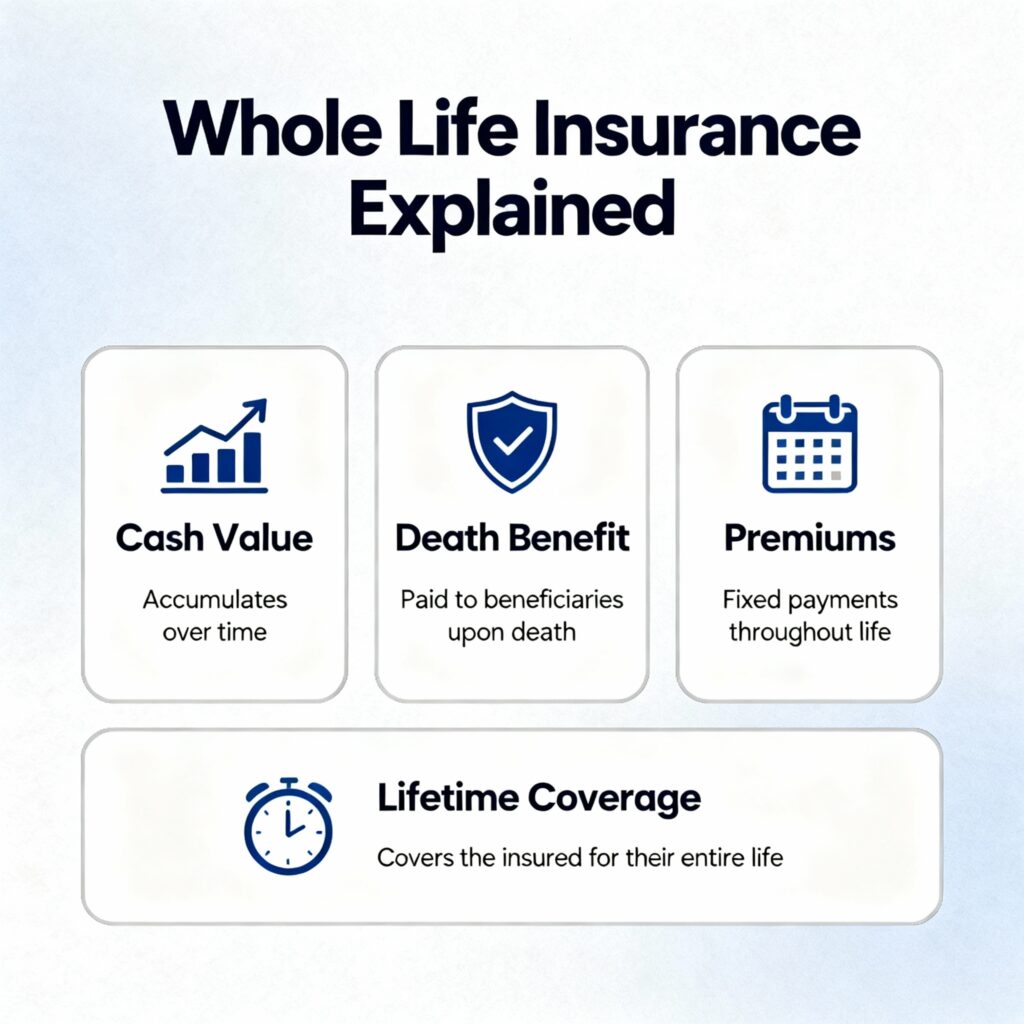
Whole life insurance for a baby is a permanent life insurance policy purchased for a minor that provides a lifetime death benefit and accumulates tax-deferred cash value. It locks in low childhood rates, guarantees the child’s future insurability regardless of health changes, and offers a growing financial asset they can access later in life.
Contents
When a new member joins the family, parents and grandparents often look for ways to secure the child's financial future. While college savings plans and trust funds are common, whole life insurance for infants remains a unique tool in the 2026 financial landscape. It serves a dual purpose: providing a safety net and creating a foundation for long-term wealth accumulation. This article explores the mechanics, benefits, costs, and strategic considerations of juvenile whole life insurance.
What is Whole Life Insurance for a Baby?
Whole life insurance for a baby—often called "juvenile life insurance"—is a type of permanent coverage. Unlike term insurance, which lasts for a specific period (such as 10 or 20 years), whole life is designed to remain in force for the child’s entire life, as long as the premiums are paid.
The policy is typically purchased by a parent, grandparent, or legal guardian. The adult is the policy owner, and the child is the insured. As the years pass, a portion of every premium payment is funneled into a cash value account. This account grows over time at a guaranteed rate, often supplemented by dividends if the policy is issued by a mutual insurance company.
In 2026, many insurance providers have streamlined the application process, often requiring no medical exam for infants. Eligibility usually begins when the baby is at least 14 days old and extends through their teenage years.
The Core Benefits of Juvenile Whole Life Policies
While the idea of insuring a baby can seem counterintuitive—since babies do not have incomes to replace—the strategy is less about the death benefit and more about the living benefits.
1. Guaranteed Insurability
One of the most compelling reasons to buy life insurance for a baby is to "lock in" their insurability. If a child develops a chronic illness, such as diabetes or an autoimmune disorder, later in life, they may find it difficult or impossible to qualify for life insurance as an adult. A whole life policy purchased in infancy ensures they will always have coverage. Furthermore, most policies include a Guaranteed Insurability Rider, which allows the child to purchase additional coverage at specific ages or life milestones without undergoing a new medical evaluation.
2. Locked-In Low Premiums
Life insurance premiums are based largely on age and health. By starting a policy when the insured is an infant, the premium is set at the lowest possible rate. In a whole life contract, this premium is fixed. This means the monthly or annual cost will never increase, even as the child grows into an adult and eventually an elderly person. In 2026, these premiums remain remarkably affordable, often costing less than a modest monthly streaming subscription.
3. Cash Value Accumulation
Every whole life policy includes a cash value component that grows tax-deferred. By the time the child reaches adulthood, the policy has had 18 to 21 years to compound. This cash can be accessed through policy loans or withdrawals to help with:
- College tuition or vocational training.
- A down payment on a first home.
- Starting a small business.
- Supplementing retirement income much later in life.
Comparing Whole Life Insurance to Other Savings Vehicles
Parents often weigh whole life insurance against 529 College Savings Plans or Uniform Transfers to Minors Act (UTMA) accounts. Understanding the differences is crucial for a balanced financial plan.
| Feature | Whole Life Insurance | 529 College Savings Plan | UTMA/UGMA Account |
|---|---|---|---|
| Primary Purpose | Protection & Cash Accumulation | Education Expenses | General Savings for Minors |
| Growth Potential | Stable, Guaranteed + Dividends | Market-based (Stock/Bond) | Market-based (Stock/Bond) |
| Tax Treatment | Tax-deferred growth; Tax-free loans | Tax-free for education | Partially taxed (Kiddie Tax) |
| Flexibility | High (Cash used for anything) | Low (Penalty if not for education) | High (Once minor reaches majority) |
| Future Insurability | Guaranteed | None | None |
| Ownership | Parent, then transferred to child | Parent | Custodial (Transfers at 18/21) |
How the Cash Value Grows: The Power of Dividends
Many whole life policies for babies are "participating" policies, meaning the policyholder may receive a share of the insurance company's profits in the form of dividends. While dividends are never guaranteed, many major insurers in 2026 have a track record of paying them for over a century.
Policyholders typically have several options for how to use these dividends:
- Paid-Up Additions: This is often the most recommended route for children. Dividends are used to buy "miniature" whole life policies that are fully paid for. This increases both the total death benefit and the total cash value over time without increasing the premium.
- Accumulate Interest: Dividends are left in an account with the insurer to earn interest.
- Premium Reduction: Dividends are applied toward the annual premium cost.
Cost Analysis: 2026 Market Estimates
The cost of whole life insurance for a baby depends on the "face amount" (the death benefit) and the specific features of the policy. In 2026, standard offerings typically range from $10,000 to $50,000, though larger policies are available for families looking to create more significant cash value.
Below is an estimated cost table for a standard juvenile whole life policy in 2026 for a healthy infant.
Estimated Monthly Premiums for Juvenile Whole Life (2026)
| Coverage Amount | Estimated Monthly Premium (Male) | Estimated Monthly Premium (Female) |
|---|---|---|
| $10,000 | $5.50 – $7.50 | $4.75 – $6.50 |
| $25,000 | $12.00 – $15.00 | $10.00 – $13.50 |
| $50,000 | $22.00 – $28.00 | $19.00 – $25.00 |
| $100,000 | $40.00 – $52.00 | $35.00 – $46.00 |
Note: These are estimates based on standard industry rates in 2026. Actual quotes will vary by provider and state.
The Transfer of Ownership
A unique aspect of these policies is the transition of control. While the parent or grandparent buys the policy, they eventually transfer ownership to the child. This usually happens when the child reaches the "age of majority" (18 or 21, depending on state law).
At this point, the child becomes the owner of a mature financial asset. They can choose to:
- Continue paying the low premium to keep the coverage for life.
- Take a loan against the cash value for a significant purchase.
- Surrender the policy and take the full cash value (though this ends the coverage).
- Use the "reduced paid-up" option, which allows them to stop paying premiums in exchange for a smaller, fully paid-for death benefit.
Common Misconceptions and Risks
Despite the benefits, whole life insurance for babies is sometimes criticized. It is important to address these points with clarity.
"The return on investment is too low." Whole life insurance is a conservative financial product. Its cash value will generally not grow as fast as a diversified stock market portfolio. If your primary goal is maximum wealth for college, a 529 plan or brokerage account is usually more efficient. Whole life should be viewed as a "safety net" and a stable portion of a larger portfolio, not the primary investment.
"Insuring a baby is morbid." While the death benefit is a component of the policy, the industry refers to these as "living benefit" policies. The vast majority of these policies are never claimed as a death benefit during childhood; instead, they are used as a financial head start for the child's adult life.
"The policy is a scam." Whole life insurance is a highly regulated financial product. However, it is essential to buy from a company with high financial strength ratings (A.M. Best, Moody’s, or S&P). A policy is only as good as the company's ability to pay claims and dividends decades into the future.
How to Apply for Coverage
In 2026, the application process for baby life insurance is largely digital. Most insurers follow these steps:
- Select a Benefit Amount: Determine how much coverage is appropriate for your budget. Many families start with $25,000 or $50,000.
- Gather Information: You will need the baby’s full name, date of birth, and Social Security number.
- Answer Health Questions: For infants, there is usually no physical exam. You will answer a few questions regarding birth weight, prematurity, and any known congenital conditions.
- Designate Beneficiaries: Usually, the parents are named as the primary beneficiaries.
- Review the Illustration: Before signing, ask for a "policy illustration." This document shows the projected growth of the cash value and death benefit over the next 50+ years based on current dividend scales.
Frequently Asked Questions
Can I buy whole life insurance for my grandchild?
Yes. Grandparents are among the most frequent purchasers of juvenile life insurance. It is often marketed as a "gift that lasts a lifetime." However, you generally need the consent of the child’s parent or legal guardian to initiate the policy, depending on the insurer's rules and local regulations.
What happens if I can no longer pay the premiums?
Most whole life policies have "non-forfeiture options." If you can't pay the premium, the accumulated cash value can be used to pay the premium for you (Automatic Premium Loan), or you can convert the policy to a "reduced paid-up" status, where you keep a smaller amount of insurance without ever having to pay another premium.
Is the cash value withdrawal taxable?
Generally, no, as long as the amount you withdraw does not exceed the total amount of premiums you have paid into the policy (your "basis"). If you take a policy loan, it is also typically tax-free. However, if the policy is surrendered for its cash value, any amount received above the basis is taxed as ordinary income.
At what age should I buy the policy?
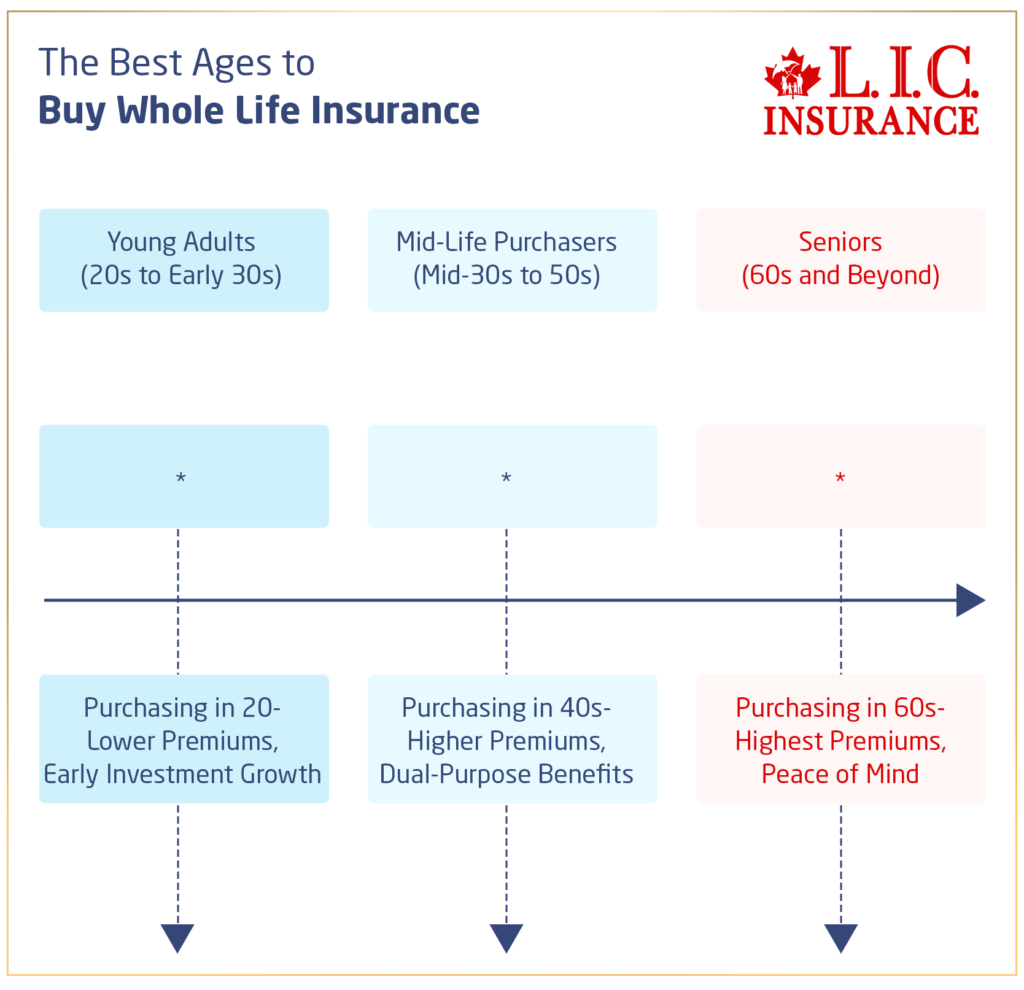
The younger, the better. Premiums are lowest for newborns. Most companies allow applications to begin when the baby is 14 to 30 days old. Starting early gives the cash value the maximum amount of time to compound through the power of time and interest.
Does the policy expire when the child turns 18?
No. Unlike some "child rider" attachments on a parent's policy, a standalone whole life policy is permanent. It does not expire at 18 or 21. Instead, the ownership typically transfers to the child, and the policy continues for as long as they (or you) continue to pay the premiums.
Practical Recommendation
If you are considering whole life insurance for a baby in 2026, it should be part of a tiered financial strategy. First, ensure that you, as the provider, have adequate life insurance of your own to protect the family’s current income. Second, evaluate if your child’s immediate education needs are being met through a 529 plan.
Once those foundations are in place, a juvenile whole life policy is an excellent "third tier" asset. It provides a unique combination of permanent protection and a growing cash reserve that your child can use for any purpose in adulthood. To get the best value, choose a mutual insurance company with a long history of dividend payments and opt for the Paid-Up Additions rider to maximize the policy's long-term growth potential.
Disclaimer: This article provides general information and is not intended as legal, financial, or tax advice. Laws and insurance regulations vary by jurisdiction. Always consult with a qualified financial advisor or insurance professional before making significant financial decisions.
Image Gallery