Understanding What Critical Illness Life Insurance Actually Covers
Critical illness life insurance provides a tax-free lump-sum payment if you are diagnosed with a specific, life-altering medical condition defined in your policy. Unlike standard life insurance, which pays out upon death, this coverage...
Critical illness life insurance provides a tax-free lump-sum payment if you are diagnosed with a specific, life-altering medical condition defined in your policy. Unlike standard life insurance, which pays out upon death, this coverage supports living expenses, medical debts, or lifestyle adjustments during recovery from illnesses such as cancer, heart attack, or stroke.
Contents
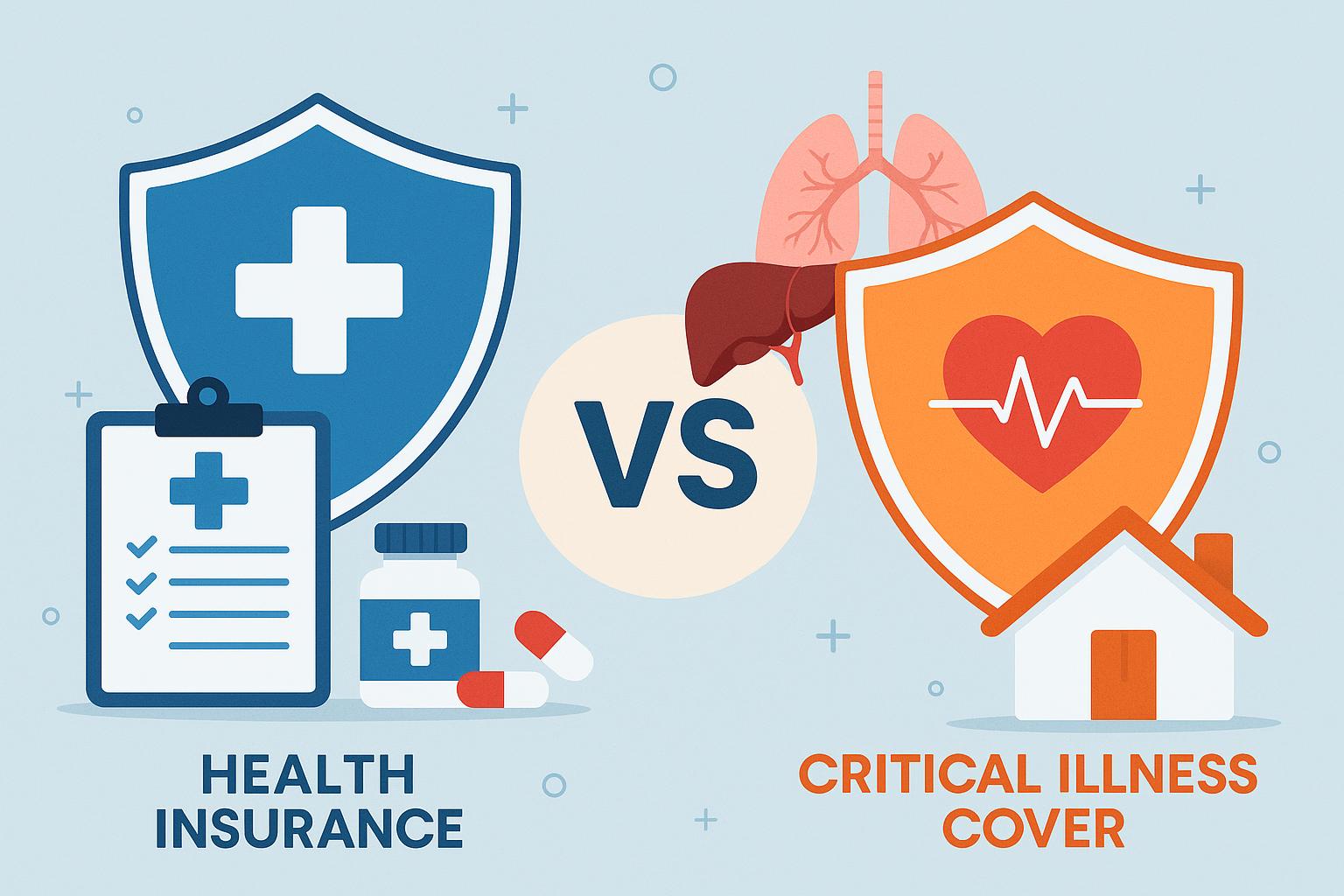
Critical illness insurance (CII) serves as a financial bridge, filling the gap between traditional health insurance—which covers medical bills—and life insurance, which protects your beneficiaries after you pass away. In 2026, as medical diagnostic technology has become more precise, the definitions of "covered conditions" have also become more technical. Understanding the nuances of these definitions is the difference between a successful claim and a denied one. This guide explores the specific conditions typically covered, the severity requirements, and the essential exclusions you must navigate.
The Core Conditions: The "Big Three"
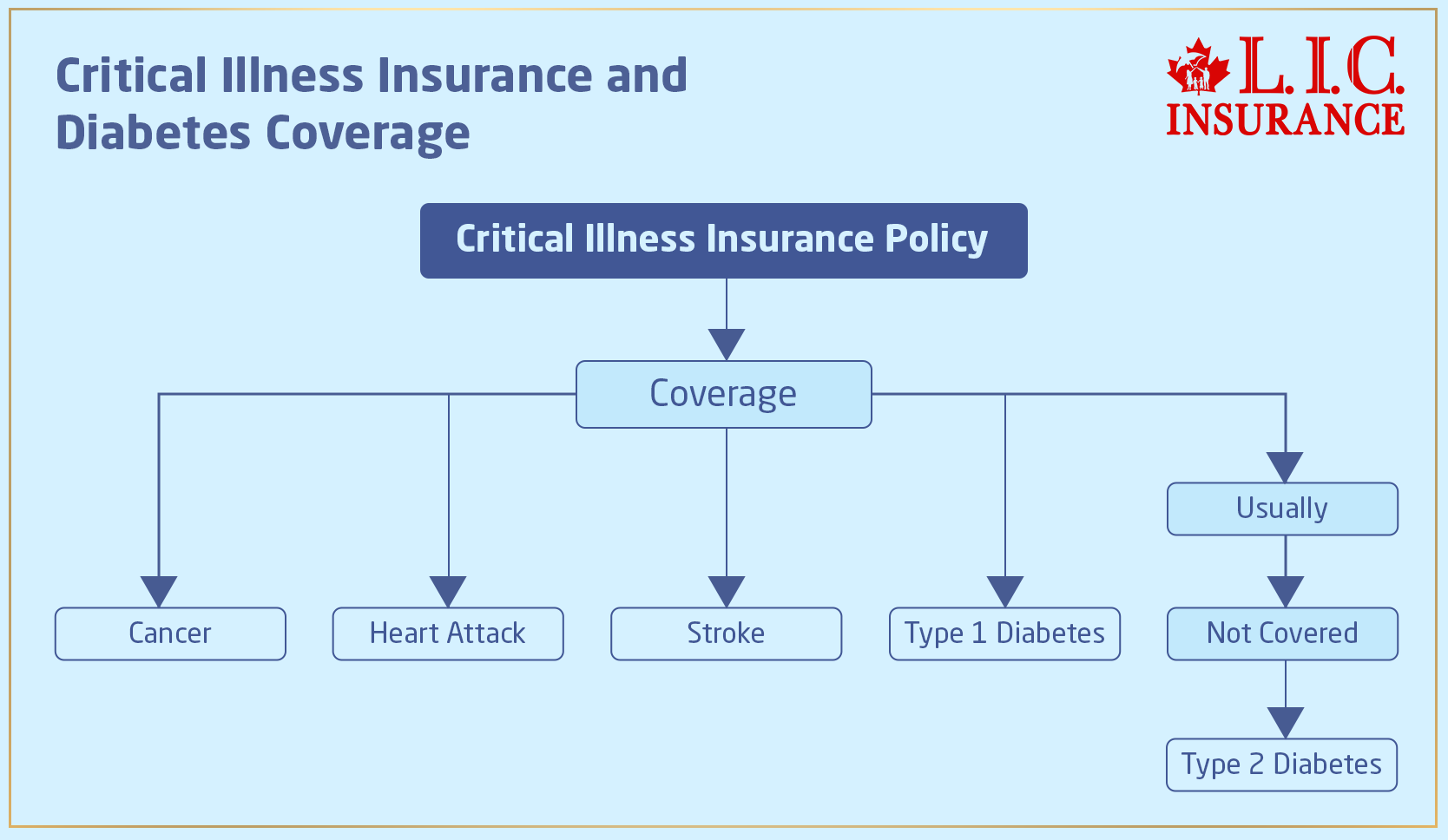
The vast majority of critical illness claims are driven by three primary diagnoses: cancer, heart attack, and stroke. While most policies cover these, the "actual" coverage depends on the severity and the specific wording of the contract.
Cancer (Life-Threatening)
Most policies cover "invasive" cancer, characterized by the uncontrolled growth and spread of malignant cells. However, coverage is rarely universal for all types of cancer. In 2026, insurers typically exclude many "stage 0" or "in situ" cancers (cancers that have not spread beyond their point of origin) because they are considered highly treatable and not immediately life-threatening. For example, non-melanoma skin cancers are frequently excluded unless they reach a specific thickness or severity.
Heart Attack (Myocardial Infarction)
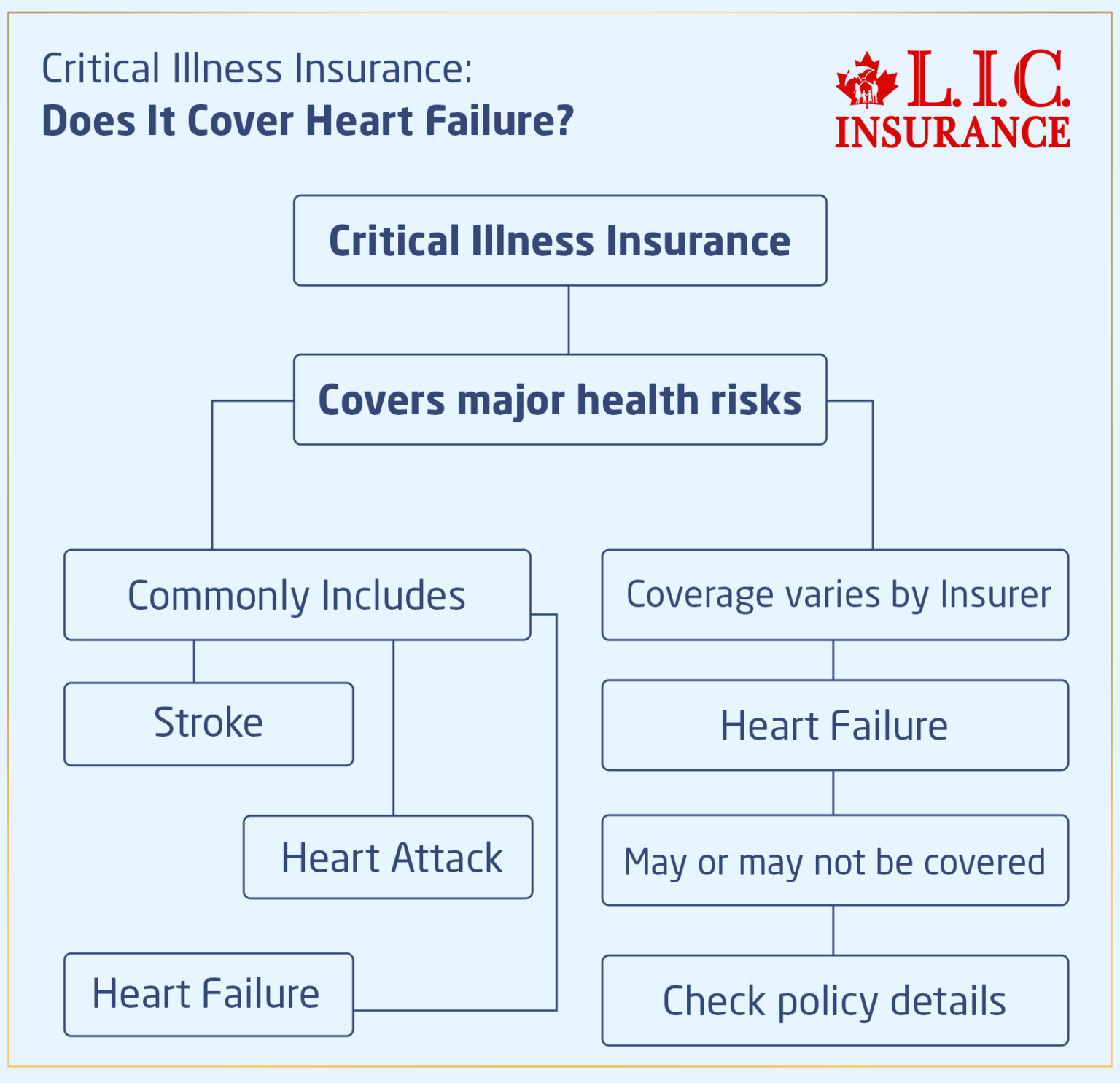
To trigger a payout, a heart attack must usually meet specific clinical criteria. Insurers often require evidence of typical chest pain, new electrocardiogram (EKG) changes, and an elevation of cardiac biomarkers (like troponins) to a certain level. Minor heart "events" or angina (chest pain) that do not result in permanent heart muscle damage are often excluded from standard critical illness definitions.
Stroke
A stroke claim typically requires a "cerebrovascular incident" resulting in neurological deficits that persist for a specific period, often 24 to 48 hours. Many policies exclude "Transient Ischemic Attacks" (TIAs), commonly known as mini-strokes, because they do not usually cause permanent brain damage. As of 2026, insurers increasingly use advanced imaging (MRI or CT) to verify the presence of an infarction or hemorrhage before approving a claim.
Expanded Coverage: Neurological and Organ-Related Conditions
Modern critical illness policies have expanded beyond the "Big Three" to include 30 or more conditions. These additions reflect the long-term financial burden of chronic, debilitating diseases.
- Neurological Disorders: This category includes Multiple Sclerosis (MS), Parkinson’s disease, and Alzheimer’s disease. Payouts for these conditions often depend on the policyholder’s inability to perform "Activities of Daily Living" (ADLs), such as bathing, dressing, or eating.
- Major Organ Failure: Coverage usually applies when a patient is placed on a formal waiting list for a transplant of the heart, liver, lungs, kidneys, or pancreas. Chronic kidney failure requiring regular dialysis is also a standard covered condition.
- Loss of Independent Existence: This is a "catch-all" category for conditions not specifically named. It triggers a payout if the insured person permanently loses the cognitive or physical ability to live without assistance.
- Total and Permanent Disability (TPD): Often offered as an optional rider, TPD pays out if an injury or illness prevents you from ever working again in your "own occupation" or "any occupation," depending on the policy’s stringency.
Severity-Based Payouts and "Partial" Coverage
Historically, critical illness insurance was "all or nothing"—you either met the definition and got 100% of the benefit, or you got zero. In the current 2026 insurance market, "tiered" or "severity-based" payout structures are common.
Under these models, less severe conditions (like early-stage prostate cancer or a less impactful ductal carcinoma in situ) might trigger a 25% or 50% "partial" payout. This allows the policy to remain in force for the remaining balance if a more severe condition develops later. It is vital to check if your policy has a "reinstatement" clause, which allows you to continue coverage for unrelated illnesses after a partial claim has been paid.
Critical Exclusions and the "Survival Period"
Understanding what is not covered is as important as knowing what is. The "actually" in "what it actually covers" is heavily mediated by two factors: pre-existing conditions and the survival period.
The Survival Period
Almost all critical illness policies include a "survival period," typically 14 to 30 days. You must survive for this duration after the diagnosis for the claim to be valid. If the insured passes away three days after a heart attack, the policy usually pays nothing; instead, the standard life insurance policy (if present) would trigger its death benefit. This distinction is why critical illness is strictly a "living benefit."
Pre-existing Condition Exclusions
Insurers generally will not cover a condition that was diagnosed or for which symptoms were present before the policy began. Many policies also include a "90-day moratorium" on cancer. If you are diagnosed with cancer within the first 90 days of the policy's start date, the insurer may refund your premiums and cancel the coverage for that specific condition.
Comparison of Common Coverage Tiers
The following table outlines the typical coverage levels for various conditions in a standard 2026 comprehensive critical illness policy.
| Condition Category | Full Payout (100%) | Partial Payout (10% - 50%) | Typically Excluded |
|---|---|---|---|
| Cancer | Metastatic or invasive cancers | Stage 0/In situ, early prostate | Skin cancers (BCC/SCC), HIV-related |
| Cardiovascular | Major Heart Attack, Heart Valve Replacement | Angioplasty, Coronary Artery Bypass | Angina, Silent Heart Attack |
| Neurological | Advanced MS, Parkinson's, Paralysis | Early-stage MS with minor symptoms | Short-term neurological symptoms |
| Vital Organs | End-stage Kidney Failure, Major Transplant | Partial Liver Resection | Kidney stones, temporary failure |
| Sensory/Physical | Blindness, Deafness, Loss of Limbs | Partial loss of vision/hearing | Correctable impairments |
How Life Insurance and Critical Illness Intersect
You can purchase critical illness insurance in two ways: as a standalone policy or as a rider on a life insurance policy.
- Life with Critical Illness Rider (Accelerated): If you have a $500,000 life insurance policy with an "accelerated" critical illness rider, a $100,000 claim for a stroke will reduce your total death benefit to $400,000. This is often the most cost-effective way to get coverage.
- Life with "Additional" Critical Illness: In this setup, the CI payout is separate. Claiming the $100,000 for a stroke does not reduce the $500,000 death benefit.
- Standalone Policy: This is independent of life insurance. It is ideal for individuals who already have sufficient life insurance through an employer but need portable, specific illness protection.
Factors Influencing 2026 Premiums
In 2026, underwriting has become more personalized. Factors that determine what you pay—and what you are eligible for—include:
- Family History: If multiple immediate family members had heart disease before age 60, your premiums for cardiovascular coverage may be higher, or certain conditions may be excluded.
- Smoking Status: Vaping and smoking significantly increase premiums for cancer and heart-related tiers.
- Genetic Testing: While regulations in many jurisdictions limit how insurers use genetic data, voluntary disclosure of "clean" genetic reports can sometimes lead to preferred rates.
- Occupation: If your job involves high-risk physical activity, the TPD (Total and Permanent Disability) portion of the policy will be more expensive.
Frequently Asked Questions
Does critical illness insurance cover mental health conditions?
Generally, no. Most standard critical illness policies focus on "physical" or "organic" brain disorders like Alzheimer's or traumatic brain injury. Depression, anxiety, and PTSD are typically covered under disability insurance or specialized mental health riders rather than critical illness insurance.
If I recover completely, do I have to pay the money back?
No. The payout is based on the diagnosis and meeting the policy's severity criteria. Whether you recover in six months or remain ill for life, the lump sum is yours to keep and use for any purpose, including paying off your mortgage or taking a vacation.
Is the payout from a critical illness policy taxable?
In most jurisdictions (including the US, UK, and Canada), if you pay the premiums with after-tax dollars, the lump-sum benefit is generally received tax-free. However, if an employer pays the premiums and does not include the premium cost in your taxable income, the benefit may be taxable.
Can I have multiple critical illness policies?
Yes. Unlike indemnity insurance (like health insurance) where you cannot "profit" from a claim, critical illness insurance is a valued policy. If you have two different $50,000 policies and you suffer a covered heart attack, you can generally collect from both, totaling $100,000.
What is the difference between Critical Illness and Disability Insurance?
Critical illness pays a one-time lump sum upon diagnosis. Disability insurance (DI) pays a monthly percentage of your income if you are unable to work. DI is better for long-term income replacement, while CI is better for immediate, high-cost expenses associated with a medical crisis.
Practical Recommendation
Before purchasing critical illness life insurance, request a "Sample Policy Document" specifically to read the "Definitions" section. Do not rely on marketing brochures, which use broad terms like "Heart Attack." Instead, look for the clinical requirements—such as the specific troponin levels or EKG changes required for a claim. If you have a family history of a specific condition, ensure that the policy's definition for that condition is not overly restrictive. Consult with a licensed financial advisor to determine if an "accelerated" rider or a "standalone" policy better fits your current debt-to-income ratio.
Image Gallery