Foundation Repair in Clarksburg, West Virginia: 2026 Homeowner's Guide
Foundation repair in Clarksburg, West Virginia, typically involves stabilizing a structure’s base using steel piers, wall anchors, or carbon fiber reinforcement to counteract the region’s expansive clay soils and steep topography. Addr...
Foundation repair in Clarksburg, West Virginia, typically involves stabilizing a structure’s base using steel piers, wall anchors, or carbon fiber reinforcement to counteract the region’s expansive clay soils and steep topography. Addressing these issues early prevents catastrophic structural failure, restores property value, and ensures long-term safety for residential and commercial buildings throughout Harrison County.
Contents
Understanding Clarksburg’s Geology and Soil Impact
The foundation challenges faced by residents in Clarksburg are largely dictated by the unique geological profile of North Central West Virginia. Situated within the Appalachian Plateau, Clarksburg sits on a mix of sedimentary rock, including sandstone, shale, and coal seams. However, the primary culprit for foundation distress is the "overburden"—the layer of soil resting above the bedrock.
In the Clarksburg area, this soil is frequently rich in expansive clays. These clays are highly reactive to moisture levels. During the wet spring months typical of West Virginia, the clay absorbs water and expands, exertive immense upward and inward pressure on basement walls. Conversely, during the dry summer months or periods of drought, the soil shrinks, leaving gaps beneath the footing. This "shrink-swell" cycle causes the foundation to shift, settle unevenly, or crack.
Furthermore, Clarksburg’s rolling hills and steep slopes introduce the risk of soil creep and lateral movement. Homes built on hillsides are particularly susceptible to "downslope movement," where the gravity and moisture combine to pull the top layers of soil—and the foundation sitting on them—downward. Understanding that your home is essentially "living" on a moving landscape is the first step in diagnosing why cracks or shifts occur.
Common Signs of Foundation Failure in Harrison County
Identifying foundation issues in their infancy can save homeowners tens of thousands of dollars. In Clarksburg, where many homes feature older masonry or stone foundations alongside modern poured concrete, the signs can vary.
Exterior Warning Signs
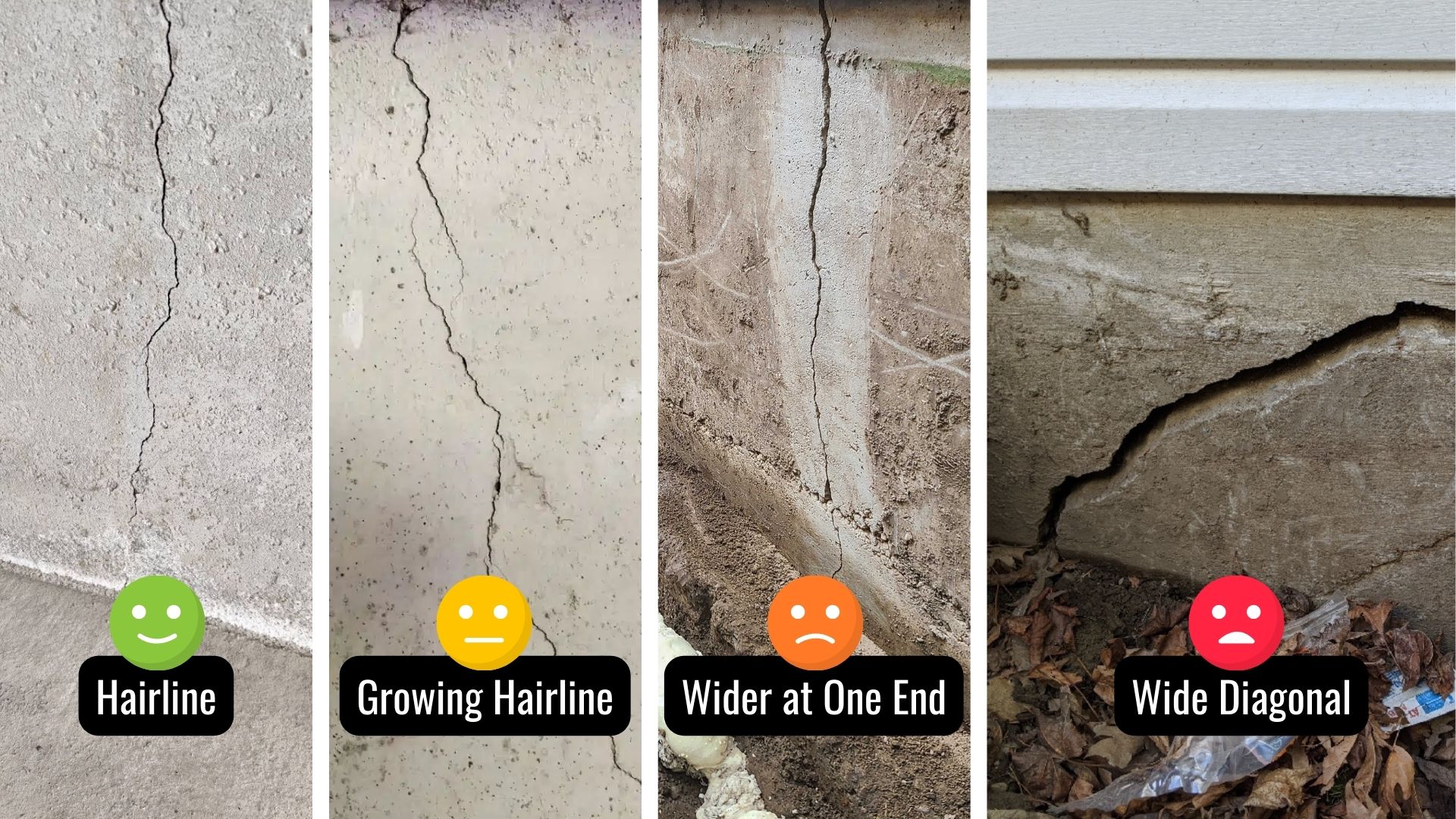
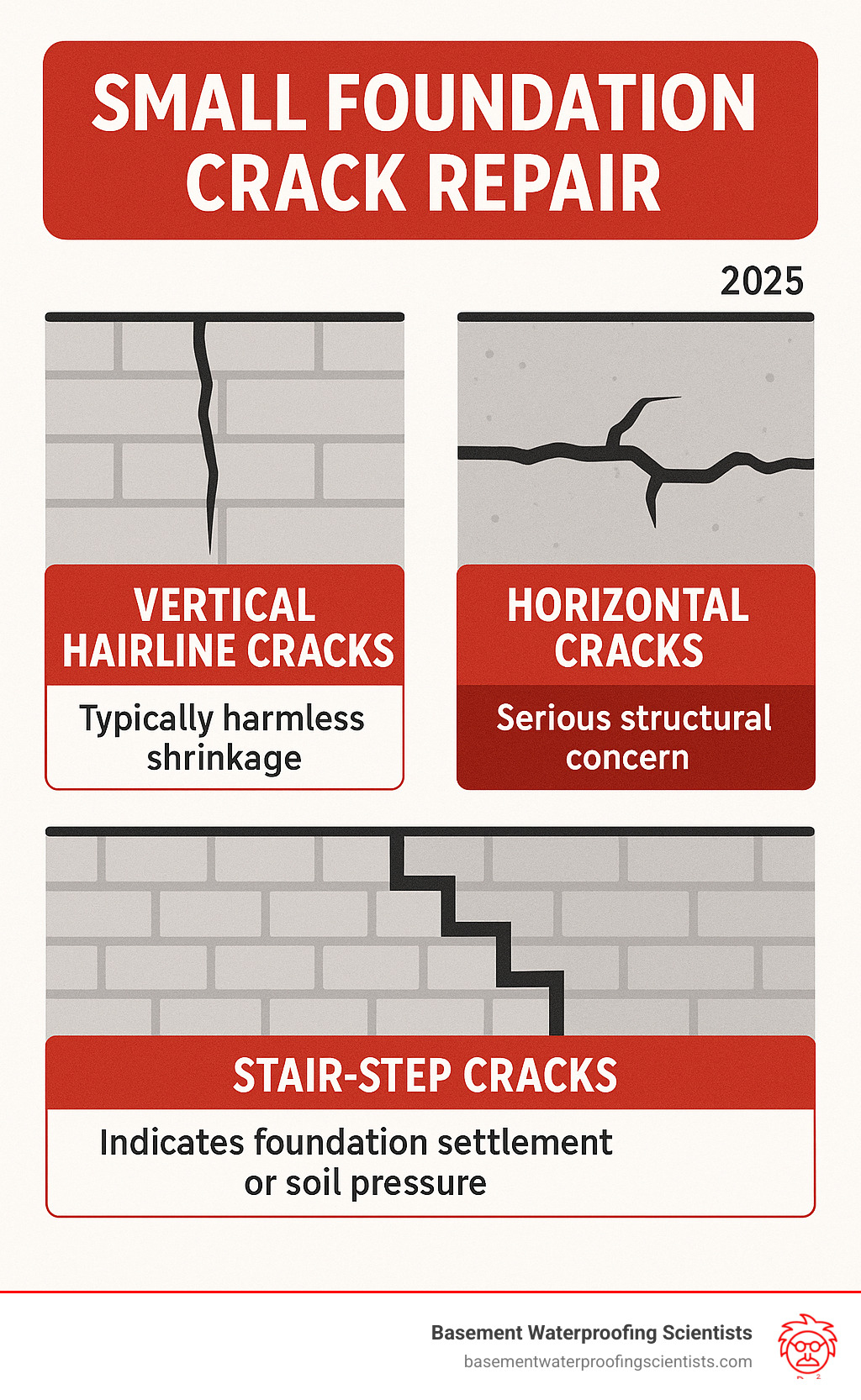
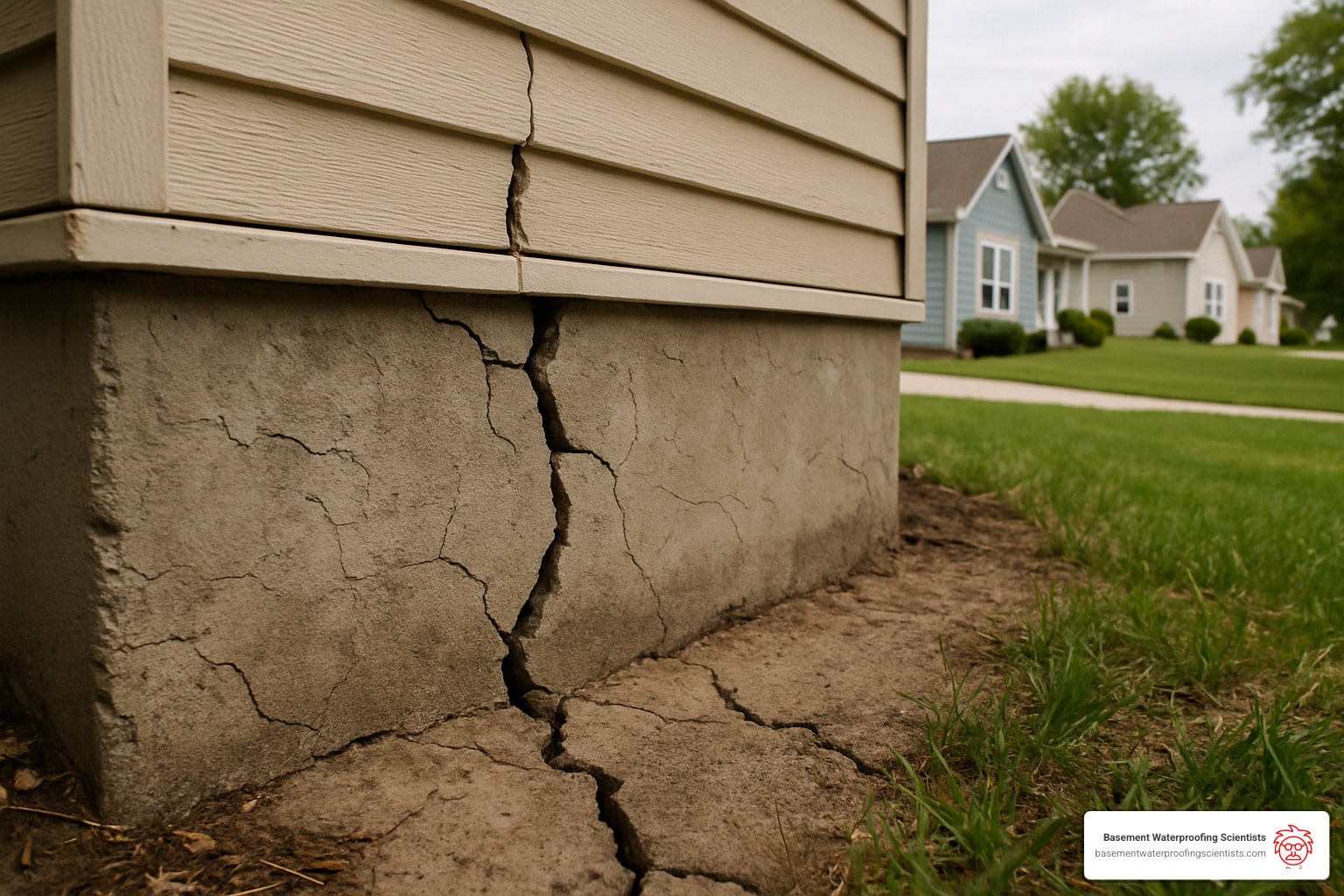
The most prominent exterior sign is stair-step cracking in the brickwork or mortar. These cracks typically follow the lines of the blocks or bricks and indicate that one corner of the home is sinking faster than the rest. You should also inspect the chimney; a chimney that is tilting away from the house or has gaps appearing at the roofline is a classic indicator of deep structural settlement.
Interior Indicators
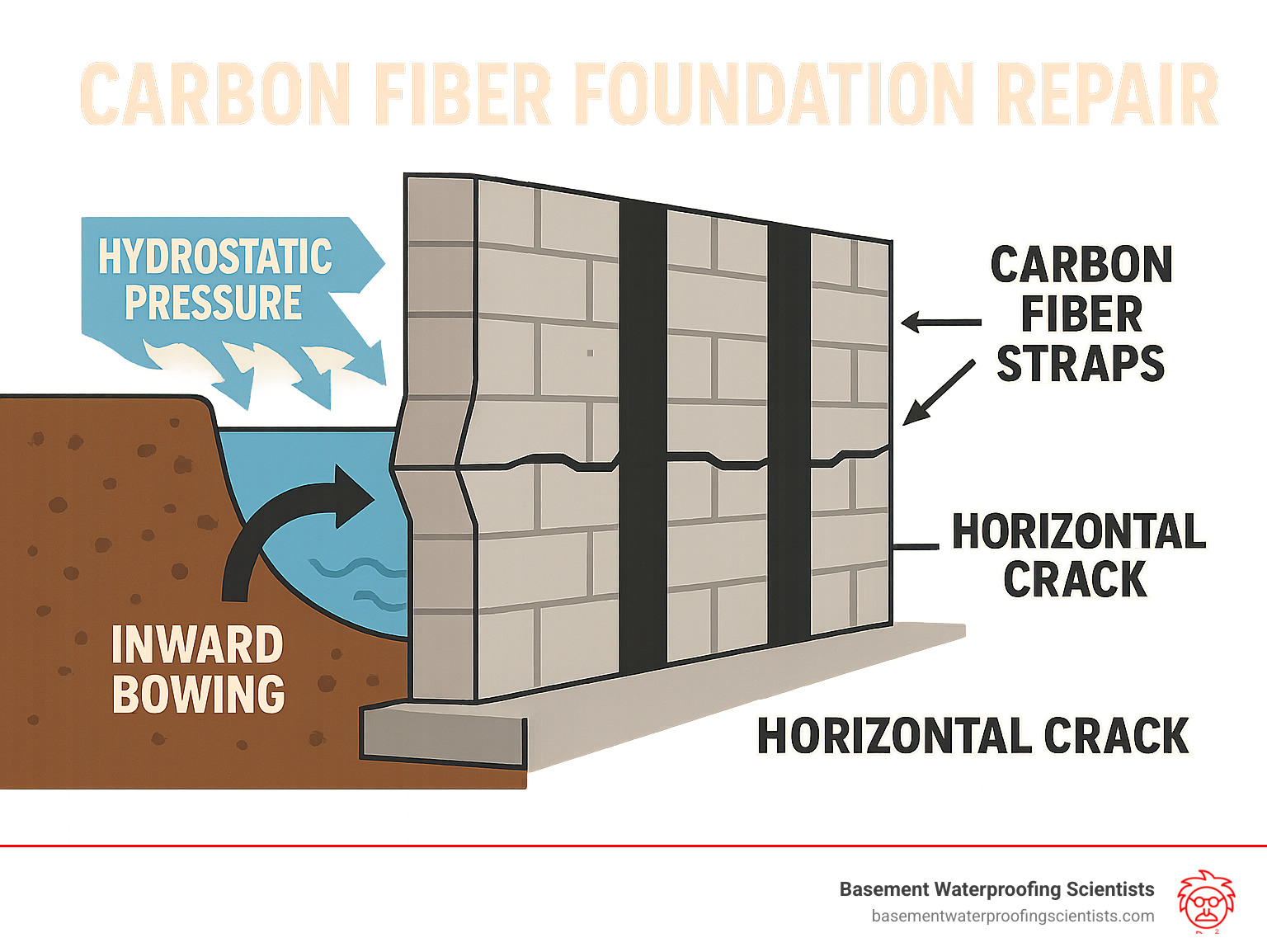
Inside the home, the signs are often found in the "finish" work. Windows and doors that suddenly stick, fail to latch, or show gaps at the top corners are reacting to the frame being pulled out of square. In the basement, keep a close watch for horizontal cracks. While vertical cracks are often caused by minor settling or concrete curing, horizontal cracks are a sign of hydrostatic pressure. This means the soil outside is pushing so hard against the wall that it is beginning to bow inward, a condition that can lead to total wall collapse if left unaddressed.
Floor and Crawlspace Issues
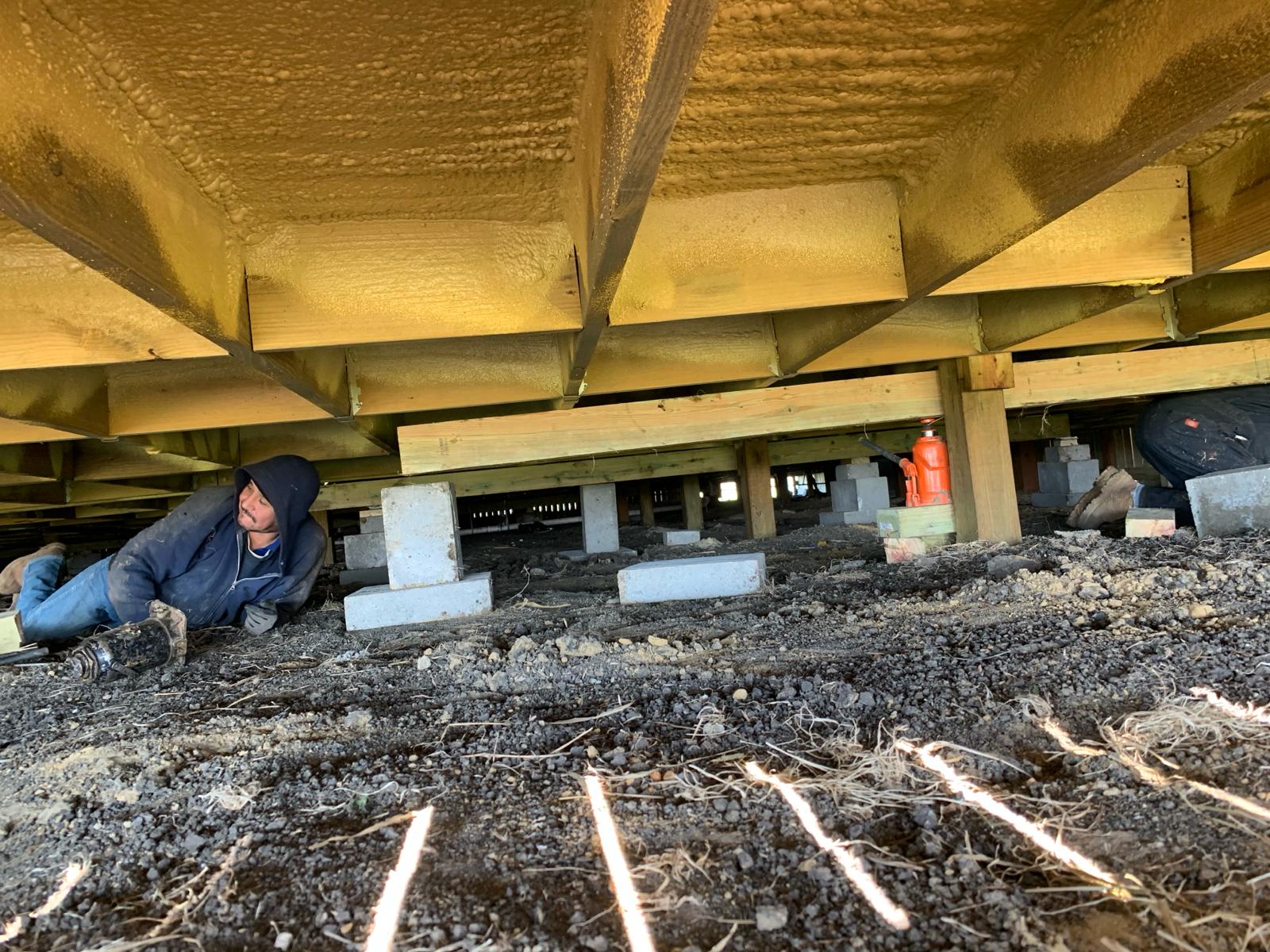
Uneven or "sloping" floors on the first story often point to issues in the crawlspace or basement. In Clarksburg’s humid climate, wooden floor joists in crawlspaces can succumb to moisture-induced rot or sagging, especially if the support piers were not seated on stable subsoil.
Primary Foundation Repair Methods Used in 2026
As of 2026, foundation repair technology has shifted toward minimally invasive, high-durability solutions. The method chosen depends on whether the problem is vertical (settlement) or lateral (bowing walls).
Push Piers and Helical Piers
For homes experiencing settlement, piering is the gold standard.
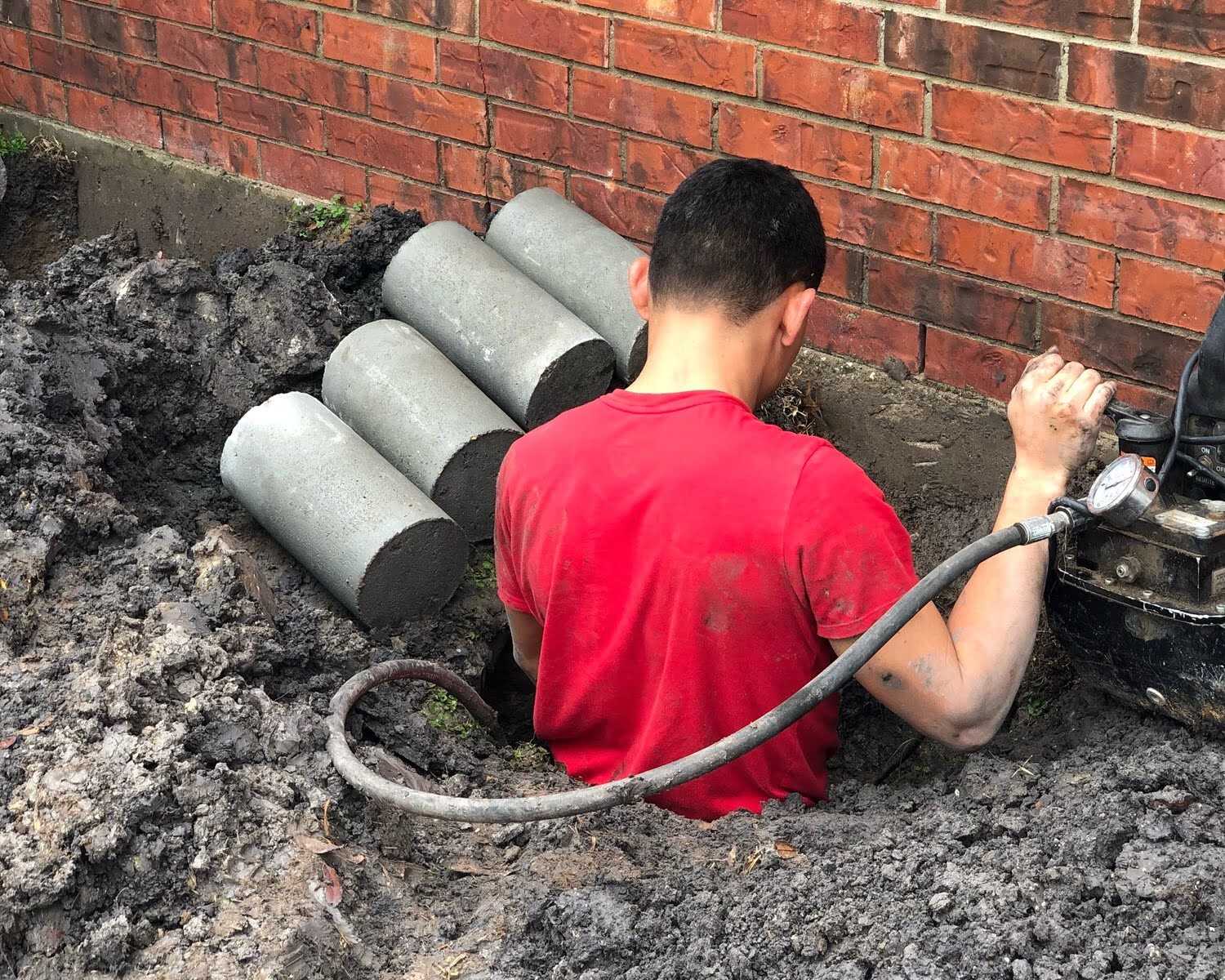
- Push Piers: These are heavy-duty steel tubes driven deep into the ground using the weight of the structure until they reach competent load-bearing strata or bedrock. Once installed, the weight of the home is transferred from the unstable soil to the steel piers.
- Helical Piers: These resemble large screws and are mechanically "screwed" into the ground. They are ideal for lighter structures like porches or for areas where the soil is particularly sandy or unstable.
Wall Anchors and PowerBraces
If your basement walls are bowing inward due to hydrostatic pressure from Clarksburg’s clay soil, wall anchors are often the preferred fix. This system involves an anchor plate buried in the yard and a wall plate inside the basement, connected by a high-strength steel rod. By tightening the rod over time, the wall can often be pulled back toward its original position. For properties where exterior excavation isn't possible (due to proximity to a neighbor or a deck), I-beam systems like PowerBraces are used to provide rigid lateral support.
Carbon Fiber Reinforcement
For minor bowing or to prevent future movement in walls that are currently stable but cracked, carbon fiber straps are an excellent 2026-era solution. These straps are bonded to the interior of the wall with high-strength epoxy. Carbon fiber does not stretch and is significantly stronger than steel, effectively "locking" the wall in place without taking up any square footage in the basement.
Cost Factors for Clarksburg Residents in 2026
Estimating the cost of foundation repair in West Virginia requires looking at several variables, including the extent of the damage, the accessibility of the site, and the local cost of materials.
| Repair Type | Estimated Cost Range (2026) | Primary Goal |
|---|---|---|
| Crack Injection (Epoxy/Polyurethane) | $600 – $1,500 | Sealing leaks and minor structural cracks. |
| Carbon Fiber Straps (per strap) | $800 – $1,200 | Stabilizing bowing walls with minimal movement. |
| Wall Anchor System (per anchor) | $1,200 – $1,800 | Correcting significantly bowed or leaning walls. |
| Push/Helical Piers (per pier) | $2,500 – $4,000 | Supporting and lifting a settling foundation. |
| Full Foundation Replacement | $40,000 – $100,000+ | Total reconstruction of a failed foundation. |
Note: These figures are regional averages for North Central West Virginia and include labor and materials. A typical residential stabilization project involving 5-8 piers often ranges between $15,000 and $30,000.
Several factors can drive these costs up. For example, Clarksburg's hilly terrain can make it difficult for heavy machinery to access certain sides of a house, necessitating manual excavation which increases labor hours. Additionally, if the foundation repair requires the relocation of utility lines or extensive landscaping removal, those costs must be factored into the total budget.
The Permitting and Inspection Process in Harrison County
In 2026, the City of Clarksburg and Harrison County maintain strict building codes to ensure resident safety. Most structural repairs require a building permit issued by the City of Clarksburg Code Enforcement Department or the county equivalent.
- Engineering Requirement: For significant structural modifications, such as piering or wall replacements, the local building office may require a report from a licensed Professional Engineer (PE). This ensures that the proposed repair plan is geologically sound for the specific site.
- Inspections: Once the work is underway, an inspector will typically need to view the piers or anchors before they are covered back up with soil (backfilled). This ensures the hardware is installed to the manufacturer’s specifications.
- Utility Marking: Before any digging occurs, WV811 (West Virginia's "Call Before You Dig" service) must be notified to mark underground gas, water, and electric lines, which are prevalent in Clarksburg’s established neighborhoods.
Choosing the Right Foundation Contractor
Selecting a contractor in the Clarksburg area requires due diligence. Because foundation repair is a specialized field, general contractors may not always have the necessary hydraulic equipment or engineering partnerships.
Verify Credentials
Ensure the company is licensed in the state of West Virginia and carries both general liability and workers' compensation insurance. In 2026, reputable firms should be able to provide a transferable warranty. This is crucial if you ever decide to sell your home, as the warranty provides the buyer with peace of mind that the structural issues have been permanently resolved.
Local Knowledge
Prioritize companies that have experience with the specific soil types of Harrison County. A company based in a flat, sandy region may not fully grasp the complexities of Appalachian "slip" repairs or the extreme hydrostatic pressure found in the local red clay. Ask for references from past clients in neighborhoods like Stealey, Adamston, or Chestnut Hills to see how their repairs have held up over several seasons.
FAQs About Foundation Repair in Clarksburg
Is foundation repair covered by homeowners insurance?
Generally, no. Most standard homeowners insurance policies in West Virginia exclude "earth movement," which includes earthquake, sinkholes, and gradual soil settlement or expansion. However, if the foundation damage was caused by a sudden, covered event—such as a major pipe burst inside the home—you may have a claim. Always review your specific policy with an agent.
How long does a typical foundation repair take?
For a standard residential home in Clarksburg requiring 6 to 10 piers, the work is usually completed within 3 to 5 days. More complex projects involving interior drainage systems and wall anchors might take up to two weeks. Most modern repair methods allow the residents to remain in the home during the process.
Can I fix foundation cracks myself?
Cosmetic cracks (less than 1/8 inch wide) can often be sealed with high-quality masonry caulk or DIY epoxy kits. However, if the crack is wider, horizontal, or accompanied by other signs like sticking doors, a DIY fix will only mask a growing structural problem. It is highly recommended to get a professional inspection to determine the root cause.
Will foundation repair affect my home's resale value?
Actually, it usually helps it. A home with an unrepaired foundation is nearly impossible to sell to buyers using traditional financing (FHA, VA, or Conventional loans). By performing the repair and providing a transferable warranty, you stabilize the home’s value and make it "mortgageable" again.
What is the best time of year for foundation repair in West Virginia?
While repairs can be done year-round, the late summer and early fall are often ideal in Clarksburg. During this period, the ground is generally drier, which makes excavation easier and reduces the mess created by heavy equipment on your lawn. However, if you notice a wall bowing rapidly during a wet spring, you should not wait for better weather.
Practical Recommendation
If you suspect your Clarksburg home has foundation issues, your first action should be a professional evaluation. Start by documenting the cracks with photos and a date stamp to see if they are actively growing. In 2026, many local specialists offer free structural consultations. If the issues appear severe, consider hiring an independent structural engineer for a non-biased assessment before contacting a repair contractor. This initial investment ensures you only pay for the repairs that are truly necessary for your home’s specific geological needs.
Image Gallery