AARP Life Insurance with Pre-Existing Conditions: What You Need to Know
Securing life insurance when you have a pre-existing medical condition can be challenging, but options are available through AARP-endorsed life insurance plans provided by New York Life Insurance Company. These programs often feature s...
Securing life insurance when you have a pre-existing medical condition can be challenging, but options are available through AARP-endorsed life insurance plans provided by New York Life Insurance Company. These programs often feature simplified underwriting processes, meaning you may not need to take a medical exam, though eligibility rules, waiting periods, and benefit limitations still apply based on your health history.
Contents
Navigating the landscape of life insurance can feel overwhelming, particularly when managing chronic health conditions such as diabetes, heart disease, hypertension, or a history of cancer. Traditional life insurance policies typically require rigorous medical examinations, blood tests, and extensive health history reviews, which can lead to higher premiums or outright denial for applicants with complex medical profiles.
For members of the American Association of Retired Persons (AARP), alternative paths exist through plans underwritten by New York Life. Understanding how these policies handle pre-existing conditions, what types of coverage are available, and how the application process works will help you make an informed decision about your financial planning and estate protection.
Understanding AARP-Endorsed Life Insurance Options
AARP does not directly issue, underwrite, or administer life insurance policies. Instead, the organization partners with New York Life Insurance Company to make specific insurance products available to its members. The primary offerings generally include Term Life Insurance and Permanent Life Insurance, such as Whole Life. Each product line evaluates health history differently, making it vital to choose the option that aligns with your current medical status.
Term life insurance provides coverage for a specific period, such as 10 or 20 years, and typically requires answering health questions or undergoing medical underwriting. Whole life insurance, on the other hand, provides lifelong coverage and often features guaranteed acceptance options where medical underwriting is bypassed entirely.
When evaluating these products, applicants must look closely at how each plan defines eligibility, manages premium costs over time, and handles payouts if a policyholder passes away from a pre-existing condition.
Term Life Insurance vs. Whole Life Insurance for Pre-Existing Conditions
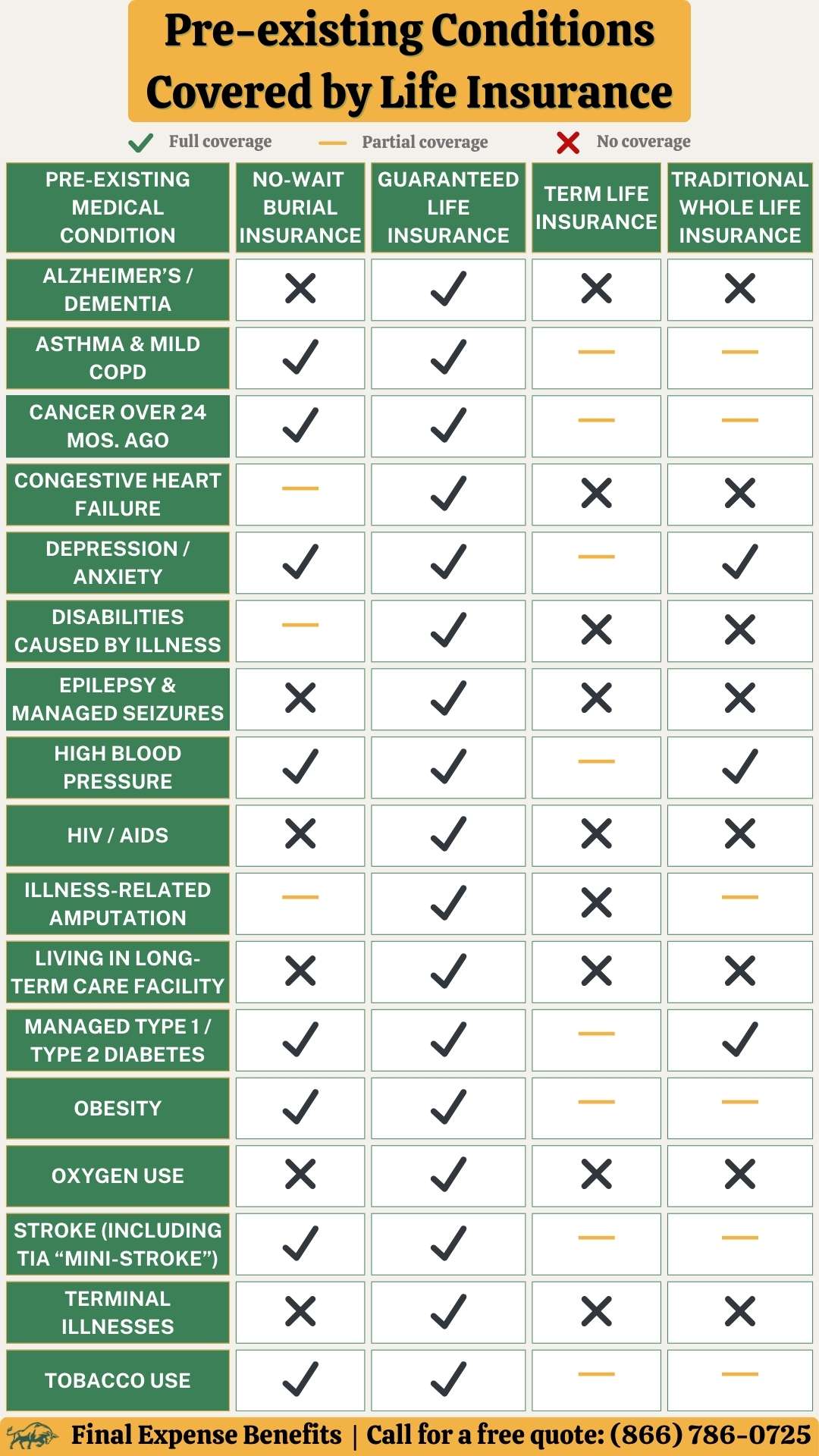
| Feature | AARP Term Life Insurance (New York Life) | AARP Whole Life Insurance (New York Life) |
|---|---|---|
| Coverage Duration | Specific term length (e.g., renewable up to age 80) | Lifelong coverage as long as premiums are paid |
| Medical Requirements | Requires answering health questions; may require a medical exam | Guaranteed acceptance options available (no medical exam or health questions) |
| Pre-Existing Condition Impact | May affect approval or result in higher rate tiers based on severity | Does not affect acceptance for guaranteed issue tiers |
| Graded Death Benefits | Typically full death benefit from day one if approved | Often includes a graded death benefit for non-accidental death in initial years |
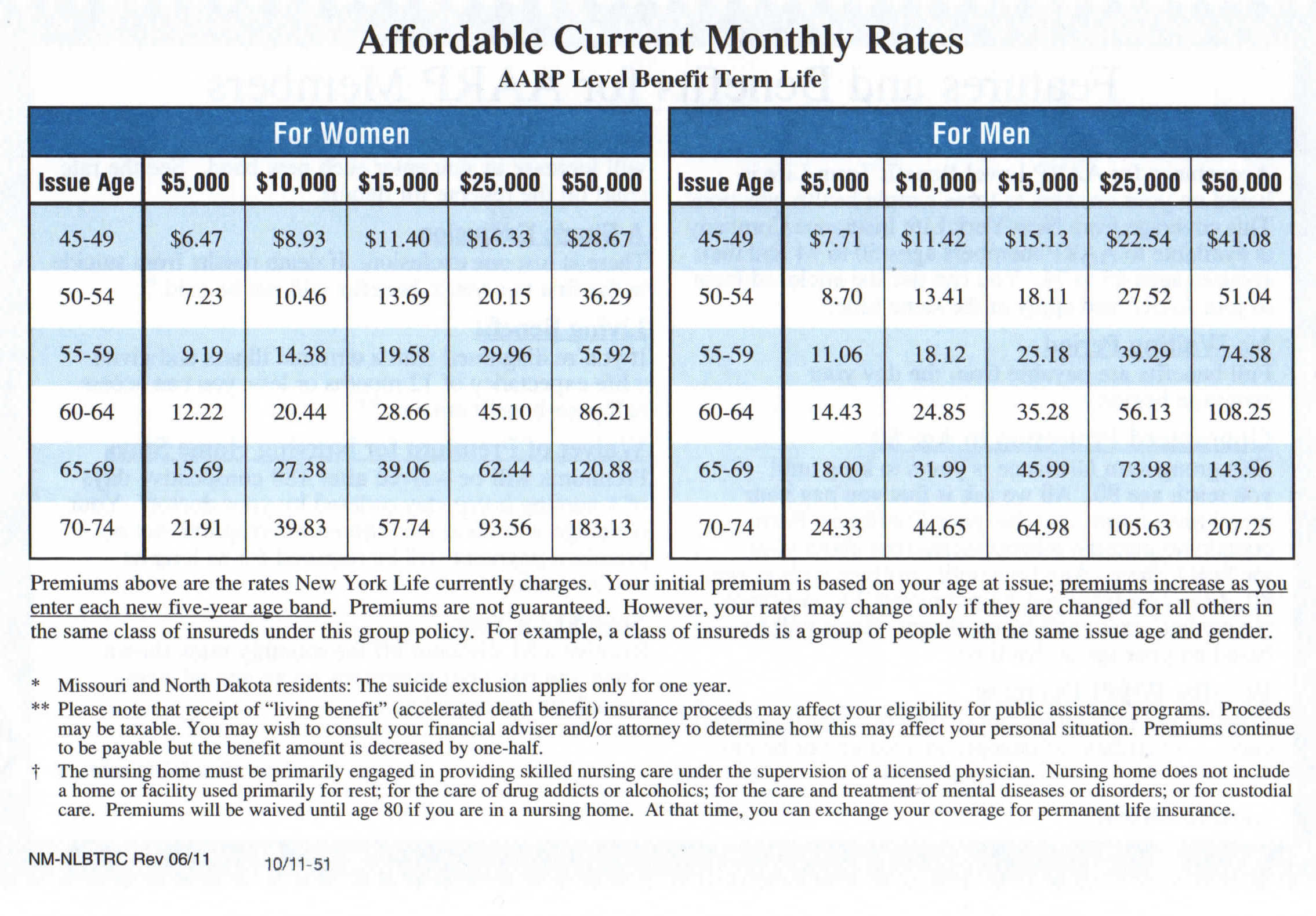
| Premium Structure | Rates increase as you enter new age brackets | Premiums remain level for the life of the policy |
How Pre-Existing Conditions Impact Eligibility
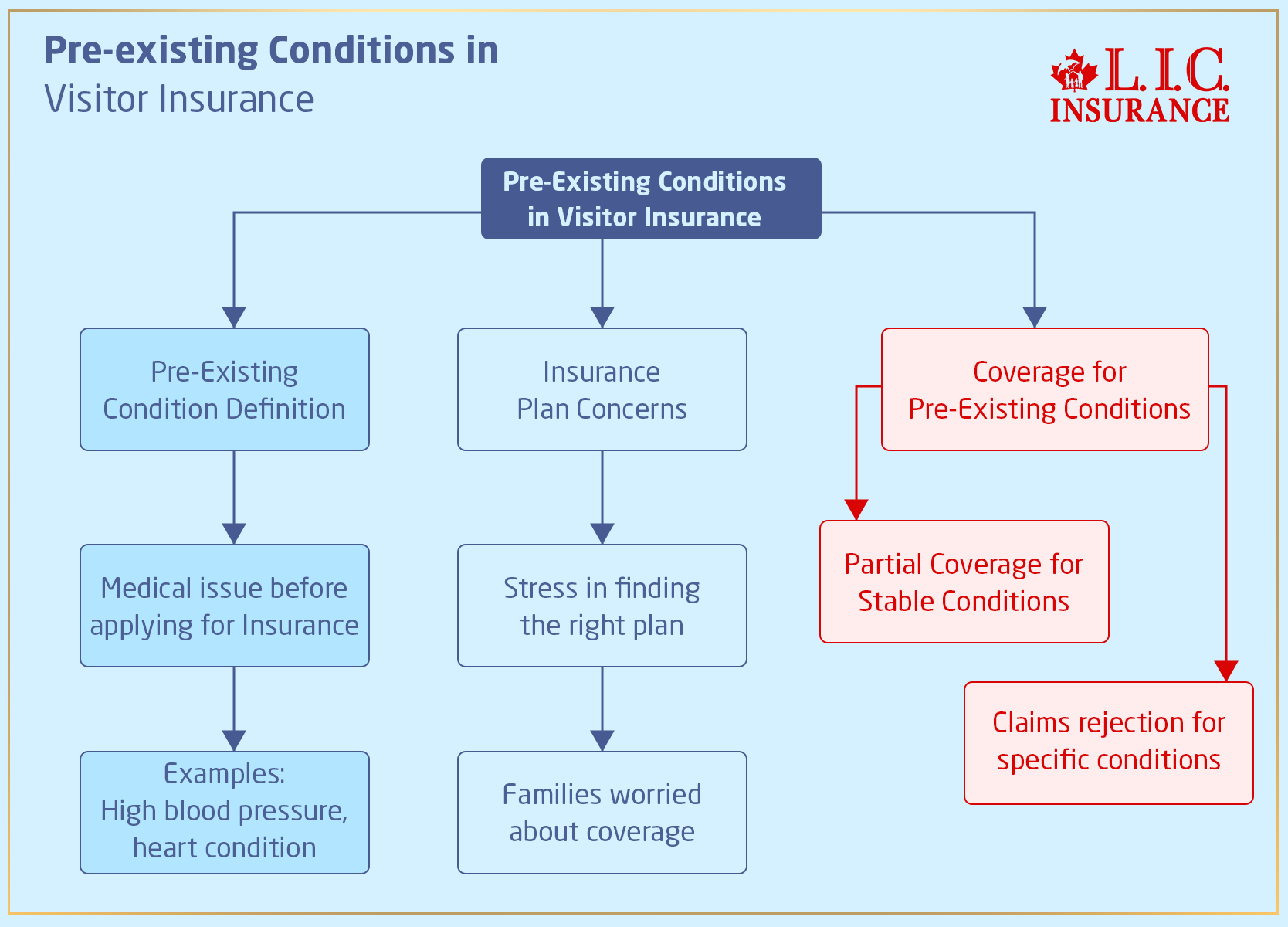
A pre-existing condition is any health issue diagnosed or treated before applying for a life insurance policy. Common examples include type 2 diabetes, high blood pressure, sleep apnea, a history of stroke, or previous cancer treatments. How these conditions affect your application depends entirely on the specific insurance product you select.
The Role of Simplified and Guaranteed Issue Underwriting
Many AARP-branded life insurance options utilize simplified issue or guaranteed acceptance underwriting. This design directly addresses the needs of older adults who might otherwise struggle to qualify for traditional medically underwritten policies on the open market.
- Simplified Issue: You do not need to take a physical medical exam, but you must answer a series of health questions on the application. Your answers determine whether you qualify for coverage. If your condition is well-managed and stable, you may be approved. However, unmanaged or severe conditions can lead to a denial.
- Guaranteed Acceptance: You cannot be turned down based on your health or pre-existing conditions. There are no medical exams and no health questions to answer. This option provides a vital safety net for individuals who have severe health issues that make traditional or simplified coverage impossible to secure.
The Two-Year Graded Death Benefit Rule
When opting for guaranteed acceptance life insurance plans, applicants must pay close attention to the graded death benefit clause. Because the insurer takes on high-risk applicants without evaluating their health, policies with guaranteed acceptance commonly feature a two-year waiting period for non-accidental deaths.
If the insured passes away from natural causes or illness within the first two years of the policy, the beneficiary may not receive the full face value of the policy. Instead, the insurer typically refunds all premiums paid plus interest (often around 10%). Once the two-year period passes, the full face value becomes payable for any cause of death. Accidental death, however, usually pays out the full benefit immediately from day one.
Evaluating Costs and Financial Considerations
Life insurance pricing is calculated based on age, gender, coverage amount, and health status. While guaranteed acceptance plans remove the risk of medical denial, they often come with higher premium costs per dollar of coverage compared to fully underwritten policies. This pricing structure reflects the statistical risk the insurer assumes by covering individuals with unknown or advanced health conditions.
Factors That Influence Your Premiums
- Age at Application: Premiums are fixed at the time of enrollment based on your age, but starting later in life naturally increases the baseline cost.
- Coverage Amount: Selecting higher benefit amounts increases the monthly premium. Guaranteed acceptance policies often cap coverage at relatively modest maximums (such as $10,000 or $25,000) to limit financial exposure for the insurer.
- Tobacco Use: Smoking or using other tobacco products significantly raises life insurance rates across almost all product categories, regardless of whether you have other pre-existing conditions.
Applicants should carefully review their budget to ensure that premium payments remain sustainable over the long term. Allowing a policy to lapse due to unaffordable rates means losing all accumulated benefits, especially critical for permanent policies designed to cover final expenses.
Common Mistakes to Avoid When Applying
Applying for life insurance with a health history requires careful preparation to avoid common pitfalls that can delay coverage or jeopardize claims.
- Hiding Medical History: Never omit or misrepresent health conditions on simplified issue applications. Insurers have the right to investigate medical records during the claims process. Misrepresentation can lead to policy rescission or denial of the death benefit for your beneficiaries.
- Ignoring the Graded Benefit Period: Assuming your beneficiaries will receive the full payout immediately upon death can cause severe financial distress if the insured passes away from natural causes within the first two years of a guaranteed issue policy.
- Purchasing Insufficient Coverage: Failing to calculate final expenses, outstanding debts, or ongoing living costs can leave loved ones underinsured. Review your financial obligations thoroughly before selecting a policy tier.
Frequently Asked Questions
Can I be denied AARP life insurance due to a pre-existing condition?
Yes, for certain term life or simplified issue whole life products that require answering health questions, severe or unmanaged pre-existing conditions can result in a denial. However, AARP-endorsed guaranteed acceptance whole life plans do not look at your health history and cannot deny you based on pre-existing conditions.
Do I need to take a medical exam to qualify?
Many AARP-branded life insurance options eliminate the need for a physical medical exam. Instead, eligibility is determined either through a brief questionnaire about your health or through guaranteed acceptance where no medical questions are asked at all.
What happens if I die from my pre-existing condition within two years?
On guaranteed acceptance policies, dying from natural causes or a pre-existing illness within the first two years typically triggers a graded death benefit clause. This means the insurer returns all premiums paid plus interest rather than paying out the full face value of the policy. Accidental deaths are usually exempt from this rule and pay out fully.
Are AARP life insurance rates locked in?
For whole life insurance policies, your premium rates are locked in at the age you enroll and will never increase as long as you make your payments. For term life insurance, rates may increase as you transition into older age brackets upon policy renewal.
Is AARP life insurance administered directly by AARP?
No. AARP licenses its name to New York Life Insurance Company, which underwrites, issues, and administers all the life insurance policies marketed to AARP members. Claims processing and customer service are handled by New York Life.
Next Actions and Recommendations
If you are considering AARP-endorsed life insurance with pre-existing conditions, start by reviewing your current health records, medication lists, and immediate financial goals. Determine whether you need temporary coverage for a specific milestone or permanent coverage to handle final expenses. Visit the official New York Life portal for AARP members to review current rate charts, policy maximums, and detailed disclosures. Consult with a licensed financial advisor or insurance professional to evaluate your options and ensure your family is adequately protected.
Image Gallery