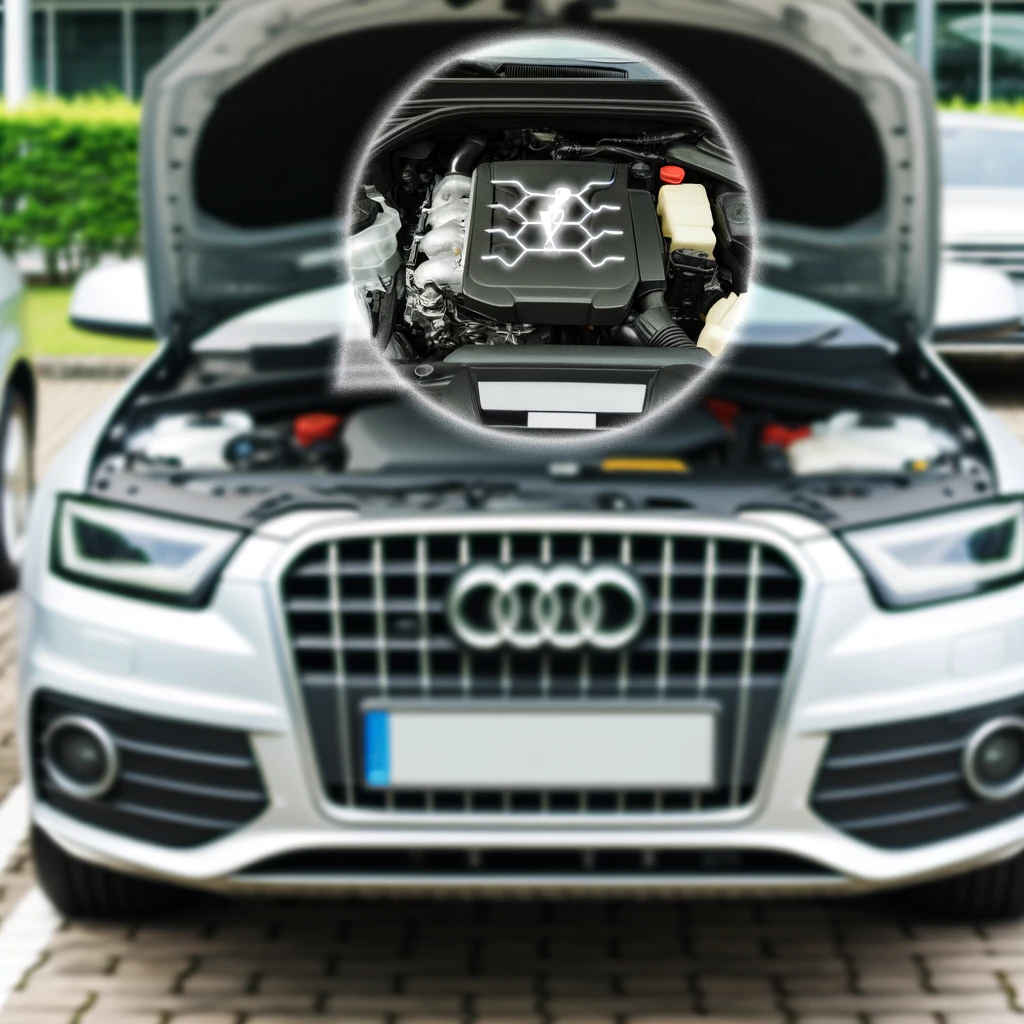
Understanding Audi Car Problems: Common Issues, Diagnostics, and Maintenance Solutions
Audi vehicles are celebrated for their sophisticated engineering, luxurious interiors, and performance capabilities. However, like any advanced European luxury brand, they can develop specific mechanical and electronic challenges as th...
Audi vehicles are celebrated for their sophisticated engineering, luxurious interiors, and performance capabilities. However, like any advanced European luxury brand, they can develop specific mechanical and electronic challenges as they age. Recognizing these recurring vulnerabilities helps owners diagnose symptoms early, manage repair costs, and maintain their vehicle's reliability.
Contents
Introduction to Audi Reliability and Common Faults
Owning an Audi involves balancing high-end driving dynamics with diligent maintenance. While modern Audi models utilize sophisticated turbochargers, direct-injection engines, and complex electrical architectures, these systems introduce specific vulnerabilities. Addressing minor symptoms before they escalate into major failures is the cornerstone of responsible Audi ownership. This guide examines the most frequently reported mechanical, electrical, and transmission issues across various model years, providing structured insight into diagnostics, prevention, and professional intervention.
Engine and Mechanical Issues
Oil Consumption and Timing Chain Failures
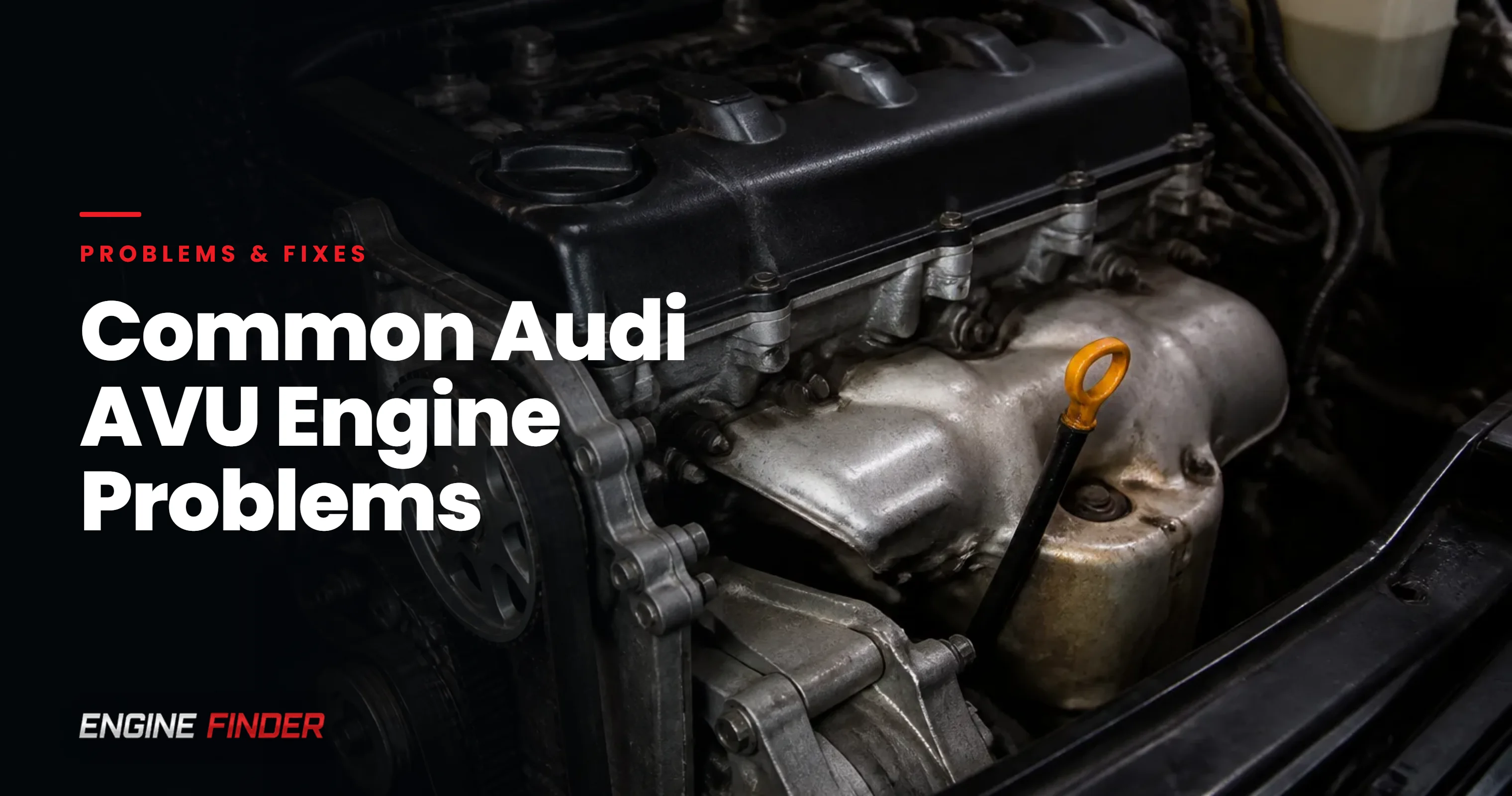
One of the most widely discussed mechanical concerns in older Audi engines—particularly the 2.0 TFSI and 3.2L V6 powerplants manufactured across various model years—is excessive oil consumption. This is frequently caused by piston rings sticking or wearing prematurely, allowing engine oil to slip into the combustion chambers.
Drivers should monitor oil levels between scheduled service intervals. Ignoring high oil consumption can lead to low lubrication pressure, accelerating wear on critical components like the timing chain tensioner. Audi timing chain guides and tensioners are also subject to premature wear. When a tensioner fails, the chain can skip teeth, leading to catastrophic interference between the valves and pistons. Symptoms include a rattling noise upon cold startup, check engine lights, and erratic idling.
Coolant Leaks and Thermostat Housing Failures
Modern Audi engines rely on complex cooling systems featuring electronically controlled thermostats and composite plastic housings. Over time, heat cycles cause these plastic components to warp, crack, and develop coolant leaks.
Common leak points include the thermostat housing assembly, water pump, and auxiliary coolant lines. Operating an Audi with a compromised cooling system risks severe engine overheating, warped cylinder heads, and head gasket failure. Regular visual inspections of the engine bay for white residue, sweet-smelling fluid, or unexpected coolant level drops are essential preventative measures.
Transmission and Drivetrain Complications
S-Tronic Dual-Clutch Transmission Malfunctions
Many modern Audi models utilize the S-Tronic dual-clutch automatic transmission, which offers rapid gear shifts and high efficiency. However, the Mechatronic unit—the hydraulic and electronic control module governing the transmission—can experience electrical faults and solenoid blockages.
Symptoms of a failing Mechatronic unit or worn clutch packs include delayed engagement, harsh shifting, shuddering during acceleration, and transmission error messages on the dashboard. Routine fluid and filter changes, strictly adhering to manufacturer-specified intervals, are vital for prolonging the lifespan of dual-clutch gearboxes.
Tiptronic and CVT Reliability
Older Audi front-wheel-drive configurations often featured Multitronic Continuously Variable Transmissions (CVTs), which are notorious for premature belt wear and control module failure. Conversely, traditional torque-converter Tiptronic transmissions paired with Quattro all-wheel-drive systems are generally more robust, provided the transmission fluid is serviced periodically. Neglecting fluid changes in Quattro transfer cases can lead to differential whine and premature mechanical binding.
Electrical and Infotainment System Faults
MMI (Multi Media Interface) Glitches
Audi’s MMI infotainment system integrates navigation, climate control, media, and vehicle settings. Software corruption, failing hard drives in older units, or moisture intrusion can cause the MMI screen to freeze, reboot randomly, or fail to power on entirely. Resetting the system via button combinations often resolves temporary software freezes, while persistent hardware failures require module reprogramming or component replacement by a qualified technician.
Battery Drain and Parasitic Draws
Because modern Audi vehicles feature dozens of electronic control units (ECUs) that remain active or enter "sleep" mode sequentially, unexpected battery drain is a common complaint. Faulty door handle proximity sensors, failing alternator diodes, or aftermarket accessories can create a parasitic draw, leaving the battery depleted after sitting overnight. Diagnosing these draws requires a multimeter test to isolate the specific fuse responsible for the excessive electrical load.
Suspension, Steering, and Braking Systems
Air Suspension Failures
Higher-end models such as the Audi A8, Q7, and Allroad frequently feature adaptive air suspension systems. Over time, rubber air struts develop micro-cracks, leading to air leaks. When a strut fails, the compressor must work overtime to maintain ride height, often leading to compressor burnout. Warning signs include the vehicle sagging overnight, an unresponsive ride-height selection menu, or a dashboard warning light indicating a suspension fault.
Control Arm Bushing Wear
Multi-link front suspension setups deliver exceptional handling and steering precision but incorporate numerous rubber bushings and ball joints. As these components degrade, drivers may notice clunking noises over bumps, wandering steering alignment, and uneven tire wear. Replacing worn control arms restores factory handling dynamics and prevents secondary tire damage.
Summary of Common Audi Problems and Solutions
| System / Component | Common Models Affected | Typical Symptoms | Recommended Solution |
|---|---|---|---|
| Timing Chain Tensioner | 2.0L TFSI (Older generations) | Cold-start rattle, check engine light | Inspect tensioner wear; replace chain kit proactively |
| Thermostat / Water Pump | A4, A6, Q5 | Coolant leaks, engine overheating | Replace plastic thermostat housing and water pump assembly |
| S-Tronic Mechatronic Unit | A3, A4, S4, TT | Harsh shifts, transmission limp mode | Service transmission fluid; repair or replace Mechatronic unit |
| Air Suspension Struts | A8, Q7, Allroad | Vehicle sagging, compressor failure | Replace leaking air springs and check compressor relay |
| MMI Infotainment | Various models with MMI | Screen freezing, audio loss, reboot loops | Update software firmware or replace control module |
Frequently Asked Questions
Are Audi cars expensive to maintain?
Audi vehicles generally incur higher maintenance and repair costs than mainstream non-luxury brands. Their advanced engineering, specialized diagnostic tools, and requirement for high-grade synthetic fluids and OEM parts contribute to elevated service expenses. Proactive maintenance significantly reduces the likelihood of costly component failures.
How often should I change the oil in an Audi?
While some manufacturers suggest extended intervals up to 10,000 miles, many independent Audi specialists recommend oil and filter changes every 5,000 to 7,000 miles—especially for turbocharged engines—to prevent carbon buildup and premature internal wear.
What is the most reliable Audi engine?
Historically, naturally aspirated engines like the 3.0L V6 (found in older models) or the newer 2.0L TFSI engines (from recent generations where early piston ring defects were resolved) offer strong reliability when properly maintained. Regular service history remains the single most important factor when evaluating Audi reliability.
Can I use regular fuel in my Audi?
No. Almost all modern Audi vehicles require premium unleaded gasoline (typically 91 octane or higher). Using lower-octane fuel can cause engine knocking, reduce power output, and trigger the knock sensor, eventually affecting fuel economy and emissions components.
What should I do if my Audi enters "Limp Mode"?
Limp mode is a safety feature that restricts engine power and transmission shifting to prevent severe mechanical damage when a critical fault is detected. Pull over safely, turn off the engine, and restart it after a few minutes. If the issue persists, use an OBD-II scanner to read diagnostic trouble codes or have the vehicle towed to a professional repair facility.
Conclusion and Next Actions
Navigating potential Audi car problems requires a proactive approach centered on routine inspections, fluid management, and addressing warning signs immediately. Whether you own a pre-owned model or a newer vehicle, establishing a relationship with a certified mechanic who specializes in European imports ensures accurate diagnostics. Prioritizing preventive maintenance safeguards your investment and preserves the refined performance characteristic of the brand.
Image Gallery