How the Fantastic Four: First Steps Budget Impacts Production
The budget for Marvel Studios' The Fantastic Four: First Steps directly shapes its period-accurate 1960s retro-futuristic world-building, heavy visual effects requirements, and extensive physical set construction, dictating how the stu...
The budget for Marvel Studios' The Fantastic Four: First Steps directly shapes its period-accurate 1960s retro-futuristic world-building, heavy visual effects requirements, and extensive physical set construction, dictating how the studio balances large-scale blockbuster aesthetics with practical filmmaking constraints.
Contents
Understanding the Financial Framework of Modern Superhero Blockbusters
Major studio tentpoles operate within tightly managed financial parameters, and The Fantastic Four: First Steps is no exception. In contemporary Hollywood, production budgets dictate everything from the length of principal photography to the sophistication of pre-visualization software used by directors and cinematographers. For a period-setting science fiction film, financial resources determine the balance between physical construction and digital augmentation.
When a project is anchored in an alternate-history 1960s aesthetic—as Marvel Studios has indicated for this iteration of the superhero team—the fiscal allotment must absorb the high costs of specialized costume design, period-specific prop fabrication, and custom environmental set design. Unlike contemporary urban backdrops that utilize existing infrastructure, retro-futuristic worlds require extensive world-building from the ground up, making the initial budget allocation a primary driver of visual authenticity.
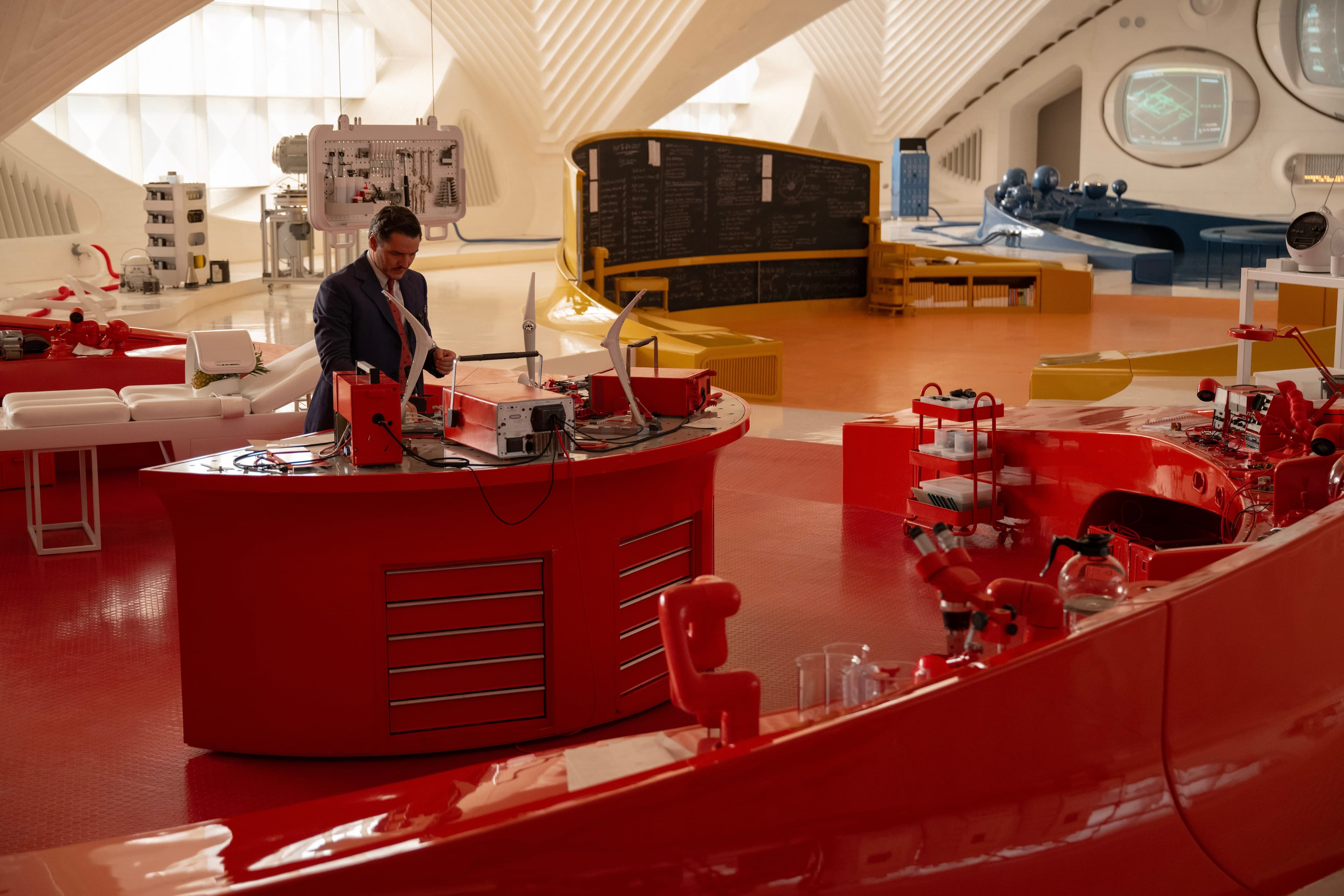
Production Design and Practical Set Construction
A substantial portion of a high-tier production budget goes toward art direction, set decoration, and physical construction. For The Fantastic Four: First Steps, creating a believable mid-century futuristic aesthetic involves building expansive physical stages.
- Physical Sound Stages: Constructing tangible environments reduces the reliance on green screens during principal photography, providing actors with spatial realism.
- Period-Accurate Technology: Reimagining 1960s technology through a futuristic lens requires custom prop engineering rather than off-the-shelf rental items.
- Costume Fabrication: Designing the team's iconic blue suits with a texture and material that honors the source material while fitting the retro-futuristic tone demands specialized textile manufacturing.
Physical builds reduce downstream digital cleanup work, but they require high upfront capital. The production's financial allocation determines whether entire environments are built physically or supplemented by virtual production volumes, such as LED stages.
| Production Department | Financial Focus | Impact on Final Look |
|---|---|---|
| Set Design | Custom 1960s retro-futuristic architecture | Establishes the distinct visual identity of the alternate timeline. |
| Costumes | Specialized technical fabrics for suits | Balances comic-book fidelity with practical comfort for stunt work. |
| Special Effects (SFX) | On-set mechanical rigs and practical explosions | Enhances actor performances by reacting to tangible physical forces. |
Visual Effects (VFX) Allocation and Post-Production Schedules
The presence of super-powered characters—ranging from a stretchy leader and an invisible partner to a human torch and a rock-like powerhouse—requires a heavy investment in digital effects. The budget dictates not only the hiring of premier VFX vendors but also the duration of the post-production window.
Sufficient funding allows studios to avoid late-stage crunch periods that frequently compromise digital rendering quality. By distributing financial resources effectively across pre-production and post-production, the creative team can lock in visual effects designs early. This prevents costly mid-stream reshoots and ensures that characters like The Thing—often rendered through performance capture or complex CGI pipelines—maintain visual consistency throughout the narrative arc.
Talent Management, Crew Scale, and Location Shooting
Blockbuster budgets are heavily influenced by human capital, encompassing top-tier acting talent, below-the-line crew members, and logistical support for location shoots.
- Principal Cast Retention: Securing an ensemble cast of recognized actors for multi-picture agreements requires substantial upfront commitments.
- Crew Depth: Maintaining specialized departments for stunts, pyrotechnics, and technical engineering scales the daily operational burn rate of the production.
- Location vs. Soundstage: Balancing local tax incentives with the creative necessity of specific geographic backdrops influences the net efficiency of the funds spent.
Financial constraints force producers to weigh the creative benefits of location shooting against the controlled environments of studio lots, directly impacting the scope and scale of action sequences.
Frequently Asked Questions
How does the budget of a period-set superhero film differ from a contemporary one?
Period-setting superhero films typically require higher initial investments in art direction, wardrobe, and prop fabrication because existing modern infrastructure cannot be used as a backdrop without extensive modification. Every vehicle, sign, and costume must be custom-made or sourced to fit the specific historical or alternate-history era.
Why do visual effects costs consume a large portion of tentpole budgets?
Characters with non-human physics, energy manipulation, or changing anatomy require continuous digital manipulation across thousands of frames. The cost scales with the complexity of lighting interactions between digital characters and real-world environments.
What role do tax incentives play in managing blockbusters like The Fantastic Four: First Steps?
Productions frequently choose shooting locations based on regional tax credits and rebates. These financial incentives offset high infrastructure costs, allowing studios to redirect funds toward creative elements like set design and extended post-production schedules.
How does early budget planning affect the post-production timeline?
Proper early financial allocation ensures that visual effects vendors are contracted well in advance, reducing the need for rushed digital rendering. This structured workflow helps maintain visual quality and minimizes expensive last-minute alterations.
Strategic Production Next Steps
For industry analysts and observers tracking the development of The Fantastic Four: First Steps, monitoring the balance between physical builds and digital environments provides insight into how modern studios navigate rising production costs. Evaluating how financial resources are distributed across physical art departments and digital pipelines reveals the operational realities behind major comic book adaptations.
Image Gallery