How Much Does It Cost to Become a Registered Nurse? Complete Expense Breakdown
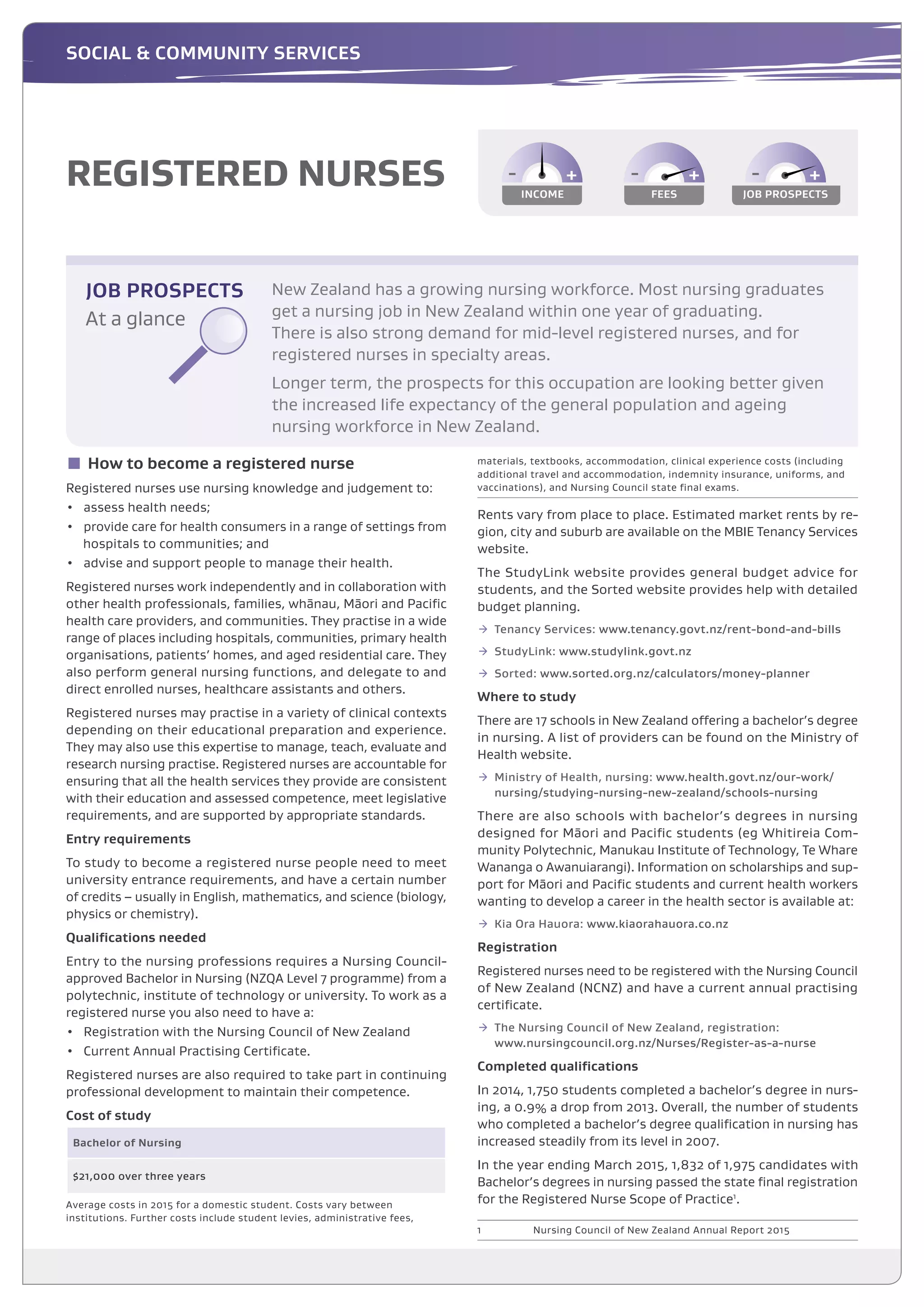
Becoming a registered nurse (RN) costs between $6,000 and $100,000+, depending primarily on the educational pathway, institution type, and geographic location. An Associate Degree in Nursing (ADN) from a public community college repres...
Becoming a registered nurse (RN) costs between $6,000 and $100,000+, depending primarily on the educational pathway, institution type, and geographic location. An Associate Degree in Nursing (ADN) from a public community college represents the most affordable option, averaging $6,000 to $20,000, whereas a four-year Bachelor of Science in Nursing (BSN) at a private university can exceed $100,000. Beyond tuition, mandatory equipment, clinical clearances, software subscriptions, and licensing fees add $1,500 to $3,500 in out-of-pocket expenses.
Contents
Core Educational Pathways and Tuition Breakdown
The total expenditure required to enter the nursing profession is heavily dictated by the academic credentials earned prior to taking the national licensing examination. Prospective nurses generally choose between three foundational educational tracks: an Associate Degree in Nursing (ADN), a traditional Bachelor of Science in Nursing (BSN), or an Accelerated Bachelor of Science in Nursing (ABSN).
1. Associate Degree in Nursing (ADN)
- Typical Duration: 2 to 3 years (including prerequisite coursework)
- Average Total Tuition: $6,000 – $20,000
- Best Suited For: Students seeking the fastest, most cost-effective path to clinical practice.
Offered primarily by public community colleges and vocational institutions, the ADN pathway focuses strictly on core nursing concepts, anatomy, physiology, microbiology, and clinical practice hours. Tuition at community colleges is typically assessed per credit hour, making this option significantly lower in cost than four-year universities.
While an ADN allows graduates to sit for the National Council Licensure Examination for Registered Nurses (NCLEX-RN) and obtain full licensure, many healthcare networks—particularly Magnet-designated hospitals—increasingly prefer or require a BSN. Consequently, many ADN graduates later enroll in an online or hybrid RN-to-BSN bridge program, which typically costs an additional $8,000 to $18,000 and is frequently offset by employer tuition reimbursement.
2. Bachelor of Science in Nursing (BSN)
- Typical Duration: 4 years
- Average Total Tuition: $30,000 – $60,000 (In-State Public) | $80,000 – $120,000+ (Out-of-State / Private)
- Best Suited For: Traditional undergraduate students seeking comprehensive clinical, leadership, research, and public health training.
A traditional BSN combines liberal arts education with advanced nursing science, leadership, evidence-based practice, and community health training. Public state universities offer reduced tuition rates for resident students, while private universities charge uniform tuition regardless of state residency.
Because hospitals actively pursue Magnet status awarded by the American Nurses Credentialing Center, holding a BSN offers broader career mobility, higher entry-level hiring preference, and mandatory baseline qualification for specialized roles, clinical nurse leadership, or advanced practice registered nursing (APRN) graduate programs.
3. Accelerated Bachelor of Science in Nursing (ABSN)
- Typical Duration: 11 to 18 months
- Average Total Tuition: $25,000 – $70,000
- Best Suited For: Individuals who already hold a bachelor’s degree in a non-nursing field.
Designed for career changers, ABSN programs compress a full four-year nursing curriculum into an intensive full-time schedule. Because these programs run continuously through summer terms and require fast-paced clinical rotations, students are generally advised not to work while enrolled. While the upfront tuition per semester is high, the condensed timeline reduces long-term living expenses and allows graduates to enter the nursing workforce much sooner.
Mandatory Out-of-Pocket Expenses Beyond Tuition
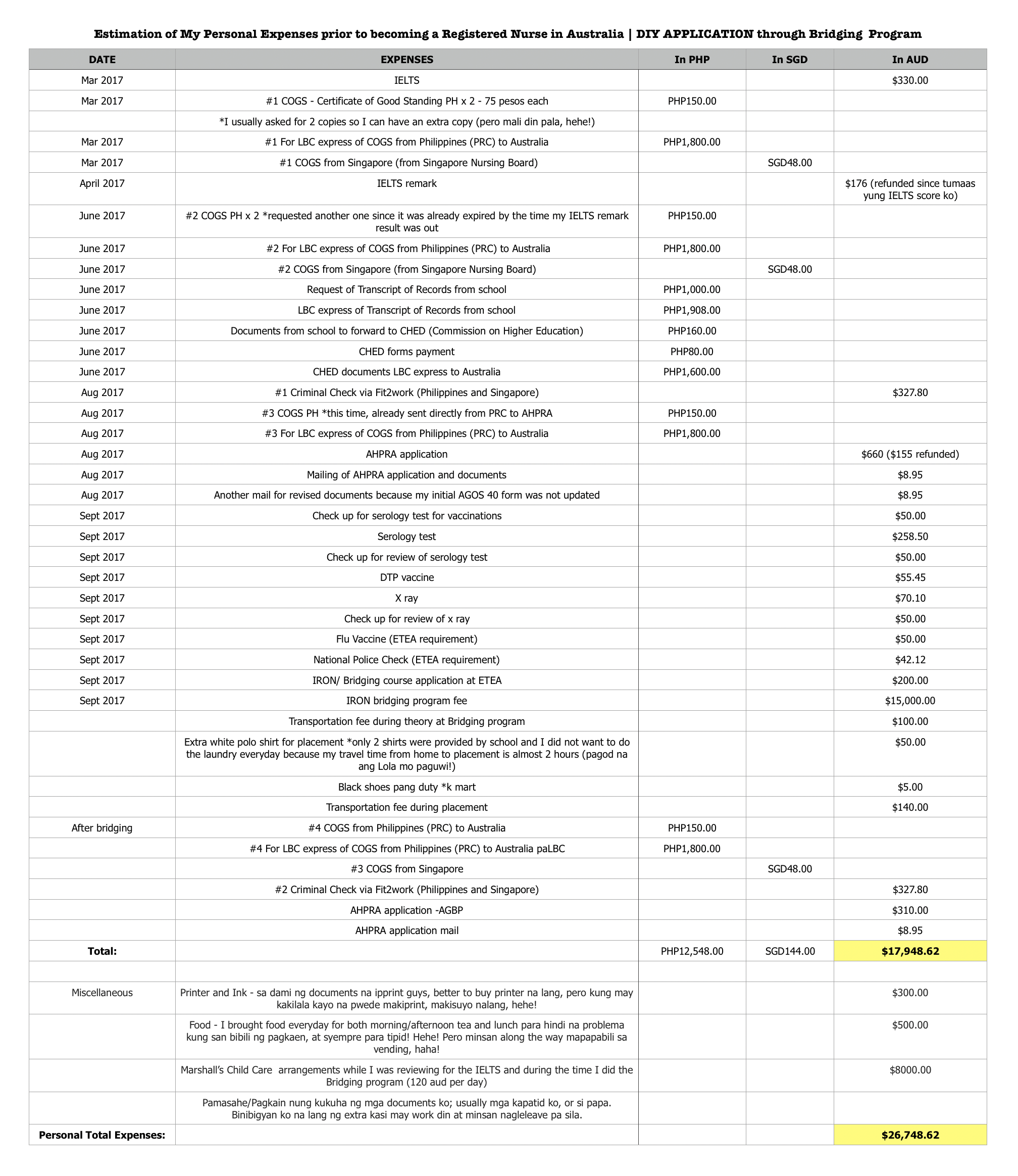
Tuition fees rarely reflect the true total cost of completing a nursing program. Nursing education involves specialized supplies, continuous clinical compliance verification, administrative fees, and standardized testing software that students must pay out of pocket.
| Estimated Non-Tuition Costs | Cost |
|---|---|
| Textbooks & Digital Codes | $1,000 – $3,000 |
| Uniforms, Shoes & Gear | $250 – $600 |
| Clinical Testing & Software | $500 – $1,500 |
| Medical Screenings & Titers | $150 – $500 |
| Background Checks & Drug Screens | $80 – $200 |
| TOTAL ESTIMATED INDIRECT COSTS | $1,980 – $5,800 |
Textbooks and Digital Resource Codes
Nursing curricula rely heavily on updated clinical manuals, drug guides, diagnostic reference books, and interactive online learning portals. Many publishers bundling digital access codes for adaptive quizzing require single-user licenses that cannot be purchased second-hand. Students should budget between $500 and $1,500 per academic year for books and software access.
Clinical Equipment and Uniforms
Clinical rotations require specific attire and personal medical tools. Most nursing programs enforce strict dress codes, requiring designated program-branded scrubs, patches, and clinical-grade footwear.
- Scrub Sets (2–3 pairs): $80 – $180
- Clinical Footwear (Fluid-resistant support shoes): $70 – $150
- Stethoscope (Diagnostic grade, e.g., Littmann Classic III): $90 – $140
- Bandage Scissors, Penlights, Medical Watch, and Gait Belt: $40 – $70
Clinical Compliance, Immunizations, and Screenings
Before stepping into a hospital or clinical site, nursing students must pass stringent health and security clearances mandated by clinical affiliate facilities.
- Immunization Updates & Antibody Titers: Hospitals require proof of immunity for Hepatitis B, MMR, Varicella, Tdap, annual Influenza, and Tuberculosis (TB) skin or blood testing. Depending on insurance coverage, out-of-pocket costs range from $50 to $300.
- Background Checks and Fingerprinting: Multi-state criminal background screenings and FBI fingerprint clearances are mandatory prior to clinical placement, costing $50 to $120.
- Drug Screenings: Panel drug screenings required prior to program start and clinical rotations cost $30 to $70 per test.
- Basic Life Support (BLS) Certification: American Heart Association (AHA) CPR certification for Healthcare Providers is mandatory and costs $60 to $110, requiring renewal every two years.
Standardized Testing and Remediation Software
Most accredited programs incorporate standardized preparation software—such as ATI (Assessment Technologies Institute) or HESI (Health Education Systems, Inc.)—throughout the curriculum to predict and enhance NCLEX-RN success rates. Fees for these integrated learning suites typically range from $300 to $600 per semester, often billed directly to the student invoice.
Licensure and Examination Fees
Graduating from an accredited nursing program confers an academic degree, but practicing as an RN requires state licensure. Costs associated with taking the national exam and applying to a state board of nursing are set by regulatory bodies and testing services.
| Licensure & Examination Fees | Cost |
|---|---|
| NCLEX-RN Exam Fee (Pearson VUE) | $200 |
| State Board of Nursing Application | $75 – $300 |
| Licensure Fingerprinting Fee | $40 – $90 |
| NCLEX Review Course (Optional) | $150 – $500 |
| TOTAL LICENSURE COST RANGE | $465 – $1,090 |
- NCLEX-RN Registration Fee: The official computer-adaptive test is administered via Pearson VUE under the governance of the National Council of State Boards of Nursing (NCSBN). Registration costs $200 per attempt for candidates seeking licensure within the United States.
- State Board of Nursing Application Fee: Every state charges an administrative fee to process authorization to test (ATT) and issue an RN license. Application fees range from $75 (e.g., Minnesota) to $300+ (e.g., California).
- Licensure Background & Fingerprint Fees: State boards require dedicated live-scan fingerprinting for state and federal background checks prior to issuing a license, costing between $40 and $90.
- NCLEX Prep Courses (Optional): While not mandatory, a vast majority of graduates enroll in commercial board preparation courses (such as UWorld, Kaplan, or NurseAchieve). Comprehensive prep subscriptions range from $150 to $500.
Cost Comparison Matrix by Educational Pathway
The following matrix provides a breakdown of realistic financial ranges across different pathways to becoming a Registered Nurse.
| Educational Pathway | Typical Program Length | Estimated Tuition Range | Estimated Indirect Costs | Licensure & Exam Costs | Total Estimated Investment Range |
|---|---|---|---|---|---|
| ADN (Community College) | 2 – 3 Years | $6,000 – $20,000 | $1,500 – $3,000 | $465 – $700 | $7,965 – $23,700 |
| BSN (Public University, In-State) | 4 Years | $30,000 – $60,000 | $3,000 – $5,500 | $465 – $700 | $33,465 – $66,200 |
| BSN (Private University) | 4 Years | $80,000 – $140,000+ | $4,000 – $6,500 | $465 – $700 | $84,465 – $147,200+ |
| Accelerated BSN (Second Degree) | 11 – 18 Months | $25,000 – $70,000 | $2,000 – $4,000 | $465 – $700 | $27,465 – $74,700 |
| RN-to-BSN Bridge (Post-ADN) | 6 – 18 Months | $8,000 – $18,000 | $500 – $1,200 | N/A (Already Licensed) | $8,500 – $19,200 |
Note: Figures above exclude personal living expenses such as housing, transportation, food, and health insurance.
Strategies to Reduce the Financial Burden
Given the significant investment required, students can leverage several targeted funding opportunities and strategic choices to minimize debt.
1. The Community College to BSN Bridge Path
The most cost-effective method to secure a BSN is completing an ADN at an affordable public community college, passing the NCLEX-RN to secure employment as a staff nurse, and having an employer fund an online RN-to-BSN bridge program. Most hospital networks provide $3,000 to $5,250 per year in tax-free tuition assistance under IRS guidelines, allowing nurses to earn their bachelor's degree with minimal out-of-pocket spending.
2. Federal and State Loan Forgiveness Programs
Nurses working in underserved areas or public safety-net institutions can access robust debt relief:
- HRSA Nurse Corps Scholarship and Loan Repayment Program: Administered by the U.S. Health Resources & Services Administration, the Nurse Corps Loan Repayment Program pays up to 60% of a registered nurse’s qualifying nursing educational debt in exchange for two years of full-time service at a Critical Shortage Facility (CSF). An additional 25% of original debt can be paid for a third year of service.
- Public Service Loan Forgiveness (PSLF): Registered nurses employed full-time by eligible non-profit hospitals, public health entities, or government organizations can qualify for total tax-free federal loan forgiveness after making 120 qualifying monthly payments under an income-driven repayment plan via Federal Student Aid.
3. Service-Based Military Scholarships
- F. Edward Hébert Military Medical Corps / ROTC Nursing Scholarships: The U.S. Army, Navy, and Air Force offer dedicated ROTC nursing scholarships that pay full college tuition, textbook allowances, and monthly stipends in exchange for an active-duty military service obligation upon graduation.
Frequently Asked Questions
Can I work full-time while going to nursing school?
Working full-time is extremely difficult during traditional BSN and ABSN programs due to demanding clinical hours, unpredictable shift schedules (including 12-hour day or night shifts), intensive lab hours, and heavy study workloads. Many ADN students work part-time or hold flexible positions (such as Certified Nursing Assistant or Emergency Room Tech) during their prerequisites, but most reduce their hours once core clinical coursework begins.
What is the cheapest way to become a registered nurse?
The lowest-cost pathway is earning an Associate Degree in Nursing (ADN) at an in-state public community college. Total tuition for an ADN often costs under $10,000. After passing the NCLEX-RN and entering the workforce, you can enroll in an employer-sponsored online RN-to-BSN program, effectively obtaining a bachelor's degree at a fraction of standard university costs.
Are nursing clinical rotations paid?
No, nursing clinical rotations are unpaid academic requirements mandatory for state board eligibility and degree completion. Students work under the direct supervision of a clinical instructor or preceptor nurse at partner healthcare facilities to gain practical experience without financial compensation.
How much does it cost if you fail the NCLEX-RN and have to retake it?
Retaking the NCLEX-RN requires paying the $200 registration fee to Pearson VUE again, along with potential state board re-examination processing fees (typically $50 to $150, depending on state regulations). Most states mandate a 45-day waiting period between exam attempts.
Actionable Next Steps for Prospective Nursing Students
- Evaluate Local Community Colleges vs. Universities: Calculate the exact cost-per-credit hour at accredited local institutions. Verify program accreditation through the Accreditation Commission for Education in Nursing (ACEN) or the Commission on Collegiate Nursing Education (CCNE).
- Complete Prerequisites at Low-Cost Institutions: If pursuing a four-year BSN, verify transfer equivalency guides and complete foundational science prerequisites (Anatomy, Physiology, Microbiology) at a local community college before transferring to a university.
- Submit the FAFSA Early: Fill out the Free Application for Federal Student Aid (FAFSA) as early as possible to determine eligibility for federal Pell Grants, subsidized loans, and institutional scholarships.
- Research Hospital Tuition Assistance Policies: If considering an ADN, research major healthcare networks in your target region to confirm if they hire ADN graduates and offer tuition reimbursement for subsequent RN-to-BSN completion.
Disclaimer: Nursing education costs, licensing guidelines, and financial aid structures vary widely across states and individual institutions. Always consult target academic institutions and State Boards of Nursing directly for official, current fee structures.
Image Gallery