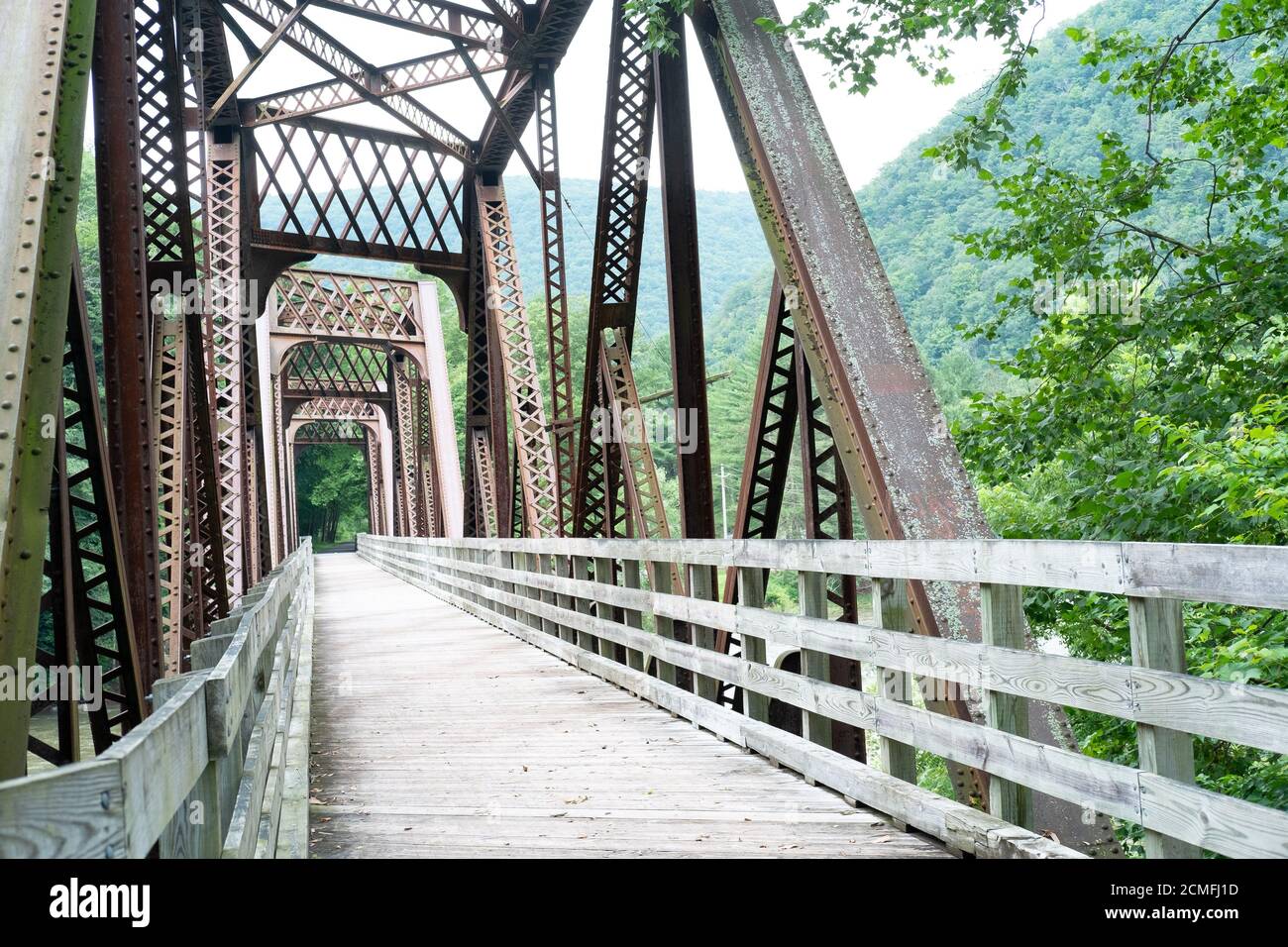
Pine Valley Creek Bridge Deaths: A Rising Concern Regarding Infrastructure and Public Safety
The Pine Valley Creek Bridge, an iconic engineering feat spanning a deep canyon in San Diego County, has become a focal point of public concern due to a recurring pattern of fatalities and incidents. As a critical artery for Interstate...
The Pine Valley Creek Bridge, an iconic engineering feat spanning a deep canyon in San Diego County, has become a focal point of public concern due to a recurring pattern of fatalities and incidents. As a critical artery for Interstate 8, the structure faces ongoing challenges related to traffic safety, suicide prevention, and environmental hazards, prompting calls from local residents and safety advocates for enhanced intervention measures.
Contents
Understanding the Structural Significance and Location
The Pine Valley Creek Bridge, often referred to as the Pine Valley Bridge, is a segmental box girder bridge located on Interstate 8 in the Cleveland National Forest, California. Completed in 1974, it stands as one of the tallest bridges in the United States, soaring approximately 450 feet above the canyon floor. Its scale and remote mountain setting make it a landmark for commuters traveling between San Diego and Imperial County.
However, its height and accessibility are inextricably linked to its status as a site of recurring tragedies. The "rising concern" surrounding the bridge stems from the intersection of its physical prominence and the relative lack of restrictive infrastructure designed to prevent falls. Because the bridge is a high-speed transit corridor, safety planning has historically focused on vehicle throughput rather than pedestrian-centric suicide deterrence or fall prevention.
Factors Contributing to Safety Concerns
The concerns regarding fatalities at the Pine Valley Creek Bridge can be categorized into three primary areas: vehicle-related safety, intentional self-harm, and the challenges of emergency response in a remote, high-altitude environment.
Vehicle Safety and High-Speed Transit
Interstate 8 in this region is characterized by steep grades, sharp curves, and variable weather conditions, including heavy fog and occasional snow. The bridge itself features shoulders that, while meeting the standards of the era in which it was built, are narrow by modern safety benchmarks. Vehicles experiencing mechanical failure or drivers suffering from medical emergencies may find themselves in precarious positions where the only barrier between the road and the canyon is a standard concrete safety barrier.
The Challenge of Deterrence
For decades, the bridge has been recognized as a site for intentional incidents. The height and the nature of the drop create a situation where conventional fencing, often seen on urban overpasses, may not be sufficient or structurally feasible due to wind loads and the design of the bridge’s railings. Balancing the need for aesthetic preservation of the mountain landscape with the ethical imperative to install barriers remains a complex policy debate involving Caltrans (the California Department of Transportation), local law enforcement, and mental health advocacy groups.
Emergency Response Limitations
The geography of Pine Valley Creek creates significant friction for first responders. In the event of a fall or a major collision, the time required to reach the canyon floor—or to deploy rope-rescue teams—is substantial. Unlike urban transit routes, this location is isolated, meaning that the "golden hour" for trauma care is often compromised by the physical reality of the terrain.
Comparison of Mitigation Strategies
Addressing safety at a location like the Pine Valley Creek Bridge requires evaluating various engineering and social interventions. The following table outlines standard approaches used for high-structure safety management.
| Strategy | Mechanism | Primary Advantage | Primary Challenge |
|---|---|---|---|
| Physical Barriers | High-tension fencing or mesh | Immediate physical deterrent | Wind load, aesthetic concerns |
| Surveillance | Remote monitoring/AI detection | Rapid response notification | Privacy concerns, high costs |
| Signage | Crisis intervention phone signs | Prompts help-seeking behavior | Limited effectiveness for crisis |
| Patrols | Increased CHP presence | Deterrence and rapid response | Resource-intensive, staffing |
The Role of Caltrans and Policy Frameworks
As of 2026, the management of safety protocols at the Pine Valley Creek Bridge remains under the jurisdiction of Caltrans District 11. Policy changes regarding safety infrastructure on state-owned bridges must adhere to strict Federal Highway Administration (FHWA) guidelines. Any proposed modification, such as the installation of anti-climb fencing, must undergo a rigorous environmental impact study to ensure that the structure's integrity is not compromised by wind forces or added weight.
Advocates argue that the "rising concern" is supported by data from the San Diego County Medical Examiner’s Office, which has tracked incidents at this specific landmark over several years. The core of the policy argument is whether the bridge should be classified as a "high-risk location" that necessitates federal or state-funded safety retrofits. Current progress is often slowed by the multi-jurisdictional nature of the area, which involves the U.S. Forest Service, Caltrans, and local San Diego law enforcement agencies.
Addressing the Mental Health Component
Public discourse regarding the bridge often centers on the importance of mental health outreach. While infrastructure changes can physically prevent incidents, they do not address the underlying crisis that brings individuals to the location.
Local community groups in Pine Valley have increasingly pushed for a comprehensive approach that includes:
- Public Awareness Campaigns: Targeted efforts to place mental health resources in locations visible to travelers in the San Diego mountain regions.
- First Responder Training: Specialized training for California Highway Patrol (CHP) and fire departments on negotiating with individuals in crisis at high-altitude, unstable locations.
- Multi-Agency Coordination: Establishing a formalized protocol for monitoring the bridge, particularly during times of economic or social stress when incident rates typically trend upward.
Practical Guidance for Travelers and Concerned Citizens
If you are a resident or a frequent traveler in the Pine Valley area and are concerned about safety on the bridge, there are constructive ways to participate in the ongoing conversation:
- Support Mental Health Infrastructure: Contact your local representative to advocate for funding that supports crisis intervention services in rural East San Diego County.
- Report Concerns: If you observe suspicious activity or individuals in distress on the bridge, prioritize safety by calling 911 immediately. Do not attempt direct intervention if it risks your own safety or interferes with traffic.
- Stay Informed: Monitor official reports from the San Diego County Board of Supervisors and Caltrans District 11 regarding infrastructure updates or public safety hearings.
Frequently Asked Questions
Are there currently physical barriers on the Pine Valley Creek Bridge? No, the bridge does not feature specialized anti-climb fencing. The current safety measures consist of standard concrete barriers designed primarily for vehicular traffic protection.
Why is it difficult to install fencing on this specific bridge? The bridge is subject to extreme wind conditions. Engineering, adding weight and wind resistance to the existing structure, requires significant structural reinforcement that may exceed the original design capacity of the 1974-era bridge.
Who manages the safety of the Pine Valley Creek Bridge? Caltrans District 11 is the primary agency responsible for the maintenance and safety engineering of the bridge. The California Highway Patrol (CHP) is responsible for patrolling the roadway and responding to incidents.
What should I do if I see someone in distress on the bridge? If you see someone in distress, pull over safely if possible, but prioritize your safety. Call 911 immediately. Provide the exact location, identifying the bridge as being on Interstate 8, and describe the individual's position as clearly as possible without approaching them.
Has the government committed to new safety measures in 2026? As of 2026, no major structural overhauls have been finalized. The issue remains a subject of ongoing dialogue between local advocacy groups and state transportation officials, with a focus on evaluating both cost-effective fencing solutions and improved emergency response coordination.
Recommendation for Next Actions
The rising concern surrounding the Pine Valley Creek Bridge highlights the need for a collaborative strategy. For those invested in this issue, the most effective path forward is participating in local town council meetings where transportation infrastructure is discussed. Engaging with local mental health non-profits also ensures that the broader issue—the human element—is addressed with the same urgency as the structural integrity of the bridge. By prioritizing both physical safety measures and community-based mental health initiatives, the regional authorities can work toward reducing the frequency of these incidents.
Image Gallery