Understanding UnitedHealth Part D Plans: Coverage, Costs, and Enrollment
Navigating UnitedHealth Part D prescription drug plans requires understanding how formularies, tier structures, premium costs, and pharmacy networks interact to cover outpatient medications for Medicare beneficiaries. These plans, ofte...
Navigating UnitedHealth Part D prescription drug plans requires understanding how formularies, tier structures, premium costs, and pharmacy networks interact to cover outpatient medications for Medicare beneficiaries. These plans, often offered in collaboration with AARP, function independently or alongside Medicare Advantage policies to reduce out-of-pocket prescription expenses.
Contents
Introduction to Medicare Part D and UnitedHealth's Role
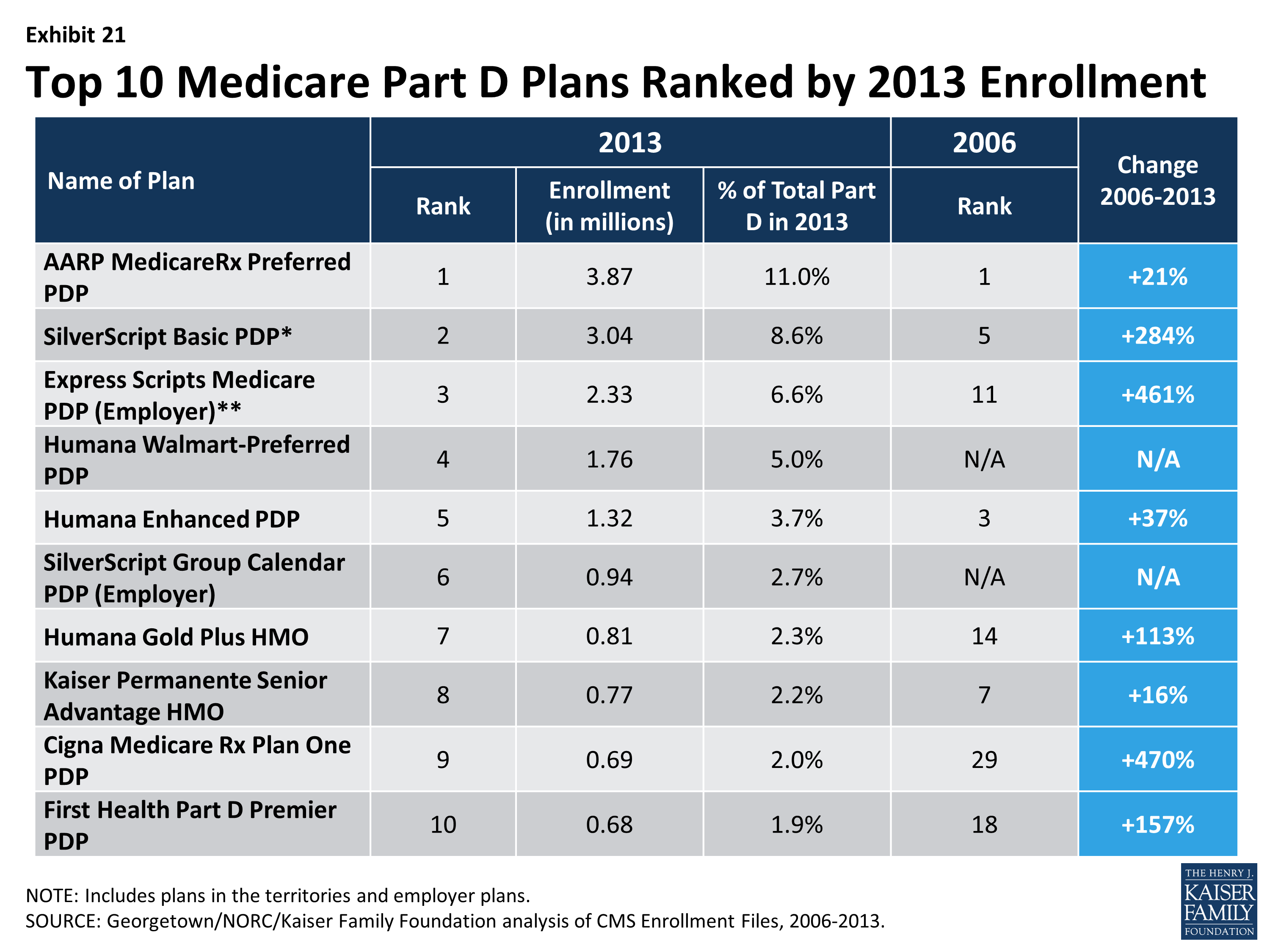
Medicare Part D is a federally regulated program administered by private insurance companies approved by the Centers for Medicare & Medicaid Services (CMS). UnitedHealthcare (UHC) is one of the largest providers of these standalone prescription drug plans (PDPs) in the United States, frequently co-branded with AARP. For individuals enrolled in Original Medicare or certain Medicare Advantage plans that do not include drug coverage, purchasing a standalone Part D plan helps bridge the gap in healthcare financing by covering routine and specialized pharmaceutical therapies.
Understanding how these plans operate involves examining several core components: formulary lists, tiered pricing, pharmacy network status, and annual phases of coverage. Because prescription drug needs vary significantly across the aging population, UnitedHealth structures its offerings into distinct tiers to balance comprehensive medical support with predictable monthly budgeting.
Note: This guide is for informational purposes and does not constitute formal financial, legal, or medical advice. Beneficiaries should consult official government resources or licensed insurance advisors regarding personal healthcare decisions.
Core Components of UnitedHealth Prescription Drug Plans
When evaluating a UnitedHealth Part D plan, beneficiaries must look closely at the formulary. A formulary is the list of prescription medications covered by the plan. UnitedHealth updates its formulary annually to reflect new pharmaceutical developments, generic drug introductions, and shifting market costs. Medications on the formulary are categorized into tiers, which directly dictate the copayment or coinsurance amount a policyholder pays at the pharmacy counter.
Understanding Drug Tiers
UnitedHealth Part D plans typically organize medications into distinct tiers. Lower tiers generally feature generic drugs, while higher tiers accommodate brand-name and specialty medications.
- Tier 1 (Preferred Generic): Usually offers the lowest out-of-pocket costs for commonly used generic medications.
- Tier 2 (Generic): Includes other generic drugs that may not have preferred status but remain economical.
- Tier 3 (Preferred Brand): Consists of brand-name drugs that do not have a generic equivalent, carrying moderate copayments.
- Tier 4 (Non-Preferred Drug): Features higher-cost brand and generic drugs where preferred alternatives may exist.
- Tier 5 (Specialty Tier): Reserved for high-cost, complex, or biotechnology medications, often requiring coinsurance rather than a flat copayment.
Pharmacy Networks and Preferred Providers
UnitedHealth maintains a vast network of retail and mail-order pharmacies. However, plans often distinguish between standard network pharmacies and preferred network pharmacies. Utilizing preferred retail locations or the designated home-delivery service typically yields lower copayments and coinsurance rates. Before finalizing enrollment, beneficiaries should verify that their local pharmacy participates in the specific UHC plan network to avoid unexpected retail costs.
Financial Structures: Premiums, Deductibles, and Stages
Managing healthcare expenses requires a clear view of how Part D financial mechanics function. UnitedHealth plans involve multiple distinct cost vectors that change over the course of a calendar year.
Monthly Premiums and Annual Deductibles
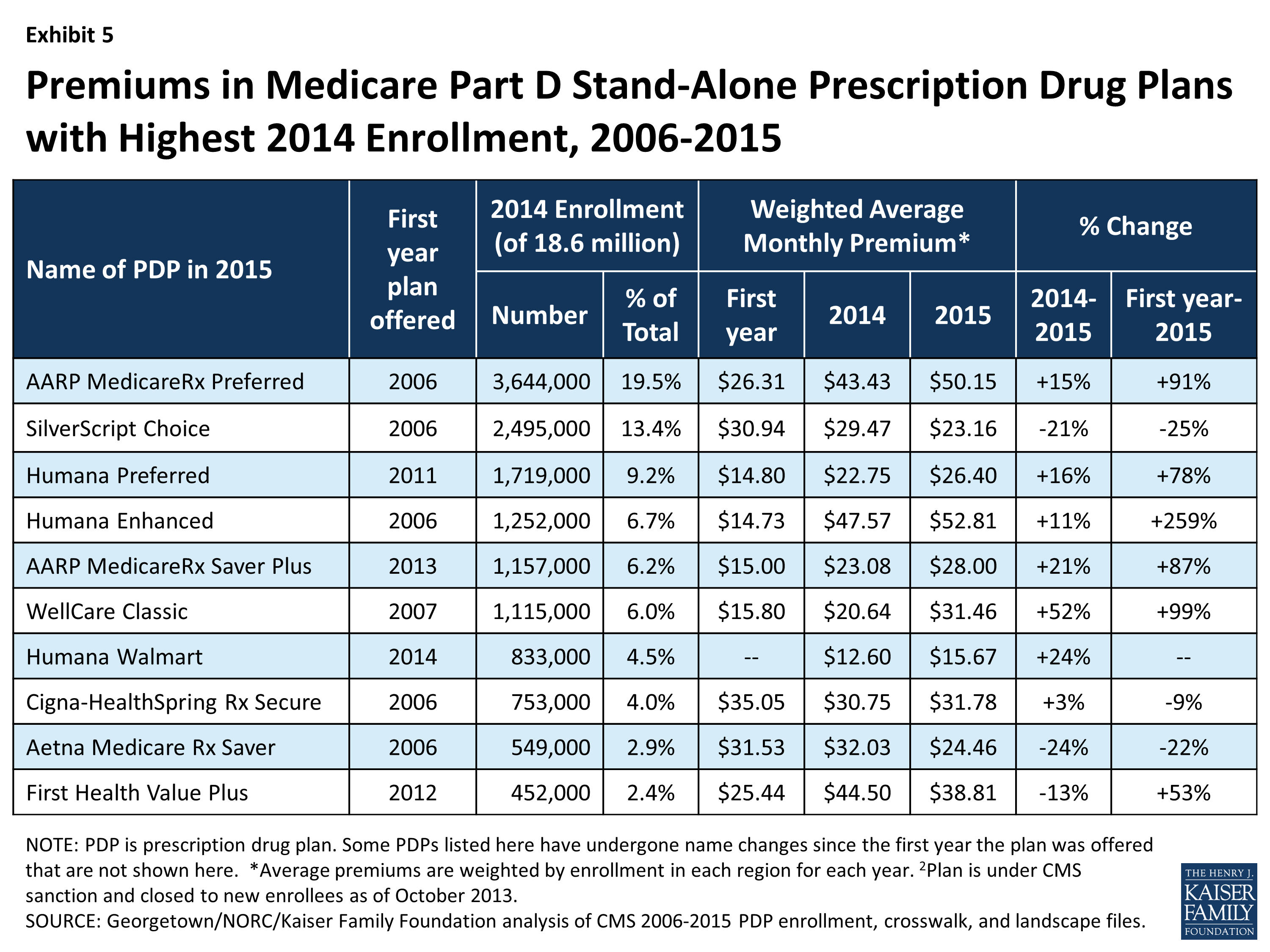
Enrollees pay a monthly premium to maintain coverage, which varies depending on the specific plan tier chosen (e.g., AARP MedicareRx Preferred versus AARP MedicareRx Saver). In addition to the premium, many plans enforce an annual deductible—the amount a policyholder must pay out-of-pocket for medications before the insurance plan begins sharing costs. Under standard CMS guidelines, Part D deductibles cannot exceed the statutory maximum set for the given year, though some UnitedHealth plans waive the deductible entirely for lower-tier generics.
The Stages of Part D Coverage
Part D benefits progress through structured phases, each modifying how costs are calculated:
- Deductible Phase: The policyholder pays 100% of prescription costs until the annual deductible is met.
- Initial Coverage Phase: The plan pays its share of the drug costs, and the beneficiary pays a copayment or coinsurance until total drug costs (what both the plan and the individual have spent) reach the statutory limit.
- Coverage Gap (Donut Hole): While legislative adjustments under the Inflation Reduction Act have substantially altered out-of-pocket liabilities in this phase, beneficiaries continue to receive manufacturer discounts and plan coverage until reaching the catastrophic threshold.
- Catastrophic Coverage Phase: Once out-of-pocket spending reaches the annual threshold established by Medicare, the beneficiary pays $0 for covered prescription drugs for the remainder of the calendar year.
| Coverage Phase | Beneficiary Responsibility | Plan Contribution |
|---|---|---|
| Deductible Phase | 100% of drug costs up to deductible limit | $0 until deductible is met |
| Initial Coverage Phase | Copayment or coinsurance per tier | Remaining cost of covered drugs |
| Coverage Gap Phase | Set percentage for brand/generic drugs | Manufacturer discounts + plan share |
| Catastrophic Phase | $0 out-of-pocket for covered medications | 100% of remaining covered drug costs |
Enrollment Periods and Eligibility Requirements
To enroll in a UnitedHealth Part D plan, an individual must be entitled to Medicare Part A and/or enrolled in Medicare Part B, and must reside within the designated service area of the plan. Timing is critical for avoiding financial penalties and coverage gaps.
Initial Enrollment Period (IEP)
The Initial Enrollment Period surrounds an individual's 65th birthday, spanning the seven-month window that begins three months before the birth month, includes the birth month, and extends three months afterward. Enrolling during this window prevents potential late enrollment penalties.
Annual Enrollment Period (AEP)
The Annual Enrollment Period runs from October 15 through December 7 each year. During this timeframe, current Medicare beneficiaries can switch, drop, or enroll in a UnitedHealth Part D plan, with changes taking effect on January 1 of the following year.
Special Enrollment Periods (SEPs)
Life-changing events—such as moving out of a service area, losing employer-sponsored health coverage, or qualifying for Extra Help through Social Security—may trigger a Special Enrollment Period. An SEP allows individuals to modify their prescription drug coverage outside the standard autumn timeline.
Evaluating Plan Options and Common Mistakes
Choosing the right UnitedHealth Part D plan requires balancing current medical requirements with projected healthcare needs for the upcoming year. Neglecting to review annual changes can lead to unexpected out-of-pocket expenses.
Annual Notice of Change (ANOC)
Every September, UnitedHealth sends current members an Annual Notice of Change document detailing modifications to premiums, deductibles, formulary tiers, and network pharmacies for the upcoming year. Reviewing this document ensures that current medications remain covered under favorable terms.
Common Pitfalls to Avoid
- Failing to check the formulary: Assuming a regular medication is covered without verifying its tier placement or prior authorization requirements.
- Ignoring pharmacy network changes: Using a non-preferred pharmacy out of habit, which increases prescription costs.
- Overlooking the late enrollment penalty: Delaying Part D enrollment without having "creditable prescription drug coverage" from an alternative source, such as an employer or union plan, which results in a permanent lifetime surcharge added to the monthly premium.
Frequently Asked Questions
What happens if a prescribed drug is not on UnitedHealth's formulary?
If a required medication is excluded from the formulary, the prescribing physician can request a formulary exception or a coverage determination from UnitedHealth. If approved, the drug will be covered as an exception, or the plan may suggest a clinically appropriate therapeutic alternative listed on a lower tier.
How does Extra Help affect UnitedHealth Part D costs?
The Extra Help program (Low-Income Subsidy), administered by Social Security and Medicare, assists individuals with limited income and resources. Qualifying beneficiaries receive financial assistance that significantly reduces or eliminates monthly premiums, annual deductibles, and prescription copayments under their UnitedHealth Part D plan.
Can I have a UnitedHealth Part D plan with Original Medicare?
Yes. Standalone prescription drug plans from UnitedHealth are specifically designed to pair with Original Medicare (Parts A and B) to cover outpatient prescription medications, which Original Medicare does not typically include.
Do UnitedHealth Part D plans include mail-order delivery?
Most UnitedHealth Part D plans offer home-delivery services through designated mail-order pharmacies. Utilizing mail order often allows beneficiaries to receive a 90-day supply of maintenance medications with reduced shipping costs or lower copayments compared to monthly retail pickups.
Are there penalties for late enrollment in Part D?
Yes. If an individual goes without creditable prescription drug coverage for 63 days or more after their Initial Enrollment Period ends, a late enrollment penalty is permanently added to their monthly Part D premium. This penalty is calculated based on the number of months the individual went without coverage.
Conclusion and Next Actions
Understanding UnitedHealth Part D plans involves assessing personal medication lists, verifying formulary tiers, and selecting network pharmacies that optimize cost efficiency. Beneficiaries should review their current drug regimens against plan formularies during the annual enrollment window and consult official resources such as Medicare.gov or contact UnitedHealthcare directly to verify current plan details, premium rates, and regional availability.
Image Gallery