Navigating Gulfstream Service Centers: Capabilities, Locations, and Operational Standards
Gulfstream service centers provide specialized factory-authorized maintenance, repairs, inspections, and completions for the company’s line of large-cabin, long-range business jets. Operating a fleet of aircraft as advanced as the Gulf...
Gulfstream service centers provide specialized factory-authorized maintenance, repairs, inspections, and completions for the company’s line of large-cabin, long-range business jets. Operating a fleet of aircraft as advanced as the Gulfstream G280, G650, G700, and upcoming G800 requires access to original equipment manufacturer (OEM) expertise, proprietary diagnostic equipment, and certified technical personnel. Understanding the network of these facilities, their specific geographical capabilities, and the regulatory frameworks governing heavy maintenance helps flight departments minimize downtime and maintain compliance.
Contents
Overview of the Gulfstream Service Center Network
The OEM maintains a globally integrated network of company-owned service centers strategically positioned along major international business aviation corridors. These facilities are designed to provide comprehensive support ranging from routine line maintenance to major structural modifications, avionics upgrades, and complete interior refurbishments.
Unlike independent repair stations, factory-owned service centers operate under direct engineering support from Gulfstream’s headquarters in Savannah, Georgia. This direct connection ensures that technicians have immediate access to real-time engineering dispositions, factory-trained structural repair manuals, and proprietary software diagnostic tools. The network encompasses facilities across North America, South America, Europe, and Asia, ensuring that operators can access standardized support regardless of their global operational footprint.
Factory-Owned vs. Authorized Independent Facilities
The support ecosystem is divided into two primary tiers: Gulfstream-owned service centers and Gulfstream Authorized Warranties and Repair facilities.
- Factory-Owned Facilities: These locations are fully integrated into the OEM's supply chain and quality management systems. They handle heavy structural repairs, warranty claims, and complex STC (Supplemental Type Certificate) integrations.
- Authorized Independent Facilities: These are vetted third-party maintenance repair and overhaul (MRO) stations that have met strict OEM criteria to perform specific scheduled inspections and line maintenance tasks on designated aircraft models.
Key Geographical Locations and Capabilities
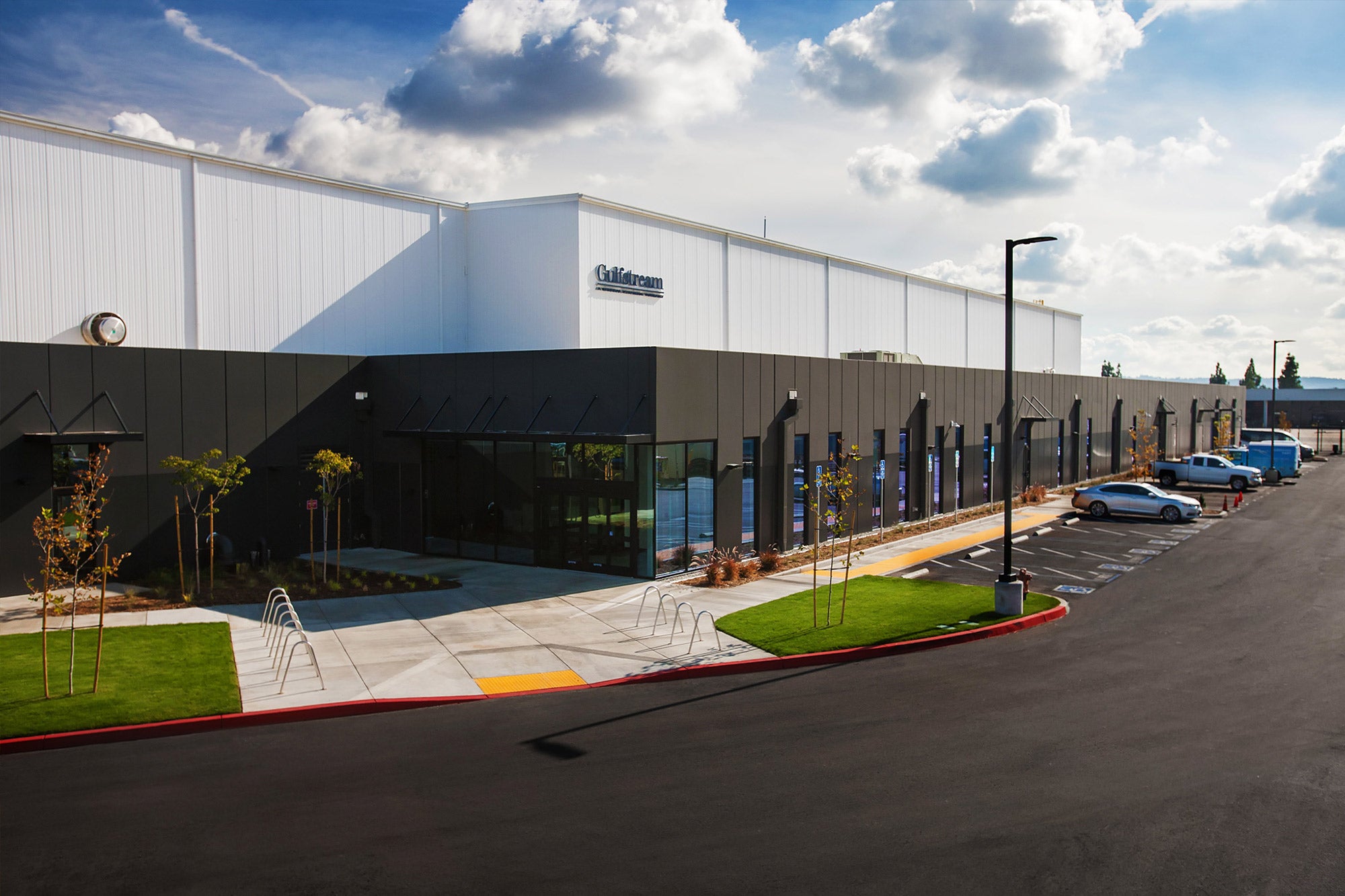
Gulfstream's service footprint spans multiple continents, anchoring its presence near major financial and operational hubs. Each facility varies in square footage, hangar clearance, and specialized tooling based on local airspace demands and regional fleet concentrations.
North American Operations
North America hosts the highest concentration of Gulfstream service centers, reflecting the dominant regional fleet size.
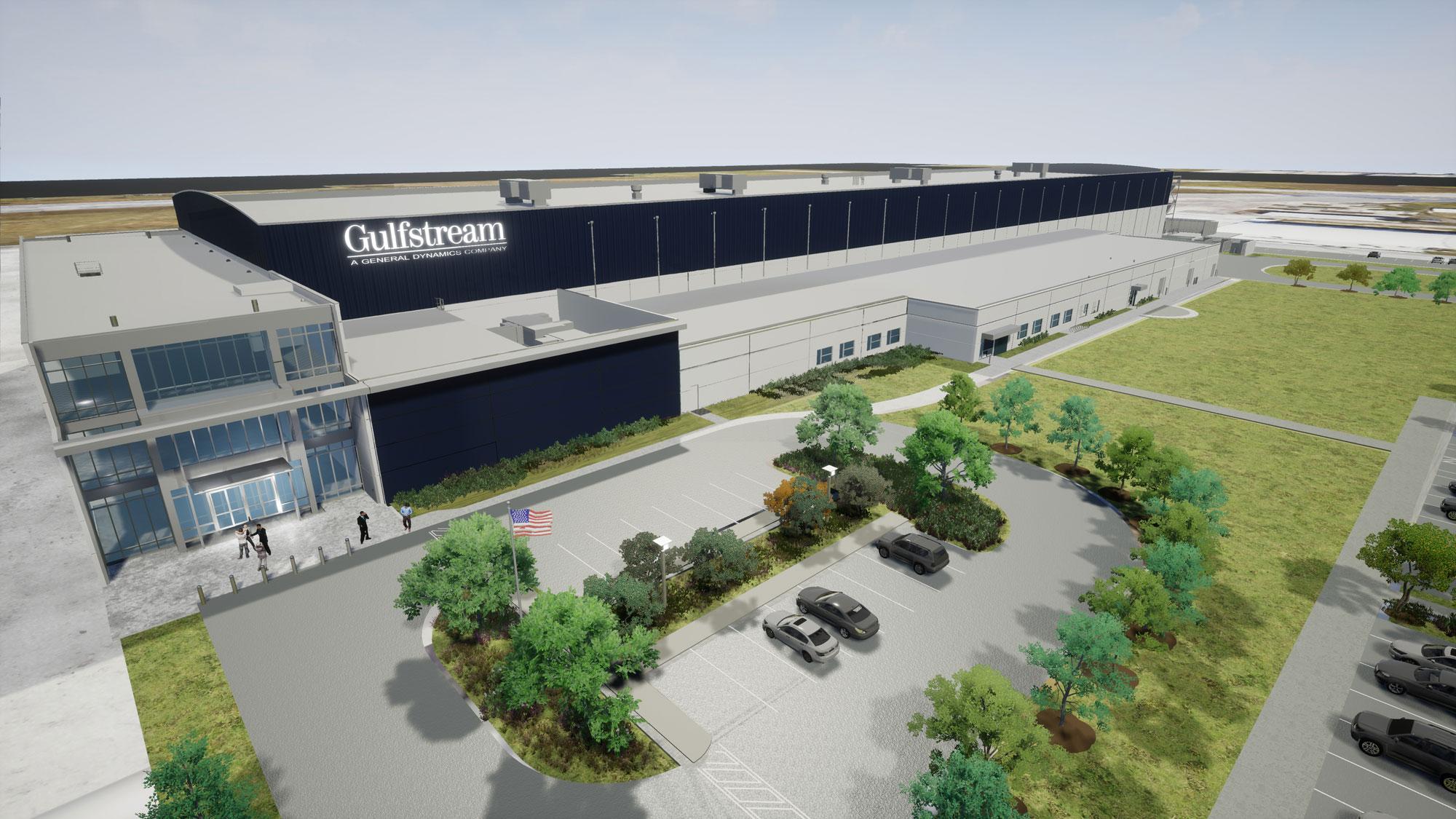
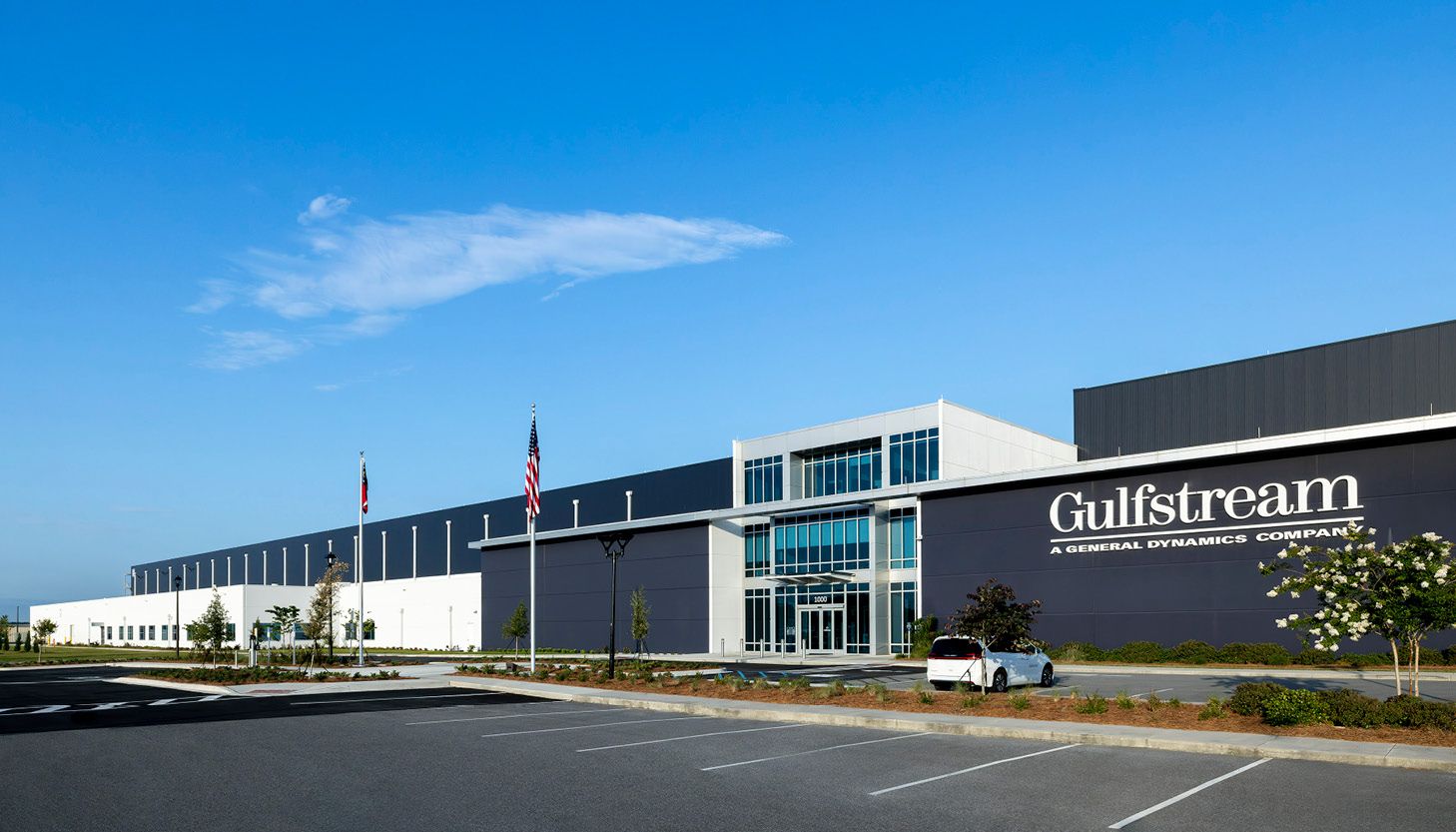
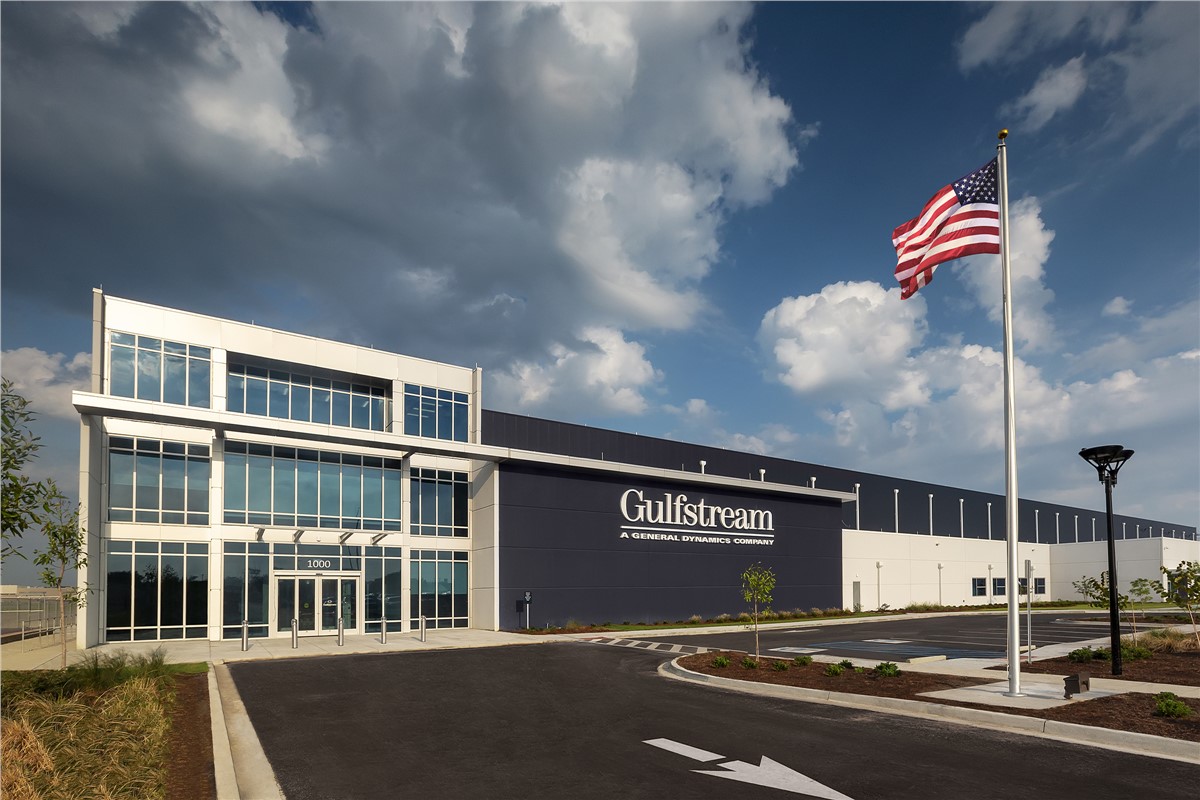
- Savannah, Georgia (KSAV): Serving as the global headquarters, the Savannah facility is the largest in the network. It features extensive hangar space capable of accommodating multiple large-cabin aircraft simultaneously, alongside complete manufacturing and completion centers.
- West Palm Beach, Florida (PBI) & Van Nuys, California (VNY): These high-traffic coastal facilities provide rapid-response line maintenance, AOG (Aircraft on Ground) dispatch support, and mid-level scheduled inspections.
- Dallas, Love Field, Texas (DAL) & Appleton, Wisconsin (ATW): Appleton and Dallas serve as major heavy-maintenance hubs, offering expansive interior completion lines, major structural overhauls, and advanced avionics retrofits.
International Facilities
To support global operations, Gulfstream maintains strategic footholds in Europe and Asia.
- Luton, United Kingdom (LTN): Positioned near London, this facility provides essential heavy maintenance, component repair, and line support for European-based operators, reducing transatlantic positioning flights.
- Farnborough, United Kingdom (FAB): Complements the Luton presence with specialized executive aircraft support and rapid-turnaround capabilities.
- Beijing, China (PKX / Capital Airport area): Offers localized maintenance and regulatory liaison support for the expanding Asia-Pacific fleet, operating in coordination with regional civil aviation authorities.
| Facility Location | Primary Airport Code | Key Capabilities & Specializations |
|---|---|---|
| Savannah, Georgia | KSAV | Global Headquarters, Heavy Maintenance, Completions, Engineering Support |
| Appleton, Wisconsin | KATW | Heavy Structural Repairs, Interior Refurbishments, Avionics Upgrades |
| Van Nuys, California | KVNY | Line Maintenance, AOG Support, Minor Inspections |
| Luton, United Kingdom | EGGW | Heavy Maintenance, Component Repair, European Fleet Support |
| Beijing, China | ZBAD / ZBAA | Regional Line Maintenance, Regulatory Support, AOG Dispatch |
Maintenance Services and Technical Specializations
Gulfstream service centers provide a wide spectrum of technical services tailored to the complex architecture of fly-by-wire business jets. Because modern business aircraft rely heavily on integrated digital flight decks, composite airframe structures, and advanced turbofan engines (such as Rolls-Royce BR725 and Pearl engines), maintenance procedures demand rigorous adherence to OEM specifications.
Scheduled Inspections and Airframe Maintenance
Aircraft inspections are categorized by flight hours, calendar intervals, or cycles. Service centers execute these scheduled milestones—ranging from 100-hour checks to multi-year heavy structural inspections (such as 12-, 24-, and 48-month checks). During these intervals, technicians inspect primary and secondary flight controls, landing gear assemblies, and pressurization vessels using non-destructive testing (NDT) methods like eddy current and ultrasonic inspection.
Avionics Upgrades and Retrofits
As airspace mandates evolve (such as specific ADS-B, FANS 1/A+, and CPDLC requirements), service centers perform certified avionics retrofits. Factory facilities hold the direct data rights and STCs required to integrate software enhancements into avionics suites, such as PlaneView, PlaneView II, and Symmetry Flight Decks, ensuring seamless compliance with international air traffic management mandates.
Interior Refurbishments and Completions
Cabin comfort and connectivity require specialized interior work. Service centers maintain dedicated artisan workshops for woodworking, plating, upholstery, and cabin management system (CMS) installations. Operators can customize cabin layouts, upgrade high-speed satellite communications (such as Ka-band or Ku-band Wi-Fi systems), and refresh soft goods during scheduled downtime to optimize asset valuation.
Navigating AOG Support and Mobile Repair Teams (MRTs)
Unscheduled maintenance events require rapid mobilization to minimize operational disruption. Gulfstream’s Airborne Support network is structured to address Aircraft on Ground (AOG) situations globally through a combination of dedicated transport aircraft and Mobile Repair Teams (MRTs).
Dispatching Mobile Repair Teams
When an aircraft experiences a technical fault at an out-station without a primary service center, operators can contact the 24/7 Command Center in Savannah. Gulfstream dispatches MRTs—comprising specialized technicians equipped with diagnostic tools and critical spare parts—via commercial travel or company-owned logistics aircraft.
Spare Parts Logistics
Factory-owned service centers maintain extensive local inventories of high-turnover rotables, expendables, and specialized tooling. Through automated inventory tracking linked to central distribution hubs in Savannah and Amsterdam, technicians can source parts rapidly, reducing aircraft turnaround times (TAT) and keeping operators informed of critical path milestones.
Compliance, Regulatory Standards, and Safety Management
Operating heavy business jets requires strict adherence to international aviation authorities, including the Federal Aviation Administration (FAA) and the European Union Aviation Safety Agency (EASA). Gulfstream service centers operate under certified repair station certificates (such as FAA Part 145 and EASA Part 145 approvals).
Quality Assurance and Traceability
Every component installed during maintenance or modification must possess verifiable traceability back to the OEM or an approved vendor. Service centers maintain rigid quality assurance (QA) programs that audit incoming parts, oversee technician stamp sign-offs, and maintain digital maintenance logs through computerized maintenance management systems (CMMS). This meticulous record-keeping safeguards the aircraft's pedigree and protects residual market value during potential resale transactions.
Safety Protocols and Environmental Compliance
Given the handling of hazardous materials—such as aviation fuels, chemical paint strippers, composite resins, and specialized cleaning solvents—service centers adhere to strict environmental protection and occupational safety standards, including Occupational Safety and Health Administration (OSHA) guidelines and local environmental protection regulations.
Cost Considerations and Scheduling Best Practices
Managing maintenance expenditures requires proactive planning between the flight department, financial stakeholders, and the service center project manager.
Estimating Downtime and Financial Impact
Heavy maintenance intervals require significant calendar time. For example, a major structural inspection or custom interior completion can range from several weeks to multiple months depending on the scope of work. Operators typically utilize projected flight hour utilization rates to schedule these events during low-demand operational windows.
Best Practices for Slot Reservation
- Advance Booking: Reserve heavy maintenance slots 6 to 12 months in advance, particularly for calendar-driven major inspections.
- Comprehensive Workscopes: Define the workscope clearly prior to induction to minimize "scope creep," which is a primary driver of unbudgeted schedule extensions.
- Program Alignment: Align scheduled maintenance intervals with engine program coverages (such as CorporateCare) to streamline warranty approvals and billing reconciliations.
Frequently Asked Questions
Can Gulfstream service centers perform maintenance on non-Gulfstream aircraft?
No. Gulfstream service centers are exclusively dedicated to supporting the Gulfstream aircraft product line, ensuring that technicians maintain deep, model-specific expertise across the OEM's entire fleet of legacy and modern jets.
How do I initiate an emergency AOG request?
Operators can initiate an AOG request by contacting the 24/7 Gulfstream Customer Support Operations center via phone or through the MyGulfstream operator portal, providing the aircraft tail number, exact location, fault code, and system status.
What is the advantage of using a factory-owned service center over an independent MRO?
Factory-owned facilities possess direct engineering authority, proprietary diagnostic software, and immediate access to original factory drawings. This direct link allows for faster engineering dispositions on unexpected structural findings compared to third-party facilities.
Are structural composite repairs handled at all service centers?
While all network locations can handle minor composite touch-ups and line repairs, major structural composite overhauls are typically centralized at major heavy maintenance facilities such as Savannah and Appleton, which house specialized autoclaves and certified composite technicians.
How are warranty claims processed during a service center visit?
Factory service centers handle warranty administration directly on-site. Qualified parts, labor, and covered structural or systems items under the Gulfstream warranty are processed internally, reducing administrative friction for the flight department.
Conclusion and Next Actions
Scheduling maintenance with Gulfstream service centers requires a thorough understanding of geographical capabilities, lead times, and technical specifications. Operators should review upcoming airframe inspection milestones, align scheduled downtime with operational calendars, and consult directly with regional service center account managers to secure hangar allocations well in advance of target induction dates.
Image Gallery