The Cultural Legacy and Reality of Chris Farley’s “Living in a Van Down by the River”
The “Living in a Van Down by the River” sketch, which premiered on Saturday Night Live in 1993, serves as one of the most enduring pieces of American comedic satire. While the character Matt Foley—an intense, loud, and disheveled motiv...
The “Living in a Van Down by the River” sketch, which premiered on Saturday Night Live in 1993, serves as one of the most enduring pieces of American comedic satire. While the character Matt Foley—an intense, loud, and disheveled motivational speaker—famously warned teenagers about the perils of his own impoverished lifestyle, the trope has since evolved from a punchline into a genuine, modern-day housing and lifestyle choice known as #vanlife.
Contents
The Origin of the Matt Foley Character
The character Matt Foley was created by comedian Bob Odenkirk while he and Chris Farley were performing with The Second City in Chicago. The name itself was borrowed from a Catholic priest Odenkirk knew in his youth. When the sketch was brought to Saturday Night Live for its May 8, 1993 episode, it became an immediate cultural phenomenon.
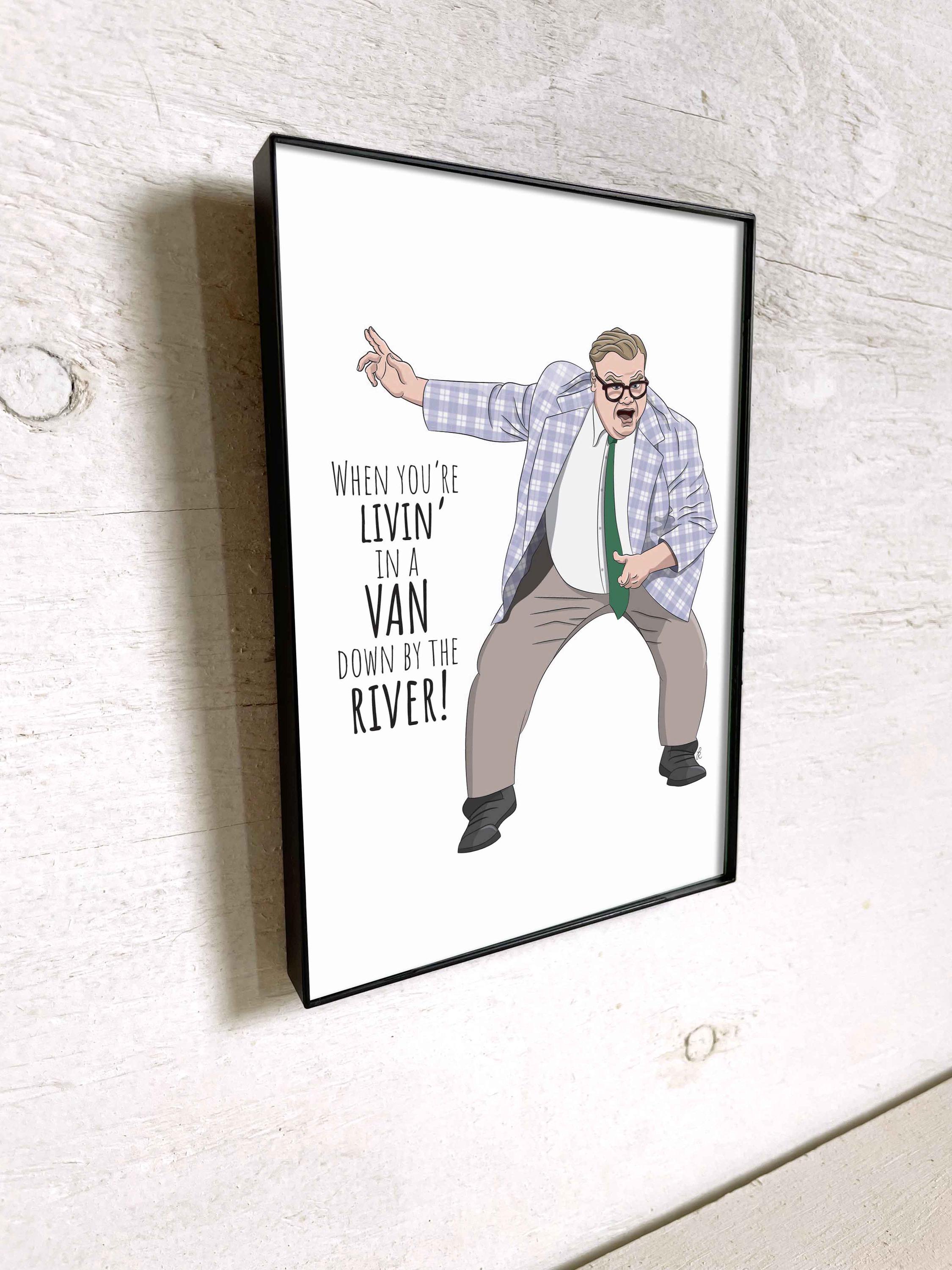
Farley’s performance was rooted in physical comedy and a palpable sense of desperation. Dressed in a cheap, ill-fitting suit, Foley would launch into a tirade meant to “motivate” teenagers Brian (David Spade) and Stacy (Christina Applegate). The core of his message was a cautionary tale: if they continued down their path of wayward behavior, they would inevitably end up "living in a van down by the river."
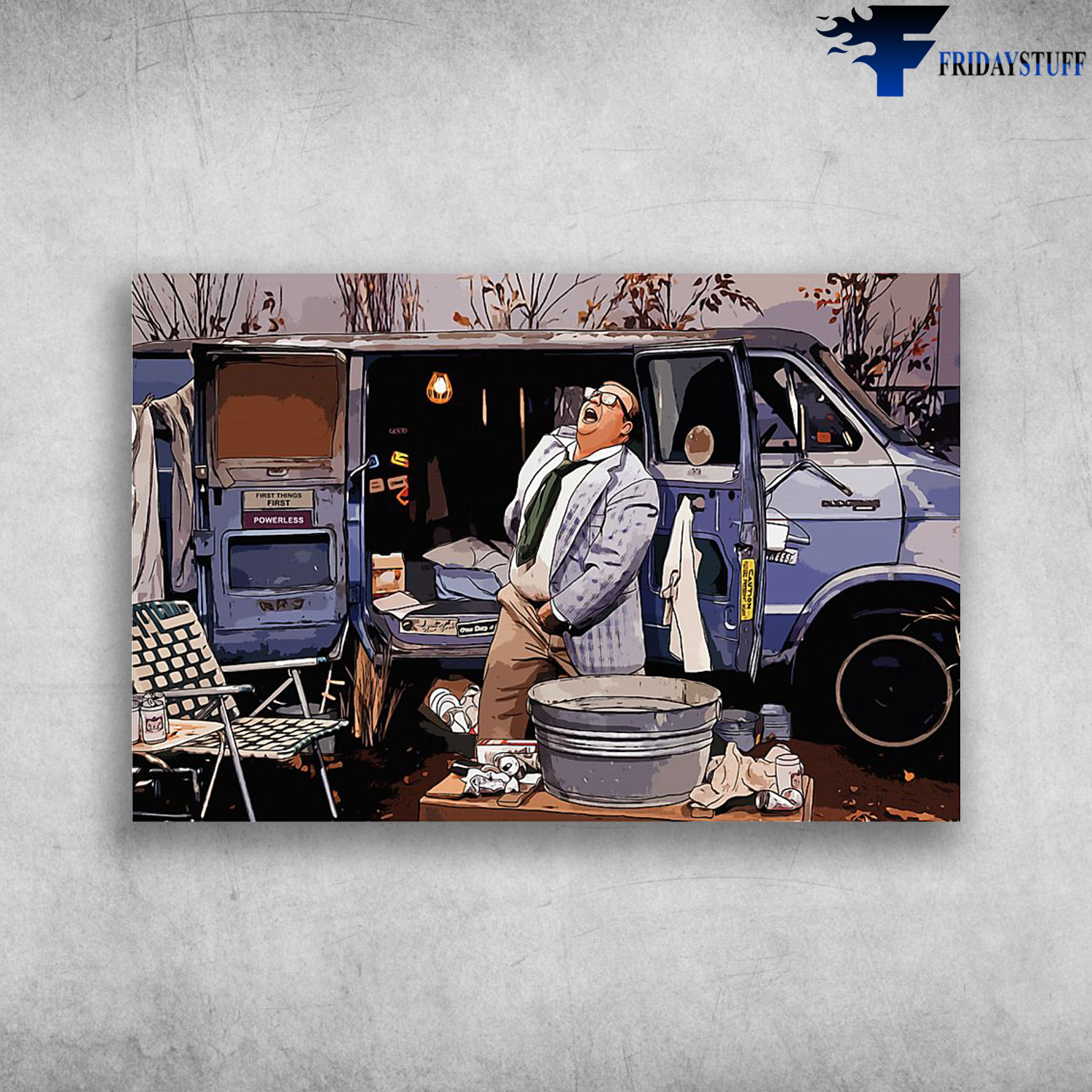
The genius of the sketch lied in the contrast between the intended message—a warning against failure—and the reality of the speaker. Foley’s erratic behavior, his penchant for smashing through coffee tables, and his fixation on his own socioeconomic failure turned the “van down by the river” into a shorthand for the ultimate comedic loss of status.
Anatomy of a Sketch: Why It Resonated
To understand the lasting impact of this sketch, one must analyze the elements that made it work for the 1993 audience and continue to work for viewers in 2026.
- Physicality as Narrative: Chris Farley was a master of using his body to convey internal chaos. The act of straightening his tie while leaning aggressively over the table signaled a character who was trying to project authority while clearly lacking any.
- The Breaking Point: The chemistry between Farley and Spade was essential. Spade’s attempts to suppress laughter (a signature trait of the duo’s sketches) provided a grounded reaction that validated the absurdity of Farley’s performance.
- The Iconic Refrain: Repetition is a staple of sketch comedy. By having Foley reiterate his living situation multiple times, the writers turned a pathetic circumstance into a rhythm that the audience could anticipate and enjoy.
The Shift from Satire to Lifestyle
In the decades since the sketch aired, the concept of living in a van has undergone a significant branding shift. By the mid-2010s, and continuing into 2026, the “van life” movement has transformed the stigma that Matt Foley represented into a deliberate choice for digital nomads, outdoor enthusiasts, and those looking to circumvent the rising costs of traditional real estate.
Unlike the van parked “down by the river” in the sketch, which implied a forced, sad isolation, modern van life is often framed through social media as a curated experience of freedom, minimalism, and proximity to nature. However, the logistical challenges remain strikingly similar to the frustrations Farley’s character alluded to: the lack of plumbing, the difficulty of maintaining a professional appearance while living out of a vehicle, and the social judgment associated with non-traditional housing.
Comparing the Sketch Reality vs. Modern Van Life
While the sketch was intended as a parody of a failed adult, modern van lifers are often tech-savvy professionals. The following table highlights the differences between the comedic trope and the contemporary reality.
| Feature | Matt Foley (1993) | Modern Van Life (2026) |
|---|---|---|
| Primary Motivation | Fear and failure | Freedom and cost savings |
| Infrastructure | Non-existent; "by the river" | Solar power, Wi-Fi, van conversions |
| Social Status | Low; the butt of a joke | High; aestheticized on social platforms |
| Professionalism | Erratic motivational speaker | Digital nomad / Remote worker |
| Perception | A cautionary tale | An aspirational lifestyle choice |
Technical and Legal Realities of Van Living
For those moving from enjoying the humor of the SNL sketch to considering the lifestyle themselves, it is essential to distinguish between the comedic premise and the practical reality. In 2026, living in a vehicle is subject to a complex web of municipal laws.
Municipal Restrictions: Many cities have passed ordinances that prohibit overnight parking in residential or business zones. While the "river" location in the sketch suggests a remote or public space, real-world access to such land is often regulated by the Bureau of Land Management (BLM) or local park authorities. Resource Management: In the sketch, Matt Foley’s van is a symbol of resource depletion. In 2026, the technology to manage electricity via lithium batteries and solar arrays, as well as greywater management systems, has significantly improved the viability of long-term vehicle residency. Health and Hygiene: The most persistent challenge for the "van dweller" remains the lack of consistent access to showers, laundry, and clean water. While the character Matt Foley ignores these needs, the modern practitioner must account for memberships in fitness chains or dedicated rest stop networks to maintain basic standards of living.
Common Misconceptions
The most common mistake people make when comparing their lives to the “van down by the river” sketch is assuming that the lifestyle is inherently cheaper than traditional housing. While it avoids rent or mortgage payments, the hidden costs of vehicle maintenance, fuel, insurance for a modified vehicle, and the premium cost of portable power systems can often equal or exceed the cost of shared housing in many regions.
Furthermore, there is the psychological toll. The humor in Farley’s performance came from the character’s inability to cope with his isolation. Human social interaction is rarely depicted in the sketch, and for those who choose a nomadic lifestyle, the lack of a stable community remains a significant barrier to long-term sustainability.
Frequently Asked Questions
Did Chris Farley really live in a van? No. The sketch was entirely fictional. Chris Farley was a highly successful performer at the height of his career when the sketch was written. The humor was derived from the irony of a man, who was clearly failing at life, attempting to give advice to others on how to avoid his fate.
Why is the sketch still so popular in 2026? The sketch remains popular because it taps into a universal human fear: the loss of status and the prospect of falling behind. Its physical intensity and quotability have allowed it to transcend its era, serving as a template for comedic frustration.
Is it legal to live in a van by the river? In most jurisdictions, it is illegal to reside in a vehicle permanently on public land. Even in areas designated for camping, there are almost always maximum stay limits, typically ranging from 7 to 14 days, to prevent the formation of semi-permanent encampments.
How much does a "Matt Foley-style" van conversion cost today? A basic van conversion can range from $5,000 for a simple, DIY build to over $80,000 for a professional, climate-controlled, off-grid vehicle. The price variation depends almost entirely on the quality of the electrical system and the insulation levels.
Recommendation for Further Research
If you are interested in the evolution of the #vanlife trend, review the municipal codes in your local area regarding "oversized vehicle parking" and "overnight occupancy." If you are interested in the comedic legacy of Chris Farley, watch the 2015 documentary I Am Chris Farley for a deeper look at the process behind the creation of his most famous characters.
Image Gallery