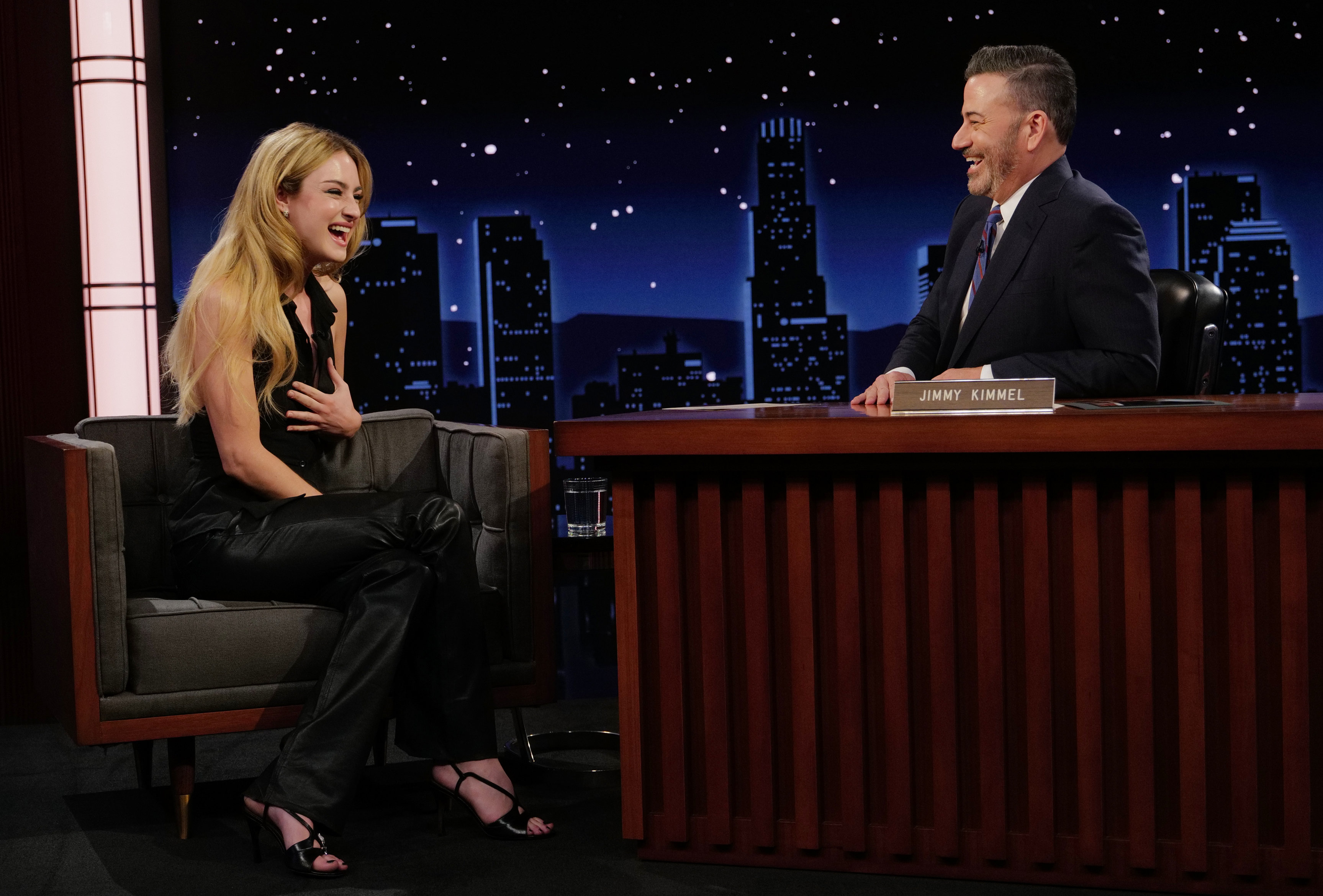
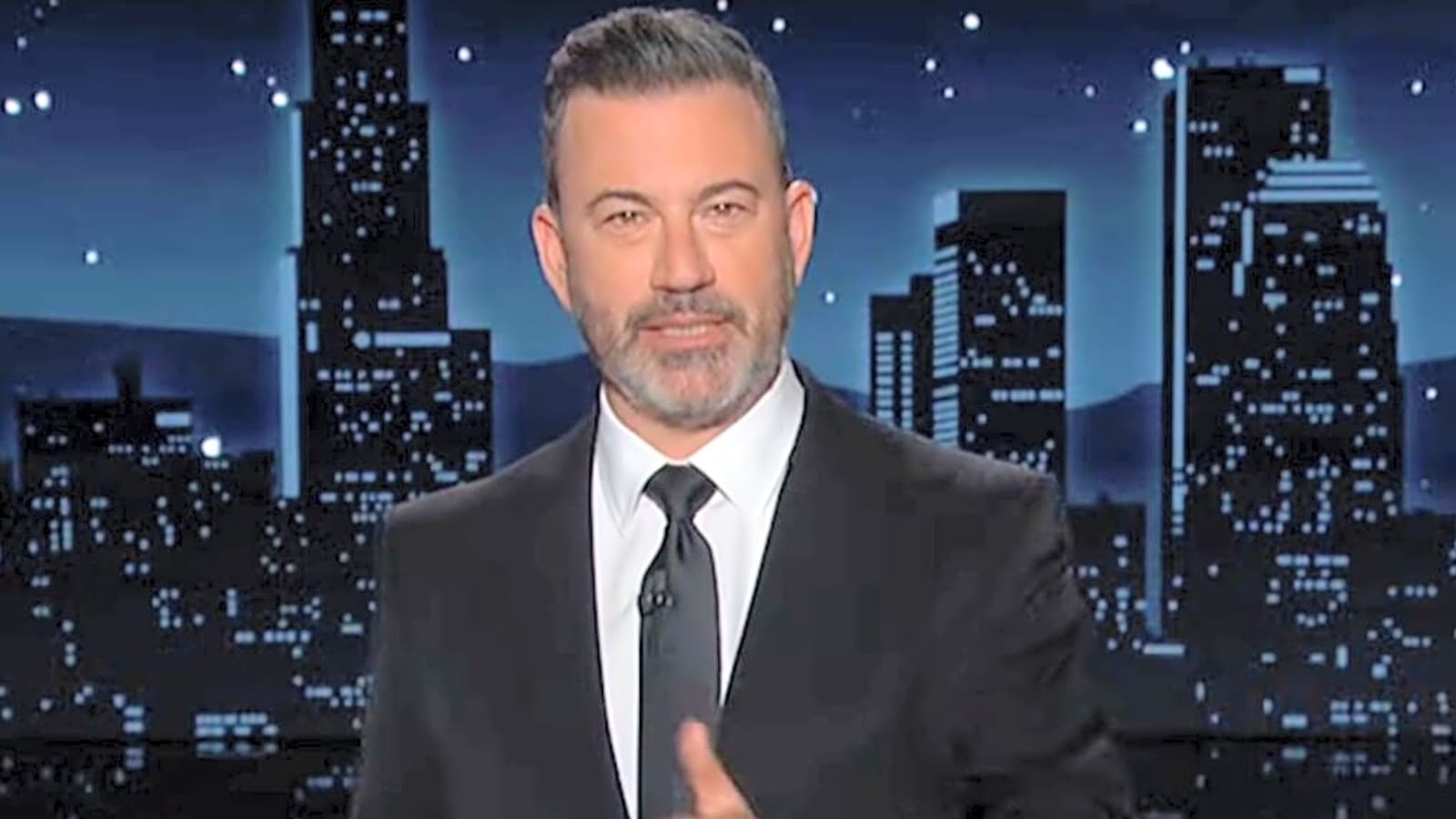
Jimmy Kimmel Latest Show Highlights: Analyzing the Unexpected Turns in Late-Night Television
The latest installments of Jimmy Kimmel Live! have increasingly prioritized spontaneous, unscripted segments that blur the lines between traditional monologue formats and interactive, real-world stunts. By pivoting toward unpredictable...
The latest installments of Jimmy Kimmel Live! have increasingly prioritized spontaneous, unscripted segments that blur the lines between traditional monologue formats and interactive, real-world stunts. By pivoting toward unpredictable guest interactions and viral-ready field pieces, the show has successfully maintained relevance in the evolving 2026 media landscape, where audiences prioritize authenticity over strictly curated celebrity interviews.
Contents
The Evolution of the Late-Night Format
For decades, the standard late-night talk show relied on a rigid architecture: a desk monologue, a desk-based interview, and a musical performance. However, recent trends on Jimmy Kimmel Live! indicate a departure from this predictability. In the current television cycle, producers have leaned heavily into the "unexpected" to combat the fragmentation of viewership across streaming services and social media platforms.
This shift is not merely stylistic but a strategic response to viewer behavior. Modern audiences are conditioned by short-form video content—the kind found on platforms like TikTok and Instagram—where the hook must be immediate. When Jimmy Kimmel incorporates segments that defy the standard interview structure, he is essentially importing the pace and volatility of social media into the traditional broadcast format. This evolution acknowledges that a "viral moment" is often worth more to a show’s longevity than a standard promotional segment for a film or television series.
Breaking the Fourth Wall: Why Unexpectedness Matters
The "unexpected" in the context of Kimmel’s show often manifests through pranks, unannounced guest appearances, and site-specific comedy that forces the audience to abandon their expectations of how a show should run. The primary goal is the destruction of the "rehearsed" feeling that often plagues late-night television.
When a guest is placed in an unpredictable situation—whether it be a hidden camera setup, an unconventional game, or a sudden change in the interview environment—the resulting psychological reaction is genuine. This authenticity is the "gold standard" in 2026 broadcasting. Producers understand that when a guest breaks character or reacts to a surprise, the audience is more likely to engage with that content, share it, and return to the show. The unexpected becomes a mechanism for humanizing celebrities who are otherwise carefully managed by publicists and PR firms.
Key Elements of the Unpredictable Broadcast
To execute this, the production team relies on several core pillars of operation:
- Field Production: Moving the action outside the studio creates an environment that cannot be controlled as strictly as a stage. Field pieces involve the public or specific, often chaotic, locations, which inherently introduce variables outside the host's control.
- Interactive Games: Unlike simple Q&A segments, games with high-stakes, ridiculous consequences force guests to engage in a manner that bypasses their professional training or scripted talking points.
- Live Reactions: Utilizing the audience and the band as active participants rather than background entities adds a layer of spontaneity. When the host interacts with someone off-camera or unexpected, it signals to the viewer that anything can happen.
Comparing Traditional vs. Experimental Late-Night Segments
| Feature | Traditional Interview | Unexpected Segment |
|---|---|---|
| Preparation | Heavily scripted/rehearsed | Minimal planning/improvisational |
| Tone | Promotional and controlled | Vulnerable and authentic |
| Primary Goal | Projecting a specific image | Eliciting a genuine reaction |
| Viewer Impact | Steady, passive consumption | High engagement/viral potential |
| Production Cost | Moderate (Studio overhead) | Variable (Often higher risk) |
Requirements for Sustaining Spontaneity
One might assume that "unexpected" content is easy to produce because it appears improvised. In reality, the logistics are significant. Maintaining an atmosphere where guests feel safe enough to be surprised but not so blindsided that the encounter becomes uncomfortable requires a high level of professional rapport.
Technical requirements for these segments often involve multi-camera field setups, sophisticated hidden-audio systems, and a post-production team capable of editing highly erratic footage into a cohesive narrative. Furthermore, the legal and compliance hurdles for capturing public interaction are considerable. Every individual featured must be vetted for clearance, ensuring that the spontaneity of the event does not result in a violation of privacy or defamation.
Managing Risks in High-Volatility Content
The primary challenge of prioritizing the unexpected is the risk of alienating guests or producing "cringe" content that does not resonate with the audience. There is a fine line between a surprising moment and one that feels manufactured or mean-spirited.
For a show like Jimmy Kimmel Live!, the risk management strategy relies on the relationship between the host and his guests. By establishing a tone of playfulness rather than malice, Kimmel ensures that the surprises are received as part of a game. If a surprise falls flat, the show’s editorial team must be adept at "recovering" the segment—often through self-deprecating humor or by acknowledging the failure of the joke to the audience. This meta-awareness is a key component of the show’s success.
Troubleshooting Engagement: When "Unexpected" Isn't Enough
Not every unexpected segment is a success. When engagement numbers dip, the production team evaluates whether the "unexpected" element was truly unpredictable or if it felt like a forced gimmick. The following troubleshooting steps are common in the industry:
- Audience Sentiment Analysis: Reviewing social media and comment sections to determine if the surprise felt authentic or scripted.
- Pacing Audits: Checking if the segment dragged on too long. Unexpected moments have a short half-life; if they aren't kept tight, they lose their comedic impact.
- Guest Integration: Verifying that the guest was a willing participant in the chaos. If a guest appears visibly annoyed rather than amused, the content is usually excised or re-edited to minimize the negative optics.
Frequently Asked Questions
Why does Jimmy Kimmel emphasize unscripted moments more than he used to? The shift is a strategic move to align with the habits of modern viewers who consume short, high-impact video content. Authentic, unscripted reactions are more likely to be shared on social media, increasing the show's reach beyond its traditional broadcast time slot.
Are the "unexpected" segments on the show actually spontaneous? While the reactions are often genuine, the situations are usually planned and facilitated by a production team. The "unexpected" aspect is the environment in which the guest is placed, but the safety and clearance protocols are rigorous to prevent legal or PR issues.
What is the impact of these segments on the guest experience? Most guests benefit from these segments because they appear more relatable and human. It breaks the monotony of the standard press circuit, often leading to a more memorable appearance that serves both the guest’s personal brand and the show's ratings.
How does the audience know if an interaction is authentic or faked? It is difficult to determine with 100% certainty, but seasoned viewers look for physiological indicators: genuine laughter, hesitation, and non-rehearsed verbal stumbles. The show's reputation relies on keeping these moments as honest as possible to maintain viewer trust.
What happens if a prank or surprise goes wrong? The show’s production team is prepared to pivot. If a segment fails or a guest reacts poorly, the show utilizes post-production editing to frame the moment in a way that minimizes the awkwardness, or the host may address the failure directly as part of the comedy.
Recommendation for Viewers and Content Creators
For those looking to understand the mechanics of late-night television in 2026, the key takeaway is that production value is no longer just about lighting and set design; it is about the "value of the reaction." If you are a viewer, focus on the segments where the host steps out of his comfort zone, as these are the most accurate indicators of the show’s current direction. For those in media, the lesson is clear: in an era of digital noise, the only way to break through is to facilitate moments that cannot be predicted by an algorithm.
Image Gallery