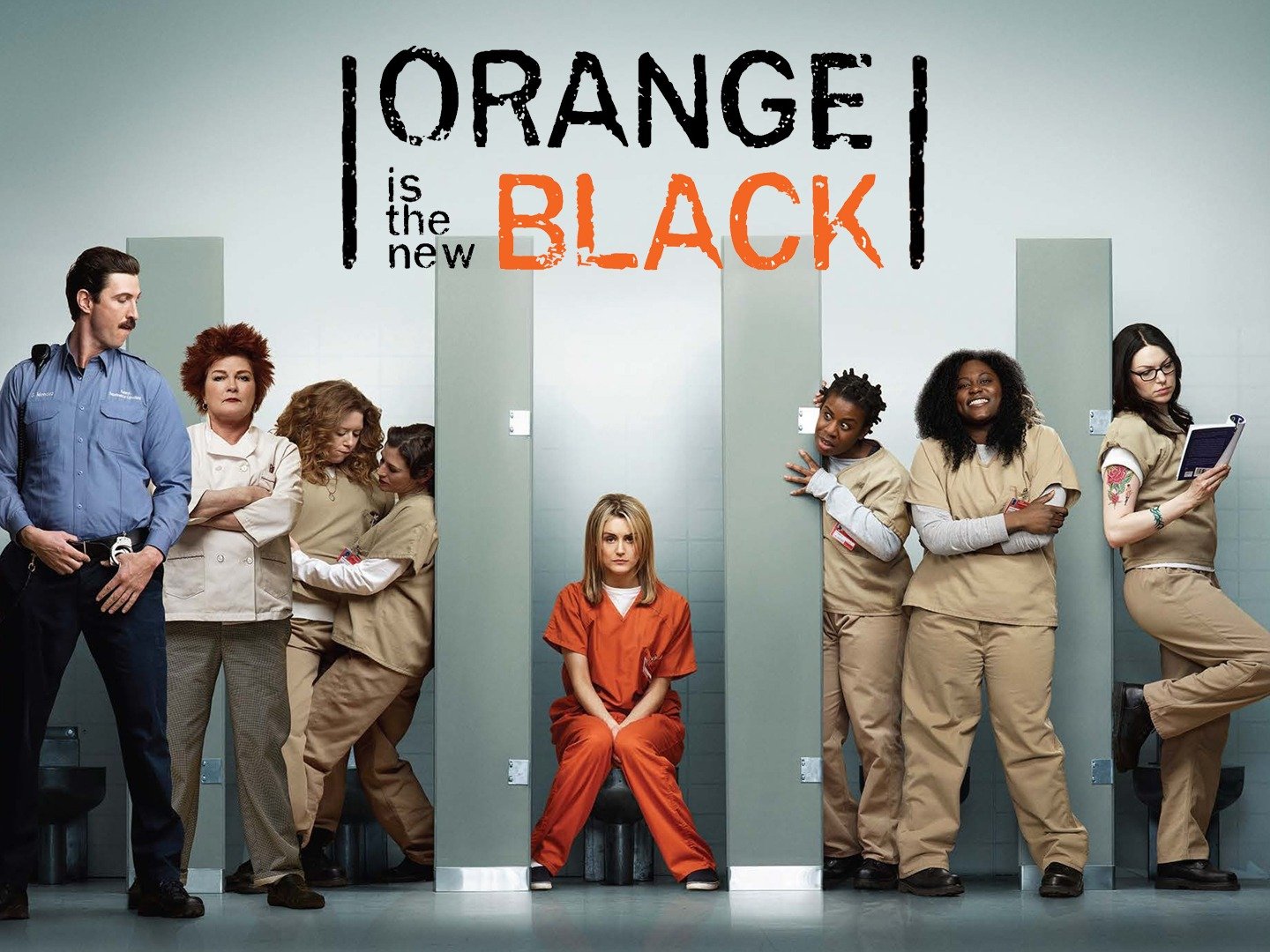
The Real People Behind Orange Is the New Black
Orange Is the New Black captured global audiences by blending sharp dark comedy with gritty prison drama, but its most fascinating element was always its foundation in real human experiences. While the Netflix series adapted by Jenji K...
Orange Is the New Black captured global audiences by blending sharp dark comedy with gritty prison drama, but its most fascinating element was always its foundation in real human experiences. While the Netflix series adapted by Jenji Kohan took creative liberties to heighten dramatic tension, serialization, and visual appeal, almost every major inmate and staff member was drawn directly from real-life counterparts, most notably Piper Kerman and her memoir of the same name. Understanding who these characters represent in reality reveals a complex intersection of memoir writing, journalistic adaptation, and the actual socioeconomic conditions of the American federal prison system.
Contents
The Memoir Foundation: Piper Kerman and Piper Chapman
At the heart of the television phenomenon is Piper Chapman, played by Taylor Schilling, whose narrative arc mirrors the experiences of author Piper Kerman. In 1993, Kerman became romantically involved with Nora Jansen (depicted on screen as Alex Vause, played by Laura Prepon), a woman deeply embedded in an international drug-smuggling ring coordinated by a West African heroin kingpin. Kerman transported a single suitcase of drug money from Brussels to San Francisco, a crime for which she was indicted years later after moving on to a conventional life in New York City.
In 2004, Kerman surrendered to federal authorities to serve a 15-month sentence at the Federal Correctional Institution (FCI) in Danbury, Connecticut. Much like her television counterpart, Kerman was a privileged Smith College graduate entering an entirely alien subculture. However, the adaptation altered several key facts to sustain a multi-season television drama. While the real Kerman served her sentence cleanly without major disciplinary infractions, the show introduced intense romantic triangles, smuggling rings operating inside the prison, corrupt correctional officers, and high-stakes administrative vendettas that rarely resemble the day-to-day monotony of minimum-security incarceration.
Translating Real Inmates to Television Characters
Jenji Kohan and her writers' room drew inspiration not only from Kerman’s book but also from the rich tapestry of stories shared by other women Kerman encountered during her incarceration. Many television characters are direct composites of multiple real individuals, while others represent single, sharply observed figures from the memoir.
Alex Vause and Nora Jansen
In the television series, Alex Vause serves as Piper's cynical, sophisticated, and alluring ex-girlfriend who ultimately lands them both in the same prison. The real-life inspiration, identified in the memoir as Nora Jansen, played a substantially different role in Kerman's actual legal trajectory. While the show depicts them engaging in continuous on-and-off romantic drama behind bars, Kerman and Jansen were actually assigned to different facilities and only briefly crossed paths during legal proceedings. Kerman has noted in interviews that her relationship with Jansen had long since ended before her surrender, making their extended romantic entanglement a purely dramatic invention.
Red and Pop
Galina "Red" Reznikov, portrayed memorably by Kate Mulgrew, anchors the prison's kitchen and commands fierce loyalty. Red is a composite character based on several older, established inmates Kerman met at Danbury. These women acted as matriarchs and protective figures for newcomers navigating the intimidating prison hierarchy. The formidable culinary resourcefulness and sharp business acumen displayed by Red reflect the actual strategies inmates used to create makeshift comforts within restrictive institutional environments.
Pennsatucky and the Religious Factions
Tiffany "Pennsatucky" Doggett, played by Taryn Manning, represents the fundamentalist Christian subculture within the prison and serves as a foil to Piper's secular worldview. While the character evolved into a deeply nuanced figure over the show's seven seasons, the real Danbury inmate on whom she was loosely based shared similar background characteristics regarding rural poverty, substance addiction, and religious fervor, though the dramatic confrontations and violent showdowns were heavily dramatized for television.
Correction Officers and Institutional Dynamics
The staff members at Litchfield Penitentiary embody systemic critiques of the penal system, ranging from deeply empathetic counselors to predatory correctional officers.
| Television Character | Real-World Counterpart / Inspiration | Core Functional Role in Narrative |
|---|---|---|
| Piper Chapman | Piper Kerman (Author) | Primary protagonist navigating cultural shock and institutional survival. |
| Alex Vause | Nora Jansen | Catalyst for Piper's legal downfall and complex romantic foil. |
| Galina "Red" Reznikov | Composite of Danbury prison matriarchs | Kitchen boss, protector, and informal inmate leader. |
| Sam Healy | Composite of prison counseling staff | Bureaucratic counselor displaying systemic biases and personal isolation. |
| George "Pornstache" Mendez | Composite of abusive staff reports | Embodiment of correctional officer corruption and power abuse. |
Characters like Sam Healy (Michael Harney) highlight the limitations of institutional mental health support and counseling within underfunded facilities. Meanwhile, abusive guards like George "Pornstache" Mendez (Pablo Schreiber) draw attention to the well-documented vulnerabilities faced by incarcerated women regarding staff exploitation and a lack of oversight. Kerman's memoir heavily emphasized that while some correctional officers performed their duties professionally and treated inmates with basic human dignity, the institutional structure inherently fostered power imbalances.
Comparing Memoir Reality Versus Television Fiction
To fully appreciate the real people behind the show, it is essential to delineate between documentary reality and narrative entertainment. The table below outlines how specific elements were adapted from Kerman's life to fit the television format.
| Feature Area | Memoir Reality (Piper Kerman) | Television Adaptation (Orange Is the New Black) |
|---|---|---|
| Facility Type | FCI Danbury (Minimum-security federal prison in Connecticut) | Litchfield Penitentiary (Fictionalized medium/maximum security facility in New York) |
| Sentence Length | 15 months total served | Expanded across seven seasons with various legal extensions and facility transfers |
| Romantic Dynamics | Brief, distant overlap with Nora Jansen; married Larry Smith during/after sentence | Continuous, intense romantic entanglements with Alex Vause and Larry Bloom |
| Institutional Violence | Primarily bureaucratic hurdles, boredom, and interpersonal friction | Frequent riots, dramatic escapes, structural corruption, and violent tragedies |
| Staff Interactions | Generally professional with occasional friction | High levels of corruption, smuggling rings operated by guards, and extreme abuse |
The Broader Impact on Criminal Justice Reform
Beyond individual character inspirations, the real people behind Orange Is the New Black used the show's immense cultural platform to advocate for systemic reform. Piper Kerman became a prominent speaker and activist, serving on the board of the Women’s Prison Association. She frequently highlights issues such as the disproportionate impact of the War on Drugs on women of color, the lack of adequate healthcare in correctional facilities, and the severe challenges of reentry into society.
The show's ensemble cast also brought visibility to marginalized communities, portraying LGBTQ+ individuals, racial minorities, and older inmates with a depth rarely seen in network television prior to its 2013 premiere. By humanizing individuals caught within the federal and state penal apparatus, the series shifted public discourse surrounding mass incarceration.
Frequently Asked Questions
Did the real Piper and Alex ever serve time together?
No. While the television series heavily features Piper Chapman and Alex Vause serving their sentences side-by-side in the same facility, the real Piper Kerman and Nora Jansen were placed in separate federal institutions and had virtually no contact during their respective incarcerations.
How much of the Netflix series actually happened to Piper Kerman?
The broad premise—a privileged college graduate surrendering to a federal prison for a drug-money laundering crime committed a decade prior—is entirely true. However, most of the specific dramatic events, daily conflicts, romantic triangles, and institutional crises depicted on screen were created by Jenji Kohan's writing team for dramatic effect.
Is Litchfield Penitentiary a real place?
Litchfield Penitentiary is a fictional institution created for the television series. The real Piper Kerman served her time at the Federal Correctional Institution (FCI) located in Danbury, Connecticut, which has since been converted into a male facility.
What happened to the real-life people after the book and show?
Piper Kerman completed her sentence in 2005, married Larry Smith (upon whom the character Larry Bloom was based), and dedicated her post-prison career to criminal justice reform, writing, and university lecturing. Many other former inmates featured in her memoirs have similarly used their stories to advocate for policy changes.
Did the show accurately depict minimum-security federal prisons?
The series captured certain cultural nuances of federal incarceration, such as the reliance on commissary goods, informal inmate economies, and the psychological weight of institutional boredom. However, it dramatized incidents of violence, guard corruption, and facility chaos far beyond the typical reality of minimum-security federal camps.
Conclusion and Next Actions
Examining the real people behind Orange Is the New Black demonstrates the powerful gap between lived memoir and serialized entertainment. For readers wishing to explore the true history beyond the screen, starting with Piper Kerman’s original 2010 memoir provides an unvarnished look at the realities of women's prisons. Engaging with organizations like the Women's Prison Association or the American Civil Liberties Union (ACLU) offers practical avenues for those looking to support actual criminal justice reform initiatives inspired by these narratives.
Image Gallery