How to Select an Auto Insurance Agency in Houston, Texas
Selecting an auto insurance agency in Houston requires balancing the state’s mandatory financial responsibility laws with the unique environmental and traffic risks inherent to the Greater Houston area. By prioritizing independent vers...
Selecting an auto insurance agency in Houston requires balancing the state’s mandatory financial responsibility laws with the unique environmental and traffic risks inherent to the Greater Houston area. By prioritizing independent versus captive agency models, verifying licensure through the Texas Department of Insurance, and assessing local claims-handling reputation, you can secure coverage that provides reliable protection against high-frequency urban road incidents.
Contents
Understanding the Texas Auto Insurance Landscape
In Houston, the insurance market is defined by a combination of state-mandated minimums and the specific challenges of a major metropolitan hub. Unlike some states with highly restrictive regulatory pricing, Texas operates under a "file and use" system, meaning insurance companies can adjust their rates based on actuarial data, provided they file those rates with the Texas Department of Insurance (TDI).
For a Houston resident, this means premiums can fluctuate significantly based on your zip code, vehicle make, and driving record. When selecting an agency, you are not just choosing a company; you are selecting an intermediary that interprets these variables. You must decide whether to engage a captive agent—who represents only one insurance brand—or an independent agent, who can pull quotes from multiple carriers to compare pricing and coverage tiers side-by-side.
Captive vs. Independent Agencies: Which Fits Your Needs?
The structural difference between agencies dictates how you manage your policy over the long term.
Captive Agencies: These agents are employed by a single insurance company (e.g., State Farm or Allstate). Their primary advantage is deep brand knowledge. If you have a question about a specific endorsement or a complex claim, a captive agent often has a direct line to the underwriter. However, if your rates increase substantially during a renewal cycle, a captive agent cannot move you to a different company to save money; they are restricted to the products offered by their parent brand.
Independent Agencies: These agents represent multiple insurance carriers. Their value proposition is objectivity. An independent agent in Houston can perform a comprehensive market scan to find policies that mitigate specific local risks, such as flood damage or comprehensive coverage for high-theft areas. For residents with complex driving histories or unique vehicle types, independent agents often provide more flexibility to "shop" the market without requiring you to fill out new applications for every carrier.
Verification and Due Diligence
Before signing a contract or providing personal data, you must verify the legitimacy of the agency. The Texas Department of Insurance maintains a public database of licensed agents and companies.
- Verify the License: Visit the TDI "Help with an Insurance Complaint or Question" portal to confirm the agency is authorized to do business in the state.
- Review Financial Strength: While the TDI regulates conduct, financial solvency is assessed by independent ratings agencies such as A.M. Best or S&P Global. Ensure the carrier the agency recommends has a rating of "A" (Excellent) or higher.
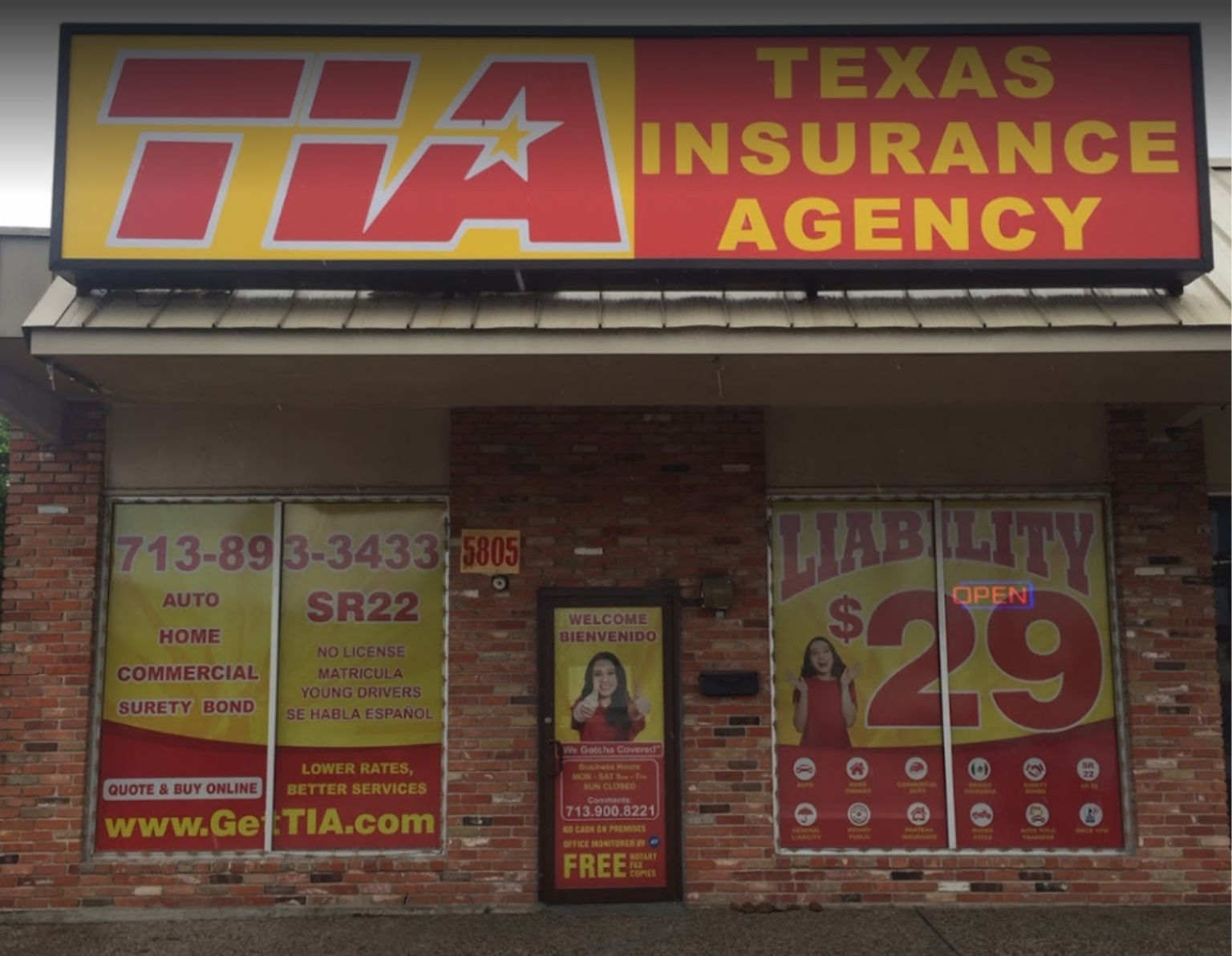
- Assess Local Presence: A Houston-based office offers the advantage of localized knowledge. If you are involved in a collision, an agent who understands local traffic patterns, common local repair shop networks, and the specific nuances of Harris County infrastructure can be a critical advocate during the claims process.
Comparing Coverage Requirements and Local Risks
Houston presents unique challenges for auto insurance, most notably the high frequency of weather-related incidents and urban traffic volume. When selecting a policy, consider these three critical coverage areas:
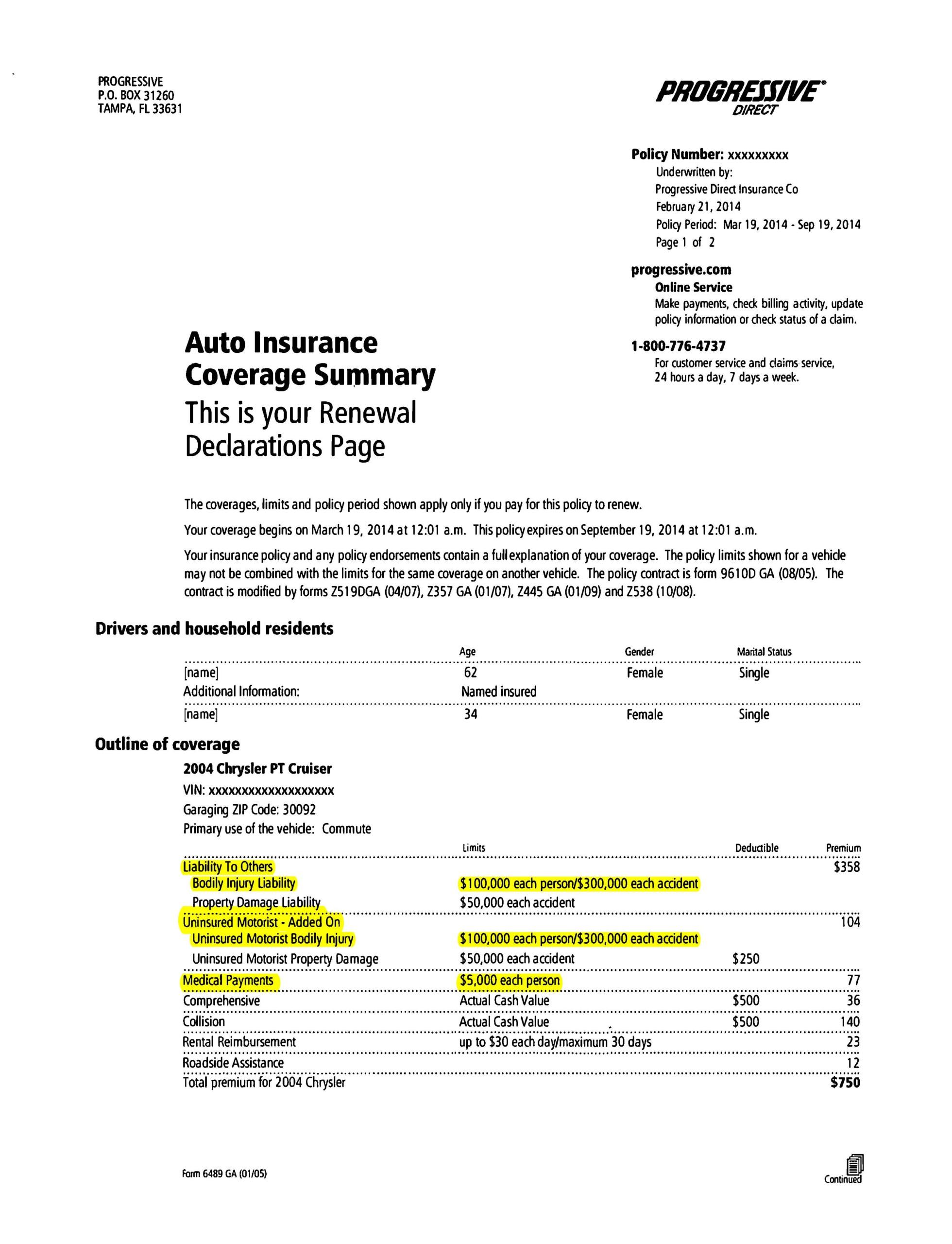
- Uninsured/Underinsured Motorist (UM/UIM) Coverage: Texas has a significant number of uninsured drivers. While it is an optional coverage in many states, it is a critical necessity in Houston. It protects you if the at-fault party lacks the financial means to cover the damage.
- Comprehensive Coverage (Flood Protection): Given Houston’s susceptibility to flash flooding and tropical storms, comprehensive coverage is not just for theft or vandalism—it is your primary defense against water damage, which often totals vehicles in coastal and low-lying inland areas.
- Personal Injury Protection (PIP): This provides coverage for medical expenses regardless of who is at fault in an accident. In a high-traffic city, having a robust PIP policy can ensure your medical bills are handled immediately, avoiding the long delays often associated with third-party liability claims.
Comparison Table: Agency Selection Criteria
| Feature | Captive Agency | Independent Agency |
|---|---|---|
| Carrier Access | Single brand only | Multiple carriers |
| Pricing Transparency | Fixed to one provider | Competitive market comparison |
| Relationship Depth | Highly brand-specific expertise | Portfolio-based guidance |
| Renewal Flexibility | Limited to current carrier | Easy transition between carriers |
| Primary Strength | Stronger brand support | Market choice and customization |
Common Mistakes to Avoid During the Selection Process
One of the most frequent errors consumers make is prioritizing the "lowest premium" over "claims service." In Houston, where accident rates are statistically higher than in rural parts of Texas, the quality of your claims experience is more important than saving a few dollars on a monthly premium.
Do not rely solely on online advertisements. Many lead-generation websites sell your contact information to multiple agencies, resulting in a barrage of unsolicited calls. Instead, proactively seek agencies with physical offices in Houston and check their reviews specifically regarding how they handle the claims process. An agent who is helpful during the sales process but disappears when you have an accident provides poor overall value.
Frequently Asked Questions
1. Is it better to use a local Houston agent or an online-only insurer? Local agents provide an advocate in your community who understands the specific risks of the Houston area. Online-only insurers often offer lower initial premiums due to lower overhead but may lack personalized assistance when you encounter a complex claim.
2. How often should I re-evaluate my auto insurance agency? You should conduct a policy review annually or after a major life event, such as moving to a new Houston zip code, buying a car, or having a household member reach driving age. This ensures your coverage remains aligned with your current risk profile.
3. Does my credit score affect the rates my agent can find? Yes. Texas law allows insurance companies to use credit-based insurance scores to determine premiums. An independent agent can help you understand if your current score is limiting your options and suggest ways to improve your standing over time.
4. What information do I need to provide for an accurate quote? Be prepared to provide your Driver's License number, vehicle identification number (VIN), current mileage, and a history of any accidents or traffic violations from the past three to five years. Providing accurate data prevents mid-term policy adjustments or cancellations.
5. How do I file a complaint if my agency fails to perform? If you experience unethical conduct or significant service failures, you can file a formal complaint with the Texas Department of Insurance. They act as the state regulator to ensure that agents and carriers adhere to Texas statutes.
Final Recommendation
To select the best auto insurance agency in Houston, start by identifying whether your priority is long-term brand loyalty or the ability to shift carriers for better pricing. Once you have a list of three potential agencies, verify their credentials through the Texas Department of Insurance. Schedule a brief consultation to ask specifically about how they handle UIM claims and local repair shop disputes. A professional agent should be willing to explain the "why" behind your coverage limits rather than simply aiming for the legal minimums. By treating your insurance policy as a risk-management tool rather than a commodity, you ensure that your assets are protected against the complexities of Houston traffic.
Image Gallery