The 2009 UEFA Champions League Final: Tactical Mastery in Rome
The 2009 UEFA Champions League Final, contested between FC Barcelona and Manchester United at the Stadio Olimpico in Rome on May 27, 2009, represents a seminal moment in football history. It marked the pinnacle of Pep Guardiola’s debut...
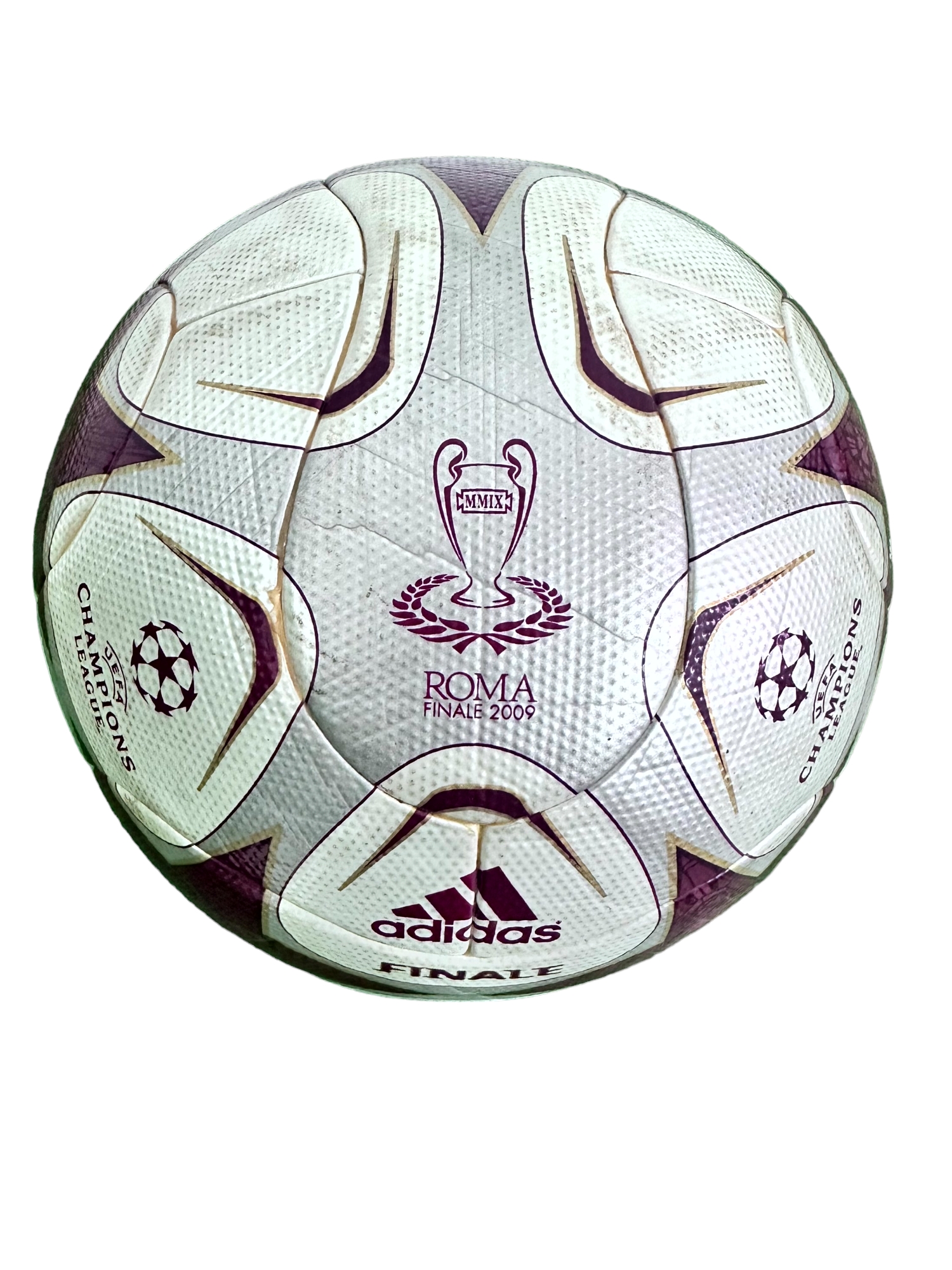
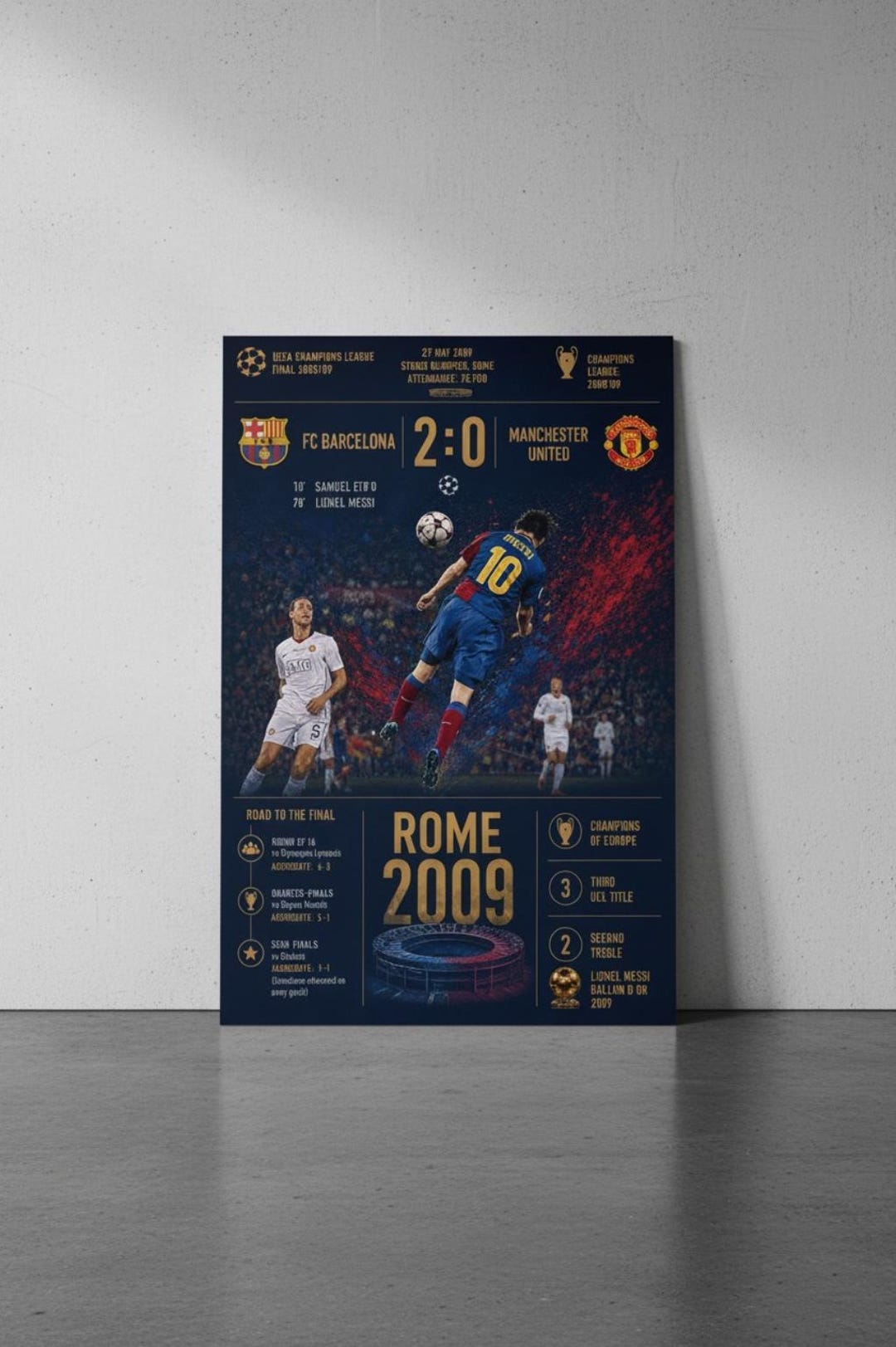
The 2009 UEFA Champions League Final, contested between FC Barcelona and Manchester United at the Stadio Olimpico in Rome on May 27, 2009, represents a seminal moment in football history. It marked the pinnacle of Pep Guardiola’s debut season at Barcelona, securing a 2-0 victory that established a new standard for possession-based dominance and confirmed the arrival of a historic treble-winning squad.
Contents
The Context: A Collision of Titans
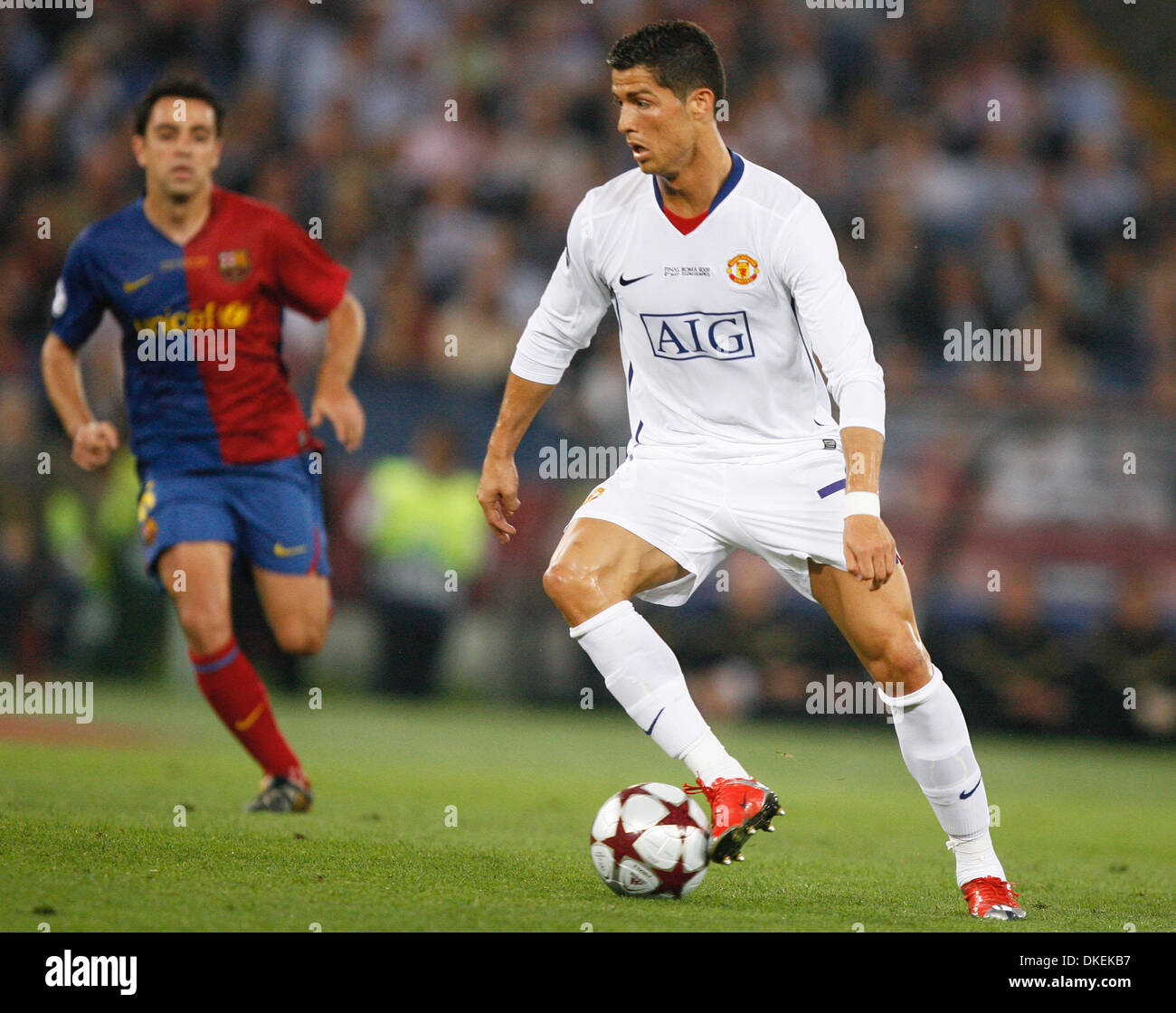
Entering the 2009 final, the narrative was centered on the clash between two of the world's most successful managers, Pep Guardiola and Sir Alex Ferguson. Manchester United arrived in Rome as the defending champions, having defeated Chelsea in the 2008 final. They boasted a formidable lineup led by Cristiano Ronaldo, Wayne Rooney, and a seasoned defensive core, aiming to become the first team to retain the European Cup in the Champions League era.
Barcelona, conversely, was undergoing a tactical revolution. Under Guardiola, the team had transitioned away from the post-Frank Rijkaard era toward a rigorous application of positional play (Juego de Posición). The team had already secured the La Liga title and the Copa del Rey, and the Rome final offered the chance to complete the first-ever "Treble" for a Spanish club.
Tactical Setup and Early Exchanges
The match began with high intensity. Manchester United, playing in white, appeared the more dangerous side in the opening minutes. Cristiano Ronaldo forced a save from Víctor Valdés, and United’s direct approach initially unsettled the Barcelona defense. However, the balance of power shifted decisively in the 10th minute.
Barcelona’s opening goal was a masterclass in exploiting space. Andrés Iniesta drifted into the midfield, drew defenders toward him, and slipped a precise pass to Samuel Eto’o. Eto’o cut inside Nemanja Vidić and fired a low shot past Edwin van der Sar. The goal fundamentally altered the game's psychology, forcing Manchester United to chase the match while Barcelona began to exert control through their iconic midfield trio of Xavi, Andrés Iniesta, and Sergio Busquets.
The Pivot Point: Controlling the Tempo
The defining feature of the 2009 final was Barcelona’s ability to neutralize Manchester United’s counter-attacking threat through superior technical retention of the ball. By maintaining possession, Barcelona restricted the opportunities for Rooney and Ronaldo to engage in offensive transitions.
The midfield battle was particularly telling. Xavi and Iniesta dictated the rhythm, moving the ball with surgical precision. This controlled the "defensive transition" phase for Barcelona, as the team effectively defended by keeping the ball, leaving United’s midfield of Michael Carrick, Anderson, and Ryan Giggs chasing shadows.
The Second Half and Messi’s Decisive Moment
As the second half progressed, Manchester United pushed for an equalizer, but their frustration became evident through defensive lapses. Barcelona remained calm, moving the ball across the width of the pitch to fatigue the United backline.
The defining moment of the match, and arguably the season, arrived in the 70th minute. Xavi received the ball on the right flank and delivered a lofted cross toward the back post. Lionel Messi, despite being the shortest player in the vicinity, rose to meet the ball with a looping header that directed it beyond the reach of Van der Sar. This goal effectively ended Manchester United’s resistance and solidified Barcelona's status as the superior technical side.
Comparison of Strategic Approaches
The following table outlines the tactical variances that defined the performance of both clubs during the 90 minutes of regulation time at the Stadio Olimpico.
| Tactical Metric | FC Barcelona | Manchester United |
|---|---|---|
| Primary Strategy | Possession-based positional play | High-tempo, direct counter-attacks |
| Midfield Role | Numerical superiority in central zones | Physical presence and defensive cover |
| Key Playmaker | Xavi Hernández | Michael Carrick |
| Defensive Style | High press to regain possession quickly | Compact, structured defensive block |
| Goal Source | Individual brilliance/possession cycle | Set-piece/Counter-attacking speed |
The Aftermath and Historical Significance
The 2009 final is widely cited as the beginning of the "tiki-taka" era's total hegemony over European football. For Pep Guardiola, it was the validation of a philosophical departure from the traditional defensive-minded approaches common in high-stakes European finals.
For Manchester United, the loss served as a humbling realization that the tactical landscape of Europe was evolving. While they remained a dominant force domestically, the 2009 defeat highlighted a lack of tactical flexibility when faced with an opponent that could monopolize the ball so effectively. The match also served as a symbolic passing of the torch, as the focus of the footballing world shifted firmly toward the brilliance of Lionel Messi, who would go on to win the Ballon d'Or that year.
Prerequisites for Technical Dominance
For teams seeking to emulate the 2009 Barcelona model, the requirements are significant and go beyond mere physical conditioning. The success of that squad relied on three core pillars:
- Technical Proficiency: Every player, including the goalkeeper, had to possess the ability to receive, pass, and control the ball under high-pressure scenarios.
- Positional Discipline: The "Juego de Posición" requires players to occupy specific zones of the pitch to create passing lanes, ensuring that the team always has an outlet for the ball-carrier.
- The Six-Second Rule: Barcelona implemented a rigorous defensive press. If the ball was lost, the nearest players were required to swarm the opponent within six seconds to either regain possession or force an error.
Frequently Asked Questions
Who scored the goals for Barcelona in the 2009 final?
Samuel Eto’o scored the first goal in the 10th minute, exploiting a defensive gap to strike a low shot into the net. Lionel Messi scored the second goal in the 70th minute with an unexpected header from a Xavi cross.
Why was the 2009 final considered a "changing of the guard"?
It represented the rise of the Spanish possession-based style over the high-speed, direct English style that had dominated European competition in the preceding years. It showcased the tactical innovation of Pep Guardiola and the emergence of Lionel Messi as the world's premier individual talent.
How did the 2009 final affect the legacies of the managers?
For Pep Guardiola, it cemented his reputation as a tactical visionary, leading him to a historic treble. For Sir Alex Ferguson, it remains one of his few major European final defeats, highlighting the difficulty of overcoming a perfectly executed possession-based game plan.
What happened to the 2009 Manchester United squad after this defeat?
The core of the squad remained highly competitive, and they returned to the Champions League final in 2011 to face Barcelona once again. While they continued to dominate in the Premier League, the 2009 defeat served as a benchmark for the level of play required to win Europe's highest honor.
Was the 2009 final the first time Messi and Ronaldo faced off in a final?
Yes, it was the first high-profile final where Lionel Messi and Cristiano Ronaldo were the central focal points for their respective teams. The media heavily promoted this as the duel for the status of the world’s best player.
Next Actions for Football Historians
For those looking to analyze this match further, the most valuable resources are the full match replays provided by the UEFA archive. Watching the match with a focus on the movement of the midfielders—specifically how Xavi and Busquets positioned themselves to receive passes—offers the best insight into why the game played out as it did. Reviewing the post-match tactical analysis from recognized European football journals from 2009 provides a contemporary perspective on how the result was interpreted before the "tiki-taka" terminology became ubiquitous in football discourse.
Image Gallery