The Cinematic Legacy of the Movie Along Came a Spider in 2026
Released at the turn of the millennium, the movie Along Came a Spider stands as a defining entry in the psychological thriller and neo-noir crime subgenres. As we evaluate the film in 2026, its technical execution, structural plotting,...
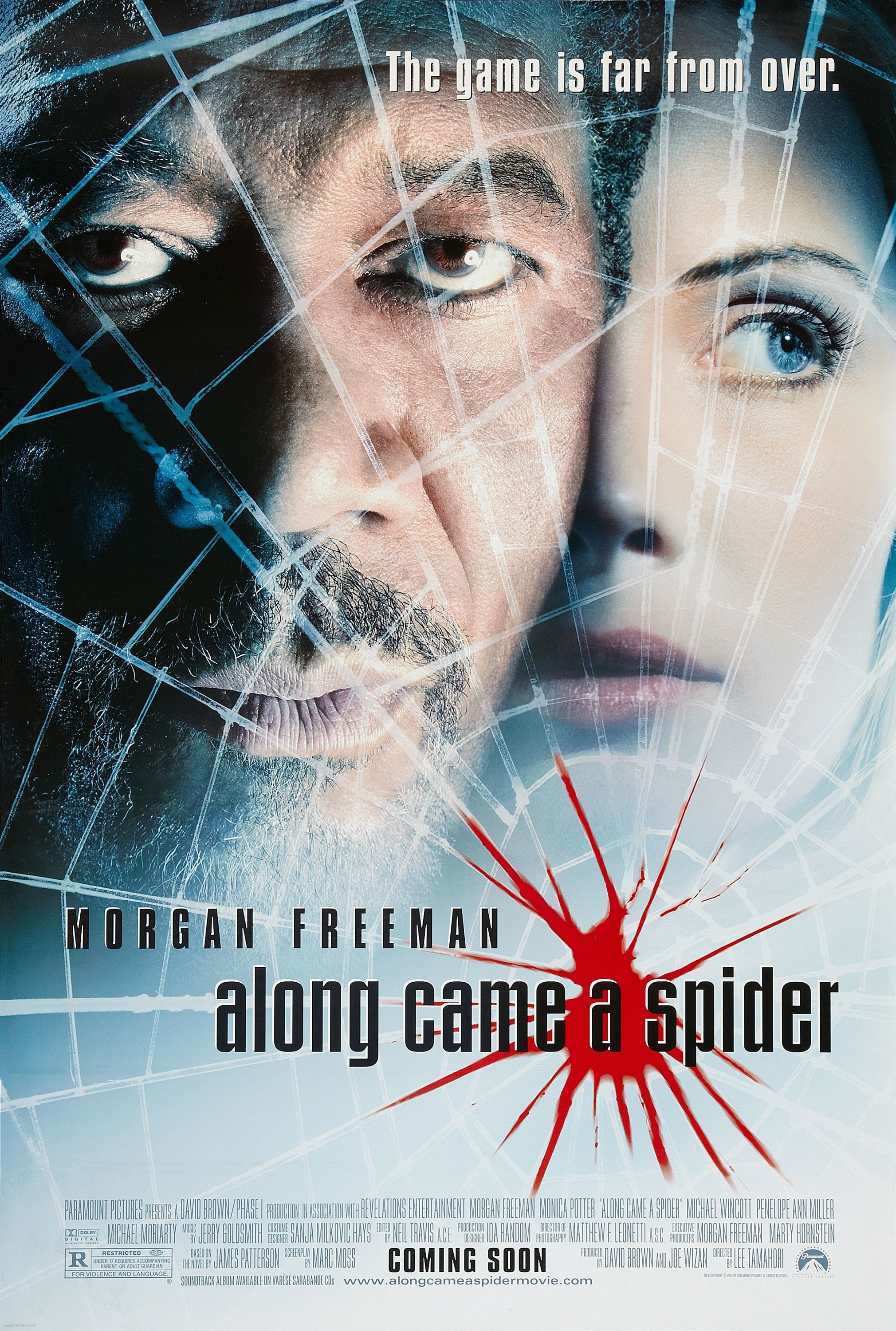
Released at the turn of the millennium, the movie Along Came a Spider stands as a defining entry in the psychological thriller and neo-noir crime subgenres. As we evaluate the film in 2026, its technical execution, structural plotting, and character dynamics continue to offer a masterclass in adapting complex crime fiction for the screen. Directed by Lee Tamahori and starring Morgan Freeman as the iconic detective Alex Cross, the film adapted James Patterson's 1993 bestselling novel, cementing a specific brand of cat-and-mouse cinematic tension that modern thrillers frequently reference.
Contents
Cinematic Anatomy and Production Context
Bringing James Patterson's Alex Cross character back to the screen after 1997's Kiss the Girls required a delicate balancing act between faithful source adaptation and high-octane Hollywood pacing. Morgan Freeman reprised his role as the Washington D.C. police detective, forensic psychologist, and author, establishing a grounded, intellectual gravity that anchored the film's more extravagant narrative swings.
The production design heavily favored brooding, rain-slicked Pacific Northwest aesthetics—standing in for the D.C. and Maryland settings—utilizing a desaturated color palette that emphasized the psychological weight of the abduction plot. The cinematography relied on tight framing, low-key lighting, and deliberate tracking shots to keep the audience inside Cross's analytical headspace.
Directorial Focus: Lee Tamahori prioritized practical effects, real location shooting, and sustained dialogue scenes over chaotic camera movements, allowing the intellectual duel between Cross and the antagonist, Gary Soneji, to drive the narrative momentum.
Narrative Structure and Plot Mechanics
The core conflict of the movie initiates with the high-stakes kidnapping of Megan Rose, the daughter of a prominent U.S. senator, from an elite private school. Gary Soneji, played with manic unpredictability by Michael Wincott, infiltrates the institution by posing as a computer science teacher.
Rather than focusing exclusively on a straightforward ransom pursuit, the screenplay introduces layers of deception. Jezzie FlanniganSecret Service agent assigned to protect the school, becomes deeply entwined with Soneji's plot, leading to a sprawling investigation that tests Alex Cross's professional code and personal limits.
- The Inciting Abduction: The meticulously planned kidnapping at the private academy establishes Soneji's criminal profile as a calculated attention-seeker reminiscent of historical figures like Charles Lindbergh or the fictional masterminds of classic detective fiction.
- The Psychological Game: Soneji does not merely want financial compensation; he demands recognition from Alex Cross, transforming the crime into an intellectual challenge rather than a simple extortion scheme.
- The Institutional Betrayal: The revelation of internal corruption within the protective detail adds a layer of paranoia, forcing Cross to question every ally he encounters within federal and local law enforcement agencies.
Character Dynamics: Alex Cross Versus Gary Soneji
The thematic resonance of the movie relies heavily on the dichotomy between Alex Cross and Gary Soneji. Cross represents methodical deduction, empathetic intelligence, and emotional restraint. Soneji embodies fractured narcissism, theatricality, and volatile impulsivity.
| Character | Primary Motivation | Professional Role | Key Psychological Trait |
|---|---|---|---|
| Alex Cross | Justice, truth, and victim protection | Detective / Forensic Psychologist | Analytical empathy and unwavering moral clarity |
| Gary Soneji | Infamy, historical notoriety, and validation | Imposter / Criminal Mastermind | Grandiose narcissism and calculated volatility |
| Jezzie Flannigan | Financial escape and professional redemption | Secret Service Agent | Compartmentalized desperation and compromised loyalty |
This dynamic subverts the standard hero-villain binary. Soneji's obsession with Cross creates a mirror effect where both men are defined by their intellect, though one uses it to preserve order while the other dismantles it.
Critical Reception and Cultural Impact
Upon its theatrical release, Along Came a Spider received mixed-to-positive reviews from critics, who praised Morgan Freeman's commanding screen presence while occasionally critiquing the labyrinthine twists of the final third act. However, over the past two decades, the film has achieved a stable reputation as a benchmark for early-2000s mid-budget studio thrillers—a category of cinema that has become increasingly rare in contemporary Hollywood production slates dominated by expansive intellectual property franchises.
The film's pacing, reliance on practical tension, and establishment of a cerebral investigator fighting systemic corruption laid conceptual groundwork for numerous procedural television shows and streaming crime dramas that emerged throughout the 2010s and 2020s.
Comparative Analysis: Book Versus Screen Adaptation
Adapting a 400-page James Patterson novel into a 105-minute feature film inevitably requires narrative compression. Readers of the original 1993 book noted several significant deviations in the cinematic adaptation.
- Antagonist Shift: In the novel, Soneji's role and ultimate fate differ substantially, with the film streamlining the plot to focus more intently on the dual partnership between Cross and Jezzie Flannigan.
- Setting Adjustments: While the novel features heavy geographic movement across different states, the film consolidates much of the tension around the Washington D.C. metropolitan region to maintain narrative velocity.
- Character Compression: Several secondary investigative figures from Patterson's literary universe were merged or omitted entirely to keep the audience focused squarely on the cat-and-mouse interplay between Freeman and Wincott.
Modern Re-Evaluation in 2026
Evaluating Along Came a Spider from a 2026 perspective reveals how the thriller genre has evolved. Contemporary audiences accustomed to hyper-serialized streaming narratives and digitally enhanced forensic procedurals may view the film's analog detective work—relying on library archives, physical surveillance, and direct psychological profiling—as a refreshing exercise in grounded storytelling.
Furthermore, the film's exploration of institutional surveillance, security vulnerabilities in elite infrastructure, and the psychological toll of criminal profiling remains strikingly relevant. It represents an era of filmmaking where star power, tight screenwriting, and performance-driven tension took precedence over computerized spectacle.
Frequently Asked Questions
Who directed the movie Along Came a Spider?
The film was directed by Lee Tamahori, a filmmaker known for his work across action, drama, and thriller genres, including Die Another Day and Once Were Warriors. Tamahori's direction brought a gritty, atmospheric visual style to the adaptation of James Patterson's novel.
Is Along Came a Spider a sequel to another movie?
Yes, it serves as the second cinematic installment featuring Morgan Freeman as detective Alex Cross, following the 1997 film Kiss the Girls. While it shares the same protagonist and thematic universe, the storyline functions as a standalone case rather than a direct narrative continuation.
What is the primary conflict between Alex Cross and the villain?
The core conflict revolves around Gary Soneji's desire to commit a historic crime and gain the personal recognition of Alex Cross. Soneji uses an elaborate kidnapping plot to force Cross into an intellectual game of cat-and-mouse, testing the detective's psychological limits.
How closely does the movie follow the original James Patterson book?
While the film captures the core premise and main characters of Patterson's 1993 novel, it implements significant narrative compression. Several subplots, character fates, and investigative sequences were altered or omitted to fit standard feature-film runtime constraints.
Where can viewers watch Along Came a Spider in 2026?
The film is widely available across multiple digital video-on-demand platforms, digital rental storefronts, and select subscription streaming libraries depending on regional licensing agreements.
Revisiting Along Came a Spider highlights the enduring appeal of intelligent, character-driven crime thrillers. Whether you are discovering Morgan Freeman's measured performance for the first time or revisiting the intricate twists of Soneji's plot, the film remains an essential touchstone of turn-of-the-millennium cinema. Explore digital rental platforms or physical media collections today to experience this classic cat-and-mouse thriller firsthand.
Image Gallery