Understanding Which Jellyfish Can Kill You: A Guide to Venomous Marine Hazards
While most jellyfish stings result in nothing more than localized pain, skin irritation, or temporary swelling, a small subset of species possesses venom potent enough to cause cardiovascular collapse or death in humans. Understanding...
While most jellyfish stings result in nothing more than localized pain, skin irritation, or temporary swelling, a small subset of species possesses venom potent enough to cause cardiovascular collapse or death in humans. Understanding the distinction between common stinging jellies and those that pose a genuine lethality risk is essential for anyone spending time in coastal waters, particularly in the Indo-Pacific region.
Contents
The Nature of Jellyfish Toxicity
Jellyfish belong to the phylum Cnidaria, a group of animals that utilize specialized cells called nematocysts. These microscopic, harpoon-like structures are stored within tentacles and are triggered by mechanical pressure or chemical contact. When a human brushes against a tentacle, thousands of these nematocysts can fire simultaneously, injecting complex protein-based toxins into the skin.
In most species, these toxins act as mild irritants. However, in the most dangerous species, the venom contains potent neurotoxins and cardiotoxins. These chemicals rapidly enter the bloodstream, potentially triggering a massive release of catecholamines—the body’s "fight or flight" chemicals—which can lead to immediate hypertensive crisis, pulmonary edema, and cardiac arrest.
High-Risk Species: The "Big Four" and Others
While hundreds of jellyfish species exist, the primary risk of mortality is concentrated among a few specific members of the class Cubozoa, commonly known as box jellyfish.
1. Chironex fleckeri (Australian Box Jellyfish)
Widely considered the most venomous marine creature on earth, the Chironex fleckeri is found in northern Australian waters and Southeast Asia. Its sting is notoriously painful, often causing the victim to go into shock and drown before they can reach the shore. The venom acts almost instantly on the heart, muscles, and nerves.
2. Carukia barnesi (Irukandji Jellyfish)
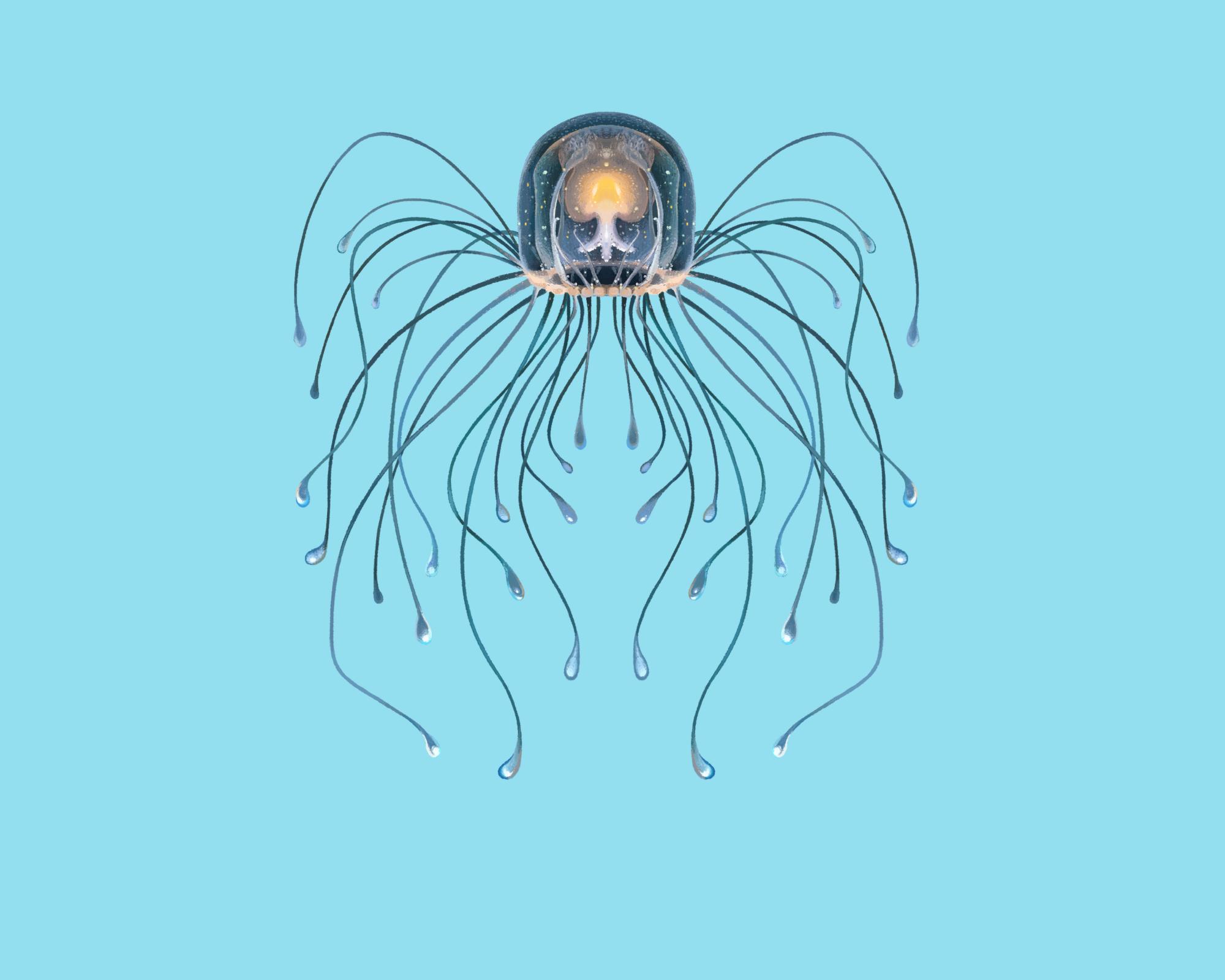
The Irukandji is tiny—often no larger than a human fingernail—making it nearly invisible in the water. Despite its size, its sting can cause "Irukandji Syndrome." This is a severe systemic condition characterized by excruciating muscle cramps, vomiting, severe back and limb pain, and life-threatening hypertension. While deaths are rarer than with Chironex, the systemic impact can lead to brain hemorrhage or heart failure.
3. Physalia physalis (Portuguese Man o' War)
Although technically a siphonophore (a colony of organisms rather than a single jellyfish), the Man o' War is often grouped with them due to its trailing, highly venomous tentacles. While fatalities are extremely rare, the sting is exceptionally painful and can cause severe systemic reactions, including respiratory distress, in sensitive individuals or children.
4. Malo kingi
Named after Robert King, a victim who died from its sting, this species is another Irukandji-type jellyfish. It is small, highly transparent, and possesses venom capable of inducing rapid cardiac failure.
Comparison of Dangerous Jellyfish Characteristics
| Species | Primary Region | Threat Level | Typical Symptoms |
|---|---|---|---|
| Chironex fleckeri | Indo-Pacific/Australia | Very High | Immediate agony, cardiac arrest |
| Carukia barnesi | Indo-Pacific | High (Systemic) | Severe cramps, extreme hypertension |
| Physalia physalis | Global (Oceanic) | Moderate/High | Intense burning, respiratory distress |
| Malo kingi | Australia | High (Systemic) | Severe pain, cardiac irregularity |
Recognizing Risk and Prevention
The risk of a lethal encounter is not evenly distributed across the globe. Geography is the most significant indicator of danger. If you are swimming in the tropical waters of the Indo-Pacific during the warmer months, the probability of encountering high-toxicity species increases significantly.
Essential Prevention Measures:
- Adhere to Warning Signs: Local surf lifesaving organizations and government authorities monitor jellyfish populations. If beaches are closed due to "stinger season," do not enter the water.
- Wear Protective Clothing: A full-body lycra suit or "stinger suit" provides a physical barrier that prevents the nematocysts from making contact with the skin. Even thin synthetic fabrics are usually sufficient to prevent the trigger mechanism from firing.
- Avoid Murky Water: In areas known for Irukandji or box jellyfish, avoid swimming in river mouths or areas where water visibility is low, as these creatures are harder to spot.
- Use Vinegar: In regions where Chironex is present, lifeguards often provide vinegar stations. Vinegar helps deactivate undischarged nematocysts, preventing further venom injection, although it does not treat the pain of the existing sting.
Immediate Action: What to Do After a Sting
If you or someone else is stung, time is the most critical factor. If you suspect the presence of a box jellyfish or Irukandji:
- Call for Emergency Help: Seek immediate medical attention. In Australia, call 000; in other regions, contact local emergency services immediately.
- Remove Tentacles: Carefully remove any remaining tentacles using tweezers or gloves. Do not rub the area, as this will trigger any remaining nematocysts to fire.
- Apply Vinegar: Liberally pour vinegar over the site for at least 30 seconds. This is the gold standard for neutralizing the venomous cells of many box jellyfish.
- Monitor Vitals: Keep the victim calm and still. If they become unconscious or show signs of cardiac distress, begin CPR immediately.
- Do Not Apply Freshwater: Freshwater can cause remaining nematocysts to fire due to osmotic changes. Use vinegar or salt water if vinegar is unavailable.
Medical Limitations and Professional Advice
This information is provided for educational purposes and does not substitute for professional medical advice or local safety protocols. If you are traveling to a region known for venomous jellyfish, familiarize yourself with the specific local protocols provided by the regional health authorities. Marine venom research is ongoing, and treatment protocols may be updated based on new findings regarding toxin pathways. Always prioritize the instructions of on-duty lifeguards and local medical professionals.
Frequently Asked Questions
Can a jellyfish sting really kill an adult?
Yes. While it is rare, the venom of species like Chironex fleckeri can kill an healthy adult in under five minutes through rapid cardiac arrest. The severity depends on the amount of venom injected and the victim's physical reaction.
Why do some jellyfish stings cause death while others just itch?
The difference lies in the complexity of the venom. Common jellies have toxins designed to paralyze small prey. Highly dangerous box jellyfish have evolved toxins that are potent enough to interact with human cardiovascular and nervous systems, causing massive systemic failure.
Does urine work to treat a jellyfish sting?
No. This is a persistent myth. Urine lacks the chemical properties to deactivate nematocysts and may actually cause more toxin to be released through pressure or changes in salinity. Stick to vinegar or saltwater.
Are there any areas where I am completely safe from jellyfish?
There is no absolute safety in the ocean. While lethal species have specific geographical ranges, even "safe" waters can contain jellyfish with moderate stinging capabilities. Always remain vigilant and observe local safety warnings.
How do I know if I've been stung by an Irukandji?
Symptoms are often delayed. You might feel a minor sting that seems insignificant at first, followed 20 to 40 minutes later by intense lower back pain, abdominal cramps, and difficulty breathing. If you feel any delayed systemic symptoms after a beach visit, seek medical care immediately.
Next Steps for Coastal Safety
Before entering the water in tropical, reef-heavy, or coastal regions, take ten minutes to visit the official website of the local tourism board or lifesaving agency. Check for current "Stinger Season" notifications and verify if specialized stinger-resistant suits are available for rent or purchase. Knowledge of your local marine environment remains your most effective defense against hazardous wildlife.
Image Gallery