Is Iceland a Rich Country? Analyzing its Economy and Quality of Life
Iceland is unequivocally considered a rich country, consistently ranking among the top nations globally for GDP per capita, human development, and social equality. As of 2026, its wealth is driven by high-value exports, a robust touris...
Iceland is unequivocally considered a rich country, consistently ranking among the top nations globally for GDP per capita, human development, and social equality. As of 2026, its wealth is driven by high-value exports, a robust tourism sector, and a pioneering green energy infrastructure that provides a high standard of living for its citizens.
Contents
Measuring Iceland’s Economic Wealth
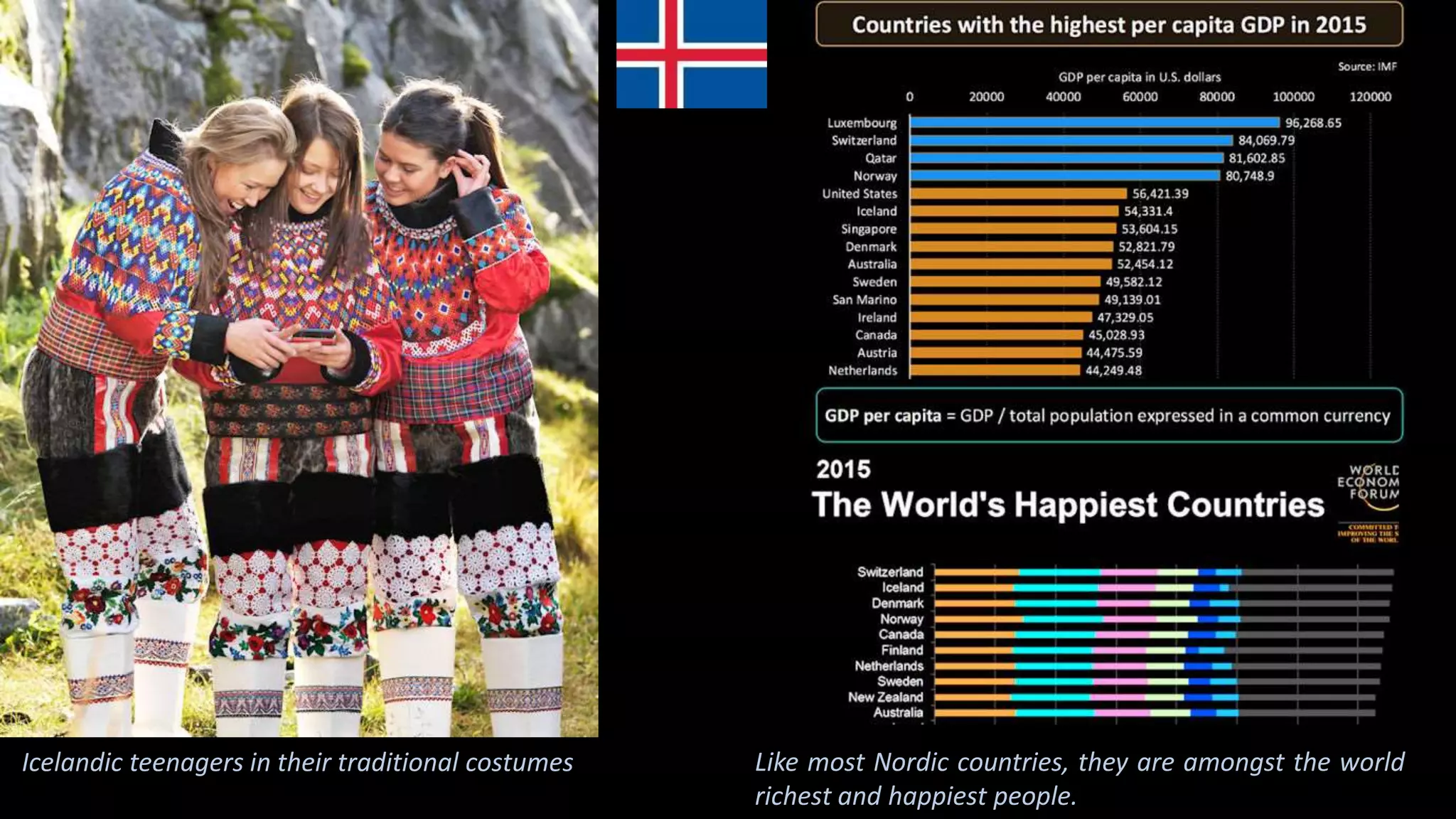
To understand if Iceland is "rich," economists typically look at Gross Domestic Product (GDP) per capita, adjusted for Purchasing Power Parity (PPP). This metric accounts for the relative cost of living and the inflation rates of the countries to compare the living standards between different nations.
Iceland consistently ranks in the top 10 to 15 nations worldwide. In 2026, its GDP per capita remains significantly higher than the European Union average. This high level of productivity is remarkable given Iceland’s small population of approximately 380,000 to 400,000 people. The wealth is not just concentrated in the hands of a few; Iceland maintains one of the lowest Gini coefficients in the world, which measures income inequality. This means the "richness" of the country is broadly distributed across its population through high wages and a comprehensive social safety net.
However, the "rich" label comes with a caveat: the cost of living. Iceland is frequently cited as one of the most expensive countries in the world. While residents earn high nominal salaries, a significant portion of that income is directed toward housing, imported goods, and services. Therefore, while the nation is wealthy in terms of output and assets, the "disposable income" experience of an Icelander is often comparable to that of a middle-class professional in Switzerland or Norway.
The Pillars of the Icelandic Economy
Iceland's transition from a poor, agrarian society dominated by subsistence fishing in the early 20th century to a modern, high-tech economy is one of the most successful economic transformations in history. This wealth is built on four primary pillars:
1. The Blue Economy: Fisheries
Fisheries remain the backbone of the Icelandic economy. Unlike many other nations that depleted their stocks, Iceland implemented a sophisticated Individual Transferable Quota (ITQ) system. This system ensures sustainable fishing levels while maximizing the value of the catch. Iceland does not just export raw fish; it has pioneered "100% fish utilization," where byproducts are used in medical technology (such as fish skin for wound healing), cosmetics, and supplements.
2. The Green Economy: Renewable Energy
Iceland is unique in that nearly 100% of its electricity and heating comes from renewable sources—specifically geothermal and hydroelectric power. This provides a massive economic advantage. By offering low-cost, sustainable energy, Iceland has attracted energy-intensive industries like aluminum smelting and, more recently, high-performance data centers. In 2026, as the world prioritizes decarbonization, Iceland’s green energy surplus acts as a sovereign wealth generator and a magnet for foreign direct investment.
3. The Tourism Boom
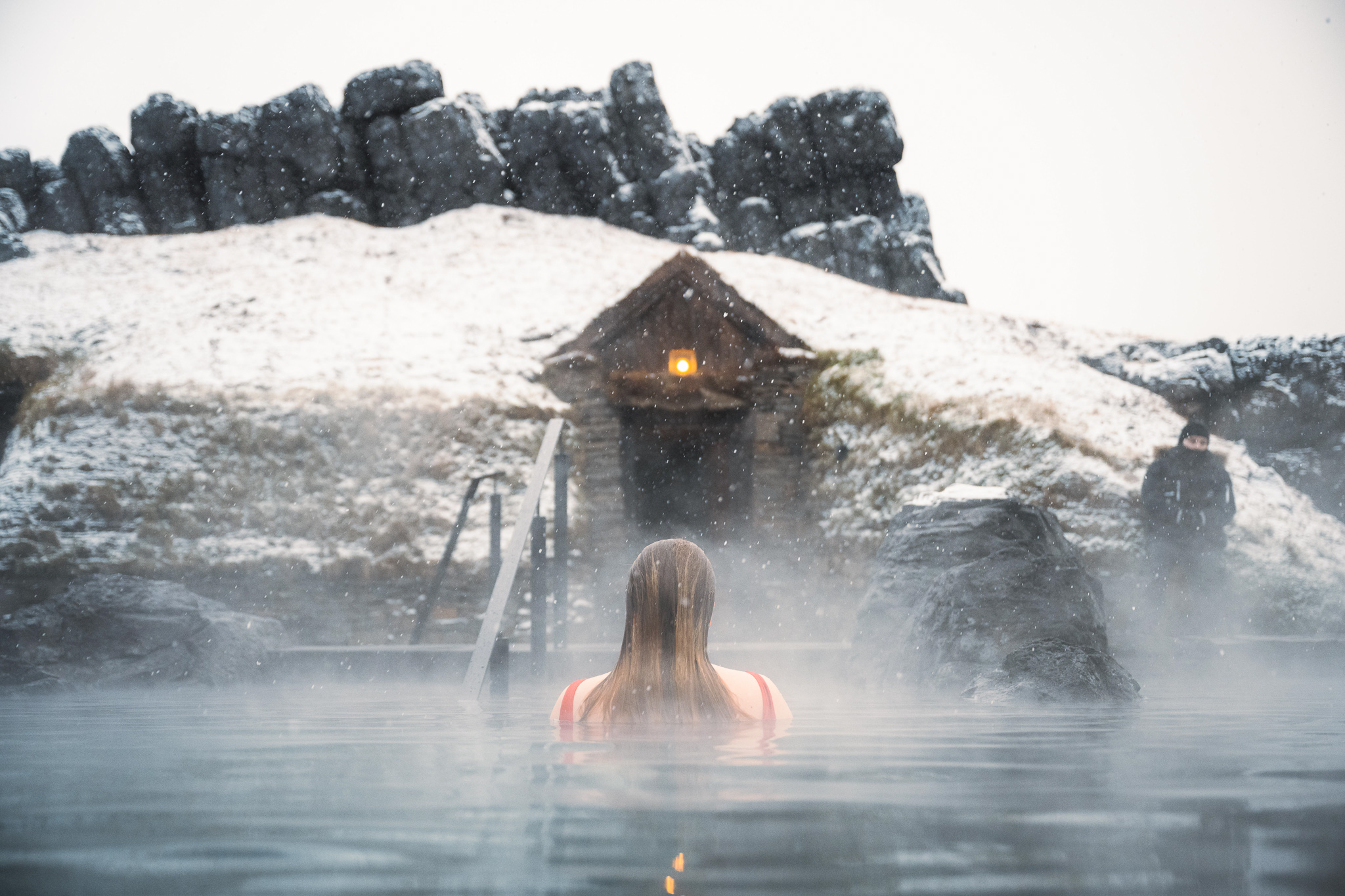
Since the 2010 eruption of Eyjafjallajökull, tourism has surged to become a primary driver of foreign exchange. Iceland’s "richness" is visible in its modern tourism infrastructure, from luxury hotels in Reykjavik to remote wellness retreats like the Blue Lagoon and Sky Lagoon. The government has managed this growth by implementing "tourist taxes" and environmental fees to ensure that the wealth generated by visitors contributes to the preservation of the natural landscapes they come to see.
4. Innovation and Technology
Iceland has diversified into biotechnology, software development (particularly in gaming and carbon capture technology), and pharmaceuticals. Companies like Össur (prosthetics) and deCODE Genetics (genomics) are global leaders in their fields. This sector provides high-paying jobs for a highly educated workforce, ensuring that the country’s wealth is not entirely dependent on natural resources.
Comparing Iceland to Other Wealthy Nations
To contextualize Iceland's wealth, it is helpful to compare it with its Nordic neighbors and other high-income economies.
| Metric (2026 Estimates) | Iceland | Norway | USA | Denmark |
|---|---|---|---|---|
| GDP per Capita (PPP) | ~$72,000 | ~$85,000 | ~$78,000 | ~$70,000 |
| Human Development Index (HDI) | Very High (Top 5) | Very High (Top 3) | High | Very High (Top 10) |
| Gini Coefficient (Inequality) | ~25.0 (Very Low) | ~26.0 (Very Low) | ~41.0 (High) | ~28.0 (Low) |
| Unemployment Rate | ~3.5% | ~3.8% | ~4.1% | ~4.5% |
| Main Export Sector | Seafood/Aluminum/Energy | Oil/Gas/Seafood | Tech/Finance/Energy | Pharma/Shipping |
Source: General economic projections based on World Bank and IMF data trends.
The Social Dimension: Is Quality of Life Part of Wealth?
In Iceland, "wealth" is defined by more than just bank balances. The Icelandic model is a variant of the Nordic Welfare Model, which emphasizes high taxes in exchange for universal services.
- Healthcare: Icelanders have access to a universal, state-funded healthcare system. The country consistently reports some of the highest life expectancy rates and lowest infant mortality rates in the world.
- Education: Education is largely free or heavily subsidized through the university level. A highly literate and skilled population is a form of "human capital wealth" that fuels the tech and innovation sectors.
- Safety and Peace: Iceland is frequently ranked as the most peaceful country in the world by the Global Peace Index. It has no standing army and a very low crime rate. This social stability reduces the "hidden costs" of living, such as high security expenses or insurance premiums found in other wealthy but less stable nations.
- Gender Equality: Iceland has topped the World Economic Forum’s Global Gender Gap Report for over a decade. By maximizing the participation of all genders in the workforce, Iceland effectively doubles its talent pool, a significant factor in its economic prosperity.
The Cost of Prosperity: Challenges to Icelandic Wealth
Despite being a rich country, Iceland faces unique economic hurdles that can make its wealth feel precarious to its citizens.
High Cost of Living
Because Iceland is a remote island, almost all consumer goods—from automobiles to avocados—must be imported. This leads to high prices. Furthermore, the Icelandic Króna (ISK) is a "micro-currency." It is subject to volatility, which can lead to rapid price changes for imported goods.
The Housing Crisis
As of 2026, the shortage of affordable housing in the capital region remains a significant issue. The influx of tourism has led to many apartments being used for short-term rentals (like Airbnb), driving up rents for locals. Even with high salaries, young Icelanders often struggle to enter the property market.
Vulnerability to Natural Disasters
Iceland's wealth is literally built on a volcanic landscape. Seismic activity and volcanic eruptions (such as the Reykjanes Peninsula activity from 2021-2026) can disrupt infrastructure, tourism, and local industries. The cost of maintaining and rebuilding infrastructure in such a geologically active zone is a constant drain on the national budget.
The 2008 Financial Crisis: A Lesson in Resilience
Any discussion of Iceland’s wealth must mention the 2008 financial collapse. At that time, Iceland’s three largest banks failed, and the country’s economy shrunk significantly. Unlike many other nations, Iceland allowed the banks to fail, protected domestic depositors, and even prosecuted several high-level banking executives.
The recovery was swift, fueled by the tourism boom and a devaluation of the Króna that made Icelandic exports more competitive. This period taught the nation the importance of economic diversification and strict financial regulation, which has informed its fiscal policies leading into 2026.
Frequently Asked Questions
Is Iceland richer than the United States?
In terms of Gross GDP, no; the US is the world's largest economy. However, in terms of GDP per capita (PPP) and quality of life metrics, Iceland often ranks higher. Icelanders generally have better access to healthcare, longer life expectancies, and less income inequality than the average American.
Why is everything so expensive in Iceland?
High prices are driven by three main factors: high import costs due to the country's remote location, high VAT (value-added tax) and labor costs, and a small market that lacks the "economies of scale" found in larger nations.
Do Icelanders pay high taxes?
Yes, Iceland has relatively high income tax rates compared to the US, but these taxes fund "free" healthcare, "free" education, and a robust social safety net. When you subtract the costs that citizens in other countries pay out-of-pocket for these services, the effective cost is often comparable.
Is Iceland's wealth sustainable?
Iceland is a world leader in sustainability. By utilizing geothermal energy and strictly managing its fisheries, it has built an economy that is less dependent on fossil fuels than almost any other developed nation. However, it remains vulnerable to global tourism trends and climate-related changes in fish migration patterns.
Is there poverty in Iceland?
While Iceland has one of the lowest poverty rates in the world, it is not non-existent. "Relative poverty" exists, particularly among immigrants, single parents, and the elderly who rely solely on state pensions. However, the social welfare system is designed to provide a minimum standard of living that prevents the extreme poverty seen in many other wealthy nations.
Practical Recommendation: Viewing Iceland Through a Modern Lens
If you are evaluating Iceland’s wealth for investment, relocation, or academic study, it is essential to look beyond the raw GDP numbers. Iceland is a "rich" country because it has successfully converted its limited natural resources into high-value intellectual and sustainable assets.
For travelers, this wealth means you should expect premium services but also premium prices. For investors, it offers a stable, transparent environment with a focus on "green" tech. For those looking at social models, Iceland serves as a primary example of how a small population can achieve outsized economic influence through education, equality, and environmental stewardship.
Next Action: To see how Iceland's wealth affects your specific interests, consult the latest reports from Statistics Iceland (Hagstofa Íslands) for real-time data on inflation, wages, and industry growth.
Image Gallery