The 3 Best Loans for Weddings: Financing Your Special Day
Choosing the right financial product to cover wedding expenses requires balancing your immediate need for liquidity with long-term repayment sustainability. The three most effective options for most couples include unsecured personal l...
Choosing the right financial product to cover wedding expenses requires balancing your immediate need for liquidity with long-term repayment sustainability. The three most effective options for most couples include unsecured personal loans, 0% APR introductory credit cards, and home equity lines of credit (HELOCs). Each of these tools functions differently regarding interest rates, approval speed, and collateral requirements.
Contents
Understanding Wedding Financing Options
Financing a wedding is a significant financial decision that often falls into the category of "consumer debt." Unlike a mortgage or a business loan, these funds are used for discretionary spending, meaning they do not generate an asset that increases in value. Consequently, the primary goal for any couple considering a loan should be to minimize the total cost of borrowing through the lowest possible interest rates and a strict repayment plan.
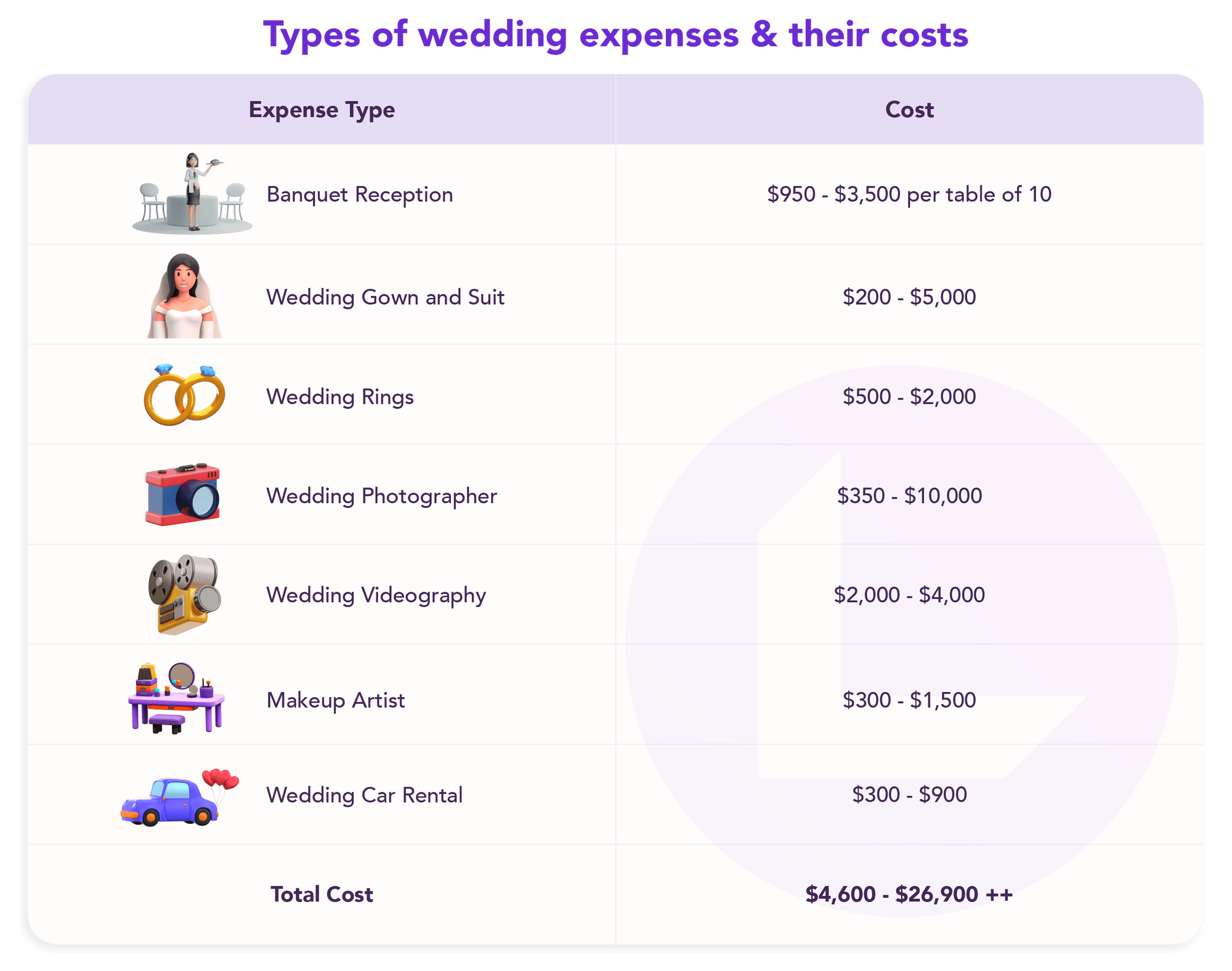
Before applying for any financing, calculate your total wedding budget meticulously. Ensure you have accounted for non-negotiable expenses—such as venue deposits and catering—as well as "buffer" funds for unexpected costs that frequently arise during the planning process.
1. Unsecured Personal Loans
Personal loans are currently the most common vehicle for wedding financing because they offer a fixed interest rate and a structured repayment term, typically ranging from two to seven years.
Why they work: Because these loans are "unsecured," you do not need to pledge assets like your home or car as collateral. Approval is based primarily on your credit score, debt-to-income (DTI) ratio, and income history.
Key considerations:
- Fixed Payments: You will know exactly how much you need to pay each month, which simplifies budgeting during the stressful months leading up to and following the wedding.
- Credit Impact: High-credit-score applicants (usually 700+) typically qualify for significantly lower rates. If your credit score is lower, the interest rates can become prohibitively expensive, potentially increasing the total cost of your wedding by thousands of dollars.
- Origination Fees: Many lenders charge an "origination fee"—a one-time cost deducted from the loan amount—which can range from 1% to 8%. Always ask for the Annual Percentage Rate (APR), which reflects both the interest rate and these fees, to get an accurate comparison.
2. 0% APR Introductory Credit Cards
For couples who are confident in their ability to pay off their debt within 12 to 18 months, 0% APR credit cards can be the most cost-effective solution, effectively acting as an interest-free loan.
Why they work: These cards offer an introductory period where no interest is charged on purchases. If you manage your wedding expenses via credit card and pay the full balance before the promotional period expires, you pay zero interest.
Key considerations:
- The Danger of Residual Debt: If you fail to pay the entire balance before the introductory period ends, the interest rate (APR) typically jumps to a much higher standard rate, which can be 20% or more.
- Credit Limits: Credit cards often have lower limits than personal loans. You may need to apply for multiple cards or rely on high-limit cards to cover substantial costs.
- Rewards: Some cards offer travel points or cash back, which can be useful for honeymoon bookings, provided you treat the card as a tool for short-term liquidity rather than long-term debt.
3. Home Equity Lines of Credit (HELOC)
If you own a home with significant equity, a HELOC can provide a lower-interest alternative to personal loans. A HELOC functions as a revolving line of credit, similar to a credit card, secured by your property.
Why they work: Because the loan is secured by your home, lenders often offer lower interest rates compared to unsecured personal loans. This can be an efficient way to fund a large-scale wedding at a lower total cost.
Key considerations:
- Collateral Risk: The most significant downside is that your home is the collateral. If you are unable to make the payments, you risk foreclosure. This option should only be considered if you have a rock-solid, stable income and a clear path to repayment.
- Variable Rates: Most HELOCs have variable interest rates. In a fluctuating interest rate environment, your monthly payments could rise unexpectedly, unlike the fixed payments of a personal loan.
- Closing Costs: Unlike personal loans, HELOCs may come with closing costs, including appraisal fees and legal filing fees, which can make them less attractive for smaller borrowing needs.
Comparison of Wedding Financing Options
| Feature | Personal Loan | 0% APR Credit Card | HELOC |
|---|---|---|---|
| Collateral | None | None | Home Equity |
| Interest Type | Fixed | 0% (Intro) / High Variable | Variable |
| Best For | Predictable repayment | Quick, smaller debts | Large, long-term funding |
| Primary Risk | Higher interest if low credit | High rates after promo ends | Risk of foreclosure |
Essential Steps Before You Apply
Before you commit to any financial product, perform a "stress test" on your finances:
- Check Your Credit Report: Ensure there are no errors on your report that could lower your score. A better credit score directly correlates to lower interest rates.
- Review the Total Cost of Borrowing: Always calculate the total amount you will pay over the life of the loan. A loan with a lower monthly payment but a longer term will result in higher total interest paid.
- Establish a Repayment Budget: Incorporate the monthly loan payment into your post-wedding budget immediately. Do not rely on future gift money to pay off the debt, as this is an unreliable variable.
- Compare Multiple Lenders: Never accept the first offer. Use online comparison tools to view offers from credit unions, traditional banks, and online fintech lenders. Credit unions often provide more competitive rates than large commercial banks.
Frequently Asked Questions
Is it a bad idea to take out a loan for a wedding? Taking a loan is a personal financial decision. It is generally advised only if you have a stable, verifiable income that allows you to pay off the debt within a reasonable timeframe (typically 2-3 years) without compromising your long-term financial goals like retirement savings or emergency funds.
How much interest should I expect to pay? Interest rates vary based on the current economic environment and your individual credit profile. As of 2026, personal loan rates for those with excellent credit typically range from 7% to 15%. If your credit is fair or poor, rates can exceed 25%, making the loan an expensive way to fund a wedding.
Can I get a joint loan with my partner? Yes. Applying for a loan jointly can increase your chances of approval and potentially secure a lower interest rate if one partner has a stronger credit history. Remember that both partners are legally responsible for the debt, regardless of the status of the marriage.
What happens if I cannot make a payment? If you miss a payment on a personal loan or credit card, your credit score will drop significantly, which may make future borrowing (such as a mortgage or car loan) much harder and more expensive. With a HELOC, a missed payment could potentially lead to default proceedings on your home.
Are there alternatives to loans? Before choosing a loan, consider delaying the wedding to save cash, scaling back the guest list, or choosing a less expensive venue. These options avoid debt entirely and eliminate the interest expense associated with financing.
Next Steps for Couples
If you have determined that a loan is necessary, begin by checking your credit score through a reputable, free credit-monitoring service. Once you understand your standing, request "pre-qualification" offers from at least three different lenders. Pre-qualification usually involves a "soft" credit pull, which does not affect your credit score, allowing you to compare potential rates and terms across different financial institutions safely. Once you have selected the most favorable offer, proceed with a formal application, ensuring you have your proof of income and identity documentation ready to expedite the process.
Image Gallery