The Negotiability of a Check Explained: Legal Principles, Requirements, and Validity
The negotiability of a check refers to its legal status as a transferable, unconditional promise or order to pay a fixed amount of money, governed by the Uniform Commercial Code. For a check to be considered negotiable, it must meet st...
The negotiability of a check refers to its legal status as a transferable, unconditional promise or order to pay a fixed amount of money, governed by the Uniform Commercial Code. For a check to be considered negotiable, it must meet strict statutory requirements, including being written, signed, containing an unconditional promise to pay, and being payable on demand or at a definite time.
Contents
Understanding how financial instruments move through the banking system requires a clear grasp of what makes a document legally enforceable as money. While electronic payments dominate modern commerce, paper checks remain legally binding instruments governed by centuries of commercial law. When a drawer writes a check to a payee, that piece of paper represents much more than a simple instruction to a bank; it functions as a transferable asset under specific legal frameworks. Grasping these rules helps consumers, businesses, and financial professionals avoid costly deposit rejections, understand liability, and ensure transactions comply with banking regulations.
Legal Foundations and the Uniform Commercial Code
In the United States, the legal foundation for check negotiability rests primarily on Article 3 of the Uniform Commercial Code (UCC). The UCC provides a standardized set of laws governing commercial transactions across state lines, ensuring consistency in how banks and legal systems handle negotiable instruments like checks, promissory notes, and drafts.
When a check satisfies every statutory element defined in the UCC, it achieves the status of a "negotiable instrument." This status grants the holder special legal protections, notably the rights of a "Holder in Due Course" (HDC). An HDC takes the instrument for value, in good faith, and without notice that it is overdue, has been dishonored, or is subject to any defense or claim. This means a genuine holder in due course can often collect funds even if an underlying dispute arose between the original drawer and the payee, shielding innocent third parties from commercial disputes.
Conversely, if a document fails to meet the strict criteria of negotiability, it ceases to be a negotiable instrument under Article 3. Instead, it becomes a simple non-negotiable contract or assignment. Transferring a non-negotiable document does not give the transferee better rights than the transferor had, leaving the recipient vulnerable to any defenses the original drawer might raise against payment.
Core Statutory Requirements for a Check to Be Negotiable
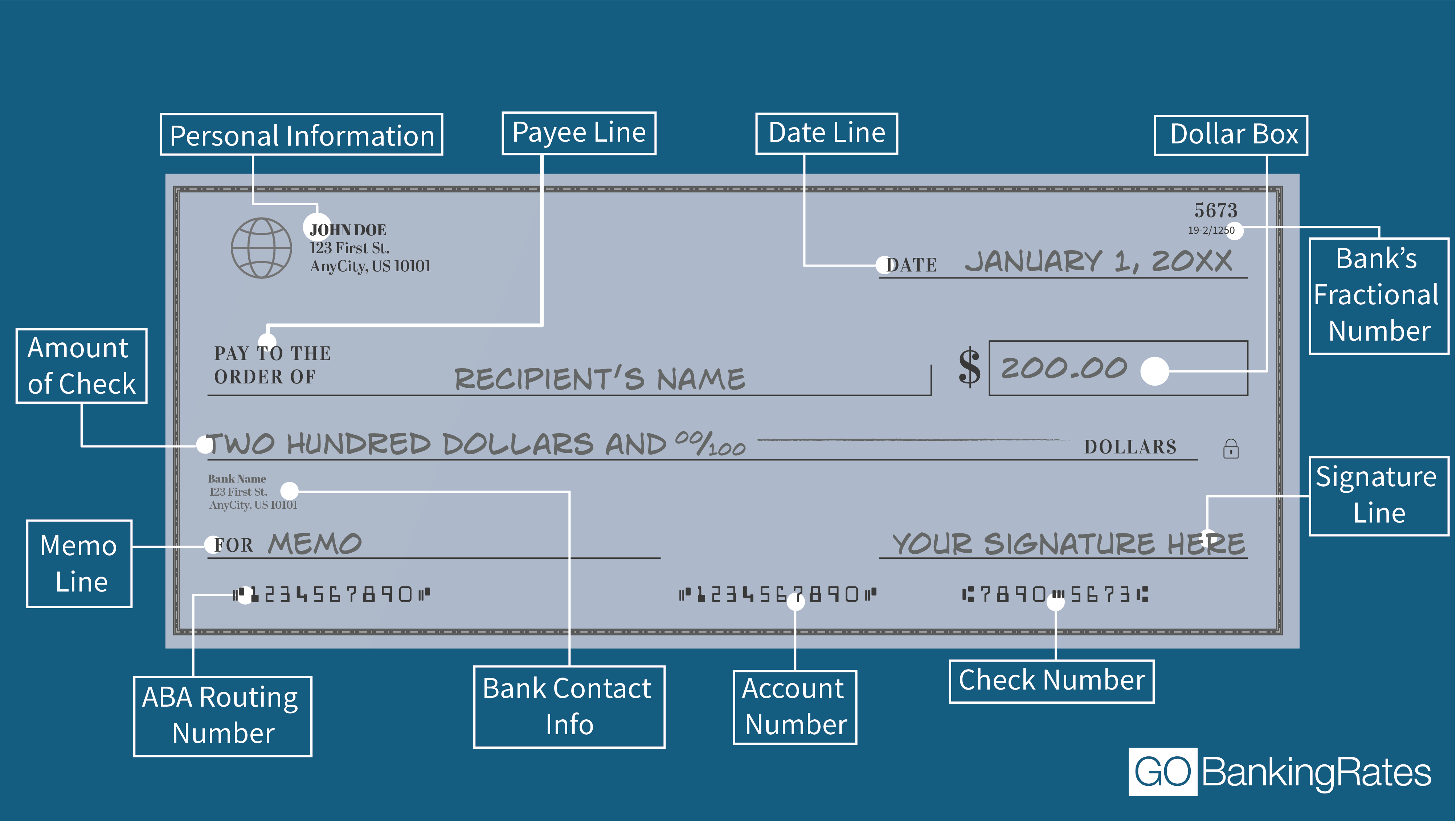
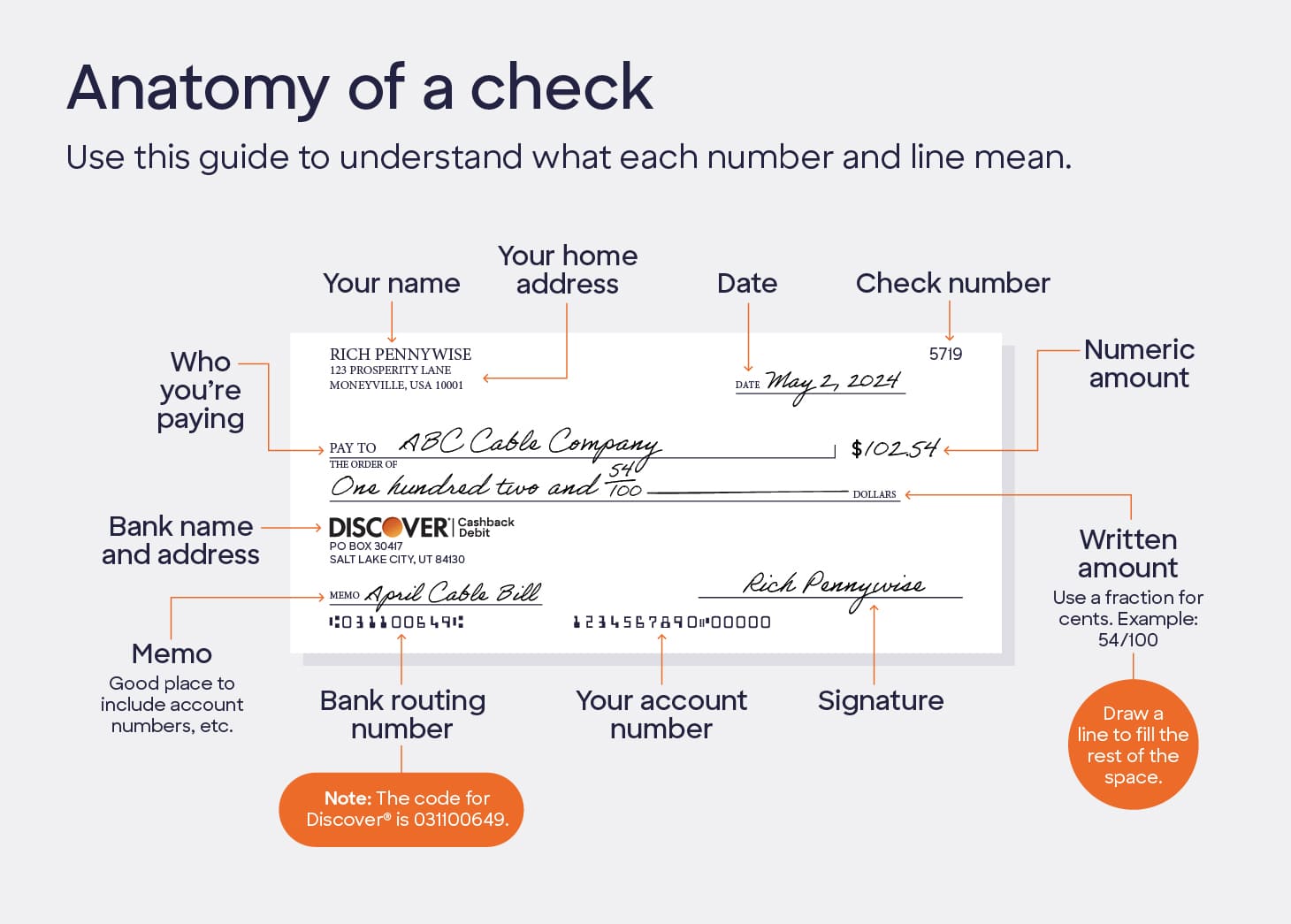
To possess the legal superpower of negotiability, a check must contain specific, unyielding elements on its face. The absence of even one of these elements destroys its status as a negotiable instrument. According to UCC Article 3, a valid negotiable check must adhere to the following strict criteria:
- In Writing and Signed: The instrument must be reduced to writing and bear the signature of the drawer (the person whose account the funds will be drawn from). The signature can be handwritten, stamped, or legally recognized electronic signatures, provided it authenticates the document.
- Unconditional Promise or Order to Pay: The text must contain an unconditional directive to pay. Language that makes payment contingent on a separate agreement—such as "Payable only if the landscaping is completed satisfactorily"—destroys negotiability. It must be a direct, unconditioned command to the drawee bank.
- Fixed Amount of Money: The instrument must call for the payment of a precise sum of money. While interest can be calculated if stated, referencing foreign goods, commodities, or services instead of legal tender invalidates negotiability.
- Payable on Demand or at a Definite Time: Checks are inherently demand instruments, meaning they are payable immediately upon presentation to the bank. A check that lacks a specific payment timeframe or states it is payable only upon an uncertain future event fails the test.
- Payable to Order or to Bearer: The instrument must explicitly indicate who is entitled to receive the funds. Magic words such as "Pay to the order of John Doe" (order paper) or "Pay to Cash" / "Pay to Bearer" (bearer paper) are mandatory.
Characteristics of Negotiability vs. Non-Negotiability
To clearly distinguish how standard banking instruments compare against conditional or flawed documents, the following table breaks down the core distinctions under commercial law.
| Feature / Element | Negotiable Check | Non-Negotiable Instrument |
|---|---|---|
| Governing Law | UCC Article 3 | General contract law |
| Transferability | Transferred via endorsement and delivery | Transferred via formal assignment |
| Holder Rights | Can attain "Holder in Due Course" protections | Transferee steps directly into transferor's shoes |
| Conditions | Must be unconditional; no outside contingencies | Can include performance conditions or contingencies |
| Defense Vulnerability | Immune to many underlying personal defenses | Subject to all claims and defenses of the original parties |
How Endorsement Transfers Negotiability
The true utility of a negotiable check lies in its ability to be passed from person to person or business to business through the process of negotiation. Negotiation involves two steps: the transfer of possession of the instrument and its proper endorsement by the current holder.
Endorsements fundamentally alter the legal nature and negotiability path of a check. Understanding the types of endorsements helps protect account holders from theft, loss, and unauthorized cashing:
- Blank Endorsement: The payee simply signs their name on the back of the check. This transforms order paper into bearer paper, meaning anyone who holds the physical check can cash or deposit it. A blank-endorsed check lost in transit is vulnerable to immediate cashing by finders.
- Special Endorsement (Full Endorsement): The payee writes "Pay to the order of [Specific Person/Business]" and signs their name below. This restricts further negotiation, ensuring that only the named entity can negotiate or deposit the check.
- Restrictive Endorsement: The payee adds instructions such as "For Deposit Only" alongside their signature. This locks the instrument into the banking collection chain, preventing third-party cash conversion and mandating that funds enter the specified account.
Common Obstacles and Actions That Destroy Negotiability
Many everyday notations, consumer habits, and formatting errors inadvertently strip a check of its negotiability. When a check is rendered non-negotiable, banks may exercise their right to refuse deposit, or the holder may lose legal protections if a dispute arises.
Conditional Language and Memos
Writers frequently attempt to control business outcomes by writing phrases in the memo line or body, such as "Paid in full for disputed invoice #402" or "Valid only if cashed within 30 days." While memo-line notations are often treated as informational reminders by banks, language that introduces conditional requirements directly into the promise to pay can ruin negotiability. If a bank’s automated processing or teller notices conditional wording attached to the order, they may reject the deposit to avoid liability.
Alterations and Stale Dates
A check must remain unaltered to maintain its integrity. Physical erasures, cross-outs of the numerical amount, or conflicting figures between the written words and the numerical box create legal ambiguity. Under UCC rules, if words and numbers conflict, the written words control; however, severe discrepancies often prompt banks to place a hold or return the item.
Additionally, timing impacts negotiability in practical terms. While banks are not legally obligated under the UCC to honor checks presented more than six months after their date of issuance (commonly referred to as "stale-dated" checks), they maintain the operational discretion to pay them unless the drawer has placed a formal stop-payment order on the account.
Frequently Asked Questions About Check Negotiability
Can a bank refuse to cash a negotiable check?
Yes. Even if a check meets all technical requirements of negotiability under the UCC, a bank can refuse to cash it under specific circumstances. Common reasons include insufficient funds in the drawer's account, suspected fraud, inability of the presenter to provide satisfactory identification, or a valid stop-payment order placed by the account holder.
Does writing "For Deposit Only" on the back change negotiability?
Writing "For Deposit Only" creates a restrictive endorsement rather than destroying the document's underlying negotiability. It restricts how the instrument can be negotiated by forcing the funds to be deposited into a bank account matching the endorsement, preventing it from being signed over to a third party for cash.
What happens if the numerical amount and written amount differ?
According to UCC Section 3-118(c), if an instrument contains contradictory terms regarding the sum payable, the handwritten words control over the figures. For example, if the numerical box reads "$500" but the written line says "Five Thousand Dollars," the legal amount of the check is five thousand dollars. However, banks routinely return such checks due to the high risk of ambiguity and potential fraud.
Are digital or mobile check images considered negotiable instruments?
An original paper check is a negotiable instrument. When digitized via mobile banking apps, the electronic image and associated data are governed by the Check Clearing for the 21st Century Act (Check 21 Act). Check 21 gives substitute checks the same legal standing as the original paper items, allowing the electronic collection process to function seamlessly while preserving the instrument's legal traits.
Can a personal check be made payable to cash?
Yes. A check made payable to "Cash" or "Bearer" is legally classified as bearer paper. Because no specific payee is named, anyone who physically holds the document can negotiate it. This practice carries severe security risks; if a cash check is lost or stolen, any finder can present it to a teller and withdraw the funds without needing an endorsement signature.
Practical Next Steps for Resolving Check Issues
If you encounter a rejected check or face uncertainty regarding a disputed financial instrument, follow these steps to protect your interests:
- Examine the Physical Document: Inspect the front and back for missing signatures, conflicting numbers, conditional phrasing, or missing "Pay to the order of" language.
- Consult Your Bank: Speak with a branch manager or bank operations specialist to understand the exact operational reason for a rejection or deposit hold.
- Secure Replacement or Reissue: If a check is non-negotiable or heavily altered, contact the issuer immediately to request a clean, reissued check or an alternative electronic payment method such as an ACH transfer or wire.
- Maintain Documentation: Keep copies of the returned check, deposit slips, and written communications with the drawer or financial institution to preserve your rights in any subsequent commercial dispute.
Image Gallery