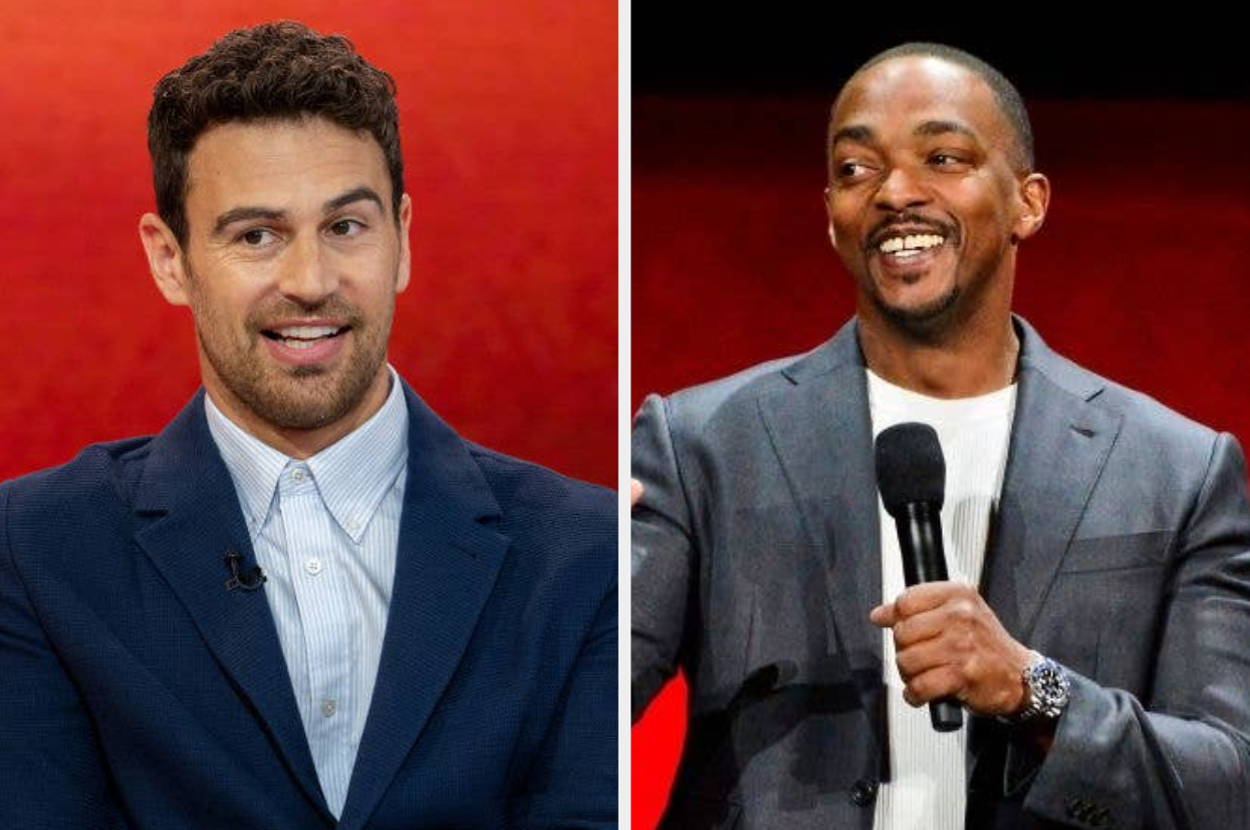
The Anthony Mackie Photo Controversy: What Changed and Why Fans Are Divided
The primary change in the Anthony Mackie photo—specifically promotional stills from Captain America: Brave New World—is the dramatic shift from the bright, comic-accurate white-and-blue suit seen in The Falcon and the Winter Soldier to...
The primary change in the Anthony Mackie photo—specifically promotional stills from Captain America: Brave New World—is the dramatic shift from the bright, comic-accurate white-and-blue suit seen in The Falcon and the Winter Soldier to a darker, navy-blue tactical suit. Opinions differ because some fans value comic fidelity and visual distinctiveness, while others prefer a grounded, "stealth-oriented" aesthetic reminiscent of previous Captain America films.
Contents
Identifying the Specific Photo in Question
To understand the discourse surrounding Anthony Mackie in 2026, one must look back at the marketing cycle for Captain America: Brave New World, which saw its theatrical release in early 2025. The "photo" that sparked global debate was the first official high-resolution still released by Marvel Studios, followed closely by behind-the-scenes leaks.
In these images, Mackie’s Sam Wilson is depicted not in the vibrantly colored, Wakandan-designed suit he donned at the end of the Disney+ series The Falcon and the Winter Soldier (2021), but in a much more utilitarian, dark-toned ensemble. For a fandom that had waited years to see Sam Wilson fully embrace the mantle of Captain America, this visual pivot felt like a significant departure. The debate intensified when subsequent trailer footage showed the suit in motion, leading to technical discussions about color grading, CGI integration, and the narrative intent behind the costume change.
Key Changes: Suit Design, Color Palette, and Materials
The evolution of Sam Wilson’s appearance is not merely a matter of changing clothes; it represents a fundamental shift in the character's visual branding within the Marvel Cinematic Universe (MCU).
From Comic-Accurate White to Tactical Navy
The most glaring change is the color palette. The suit introduced in 2021 was heavily inspired by the Nick Spencer and Daniel Acuña run of Captain America comics. It featured a dominant white torso and shoulders, accented by bright red and blue. It was a "hero" suit designed to be seen—a symbol of transparency and hope.
In contrast, the Brave New World photo showcases a suit that is almost entirely navy blue. The white elements are significantly reduced, relegated to minor accents or removed entirely. This shift brings the aesthetic much closer to the "Stealth Suit" worn by Steve Rogers in Captain America: The Winter Soldier (2014). For many, this change felt like a "de-individualization" of Sam Wilson, moving him away from his unique identity and back toward the shadow of his predecessor.
Structural Modifications and Headgear
Beyond color, the structural design of the suit underwent a transformation. The The Falcon and the Winter Soldier (TFATWS) suit featured a prominent cowl that wrapped around the neck and head, integrating the goggles into a seamless silhouette. The new photo reveals a more traditional flight suit collar.
Furthermore, the materials appear more reinforced. The TFATWS suit had a sleek, almost athletic fabric texture, emphasizing agility. The 2025/2026 era suit looks "heavier," with visible padding, tactical webbing, and a matte finish that suggests ballistic protection over aerodynamic speed.
The Core of the Debate: Aesthetics vs. Narrative Logic
Why does a simple costume change ignite such fierce debate? The disagreement generally falls into two philosophical camps regarding how superheroes should be portrayed on screen.
The Argument for the "Stealth Suit" Approach
Supporters of the change argue that the new suit fits the tone of Brave New World. As a political thriller involving the President of the United States (played by Harrison Ford), the film required a more grounded, military-adjacent look.
- Practicality: A bright white suit is a liability in a tactical environment.
- Narrative Continuity: The suit reflects Sam’s new role as an official operative within the U.S. military or government infrastructure, rather than an independent freelancer.
- Legacy: It pays homage to the fan-favorite Winter Soldier era, which many consider the gold standard for MCU costume design.
The Criticism of Losing Sam Wilson’s Identity
Conversely, critics of the change feel that Marvel "muted" Sam Wilson. The white suit was a bold statement—a Black man stepping into the role of Captain America and refusing to hide. By reverting to navy blue, some fans feel the visual storytelling is retreating into "safety."
The "opinions differ" aspect also touches on the concept of "MCU Gray." This is a common critique where films are accused of having washed-out color palettes. To these fans, the original white suit was a refreshing burst of color that has been sacrificed for a grittier, perhaps more generic, visual style.
Comparative Analysis of Captain America Suits
The following table compares the three most discussed iterations of the Captain America suit to highlight why the 2025/2026 version caused such a stir.
| Feature | TFATWS "Wakanda" Suit (2021) | "Brave New World" Suit (2025/26) | Steve Rogers Stealth Suit (2014) |
|---|---|---|---|
| Primary Color | White / Bright Blue | Navy Blue | Deep Navy / Silver |
| Comic Fidelity | High (Nick Spencer era) | Low (Original Design) | Moderate (Secret Avengers) |
| Visual Intent | Symbolic, High Visibility | Tactical, Government Issue | Covert Ops, Stealth |
| Headgear | Full Cowl / Wrap-around | Goggles / Open Neck | Helmet with Chin Strap |
| Shield Contrast | High (Pops against white) | Low (Blends with dark blue) | Moderate |
Technical Factors: Lighting, CGI, and Post-Production
Part of the reason opinions differ so sharply is due to the technical nature of the photo itself. In the modern era of film marketing, "first look" photos are often heavily processed or are actually 3D renders rather than practical photography.
The "Orange and Teal" Effect
Color grading plays a massive role in how we perceive suit colors. In the specific Anthony Mackie photo, the use of high-contrast lighting—often utilizing warm skin tones against cool blue backgrounds—can make a suit look darker than it actually is. Fans who saw the suit in person at conventions like D23 reported that the blue was more vibrant than it appeared in the official marketing stills.
CGI Overlays
It is a well-documented practice at Marvel Studios to use "digital suits" or to enhance practical suits with CGI in post-production. Some of the backlash toward the Mackie photo stemmed from a "flat" or "uncanny" look, which viewers attributed to excessive digital touch-ups. When the textures of a suit look too smooth or lack natural creases, the human eye perceives it as "off," leading to negative reactions that might not even be about the color, but the perceived quality of the image.
Historical Context: Marvel’s Evolution of Suit Design
The shift in Mackie’s look follows a long-standing pattern in the MCU where characters receive a "bright" suit for their introduction, only to move toward a "functional" suit in subsequent appearances.
- Captain America (Steve Rogers): Moved from the bright "Rescue" and "Avengers" suits to the tactical Winter Soldier suit.
- Spider-Man: Moved from the high-tech Stark suits to the "Integrated" and eventually the "Final Swing" suit.
- The Falcon: Sam Wilson himself moved from a simple gray flight vest in The Winter Soldier to a red-and-gray Exo-7 suit in Civil War.
The difference in this instance is the cultural weight of the Sam Wilson Captain America reveal. Because the TFATWS suit was seen as a pinnacle of character development, any change—no matter how justified by the plot—was bound to be viewed as a potential step backward by a segment of the audience.
Public Reception and Social Media Discourse
In 2026, we can look back at the social media metrics from the time of the photo's release. Data from platforms like X (formerly Twitter) and Reddit showed a nearly 50/50 split in sentiment. Threads discussing the "suit nerf" (a gaming term for a reduction in power or quality) garnered thousands of comments.
The debate was further complicated by the "leak culture." Low-quality set photos often preceded the official high-res photo, leading to preconceived notions. By the time the official photo was released, many fans had already made up their minds based on grainy, long-lens paparazzi shots that didn't accurately represent the film's final color timing.
Summary of the Controversy
The Anthony Mackie photo controversy is a microcosm of the larger tension between comic book escapism and cinematic realism. The changes—specifically the move to a darker, tactical navy suit and the removal of the white cowl—were intended to align the character with a grittier narrative. However, the loss of the vibrant, symbolic aesthetic of his debut suit remains a point of contention for those who saw it as a landmark moment for representation and visual storytelling in the MCU.
FAQs
Why did Marvel change the suit from the one in the TV show? The change was primarily driven by the narrative tone of Captain America: Brave New World. Director Julius Onah and the design team opted for a "grounded" look that suited a political thriller. Additionally, Sam Wilson is now working within a more formal government capacity, which often results in more standardized, military-style uniforms.
Is the white suit gone forever? While the navy suit is the primary costume for the 2025/2026 film cycle, Marvel characters frequently change costumes within a single movie. Many fans speculate that the white suit remains in Sam's arsenal for "public-facing" heroics, while the navy suit is for "black-ops" missions.
Did Anthony Mackie have any input on the suit change? While specific details are often kept under NDA, Mackie has stated in interviews that he enjoys the physical comfort of the newer suits. The TFATWS suit was notoriously difficult to film in due to the restrictive cowl and the tendency of the white fabric to get dirty or show sweat during stunts.
How does the new suit handle the wings? The 2025/2026 suit features a more integrated wing pack. Unlike the previous version, which sat prominently on top of the suit, the new design appears more streamlined, with the wing housing blending into the back plating of the tactical vest.
Was the photo edited or was the suit actually different? Both. The suit was physically redesigned for the film, but the official promotional photo also underwent significant color grading. This led to a discrepancy between how the suit looked in "real life" and how it appeared in the movie's stylized marketing materials.
Final Recommendation
For fans and analysts looking to understand the visual evolution of Sam Wilson, it is essential to view the promotional photos in the context of the film's trailers. Static images often fail to capture how a suit interacts with light and movement. If you prefer the comic-accurate look, the 2021 suit remains a high point; however, if you value the "Special Ops" aesthetic of the mid-2010s MCU, the Brave New World design is a sophisticated return to form.
Image Gallery