How Many Lanternflies Are in the US: Understanding the Scale of the Invasion
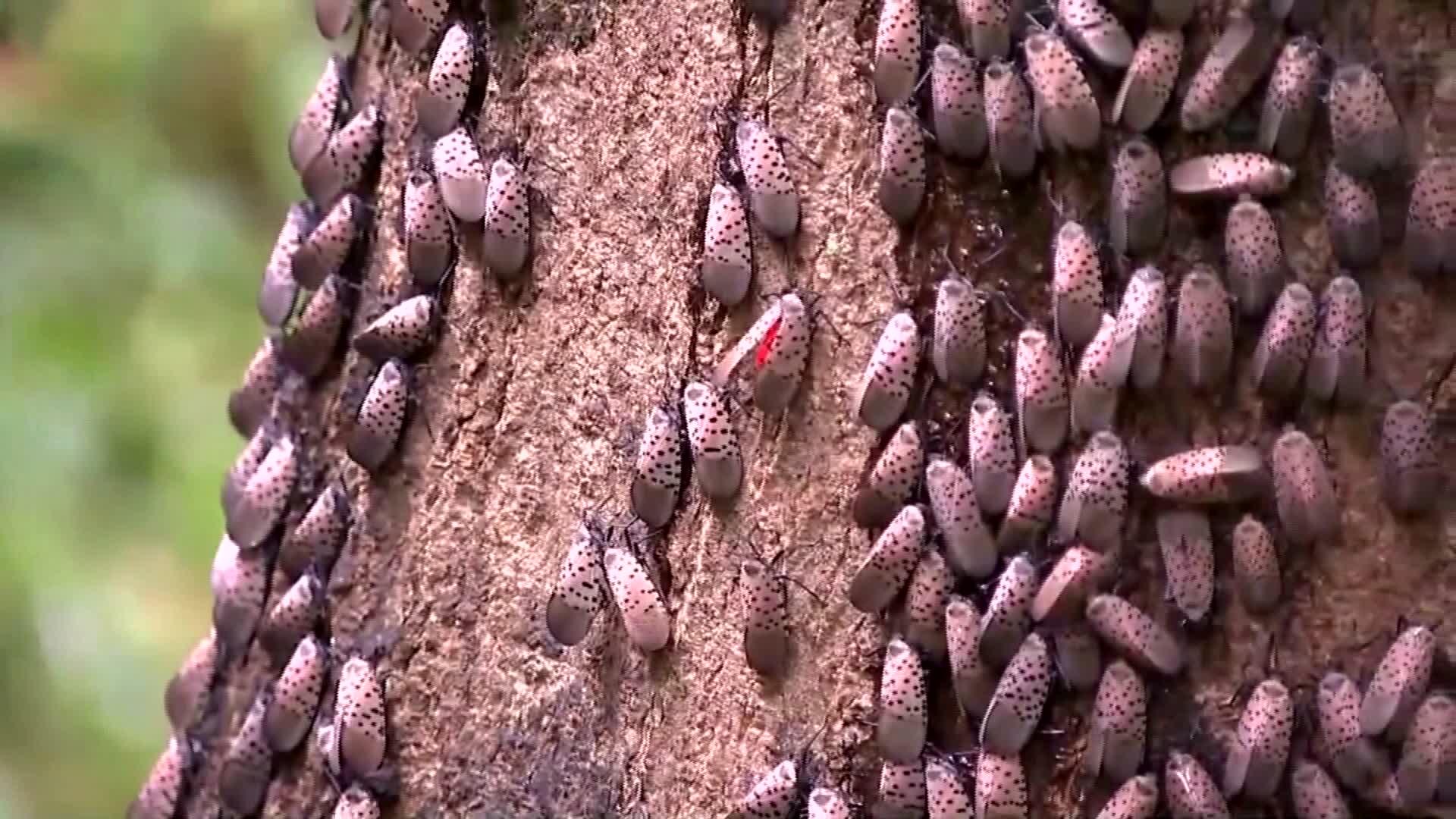
While it is impossible to count every single individual insect, there are safely billions of spotted lanternflies distributed across dozens of U.S. states. Entomologists and agricultural authorities emphasize that the population is eff...
While it is impossible to count every single individual insect, there are safely billions of spotted lanternflies distributed across dozens of U.S. states. Entomologists and agricultural authorities emphasize that the population is effectively unquantifiable due to the insect's high reproductive rate, absence of native predators, and rapid geographic spread since its initial detection in Pennsylvania.
Contents
Understanding the Spotted Lanternfly Infestation in the United States
The spotted lanternfly (Lycorma delicatula) is an invasive planthopper native to parts of Asia, including China, India, and Vietnam. First detected in Berks County, Pennsylvania, in September 2014, the species has since established reproducing populations across a significant portion of the eastern and midwestern United States.
Because a single female lanternfly can lay egg masses containing upwards of 30 to 50 eggs, and because these masses are easily transported on vehicles, outdoor furniture, and firewood, populations multiply exponentially year over year. Rather than tracking an exact census number, federal and state agencies track the expansion of quarantined counties and monitor localized population densities. The scale of the invasion ranges from millions to billions of insects, varying wildly by season, geographic region, and localized weather conditions.
Current Geographic Distribution and Quarantines
The expansion of the spotted lanternfly across the United States has been swift. State departments of agriculture and the United States Department of Agriculture (USDA) Animal and Plant Health Inspection Service (APHIS) maintain strict quarantine zones to limit the human-assisted spread of the pest.
States with Established Populations
By 2026, established breeding populations of spotted lanternflies have been confirmed in more than a dozen states. These include Pennsylvania, New Jersey, New York, Delaware, Maryland, Virginia, West Virginia, Ohio, Connecticut, Massachusetts, Rhode Island, Indiana, North Carolina, and Illinois. In these regions, residents frequently encounter high volumes of nymphs during the spring and swarms of winged adults in the late summer and autumn.
Interceptions and Sightings
Beyond states with established populations, numerous other states have reported isolated sightings or single dead specimens. These individual interceptions are typically traced back to vehicles, trains, or cargo originating from quarantine zones. While a sighting does not automatically mean a state has an established population, it highlights the constant threat of new infestations taking root.
Life Cycle and Population Fluctuations
To understand why counting lanternflies is impossible and why population numbers fluctuate so drastically, it is necessary to examine the insect's annual life cycle. The population density shifts dramatically depending on the month.
[Egg Masses] (Oct - May)
- [Nymphs / Instars 1-4] (May - July)
- [Adult Stage] (July - Frost)
- [Egg Laying] (Sept - Nov)
- [Adult Stage] (July - Frost)
- [Nymphs / Instars 1-4] (May - July)
Egg Stage (October through May): Lanternflies overwinter as egg masses covered in a mud-like protective coating. These masses are laid on smooth surfaces, including trees, stones, metal, and vehicles.
Nymph Stage (May through July): Eggs hatch into nymphs, passing through four distinct instars. Early instars are black with white spots; the final instar is bright red and black. Nymphs are voracious, highly mobile jumpers that feed on a wide variety of soft plant tissues.
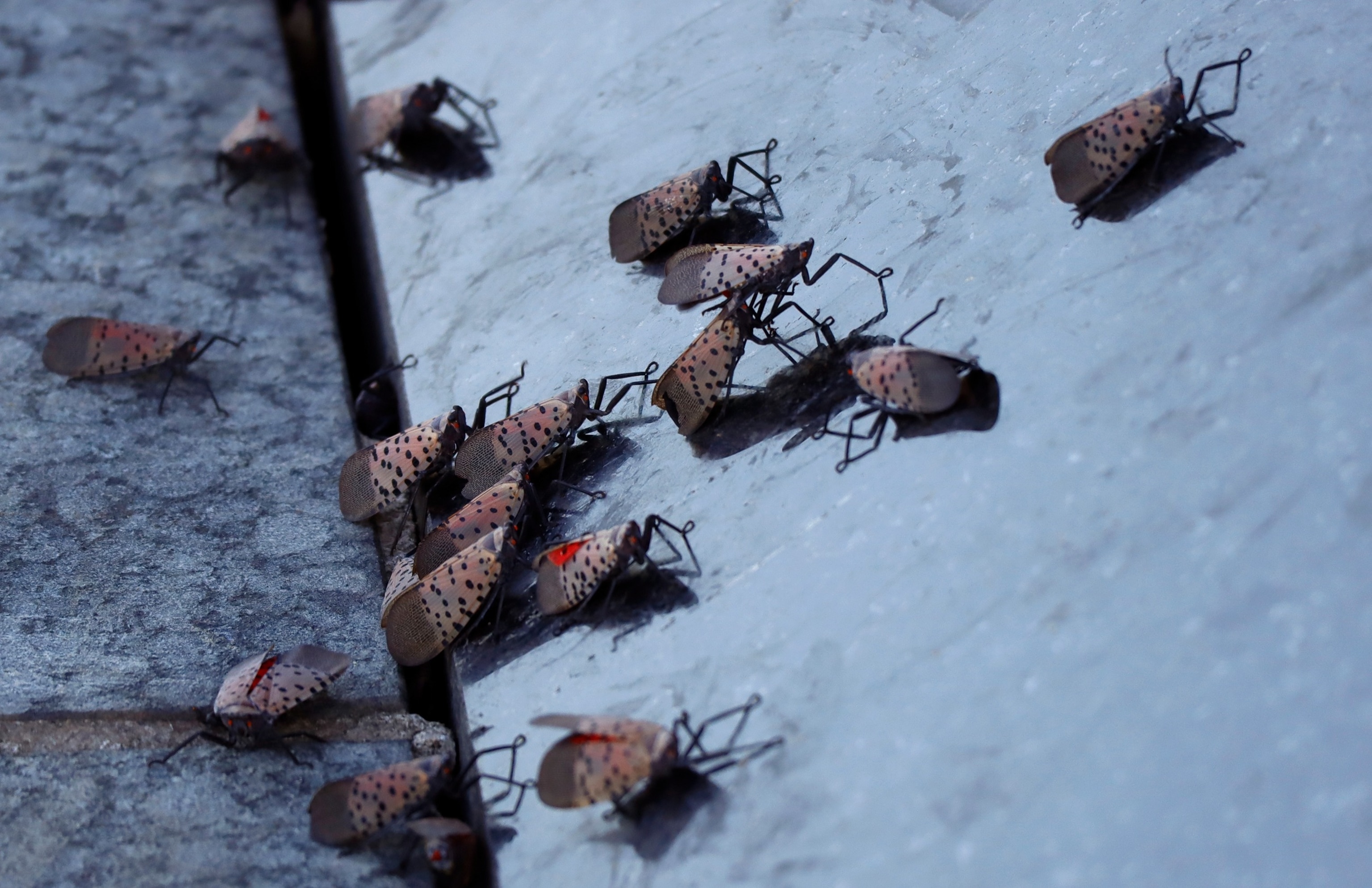
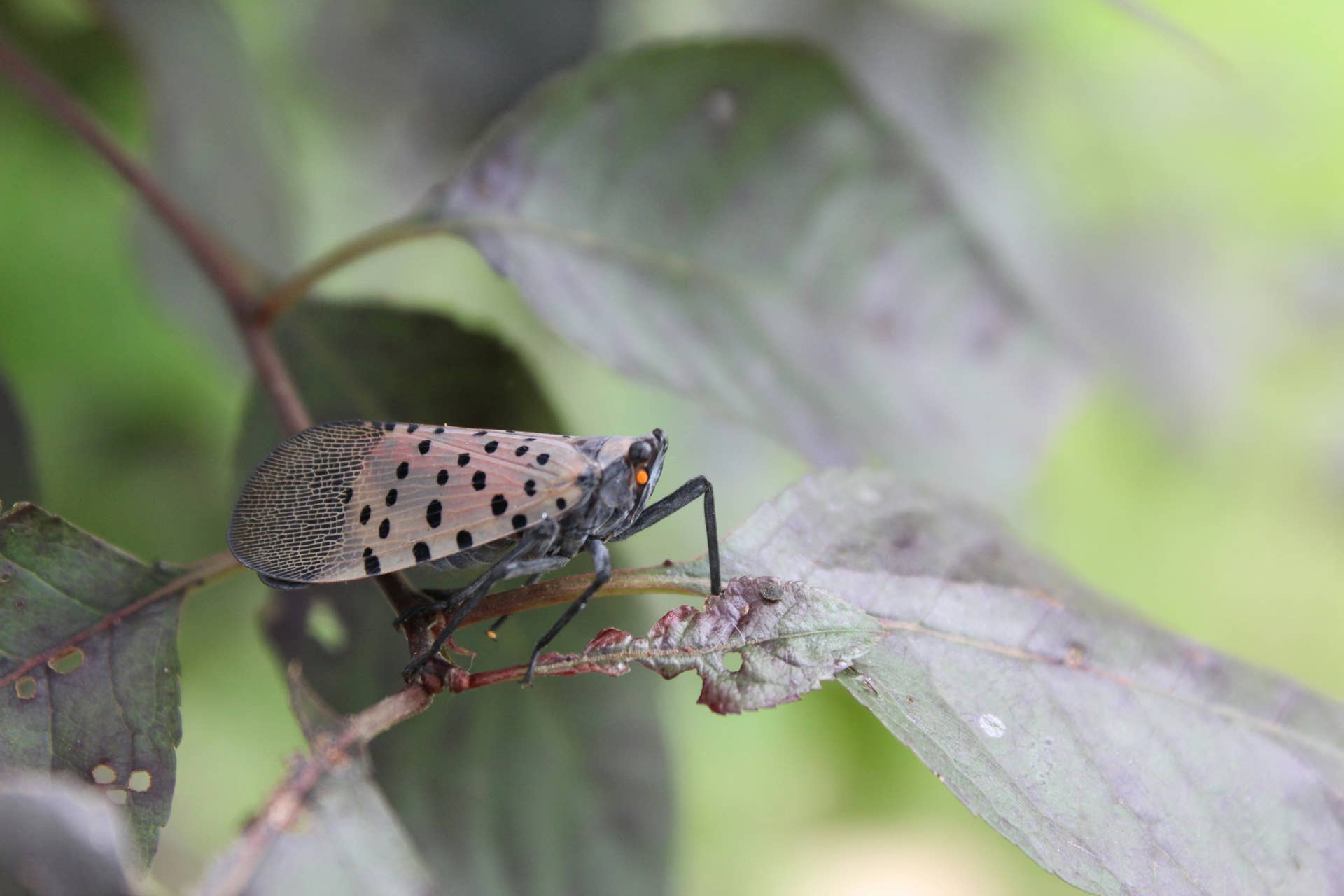
Adult Stage (July through the First Frost): Adults emerge with distinctive grayish-pink forewings marked with black spots and striking red hindwings. This is the stage when they are most noticeable, feeding heavily on tree of heaven (Ailanthus altissima), maples, grapevines, and fruit trees before mating and laying eggs.
Environmental and Economic Impact
The sheer volume of lanternflies creates severe cascading effects for agriculture, forestry, and residential property values. While the insect does not bite or sting humans, its feeding habits inflict heavy damage on plant systems.
Agricultural Damage
Vineyards, orchards, and hop yards suffer the most immediate commercial threats. Spotted lanternflies pierce plant stems and trunks to feed on sap. This process weakens the plant, reduces photosynthesis, and drains vital nutrients.
Honeydew and Sooty Mold
As lanternflies feed, they excrete a sugary waste product known as "honeydew." This sticky substance coats surrounding foliage, vehicles, and outdoor furniture. Honeydew rapidly attracts bees, wasps, and ants, and serves as a growing medium for black sooty mold. This mold blocks sunlight from reaching leaves, further starving the host plants and creating significant aesthetic and property maintenance issues for homeowners.
State and Federal Management Strategies
Controlling billions of insects requires a coordinated multi-tiered approach involving research institutions, local volunteers, and regulatory bodies. Total eradication is no longer considered feasible in heavily infested states; instead, management focuses on population suppression and containment.
| Management Phase | Primary Action | Responsible Parties |
|---|---|---|
| Surveillance | Monitoring traps, citizen science reporting, and vehicle inspections. | USDA, State Departments of Ag |
| Containment | Enforcing quarantine rules on interstate commerce and nursery stock. | Regulatory Agencies, Businesses |
| Mechanical Control | Scraping egg masses, using sticky bands on trees, and manual destruction. | Homeowners, Landscapers |
| Biological Research | Studying native predators, parasitic wasps, and fungal pathogens. | University Researchers, USDA |
Frequently Asked Questions
Can the spotted lanternfly be completely eradicated in the United States?
Current scientific consensus indicates that complete eradication is unlikely given the vast geographic spread and high reproductive capacity of the insect. State and federal agencies now focus on containing the spread to new regions and managing local densities to protect vulnerable agriculture.
What is the preferred host plant of the spotted lanternfly?
The spotted lanternfly strongly prefers the tree of heaven (Ailanthus altissima), another invasive plant species from Asia. While they can feed and survive on over 70 different plant species—including fruit trees, maples, walnuts, and grapevines—locating and treating or removing trees of heaven is a core component of control programs.
Are spotted lanternflies harmful to humans or pets?
No, spotted lanternflies do not bite, sting, or transmit diseases to humans or animals. They are purely plant pests. However, their sheer abundance in residential areas during late summer can cause significant nuisance issues.
What should I do if I find a spotted lanternfly?
If you live in an area with an established population, you should kill the insect immediately by squishing it and report the sighting to your state's department of agriculture if you are located outside the known quarantine zones. Scraping and destroying egg masses between October and May is also highly effective.
How do lanternflies travel so far across state lines?
Spotted lanternflies are prolific hitchhikers. Adult females readily lay eggs on cars, trucks, shipping containers, trains, and outdoor gear. When these vehicles move across state lines, the hidden egg masses or live insects are transported to entirely new ecosystems.
Conclusion and Next Actions
While an exact head count of lanternflies in the United States does not exist, the population remains massive, resilient, and widespread. Homeowners, travelers, and agricultural producers in affected regions must remain vigilant by inspecting vehicles before travel, scraping egg masses during winter months, and reporting new infestations to local extension offices. Managing this pest requires continuous community-level cooperation to protect vital agricultural assets and native ecosystems.
Image Gallery