What Is Considered Good Life Insurance? Criteria for Value and Security in 2026
Good life insurance is a policy that provides a guaranteed death benefit sufficient to meet your beneficiaries' needs while remaining affordable and backed by a financially stable carrier. It is characterized by transparent terms, appr...
Good life insurance is a policy that provides a guaranteed death benefit sufficient to meet your beneficiaries' needs while remaining affordable and backed by a financially stable carrier. It is characterized by transparent terms, appropriate coverage duration, and flexible riders that allow the policy to adapt to your changing financial circumstances.
Contents
Determining what qualifies as "good" life insurance requires looking beyond the monthly premium. In 2026, the landscape of personal finance has evolved, with more consumers prioritizing "living benefits" and digital-first underwriting. However, the core principles of insurance—risk mitigation and financial security—remain the benchmark for quality. To evaluate a policy effectively, one must analyze the insurer’s financial health, the specific type of coverage, the inclusion of essential riders, and the overall cost-to-value ratio.
The Foundation: Financial Strength and Insurer Ratings
A life insurance policy is a long-term promise. For a policy to be considered "good," the company issuing it must have the capital reserves to pay out claims decades into the future. In 2026, financial volatility remains a consideration for policyholders, making third-party ratings more relevant than ever.
Financial strength ratings (FSRs) are issued by independent agencies that analyze an insurer’s balance sheet, operating performance, and business profile. A high-quality policy is almost always issued by a carrier with an "A" or better rating from agencies such as AM Best, Fitch, Moody’s, or Standard & Poor’s (S&P).
When reviewing a policy, look for the following:
- AM Best Rating: An "A-" (Excellent) or "A++" (Superior) indicates the company has an excellent ability to meet its ongoing insurance obligations.
- Comdex Score: This is a composite score (1 to 100) that averages the ratings from all major agencies. A "good" policy typically comes from a company with a Comdex score of 80 or higher.
- Asset-to-Liability Ratio: This measures how much the company owns versus what it owes. A stable insurer maintains a healthy cushion to absorb economic shocks.
Choosing a company with poor financial ratings, even if they offer lower premiums, is a significant risk. If the insurer becomes insolvent, your beneficiaries may face delays or reduced payouts, though state guaranty associations provide some protection.
Matching Policy Type to Financial Objectives
"Good" is a subjective term that depends entirely on your financial goals. A policy that is perfect for a 30-year-old parent may be entirely inappropriate for a 60-year-old executive. Generally, life insurance is categorized into two main buckets: Term and Permanent.
Term Life Insurance: Pure Protection
For most individuals, a good life insurance policy is a Level Term policy. This provides coverage for a specific period (usually 10, 20, or 30 years) with a premium that never changes. It is considered high-value because it offers the highest death benefit for the lowest cost. In 2026, "good" term insurance should also include a conversion option, allowing you to turn the term policy into a permanent one without a new medical exam if your needs change.
Permanent Life Insurance: Long-Term Wealth and Estate Planning
Permanent policies, such as Whole Life or Universal Life, are considered "good" if they serve a specific purpose, such as funding a buy-sell agreement for a business, providing for a special-needs dependent, or minimizing estate taxes.
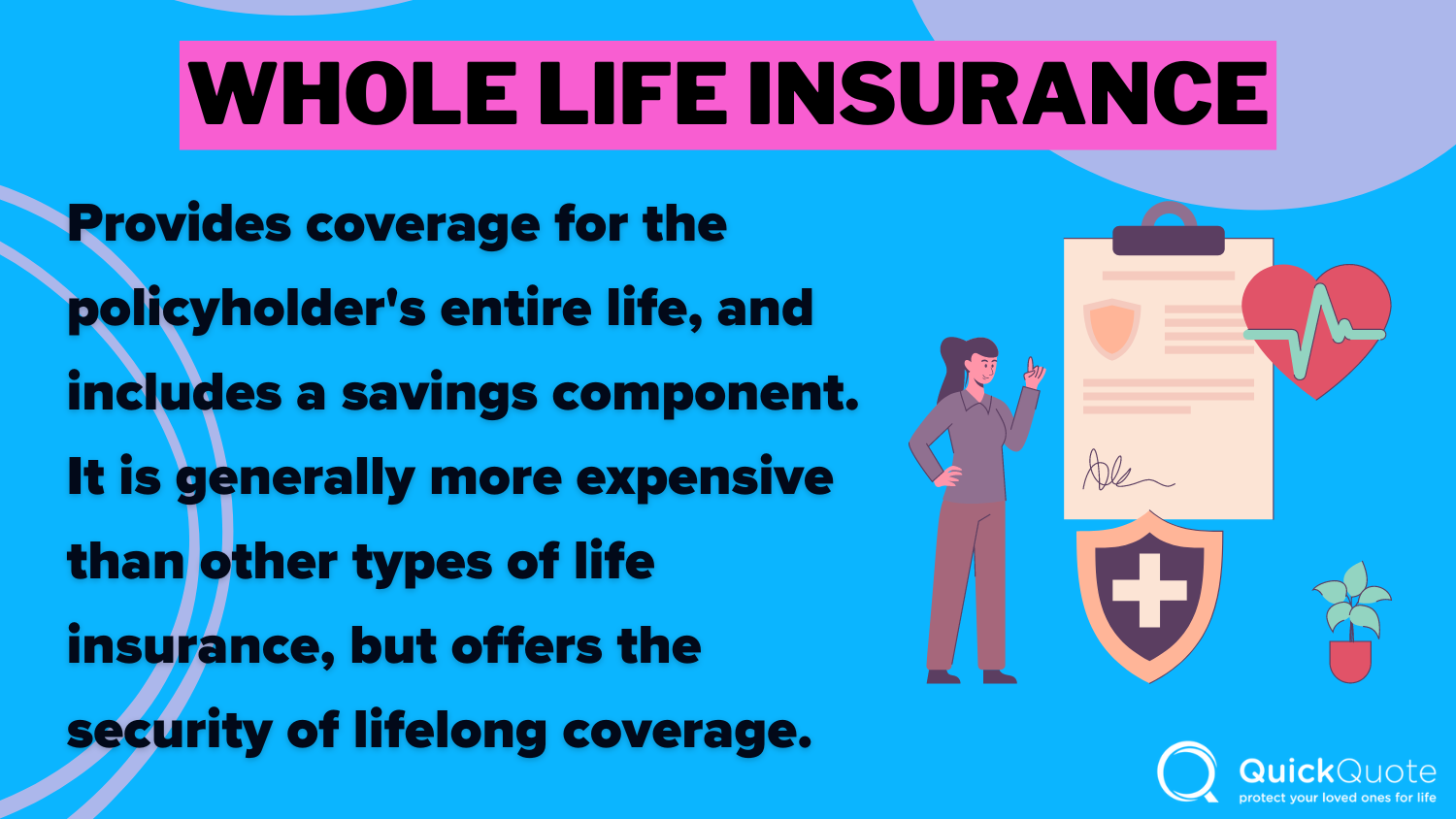
- Whole Life: A good whole life policy is often "participating," meaning it pays dividends to policyholders. In 2026, these dividends can help offset inflation or increase the total death benefit.
- Indexed Universal Life (IUL): A high-quality IUL policy features a transparent "cap" and "participation rate" for cash value growth based on a market index, while providing a "floor" (usually 0%) to protect against market losses.
Essential Features and Living Benefits
In the current market, a policy that only pays out upon death is often considered outdated. Modern "good" life insurance includes Living Benefits—features that allow the policyholder to access funds while they are still alive under specific circumstances.
Accelerated Death Benefit Riders
Most competitive policies now include an Accelerated Death Benefit (ADB) rider at no or low cost. This allows you to access a portion of the death benefit if you are diagnosed with a terminal illness, or in some cases, a chronic or critical illness. This provides a financial safety net for medical bills or hospice care, reducing the burden on family savings.
Waiver of Premium
A quality policy often offers a Waiver of Premium rider. If you become totally disabled and unable to work, the insurance company "waives" your premiums while keeping the coverage in force. This prevents a disability from leading to the loss of your life insurance protection exactly when you might need it most.
Guaranteed Insurability
For younger policyholders, a good policy includes a Guaranteed Insurability Rider. This allows you to purchase additional coverage at specific intervals or life events (like marriage or the birth of a child) without undergoing a new medical exam or proving "insurability" again.
Analyzing the Cost-to-Value Ratio
Price is a major factor in determining what is considered good life insurance. However, the cheapest policy is not always the best. A "good" price is one that is competitive for your specific health class and age group.
In 2026, insurers utilize Algorithmic Underwriting, which uses data from prescription histories, driving records, and even credit scores to determine rates. A good policy is one where the underwriting process was fair and accurate. If you are in excellent health, a "good" policy will place you in a "Preferred Plus" or "Super Preferred" tier, resulting in significantly lower premiums.
Comparison of Policy Types (2026 Standards)
| Feature | Term Life Insurance | Whole Life Insurance | Universal Life Insurance |
|---|---|---|---|
| Duration | Fixed (10–30 years) | Lifetime | Flexible / Lifetime |
| Premium Cost | Lowest | Highest | Moderate to High |
| Cash Value | None | Guaranteed growth | Variable growth |
| Flexibility | Low | Low | High (Adjustable premiums) |
| Best For | Income replacement | Estate planning / Legacy | Flexible protection |
| 2026 Outlook | Most popular for families | Used as a fixed-asset class | Growing via Indexed (IUL) options |
The Underwriting Experience: Speed vs. Precision
The process of obtaining the policy also factors into its quality. In 2026, "good" life insurance often features Accelerated Underwriting. This means that for many applicants, a physical exam (blood draw, urine sample) is no longer required.
A high-quality insurance experience involves:
- Transparency: Clear communication regarding why a certain rating was given.
- Speed: Approval within days or even minutes for healthy applicants.
- Accuracy: A policy that accurately reflects the risk without "loading" the premium with unnecessary administrative fees.
Beware of "Guaranteed Issue" policies unless you have significant health problems. While these require no medical questions, they are often expensive and have "graded" death benefits, meaning they may not pay the full amount if death occurs within the first two or three years of the policy.
Common Pitfalls to Avoid
To ensure you are getting a "good" policy, you must avoid several common mistakes that can diminish the value of your coverage:
- Under-insuring: A policy is not "good" if it only covers two years of your salary when your family needs twenty. A standard rule of thumb is 10 to 15 times your annual income.
- Ignoring the "Free Look" Period: Most states mandate a 10-to-30-day "free look" period. A good insurance company encourages you to review the full contract and will offer a full refund if you cancel within this window.
- Hidden Fees in Cash Value Policies: In Universal or Variable policies, high internal costs of insurance (COI) and administrative fees can eat away at the cash value. A good policy will provide a clear illustration showing how fees impact the growth over 20+ years.
- Relying Solely on Group Life: While employer-sponsored life insurance is a great perk, it is rarely "good" as a standalone solution because it is usually not portable. If you leave your job, you lose the coverage.
Frequently Asked Questions
What is the minimum financial rating a "good" insurance company should have?
Most financial advisors recommend sticking with companies that have an AM Best rating of A- or higher. While companies with "B" ratings are currently solvent, they may be more vulnerable to economic downturns, which could affect their ability to pay dividends or maintain competitive interest rates on cash value.
Is no-medical-exam insurance considered "good"?
Yes, provided it is "Accelerated Underwriting" for healthy individuals. However, "Guaranteed Issue" insurance (which also has no exam) is generally not considered a "good" value for healthy people because the premiums are much higher and the coverage amounts are limited. You should only choose Guaranteed Issue if you have been denied traditional coverage.
How much should I expect to pay for a "good" term policy in 2026?
Pricing depends heavily on age and health. However, a healthy 35-year-old can often find a 20-year, $500,000 term policy for between $25 and $40 per month. If the quote is significantly higher without a clear medical reason, it may not be a "good" value relative to the market.
Can I change a "good" policy later?
A hallmark of a good policy is flexibility. Term policies should have a conversion rider, and Universal Life policies should allow you to adjust premiums or death benefits as your financial situation changes. Always check the "conversion period" to see how long you have to make these changes.
Does "good" insurance cover suicide?
Almost all life insurance policies have a suicide clause, typically lasting two years from the policy's effective date. If death by suicide occurs after this period, the policy will pay out. This is a standard industry protection and does not indicate a "bad" policy.
Next Steps for Securing Quality Coverage
To secure what is considered good life insurance, begin by calculating your "Human Life Value" or using the DIME formula (Debt, Income, Mortgage, Education) to determine your coverage needs. Once you have a number, compare quotes from at least three different high-rated carriers.
In 2026, leverage digital brokerage platforms that offer transparent comparisons of AM Best ratings and rider availability. Before signing, request a "Full Policy Illustration" to see how the policy performs over time, and ensure you understand the conditions of any living benefits included in the contract.
Image Gallery