The High-Wire Legacy: Who Tightroped the Twin Towers?
On August 7, 1974, French high-wire artist Philippe Petit performed an unauthorized, meticulously planned walk on a steel cable strung between the rooftops of the World Trade Center’s twin towers in New York City. Operating 1,350 feet...
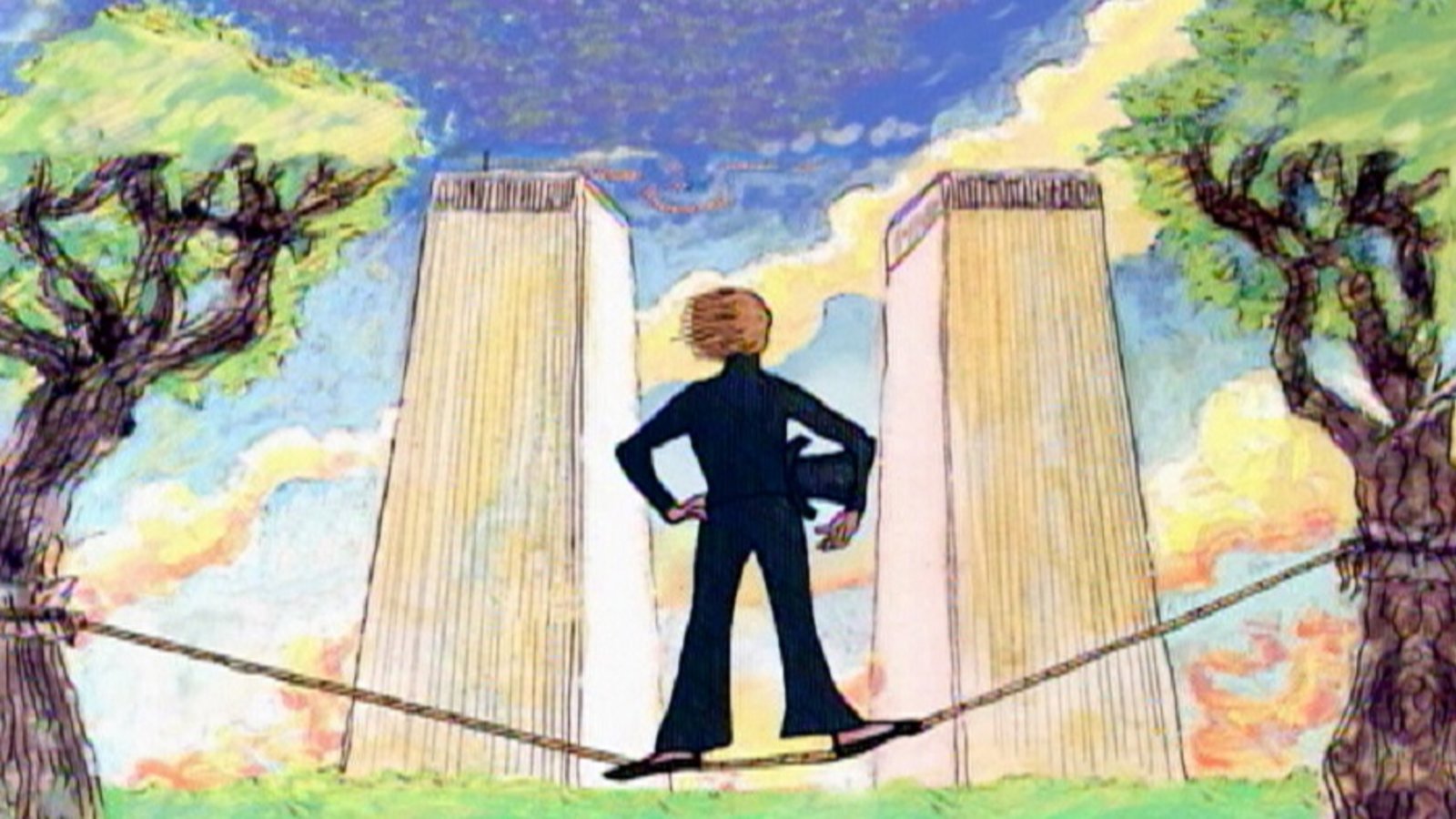
On August 7, 1974, French high-wire artist Philippe Petit performed an unauthorized, meticulously planned walk on a steel cable strung between the rooftops of the World Trade Center’s twin towers in New York City. Operating 1,350 feet (411 meters) above the ground, Petit spent 45 minutes crossing the span eight times, cementing his place in history as the only person to complete this specific feat.
Contents
The Architect of the Performance
Philippe Petit was not merely a daredevil; he was a trained acrobat, street performer, and illusionist who had been obsessed with the World Trade Center long before its construction was completed. His fascination began in 1968, when he saw an article about the planned towers in a dentist’s office. He spent the ensuing six years preparing for what he famously referred to as his "artistic crime."
Petit’s preparation was exhaustive. He studied architectural blueprints, learned to forge credentials, and scouted the site repeatedly while disguised as a construction worker or a journalist. The operation required a small team of accomplices to help transport heavy equipment, including the 450-pound steel cable, into the towers. By hiding in the upper levels of the structures for the hours preceding the attempt, the team managed to bypass security and install the rigging under the cover of darkness.
The Technical Execution of the "Coupe"
The technical challenge of rigging a wire across the 140-foot gap between the towers was immense. The wind at that altitude posed a constant threat to the stability of both the cable and the performer. Petit used a bow and arrow to shoot a fishing line across the gap, which was subsequently used to pull heavier ropes and, eventually, the one-ton steel cable into position.
To ensure the wire did not sway excessively, Petit’s team utilized an intricate system of guy wires anchored to the roof structures. This was not a standard tightrope walk; the physics involved in suspending a wire between two massive, shifting skyscrapers required precise tensioning. Once the cable was secured, Petit stepped onto the wire at approximately 7:15 AM.
Despite the danger, Petit did not use a safety harness or a net. He carried a 26-foot-long custom-made balancing pole that weighed 55 pounds. This tool was essential for lowering his center of gravity and providing the necessary inertia to counteract the gusting winds that pushed against his body at such extreme heights.
The Aftermath and Legal Consequences
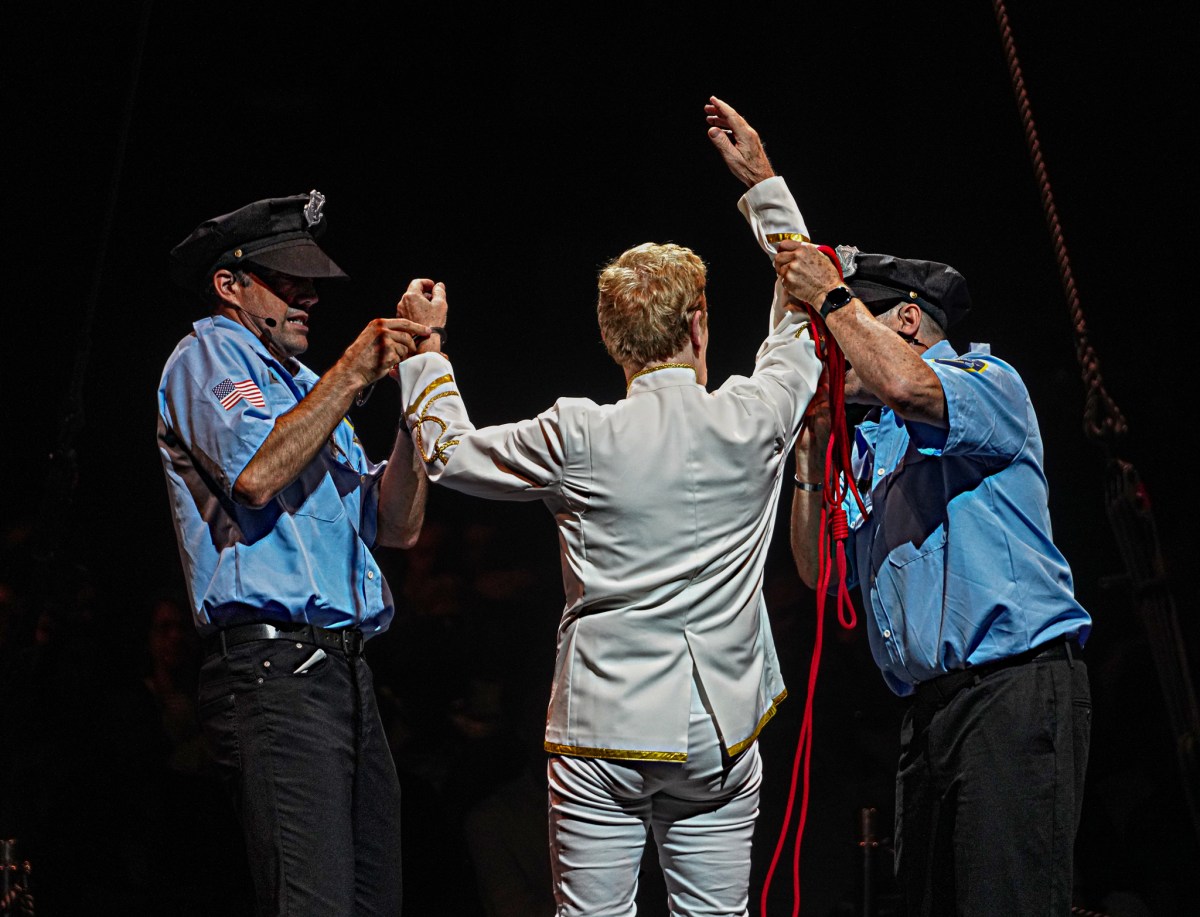
As news of the feat spread, police arrived on the rooftops to arrest Petit, though they waited for him to finish his walk. Following his arrest, the local district attorney eventually dropped the criminal charges in exchange for Petit performing a high-wire act for children in Central Park.
The act transformed Petit’s career and legacy. It became a cultural touchstone in New York City, shifting public perception of the World Trade Center from that of a controversial, stark architectural project to an iconic part of the city's identity. The event was later immortalized in several works, most notably the 2008 documentary Man on Wire and the 2015 feature film The Walk.
Comparison of High-Altitude Stunts
While many daredevils have attempted urban high-wire acts, Petit’s walk remains unique in the history of the World Trade Center due to the sheer height and the nature of the twin structures.
| Feature | Philippe Petit (1974) | Standard High-Wire Acts |
|---|---|---|
| Location | World Trade Center Twin Towers | Typically lower-altitude spans |
| Authorization | Unsanctioned | Usually permitted/sponsored |
| Equipment | 26ft balancing pole, wire | Often includes safety harness |
| Duration | 45 minutes | Varies (often shorter) |
| Legal Status | Arrested upon completion | Compliant with local permits |
Frequently Asked Questions
Did anyone else ever walk between the twin towers? No. While many individuals have performed high-wire walks on various structures, Philippe Petit is the only person recorded to have successfully walked the gap between the North and South Towers of the original World Trade Center.
Was Philippe Petit alone during his preparations? No. Although Petit was the only one on the wire, he worked with a team of "accomplices," including his friend Jean-Louis Blondeau and photographer Jim Moore. They assisted in hauling the heavy equipment to the roofs and monitoring the security situation on the ground and in the towers.
What happened to the wire after the walk? The original wire was removed by the police shortly after Petit’s arrest. It was not kept as an permanent installation.
Is it possible to recreate this stunt today? Recreating this specific stunt is impossible. The original World Trade Center towers were destroyed in the September 11, 2001, terrorist attacks. The current One World Trade Center has a significantly different architectural design that does not feature two identical, parallel rooftops suitable for such a span.
How did he get the wire to the roof without being stopped? Petit and his team used disguises and forged identity documents. By presenting themselves as contractors—specifically, as employees of a company tasked with installing lighting or architectural work—they were able to move the equipment into the towers in the days leading up to the walk without raising suspicion from security guards.
Strategic Considerations for High-Altitude Performance
For any professional or enthusiast studying Petit's achievement from a technical or historical perspective, it is important to distinguish between "rigging" and "performance." The complexity of the rigging—balancing tension, wind load, and structural vibrations—is the primary factor that makes such an endeavor hazardous.
In the modern context of 2026, safety protocols for such activities are dictated by stringent liability insurance requirements and municipal codes that were not as rigidly enforced in 1974. Anyone pursuing performance art of this nature must navigate a complex landscape of structural engineering permits and safety liability coverage. Engaging in such acts without official sanction is illegal in all jurisdictions and carries extreme, often fatal, risks.
The legacy of the 1974 walk is best preserved through historical records rather than imitation. For those interested in the physics of wire-walking or the history of New York architecture, resources provided by the 9/11 Memorial & Museum offer the most accurate context regarding the construction and cultural significance of the towers.
Image Gallery