The Ultimate Guide to the Short in Back Long in Front Hair Style for 2026
The classic hair style short in back long in front—historically recognized as the wedge, the asymmetrical bob, or the modern inverted bob—remains a dominant force in contemporary hair fashion for 2026. This architectural cut bridges th...
The classic hair style short in back long in front—historically recognized as the wedge, the asymmetrical bob, or the modern inverted bob—remains a dominant force in contemporary hair fashion for 2026. This architectural cut bridges the gap between structured precision and fluid movement, making it a versatile choice for a wide array of hair textures and face shapes. Navigating this cut requires an understanding of precise geometric angles, weight line placement, and ongoing maintenance strategies to keep the silhouette looking sharp and intentional.
Contents
Defining the Inverted and Asymmetrical Silhouette
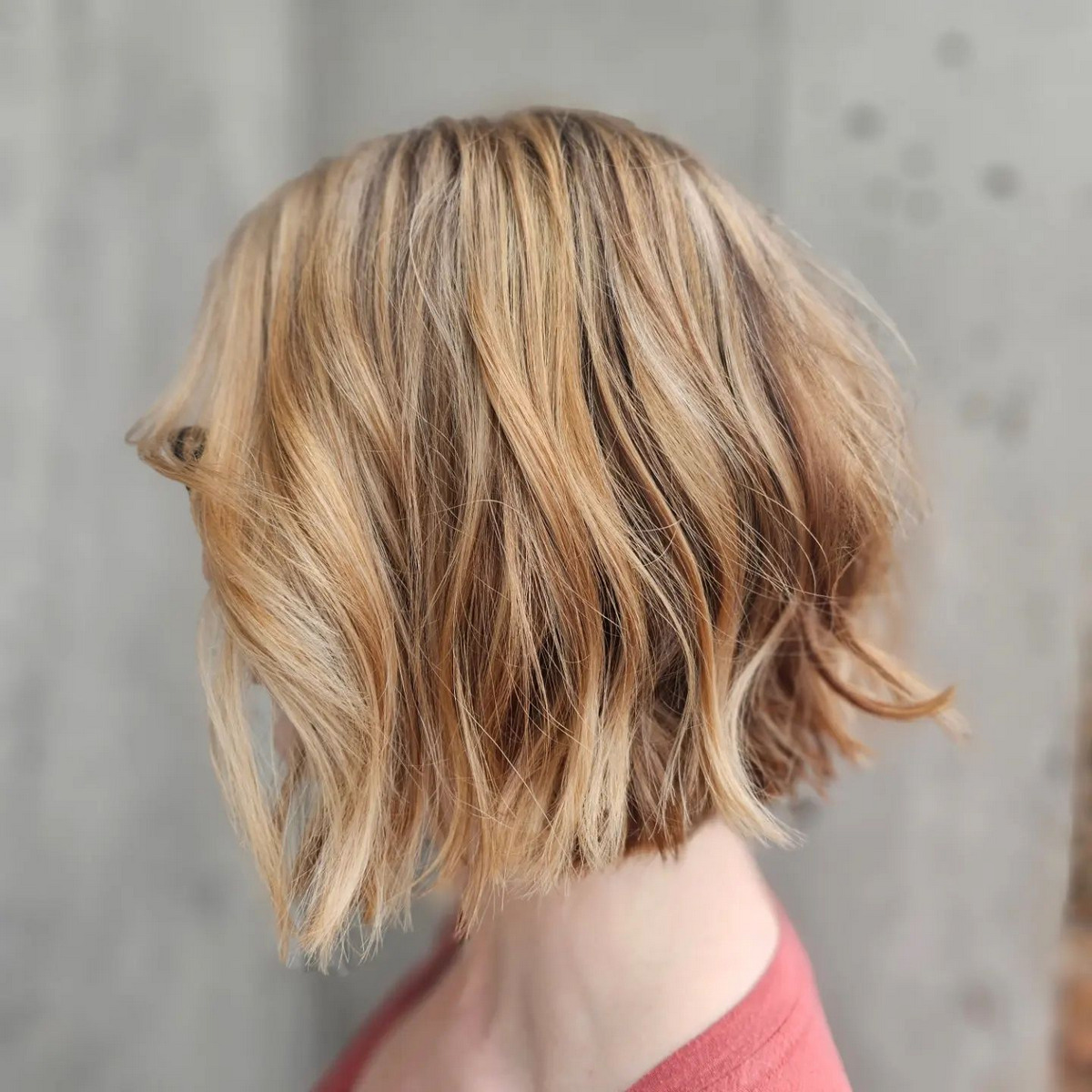
The foundational mechanics of a short-in-back, long-in-front hair style rely heavily on elevation, graduation, and diagonal forward cutting lines. Unlike a traditional one-length blunt cut, this style manipulates weight distribution to create natural volume at the crown and occipital bone while elongating the facial structure through front panels.
Stylists generally categorize these cuts into two distinct execution methods:
- The Graduated Inverted Bob: Features stacked layers at the nape of the neck that build density and shape, seamlessly blending into longer, angled pieces framing the jawline or collarbone.
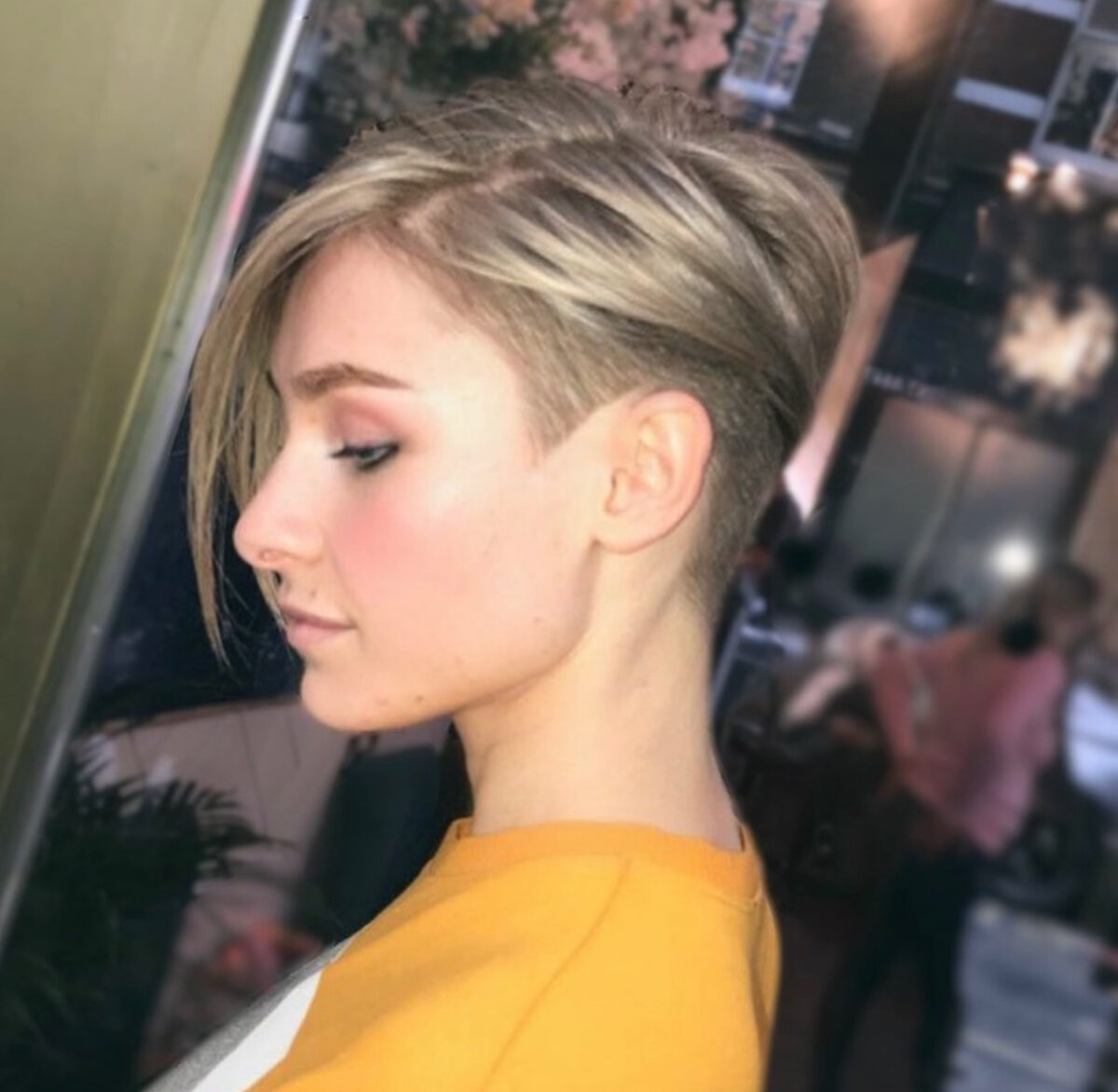
- The Asymmetrical Cut: Incorporates a hard side-part where one side is cropped short or tucked behind the ear while the opposite side cascades downward in a sharp, disconnected length.
| Variation Name | Crown Volume | Maintenance Level | Recommended Face Shape |
|---|---|---|---|
| Classic Inverted Bob | High (Stacked Nape) | Moderate (4-6 weeks) | Round, Heart, Oval |
| Sleek A-Line Cut | Low to Moderate | Low to Moderate | Square, Oval |
| Disconnected Asymmetry | Variable | High (3-4 weeks) | Diamond, Oblong |
| Textured Shaggy Wedge | High (Tousled) | Low | Oval, Long |
Structural Anatomy and Technical Execution
Achieving a flawless transition from a cropped nape to elongated front sections requires advanced cutting techniques. Master stylists utilize specific graduation angles—typically ranging from 45-degree to 60-degree elevation at the back—to ensure the hair folds neatly without creating unwanted bulk or shelf-like ledges.
Precision Cutting Steps for Stylists
- Sectioning the Foundation: Divide the hair into four standard quadrants, creating a profile parting from the center forehead to the nape, and a radial parting from ear to ear over the apex of the head.
- Establishing the Guide Length: Begin at the nape, establishing a baseline length that sits closely to the hairline. Cut with zero to low elevation to create a solid perimeter.
- Building Graduation: Progress upward toward the occipital bone using incremental elevation, pulling sections at a natural fall or slight forward angle to build the characteristic stacked volume.
- Cutting the Diagonal Perimeter: Release the front sections and comb them downward following the desired natural fall. Establish the diagonal cutting line from the shortest point at the back to the longest point at the front, matching the desired graduation angle.
- Texturizing and Point Cutting: Soften heavy weight lines around the face using point-cutting or slide-cutting techniques to prevent the ends from appearing too blunt or heavy.
Expert Styling Note Precision cutting at the nape dictates how well the style grows out. If the graduation is cut too steep without proper thinning of the interior weight, the hair will lose its curved contour and require frequent reshaping at the salon.
Analyzing the Pros and Cons of an Angled Haircut
Before committing to a short-in-back, long-in-front aesthetic, evaluating its structural benefits and everyday demands ensures long-term satisfaction.
Advantages
- Facial Contouring: The elongated front panels create vertical lines that naturally slim round or square face shapes.
- Built-in Volume: The stacked layers in the back provide natural lift at the crown, eliminating flatness for those with fine or limp hair.
- Versatility: Can be styled bone-straight, tousled with beach waves, or pulled back into a half-up style depending on the exact length of the back layers.
Disadvantages
- Salon Maintenance Frequency: Because the contrast between the short back and long front is critical to the look, necklines and perimeter angles require touch-ups every four to six weeks.
- Styling Commitment: An inverted cut highlights the neck and jawline; daily blow-drying or flat-ironing is often necessary to prevent the back sections from flipping outward awkwardly.
- Growth Restrictions: Tucking the short back sections behind the ears is impossible until the entire nape grows out uniformly, limiting updies.
Tailoring the Cut to Specific Hair Textures
Adapting the wedge or inverted bob to match natural hair density and texture prevents common styling frustrations. Fine hair benefits immensely from the stacked graduation, which creates an illusion of density. Conversely, thick or curly hair requires internal texturization, thinning shears, or razor-cutting to remove excess bulk so the style lies flat and sleek without expanding into a triangular shape.
- Fine Hair: Focus on blunt perimeter lines paired with internal stacking to maximize visible thickness at the crown.
- Thick or Coarse Hair: Prioritize deep slide-cutting and channel cutting to reduce weight along the perimeter and prevent the wedge from looking boxy.
- Wavy or Curly Hair: Embrace a deconstructed, textured finish rather than a pin-straight look, allowing the natural bend of the hair to dictate the asymmetrical flow.
Frequently Asked Questions
What is the difference between a wedge cut and an inverted bob?
A wedge cut generally features a shorter, more tightly cropped and heavily stacked nape with a rounded silhouette, whereas an inverted bob maintains cleaner, sharper diagonal lines from back to front without necessarily rounding out the back shape. Both fall under the broader umbrella of short-in-back, long-in-front styles.
Will an angled short haircut work well with a round face?
Yes, this style is exceptionally flattering for round faces because the long front pieces drop below the jawline, drawing the eyes downward and creating an elongating effect that slims the cheeks.
How often do I need to visit the salon to maintain the shape?
To keep the back neckline clean and the perimeter angle crisp, expect to schedule maintenance trims every 4 to 6 weeks. Letting it grow past this window will cause the graduation to lose its sharp geometric impact.
Can I tie this hairstyle back into a ponytail?
It depends entirely on the length of the back nape sections. If the back is cropped very short near the hairline, those hairs will fall out of a standard ponytail, requiring bobby pins or headbands to secure them.
What styling products work best for maintaining a sleek finish?
Lightweight smoothing serums, thermal protectant sprays, and flexible-hold styling creams work best to control frizz and keep the front angles sharp without weighing down the crown volume.
Professional Consultation and Execution
Achieving a transformative hair style short in back long in front requires partnering with an experienced stylist who understands head geometry, natural growth patterns, and texturizing mechanics. Schedule a dedicated consultation to evaluate your face shape and hair density before making the chop, ensuring a customized silhouette tailored precisely to your personal aesthetic for 2026.
Image Gallery