What Are Used Car Loan Rates in Maine
Used car loan rates in Maine generally range from around 5.5% to well over 14% Annual Percentage Rate (APR) for a standard 60-month term, heavily depending on the borrower's credit score, the age and mileage of the vehicle, and whether...
Used car loan rates in Maine generally range from around 5.5% to well over 14% Annual Percentage Rate (APR) for a standard 60-month term, heavily depending on the borrower's credit score, the age and mileage of the vehicle, and whether financing is secured through a credit union, national bank, or dealership.
Contents
Navigating the auto financing market in Maine requires understanding how local economic factors, credit profiles, and lending institutions intersect. Whether you are purchasing a reliable commuter car to handle harsh New England winters or upgrading to a versatile all-wheel-drive SUV, securing the right auto loan can save you thousands of dollars in interest over the life of the contract. Financing a pre-owned vehicle involves different considerations than buying a brand-new car, as lenders often view older collateral as a higher risk. By evaluating Maine-specific credit unions, traditional banks, and online lenders, you can compare offers to find the most competitive interest rates available.
Understanding Used Car Financing in Maine
Financing a pre-owned vehicle in Maine involves unique market conditions and financial structures. Unlike new car purchases, which often benefit from manufacturer-sponsored promotional incentives like 0% or low-APR financing, used car loan rates are dictated primarily by prevailing monetary policies, institutional risk models, and individual borrower credentials.
When you apply for a used car loan in Maine, lenders look closely at your credit history, debt-to-income (DTI) ratio, employment stability, and the specific vehicle you intend to purchase. Lenders categorize pre-owned vehicles by age and mileage. A car that is two to three years old with modest mileage will typically qualify for lower interest rates compared to a vehicle that is eight to ten years old with over 100,000 miles.
Furthermore, Maine’s lending landscape features a robust network of state-chartered and federal credit unions alongside regional and national commercial banks. Because credit unions operate as member-owned cooperatives, they frequently offer more favorable auto loan rates and flexible terms than large national institutions, making them a primary destination for savvy Maine borrowers.
Key Factors Influencing Used Car Loan Rates
Interest rates are not one-size-fits-all; they are calculated based on a variety of personal and mechanical variables. Understanding these factors can help you position yourself to secure a lower rate.
Credit Score and Financial History
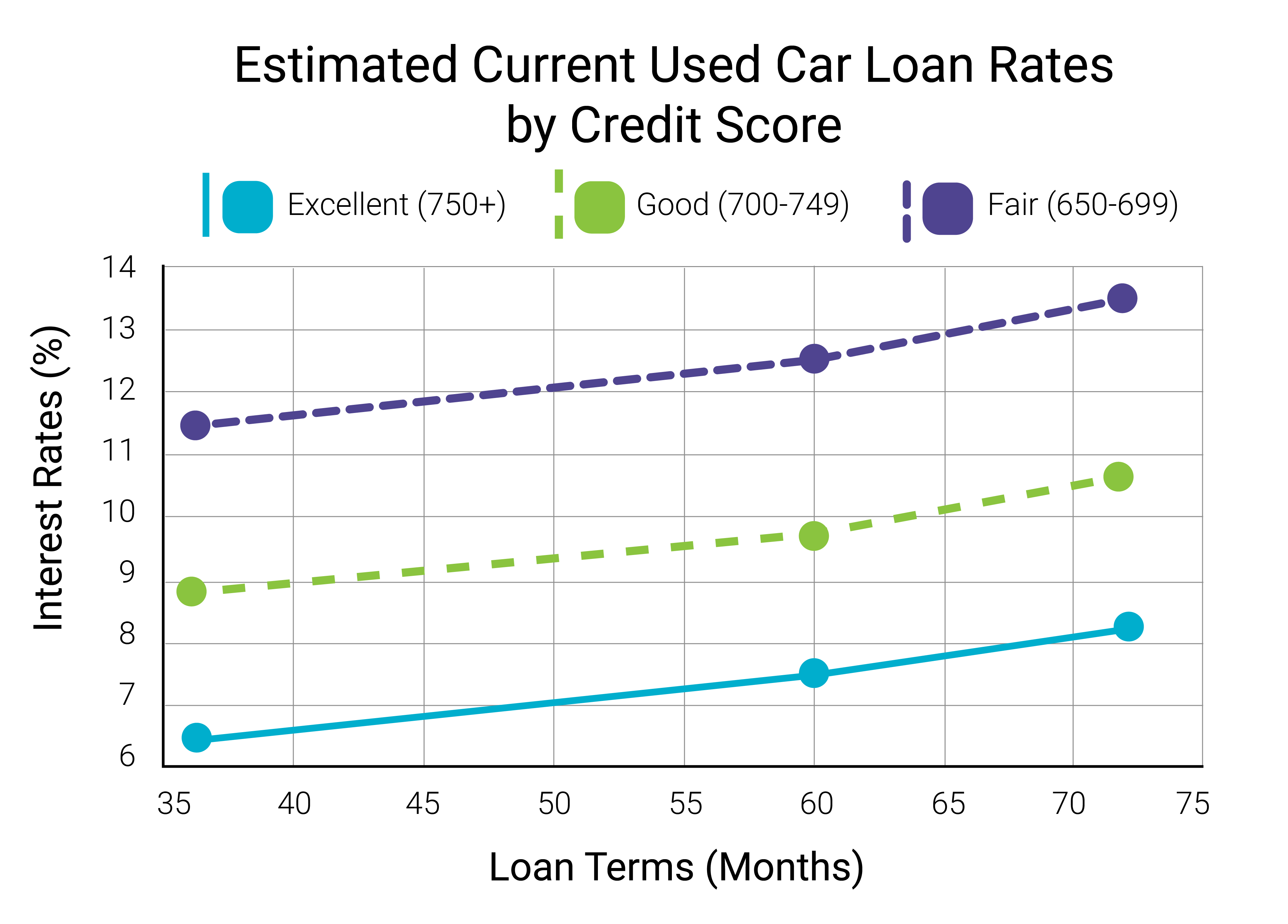
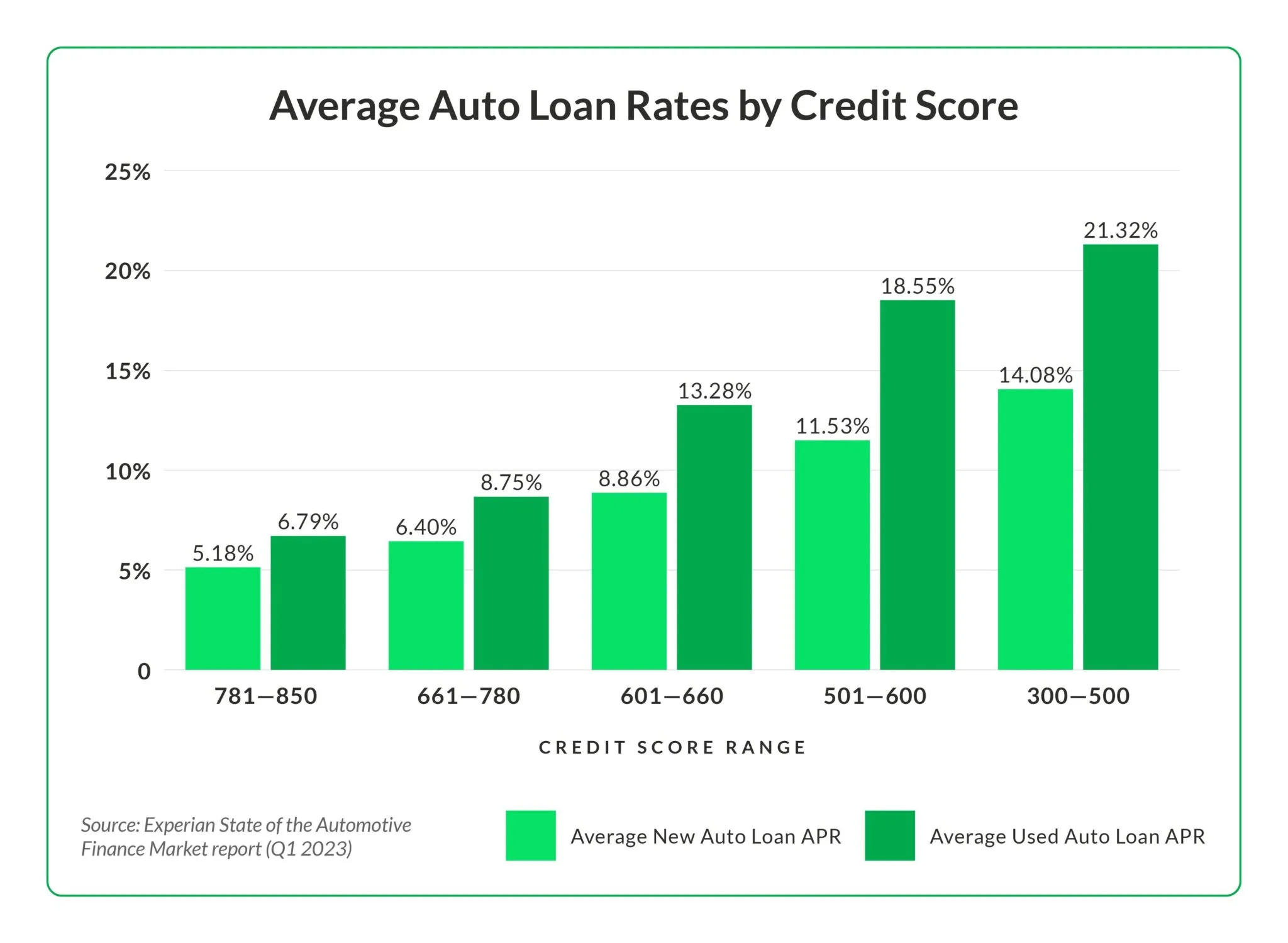
Your credit score remains the single most influential factor in determining your used car loan rate. Borrowers with excellent credit (typically 740 and above) access the lowest advertised rates. As credit scores decline into good, fair, or poor tiers, lenders increase the interest rate to offset the statistical risk of default. In Maine, maintaining a clean credit report and addressing discrepancies before applying can yield immediate financial benefits.
Vehicle Age, Mileage, and Condition
Lenders use the vehicle as collateral for the loan. If you default, the lender must be able to recover their losses by repossessing and selling the car. Consequently, older vehicles or those with high mileage carry higher interest rates. Many lenders enforce strict cutoffs, refusing to finance vehicles that are more than 10 or 12 years old, or those with odometer readings exceeding 120,000 miles.
Loan Term Length
The duration of your loan directly affects both your monthly payment and your interest rate. Shorter terms (such as 36 or 48 months) usually feature lower interest rates and less overall interest paid, but higher monthly payments. Extended terms (such as 72 or 84 months) lower the monthly payment but often come with higher interest rates and mean you will pay significantly more over the life of the loan, while risking a state of negative equity where you owe more than the car is worth.
Down Payment and Trade-In Value
Putting money down reduces the lender’s risk. A substantial down payment—typically 10% to 20% of the purchase price—signals financial stability and reduces the loan-to-value (LTV) ratio. This can help secure a lower interest rate, especially for buyers with borderline credit scores.
Comparing Maine Lending Options
Borrowers in Maine generally have three primary avenues for securing a used car loan: credit unions, traditional banks, and dealership financing. Each option carries distinct advantages and potential drawbacks.
Credit Unions
Maine is home to numerous member-owned credit unions known for competitive auto loan rates. Institutions such as Bangor Savings Bank (a mutual bank), Maine Savings Federal Credit Union, and Atlantic Regional Federal Credit Union often undercut national bank averages. Joining a credit union usually requires living, working, worshiping, or attending school in a specific region or working for a participating employer.
Traditional Banks
National and regional commercial banks operate throughout Maine, offering streamlined digital applications and seamless integration if you already maintain checking or savings accounts with them. While their rates for top-tier borrowers can rival credit unions, they may be less flexible regarding older vehicles or lower credit profiles.
Dealership Financing (Captive and Indirect)
Dealerships partner with multiple lenders to secure financing on-site. While convenient, indirect financing through a dealership can sometimes include a dealer markup, where the finance manager adds a percentage point or two to the rate approved by the lender as profit. However, dealerships occasionally run promotional rates for certified pre-owned (CPO) vehicles backed by manufacturers.
| Lender Type | Typical Rate Range (Excellent Credit) | Pros | Cons |
|---|---|---|---|
| Credit Unions | 5.5% – 7.5% APR | Lower rates, personalized service, flexible terms | Membership requirements, manual approval processes |
| National Banks | 6.0% – 8.5% APR | Convenient digital tools, large branch networks | Stricter vehicle age limits, less rate flexibility |
| Dealerships | 6.5% – 11.0% APR+ | One-stop shopping, access to CPO incentives | Potential rate markups, pressure for add-ons |
Step-by-Step Guide to Securing a Used Car Loan in Maine
To ensure you get the best possible deal on a used car loan in Maine, follow a structured, proactive approach before stepping onto a dealership lot.
- Check Your Credit Report: Obtain a free copy of your credit report through annualcreditreport.com and review your credit score. Look for errors and correct them before applying.
- Determine Your Budget: Calculate how much you can comfortably afford each month, factoring in fuel, insurance, maintenance, and registration fees required by the Maine Bureau of Motor Vehicles (BMV).
- Get Pre-Approved: Apply for pre-approval with at least one Maine credit union and one national bank. Pre-approval gives you a concrete interest rate baseline and strengthens your negotiating position at the dealership.
- Shop for the Vehicle: Look for pre-owned cars that fit your lifestyle and fall well within your pre-approved loan amount and the lender's age/mileage guidelines.
- Compare Financing Offers: Compare the dealer’s financing offer against your pre-approval letter. If the dealer can beat your pre-approved rate, take their offer; otherwise, use your independent financing.
- Finalize Paperwork: Review all loan terms, ensuring there are no prepayment penalties, hidden dealer fees, or mandatory add-on products like gap insurance that you did not explicitly request.
Consumer Protection and Legal Framework in Maine
When financing a vehicle in Maine, consumers are protected by both federal regulations and state-specific laws enforced by the Maine Bureau of Financial Institutions and the Office of the Maine Attorney General.
Maine does not have a statutory "cooling-off" period for vehicle purchases. Once you sign a conditional sales contract or loan agreement, the sale is legally binding; you cannot simply return the car the next day unless the contract explicitly provides a return policy or the dealer committed fraud.
Additionally, Maine’s Lemon Law primarily covers new motor vehicles, but used car buyers are protected by the implied warranty of merchantability under Maine Uniform Commercial Code (UCC) unless the vehicle is sold "AS IS" with a properly executed, conspicuous written waiver acknowledged by the buyer. Understanding these protections ensures you evaluate both the loan contract and the vehicle’s mechanical condition with due diligence.
Frequently Asked Questions
What credit score is needed for the best used car loan rates in Maine?
To secure the lowest available used car loan rates, lenders generally look for a credit score of 740 or higher. Borrowers in this tier are considered low-risk and qualify for prime interest rates. Those with scores between 620 and 739 will see progressively higher rates, while scores below 600 often require specialized subprime lenders or larger down payments.
Are credit union rates always lower than bank rates in Maine?
Not always, but credit unions frequently offer rates that are 0.5% to 1.5% lower than traditional commercial banks. Because credit unions operate as non-profit financial cooperatives, they pass earnings back to members in the form of lower loan rates and higher savings yields. It is always wise to compare quotes from both types of institutions.
Can I finance a car with high mileage in Maine?
Yes, but your options will be limited. Many traditional lenders and credit unions cap used car financing at 100,000 or 120,000 miles, or vehicles older than 10 years. If you are purchasing a high-mileage vehicle, you may need to look at specialized lenders or accept a higher interest rate and a shorter loan term.
Is it better to get pre-approved before visiting a dealership?
Getting pre-approved before shopping is highly recommended. Pre-approval gives you a clear budget, protects you from predatory dealer financing markups, and turns you into a cash buyer in the eyes of the salesperson, allowing you to focus strictly on negotiating the purchase price of the vehicle.
Does Maine charge sales tax on used car loans?
Maine charges a 5.5% sales tax on the purchase price of a used motor vehicle, which is typically collected by the dealer at the time of purchase or by the Maine Bureau of Motor Vehicles when you register the vehicle. While you can often roll the sales tax and registration fees into your total loan amount, doing so increases your monthly payment and overall interest charges.
Conclusion and Next Actions
Securing a competitive used car loan in Maine requires preparation, research, and a clear understanding of your financial profile. Begin by checking your credit score and obtaining pre-approval from a local credit union or bank before visiting a dealership. Compare your pre-approved rate against dealer-offered financing to ensure you secure the best overall terms. Always review loan documents carefully for hidden fees, verify vehicle age and mileage restrictions, and budget for Maine’s state sales tax and registration requirements to drive away with confidence.
Image Gallery