Fact Check: Has Apple CEO Tim Cook Passed Away?
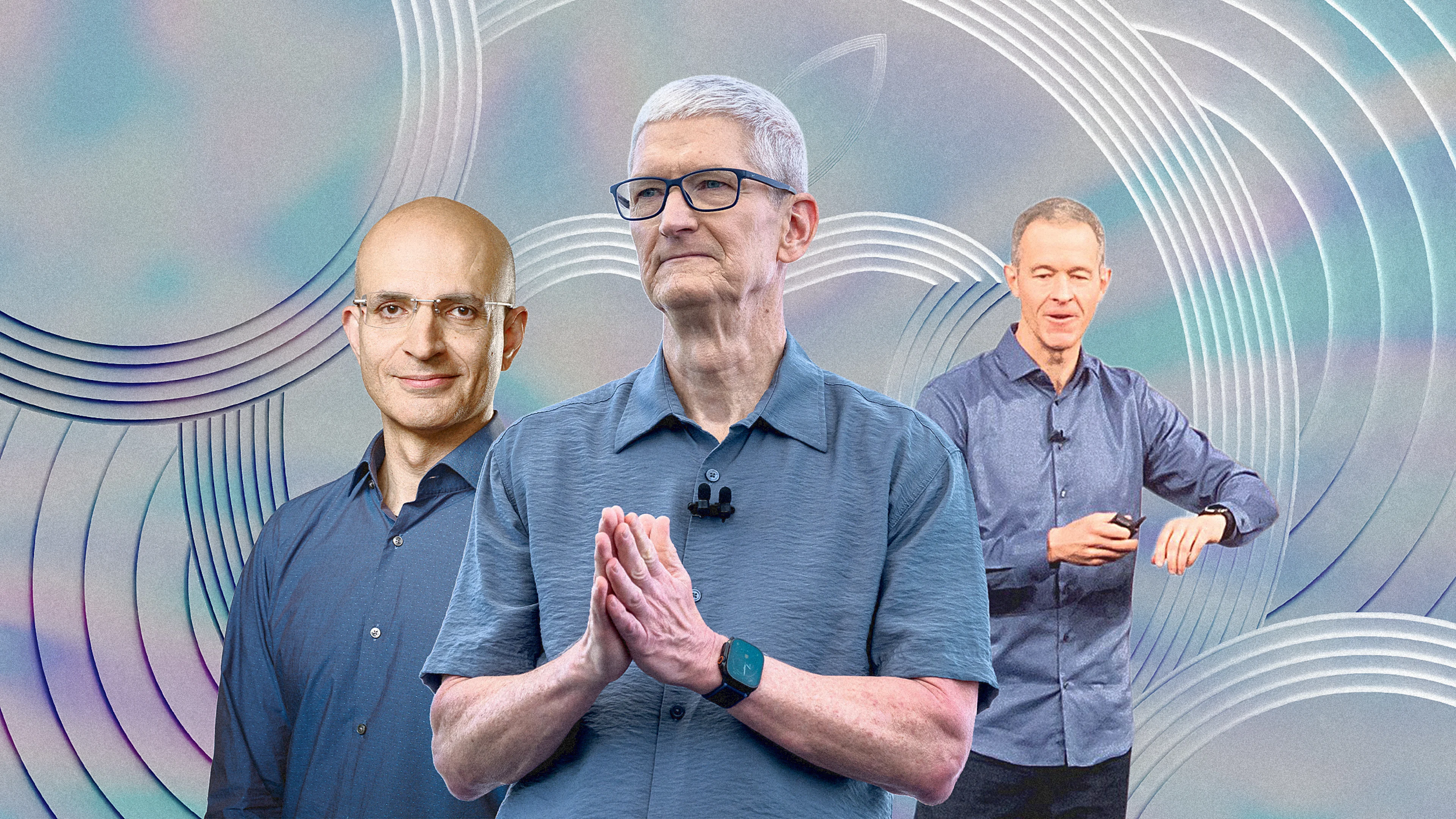
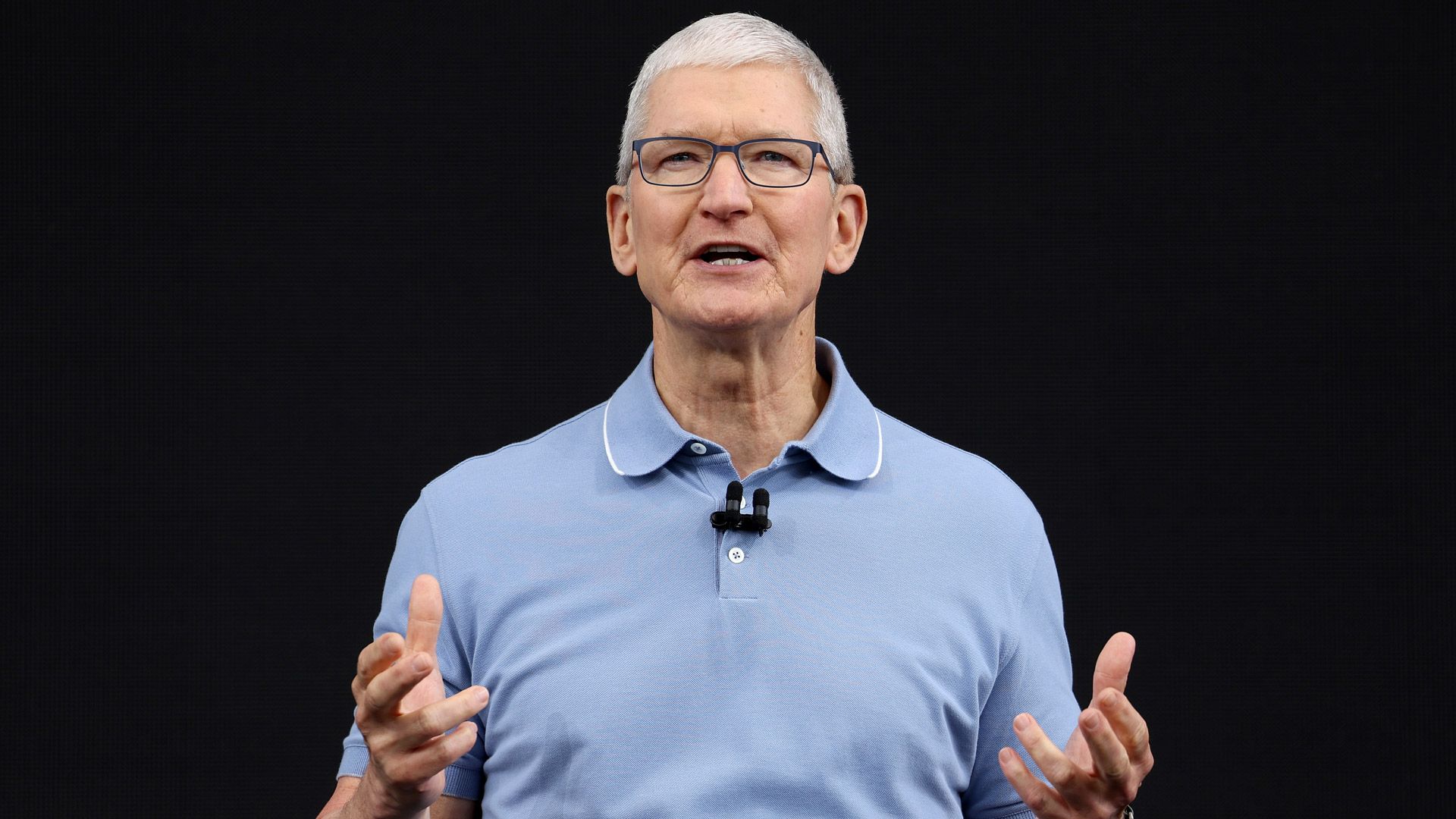
Tim Cook is alive and actively serving as the Chief Executive Officer of Apple Inc. Online searches regarding his death stem from recurring social media hoaxes, fabricated breaking news screenshots, and viral engagement-farming schemes...
Tim Cook is alive and actively serving as the Chief Executive Officer of Apple Inc. Online searches regarding his death stem from recurring social media hoaxes, fabricated breaking news screenshots, and viral engagement-farming schemes. Official executive updates, health notices, and leadership changes at Apple are disclosed exclusively through official investor relations filings and recognized wire services.
Contents
Verifying the Facts: Tim Cook’s Current Status
As of 2026, Tim Cook continues his tenure as the Chief Executive Officer of Apple Inc., a position he has held since August 2011. Rumors claiming that Cook has died are entirely false. These viral claims periodically surface across platforms such as X (formerly Twitter), TikTok, YouTube, and online message boards, often propelled by automated bot networks or satire accounts disguised as legitimate news outlets.
In publicly traded enterprise corporations—especially those with market capitalizations in the trillions of dollars—the status of key executives is subject to strict regulatory disclosure mandates. Under rules established by the U.S. Securities and Exchange Commission (SEC), material events concerning executive officers, including sudden incapacitation, resignation, or death, trigger immediate regulatory filings. No such filing, press release, or official statement from Apple has ever validated these viral death rumors.
The Anatomy of Corporate Executive Death Hoaxes
Death hoaxes targeting high-profile tech executives and business leaders are not a new phenomenon. They rely on predictable patterns designed to exploit viral dissemination algorithms and emotional reactions. Understanding how these hoaxes originate helps clarify why searches like "tim cook is dead" frequently spike.
1. Fabricated Media Screenshots
The most common vector for an executive death rumor is a digitally altered screenshot appearing to show a major news organization—such as the BBC, CNN, Reuters, or Bloomberg—publishing a breaking headline. Disinformation creators use image editing tools or browser element inspection to render realistic-looking articles that never actually existed on the publisher's servers.
2. Impersonator Accounts on Social Networks
Changes in verification systems across social media platforms have made it easier for malicious actors to obtain verified badges on accounts that mimic legitimate media channels. By altering a handle slightly (e.g., using a visually similar character or subtle misspelling), bad actors broadcast false breaking news alerts that casual readers mistake for official reports.
3. Financial Market Manipulation
In some instances, death hoaxes are deliberately fabricated by short-sellers or bad actors aiming to induce immediate market panic. Because automated high-frequency trading algorithms continuously monitor social sentiment and keyword streams, sudden spikes in phrases like "Tim Cook dead" or "Apple CEO deceased" can cause brief, artificial downward pressure on stock prices before human traders verify the source.
4. Generative AI and Synthetic Media
Advancements in synthetic audio, deepfake video, and automated content generation have escalated the speed at which false stories spread. Automated spam websites generate thousands of auto-populated articles pulling from trending search queries, creating a self-reinforcing loop where speculative search traffic generates fake confirmation articles.
Historical Context: Tech Industry Disinformation
The technology sector has a long history of false executive health reports impacting public perception and financial markets.
- Steve Jobs (2008): A user-generated report posted on CNN’s citizen-journalism platform, iReport, falsely claimed that Apple co-founder Steve Jobs had suffered a major heart attack. The unverified claim caused Apple’s stock to drop by over 5% within minutes before CNN deleted the post and Apple formally refuted the rumor.
- Recurring Tech CEO Hoaxes: Industry figures such as Sundar Pichai, Elon Musk, and Jeff Bezos have routinely been the subjects of coordinated viral rumors claiming sudden demise due to accidents or medical emergencies.
These historical precedents led major exchanges, financial institutions, and regulatory bodies to establish rigorous verification protocols before reacting to social media headlines.
Official Channels vs. Social Media Hoaxes
To evaluate whether news regarding an executive is authentic, readers and investors should understand the distinct differences between regulated corporate communications and unverified viral media.
| Feature / Metric | Official Corporate Disclosure | Social Media Death Hoax |
|---|---|---|
| Primary Source | Apple Newsroom, SEC EDGAR Database | Anonymous social posts, unverified blogs |
| Regulatory Filing | SEC Form 8-K (Item 5.02) within designated timeframe | None; zero regulatory documentation |
| Primary News Outlets | Associated Press, Reuters, Bloomberg, Wall Street Journal | Screenshots, low-tier ad-monetized content mills |
| Corporate Confirmation | Verified statement from Apple Corporate Communications | Complete silence from official company reps |
| Market Reaction | Controlled institutional response following SEC disclosures | Short-term algorithmic volatility driven by sentiment bots |
| Visual Evidence | Direct press conferences, formal press releases | Altered images, low-resolution graphic templates |
How Executive Disclosures Work Under SEC Rules
Publicly traded firms in the United States operate under stringent legal frameworks regarding material corporate events. The Securities and Exchange Commission requires companies to file a Form 8-K to announce significant events that shareholders and the public should know about.
Item 5.02 Requirements
Under Item 5.02 of Form 8-K ("Departure of Directors or Certain Officers; Election of Directors; Appointment of Certain Officers; Compensatory Arrangements of Certain Officers"), a public company must report:
- The retirement, resignation, or termination of a principal executive officer.
- The death or incapacitation of a key officer.
- The appointment of a interim or permanent successor.
These filings must generally be submitted within four business days of the event, though critical events involving top leadership are typically announced immediately to prevent insider trading and maintain market order. Because Apple has submitted no Form 8-K declaring a vacancy in the CEO position, claims regarding Tim Cook’s death can be conclusively categorized as false.
Apple’s Succession Planning and Leadership Structure
While rumors of Tim Cook's passing are entirely unfounded, questions regarding corporate leadership naturally bring attention to Apple's governance structure and succession planning.
Apple’s Board of Directors maintains a formal, continuously updated succession plan designed to ensure operational stability under any circumstances. Key components of Apple's leadership contingency framework include:
- Executive Team Depth: Apple’s Senior Vice Presidents oversee major divisions—such as Operations, Hardware Engineering, Software Engineering, Services, and Retail—ensuring decentralized operational continuity.
- Board Oversight: The Nominating and Corporate Governance Committee of Apple's Board periodically reviews emergency succession procedures alongside long-term leadership development programs.
- Fiduciary Duty: As part of their fiduciary responsibilities to shareholders, the board is prepared to designate an interim CEO immediately if the incumbent chief executive becomes unable to perform their duties.
How to Fact-Check Corporate News Step-by-Step
When encountering shocking headlines regarding major corporate leaders, follow this structured verification framework to avoid falling for disinformation:
Step 1: Check Official Corporate Portals
Go directly to the company's official media center. For Apple, official announcements are published at apple.com/newsroom. If a major event has occurred, it will be prominently featured here first.
Step 2: Search Regulatory Databases
Consult the SEC EDGAR search tool (sec.gov/edgar) to check for recent 8-K filings. Regulatory filings represent legally binding statements subject to federal oversight and penalties for falsification.
Step 3: Verify Through Primary Wire Services
Check global news agencies such as the Associated Press, Reuters, or Bloomberg. Major newsrooms enforce multi-source confirmation requirements before publishing breaking stories regarding executive health or corporate leadership.
Step 4: Examine Social Media Metadata
If viewing a screenshot of a breaking news post, look closely at fonts, spacing, profile handles, and timestamp formats. Search for the exact headline text on the actual outlet’s website rather than trusting an isolated image file.
Frequently Asked Questions
Is Tim Cook still the CEO of Apple?
Yes. Tim Cook remains the active Chief Executive Officer of Apple Inc. He has held the position since August 2011 and continues to manage executive operations, product announcements, and corporate strategy.
Where did the rumor that Tim Cook died come from?
The rumor originates from recurring social media hoaxes, fake news screenshots, and clickbait websites designed to generate viral traffic or engage in engagement farming on social platforms.
How does Apple officially announce major executive changes?
Apple announces major corporate updates through official press releases on the Apple Newsroom website and formal regulatory filings with the U.S. Securities and Exchange Commission (SEC), accessible via the EDGAR database.
Can false reports about an executive's death affect the stock market?
Yes. Automated trading programs monitor news feeds and social media for trending keywords. Unverified rumors can trigger brief drops in stock prices before human traders verify the news and correct the market.
What legal penalties apply to spreading false corporate rumors?
Intentionally spreading false information about a publicly traded company to manipulate stock prices can lead to civil and criminal investigations by the SEC and the Department of Justice under federal securities fraud statutes.
Next Steps for Readers and Investors
When evaluating sudden or unconfirmed reports involving high-profile corporate figures, prioritize verified information over social media trends:
- Avoid Retweeting or Sharing Unverified Alerts: Pause before sharing breaking claims from social accounts that lack a track record of primary reporting.
- Bookmark Official Investor Resources: Rely on direct investor relations pages (such as
investor.apple.com) and regulatory portals for authoritative corporate data. - Report Misinformation: Use platform reporting tools to flag imposter accounts and deliberate hoaxes that attempt to impersonate legitimate news organizations.
Image Gallery