Why the Beijing CCTV Building Is Worth Seeing: Architectural Marvel of the Capital
The Beijing CCTV Building is worth seeing because it revolutionized skyscraper design by replacing the traditional vertical tower with a continuous, three-dimensional loop that challenges gravity, redefines urban skylines, and showcase...
The Beijing CCTV Building is worth seeing because it revolutionized skyscraper design by replacing the traditional vertical tower with a continuous, three-dimensional loop that challenges gravity, redefines urban skylines, and showcases cutting-edge structural engineering.
Contents
Introduction to the CCTV Headquarters
When exploring the modern architectural landscape of Beijing, few structures command as much visual and intellectual attention as the China Central Television (CCTV) Headquarters. Located in the Beijing Central Business District (CBD) in Chaoyang District, this iconic complex is far more than a corporate office building. Designed by the renowned architectural firm OMA (Office for Metropolitan Architecture), led by Rem Koolhaas and Ole Scheeren, the building represents a radical departure from the traditional skyscraper race.
For travelers, architecture enthusiasts, and photography buffs, understanding why the Beijing CCTV Building is worth seeing requires looking past its unconventional silhouette. The structure is an engineering triumph, a masterclass in urban spatial planning, and a striking symbol of contemporary China's rapid modernization. This comprehensive guide examines the structural innovations, historical context, visitor experience, and architectural significance that make the CCTV building an essential stop on any modern Beijing itinerary.
Architectural Innovation and Structural Design
The defining characteristic of the CCTV Building is its defiance of conventional high-rise architecture. For over a century, the global race for architectural dominance was measured primarily by verticality—building taller, slender spires that pierced the clouds. OMA discarded this paradigm entirely.
The Loop Concept
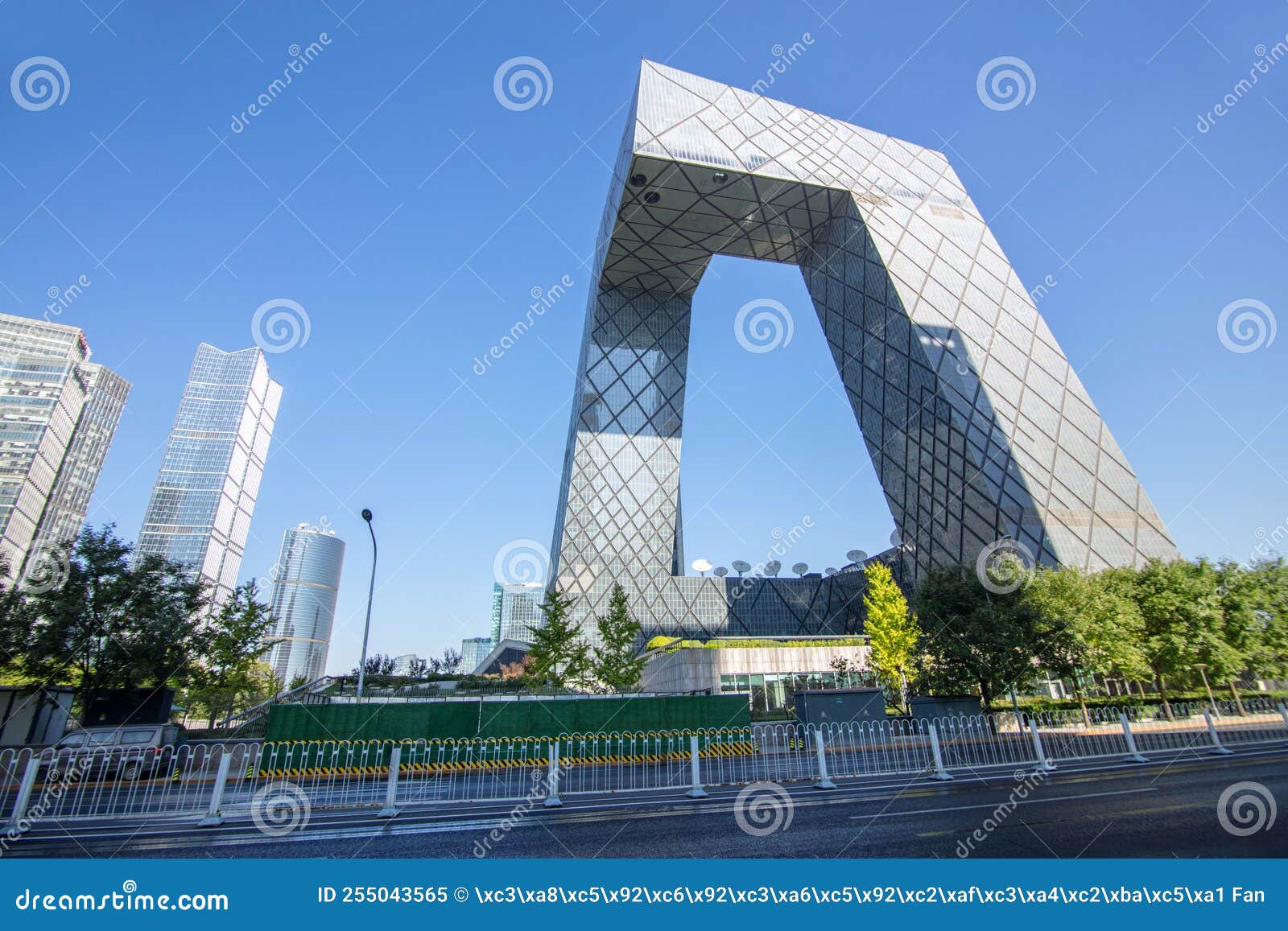
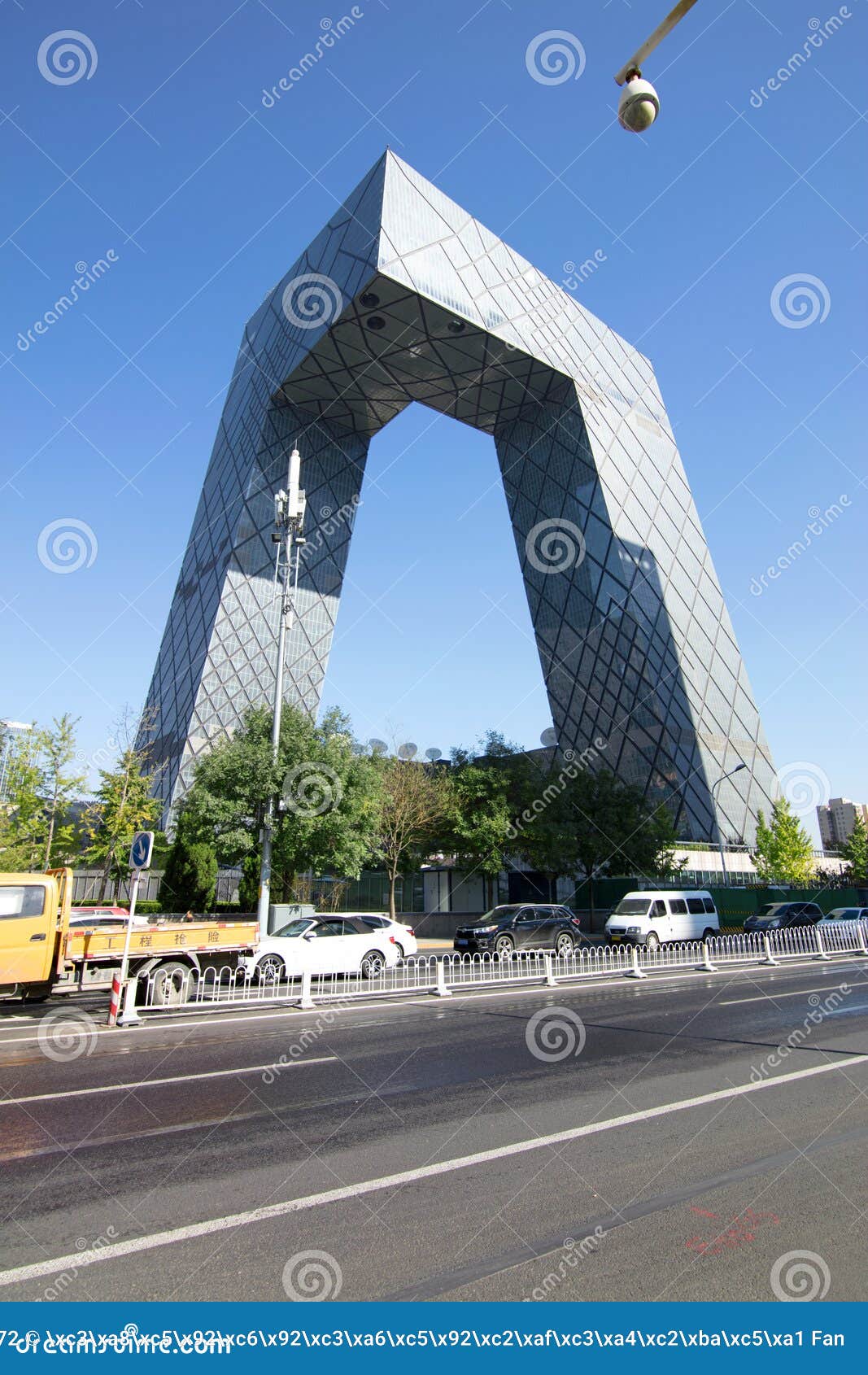
Instead of two independent towers competing for height, the CCTV complex consists of two leaning towers that start from a common platform and curve inward at the top to meet in a massive, ninety-degree cantilevered overhang. This continuous three-dimensional loop creates a hollow center that frames the Beijing sky, shifting the focus from vertical height to volume, connectivity, and structural daring.
The loop houses a complex choreography of television production, administration, and broadcasting functions. By uniting the entire workflow of the state television network into a single continuous circuit, the architecture physically mirrors the collaborative nature of media production.
Engineering Challenges and Seismic Resilience
Constructing a building with cantilevered sections weighing thousands of tons in a seismic zone like Beijing required unprecedented engineering solutions. Partnering with structural engineering firm Arup, the design team utilized an external steel diagrid—a web of triangular steel braces visible across the glass facade.
This diagrid distributes gravity loads and lateral forces, such as high winds and earthquakes, unevenly across the structure's skin rather than relying solely on a central core. Visitors observing the exterior will notice how the density of the steel triangles shifts depending on the structural stress points, turning technical engineering necessity into a visually captivating aesthetic texture.
Urban Impact and Skyline Presence
The CCTV Building occupies a massive 10-hectare site in the heart of the Beijing CBD. Its monumental scale and unique geometry alter the surrounding urban fabric in profound ways.
| Architectural Feature | Traditional Skyscraper | Beijing CCTV Building |
|---|---|---|
| Primary Structural Axis | Vertical (Upward thrust) | Three-dimensional loop (Continuous circuit) |
| Load Distribution | Central core and internal columns | External steel diagrid and perimeter framing |
| Visual Footprint | Isolated tower or twin towers | Interconnected volumetric sculpture |
| Urban Relationship | Dominates space via height | Interacts with space via open framing and cantilevers |
Unlike many skyscrapers that turn their backs on the street, the CCTV compound is integrated with a landscaped media park and a lower-slung functional base known as the "Plaza." This layout softens the transition between the colossal tower and the pedestrian street level, offering viewers multiple vantage points to appreciate the changing perspective of the building as they move around the district.
Practical Guide for Visitors
While the CCTV Headquarters is primarily a secure, working corporate facility and public interior access is restricted to authorized personnel and invited guests, experiencing the structure firsthand remains a major highlight for architecture tourists.
Best Vantage Points for Viewing and Photography
Because of its monumental proportions—standing approximately 234 meters tall with a total floor area of nearly 473,000 square meters—getting close to the base provides an overwhelming sense of scale, but stepping back yields the best compositional views.
- The CBD Pedestrian Walkways: Walking through the surrounding Chaoyang business district allows visitors to experience the way the building frames different sections of the sky depending on the viewing angle.
- Park Areas and Open Plazas: Nearby public green spaces offer clear sightlines for capturing the dramatic cantilever, particularly during golden hour when the reflective glass facade catches the sunset.
- Night Illumination: The building features a sophisticated architectural lighting system that highlights the diagrid steel structure after dark, making evening viewing a distinct and visually striking experience.
Combining with Other Modern Beijing Landmarks
The CCTV Building is situated in an area rich with contemporary architecture. Travelers planning a modern design tour can easily combine a visit to the CCTV Headquarters with nearby architectural landmarks, such as:
- The Beijing Yintai Centre: A trio of towers featuring striking geometric crowns.
- The World Financial Center (WFC): Known locally as the "Inverted Bottle Opener."
- Chaoyang Park: Providing expansive open spaces for relaxing and viewing the surrounding skyline.
Frequently Asked Questions
Can tourists go inside the Beijing CCTV Building?
No, the CCTV Headquarters is an active, highly secure broadcasting and corporate facility. General tourists cannot enter the interior or access the observation decks. However, viewing, photographing, and studying the exterior architecture from the public spaces and streets of the Chaoyang CBD is entirely accessible and constitutes the primary way visitors experience the landmark.
What is the official name and nickname of the building?
The official name is the China Central Television (CCTV) Headquarters. Due to its unique angular loop geometry and the distinctive shape of its structural steel framing, it is frequently referred to by locals and international media by various descriptive nicknames, though OMA designed it strictly as an integrated loop.
Why is the building shaped like a loop instead of a standard tower?
Architect Rem Koolhaas designed the loop to symbolize the entire television production process—bringing administration, production, broadcasting, and digital archiving into a single, continuous operational circuit. Structurally, it avoided the repetitive monotony of standard twin towers and created an iconic civic presence for Beijing's emerging business district.
When was the CCTV Building constructed?
Construction on the CCTV Headquarters began in September 2004 following an international design competition held in 2002. The main structure was completed, and the building officially opened for operations in phases leading up to the early 2010s, remaining a defining icon of 21st-century architectural engineering.
Conclusion and Next Actions
The Beijing CCTV Building stands as a monumental achievement in structural engineering and spatial design. For anyone interested in how contemporary architecture can challenge traditional forms, reshape skylines, and redefine urban space, visiting the exterior of this modern icon is an unforgettable experience. To make the most of your visit, plan an afternoon walk through the Chaoyang CBD during golden hour to capture the interplay of light on its steel diagrid, and combine your trip with an exploration of Beijing's surrounding contemporary architectural masterworks.
Image Gallery