Exploring Lincoln University’s Philadelphia Campus: Programs, Admissions, and Student Resources
Lincoln University operates a strategic urban site known as the University City Center in Philadelphia, primarily serving adult learners and graduate students. While the university’s historic 422-acre main campus is located in Chester...
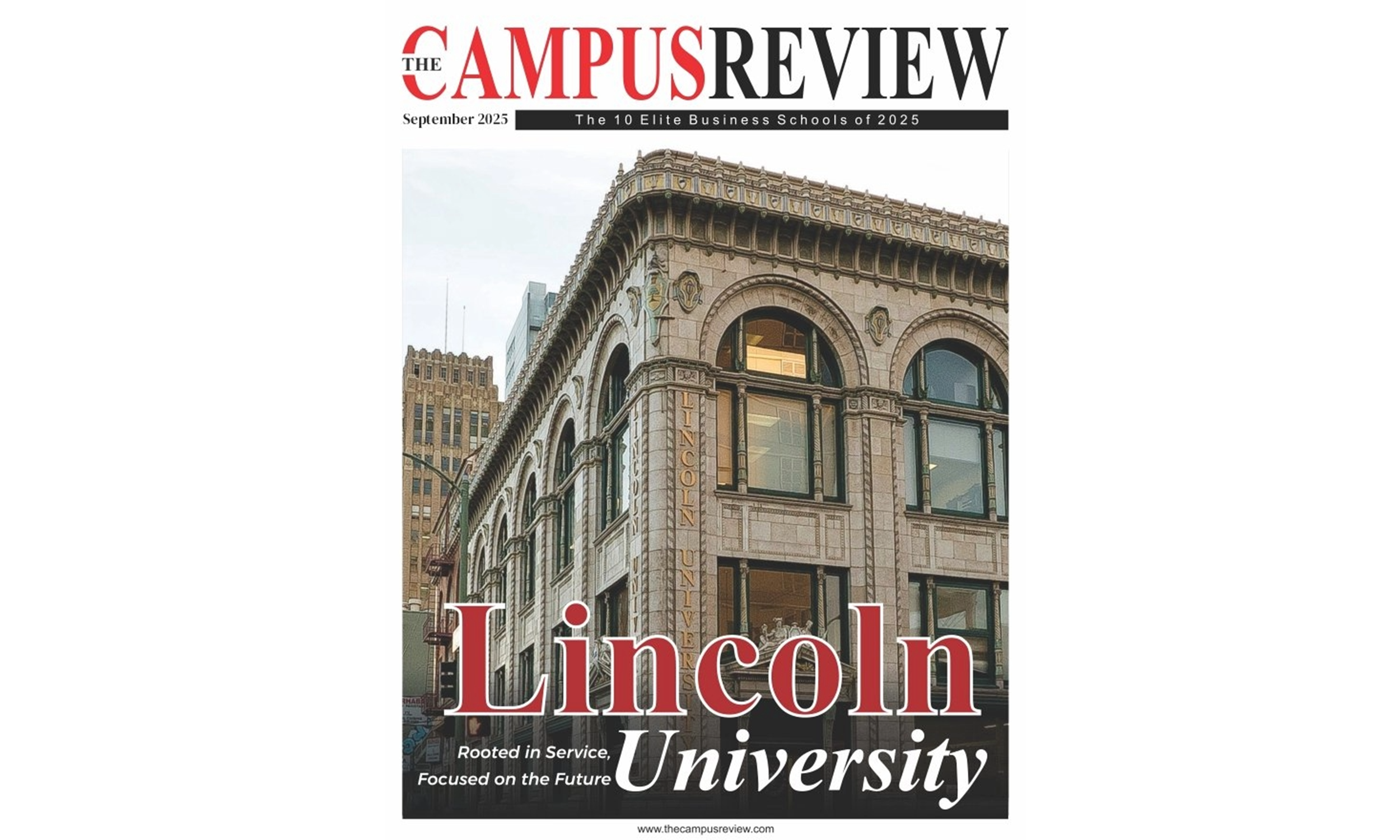
Lincoln University operates a strategic urban site known as the University City Center in Philadelphia, primarily serving adult learners and graduate students. While the university’s historic 422-acre main campus is located in Chester County, the Philadelphia location at 3020 Market Street provides specialized degree-completion programs and graduate studies in fields such as business, education, and human services.
Contents
The Strategic Role of Lincoln University City Center in Philadelphia
Lincoln University holds a unique position in American higher education as the nation's first degree-granting Historically Black College and University (HBCU), founded in 1854. While its heritage is rooted in the rural landscape of Lower Oxford Township, the institution recognized a growing need for accessible, high-quality education within the Philadelphia metropolitan area. As of 2026, the Lincoln University City Center remains the cornerstone of the institution’s commitment to urban education and professional development.
The Philadelphia campus is not merely a satellite office but a fully integrated academic hub. It is designed to accommodate the schedules of working professionals who require flexibility without sacrificing academic rigor. By situating the campus in University City—a vibrant district home to major research institutions and healthcare providers—Lincoln ensures its students are positioned at the heart of Philadelphia’s economic and intellectual engine. This location facilitates networking opportunities, internships, and partnerships with nearby corporate and non-profit entities.
For many students, the Philadelphia campus solves the "commuter dilemma." Instead of traveling an hour or more to the main campus, residents of the tri-state area (Pennsylvania, Delaware, and New Jersey) can access the same accredited curricula in a modern, tech-enabled environment. The facility is equipped with specialized classrooms, computer labs, and student lounge areas tailored for adult learning cohorts.
Academic Programs Offered at the Philadelphia Campus
The academic portfolio at the Lincoln University City Center is curated to meet the demands of the 2026 labor market, focusing on leadership, social impact, and educational excellence. Unlike the main campus, which hosts a broad array of traditional undergraduate liberal arts majors, the Philadelphia site specializes in professional graduate degrees and accelerated undergraduate completion programs.
Graduate Degree Programs
The graduate offerings are the primary draw for the Philadelphia location. These programs often follow a cohort model, where students progress through their studies with the same group of peers, fostering a collaborative learning environment.
- Master of Business Administration (MBA): This program focuses on strategic management, finance, and ethical leadership. It is designed for those looking to transition into executive roles or launch entrepreneurial ventures within the Philadelphia business ecosystem.
- Master of Education (M.Ed.): Tailored for certified teachers and aspiring administrators, this program addresses urban education challenges, curriculum development, and instructional leadership.
- Master of Arts in Human Services (MAHS): This degree is highly sought after by professionals in the non-profit and social services sectors. It emphasizes clinical knowledge, administrative skills, and community advocacy.
Undergraduate Adult Degree Completion
For individuals who have earned some college credit but have not completed their degree, the Philadelphia campus offers a path to graduation. The Bachelor of Science in Human Services is a flagship program here. It allows working adults to leverage their prior experiences while gaining the formal credentials necessary for career advancement. These classes are typically held in the evenings or on weekends to accommodate full-time employment schedules.
Admissions Requirements and Application Process
Applying to Lincoln University’s Philadelphia programs in 2026 requires a focused approach, as the criteria differ slightly from the traditional undergraduate admissions process. Because these programs target experienced individuals, the university places significant weight on professional history and prior academic performance.
For Graduate Applicants
To be considered for the MBA, M.Ed., or MAHS programs, candidates must generally provide:
- Official Transcripts: Evidence of a completed baccalaureate degree from a Middle States Commission on Higher Education (MSCHE) accredited institution or its equivalent. A minimum GPA of 2.7 or 3.0 is typically required, depending on the specific program.
- Letters of Recommendation: Usually two or three professional or academic references who can vouch for the candidate’s ability to handle graduate-level coursework.
- Personal Statement: A detailed essay outlining the applicant's career goals and why they have chosen Lincoln University.
- Resume/CV: Documentation of professional work experience, which is particularly vital for the MBA and Human Services programs.
For Adult Undergraduate Completion
Applicants looking to finish their bachelor's degree must submit transcripts from all previously attended post-secondary institutions. Lincoln University maintains generous transfer credit policies to help students maximize their existing credits. Potential students are encouraged to meet with an academic advisor at the City Center to perform a preliminary credit evaluation before submitting a formal application.
2026 Tuition and Financial Planning
Understanding the financial investment is critical for any prospective student. For the 2025-2026 academic year, Lincoln University maintains a competitive tuition structure compared to other private and state-related institutions in the Philadelphia region. As a state-related institution in Pennsylvania, Lincoln offers different rates for in-state and out-of-state residents.
| Program Type | Estimated Tuition (In-State) | Estimated Tuition (Out-of-State) | Mandatory Fees (Annual) |
|---|---|---|---|
| Graduate (Per Credit) | $580 - $650 | $900 - $980 | $400 - $600 |
| Adult Undergraduate (Per Credit) | $510 - $550 | $820 - $870 | $350 - $500 |
| MBA Program (Total) | $36,000 - $42,000 | $52,000 - $58,000 | Included in specific labs |
Note: These figures are estimates for the 2026 period and are subject to change based on Board of Trustees approvals. Students should consult the Lincoln University Bursar's Office for the most current fee schedules.
Financial Aid and Scholarships
Students at the Philadelphia campus are eligible for federal financial aid, including Pell Grants (for undergraduates) and Direct Stafford Loans. Additionally, many graduate students utilize employer tuition reimbursement programs. Lincoln University also offers specific scholarships for HBCU alumni and merit-based awards for high-achieving graduate applicants. It is essential to complete the Free Application for Federal Student Aid (FAFSA) early in the calendar year to ensure maximum eligibility.
Comparing the Main Campus vs. Philadelphia City Center
Prospective students often wonder which location is right for them. The choice depends entirely on your current life stage and career objectives.
| Feature | Main Campus (Chester County) | University City Center (Philadelphia) |
|---|---|---|
| Primary Audience | Traditional 18-22 year old students | Working adults and graduate students |
| Housing | Extensive on-campus dormitories | Commuter-based; no university housing |
| Atmosphere | Rural, historic, traditional college life | Urban, professional, career-focused |
| Program Variety | 30+ undergraduate majors | Select graduate and completion programs |
| Transportation | Requires car or university shuttle | Highly accessible via SEPTA (subway/bus/train) |
The Philadelphia campus is optimized for the "non-traditional" student. There are no marching bands or sprawling athletic fields at 3020 Market Street; instead, there are high-speed networking hubs, executive seminar rooms, and proximity to the 30th Street Station, making it ideal for those balancing family, work, and education.
Student Support and Professional Development
A common misconception about satellite campuses is that they lack the support services found at a main campus. Lincoln University has worked to ensure that students in Philadelphia have full access to the university’s resources.
Career Services and Networking
The Career Development Center provides specialized support for graduate students. This includes resume workshops tailored for executive roles, mock interviews for management positions, and exclusive job fairs that connect students with Philadelphia-based employers. Because many faculty members at the Philadelphia site are practitioners in their fields—such as active school administrators or business consultants—students gain "real-world" insights that go beyond theoretical textbooks.
Library and Research Facilities
Students at the City Center have digital access to the Langston Hughes Memorial Library. The university provides robust online databases, ensuring that graduate students can conduct high-level research from any location. On-site, the Philadelphia campus offers quiet study areas and collaborative spaces for group projects, which are central to the cohort-based learning model.
Accreditation and Quality Assurance
Lincoln University is accredited by the Middle States Commission on Higher Education. This accreditation applies to all locations, including the Philadelphia campus. Furthermore, specific programs hold secondary accreditations; for example, the education programs are aligned with Pennsylvania Department of Education standards, ensuring that graduates are eligible for state licensure and certification.
Common Mistakes to Avoid When Applying
- Confusing the Locations: Ensure you are applying specifically to the Philadelphia-based program if you intend to study in the city. Some undergraduate majors are only available at the main campus.
- Missing Graduate Deadlines: Graduate programs often have "rolling admissions," but waiting too long can result in cohorts being filled. Aim to have all materials submitted at least three months before the semester start date.
- Underestimating Transfer Credits: Adult learners often overlook credits earned decades ago. Lincoln University typically reviews all previous transcripts, and you might be closer to a degree than you realize.
- Neglecting the FAFSA: Even if you believe you earn too much for "aid," the FAFSA is required for most federal student loans, which offer better terms than private educational loans.
Frequently Asked Questions
Does Lincoln University have a traditional campus in Philadelphia?
No, the Philadelphia location is an urban center primarily housed in a professional building in University City. It does not have dormitories, dining halls, or athletic stadiums. The traditional, residential campus is located in Lincoln University, PA (Chester County), about 45 miles southwest of Philadelphia.
Can I get a full undergraduate degree at the Philadelphia campus?
The Philadelphia campus focuses on "degree completion." This means it is ideal for students who already have an Associate degree or a significant number of credits. Freshmen looking for a traditional four-year experience are generally directed to the main campus.
Is the MBA program at Lincoln University accredited?
Yes, Lincoln University is accredited by the Middle States Commission on Higher Education. The MBA program follows rigorous academic standards designed to meet the requirements of professional business practice and is recognized by employers across the United States.
What are the public transportation options for the Philly campus?
The University City Center is exceptionally well-connected. It is within walking distance of 30th Street Station, providing access to Amtrak, SEPTA Regional Rail, and the Market-Frankford Line (the "El"). Multiple bus routes and the trolley system also stop nearby, making it one of the most accessible educational sites in the city.
Are there evening and weekend classes available?
Yes, the vast majority of courses at the Philadelphia campus are scheduled in the evenings (typically starting after 5:00 PM) or on Saturdays. This schedule is specifically designed to accommodate the needs of students who work full-time during the day.
Final Recommendation for Prospective Students
If you are a working professional in the Philadelphia area looking to elevate your career through a Master’s degree or by finishing a long-delayed Bachelor’s degree, the Lincoln University City Center is an excellent choice. Its combination of HBCU heritage and urban convenience provides a unique educational environment. Your next step should be to contact an admissions counselor specifically for the Philadelphia location to schedule a transcript review or attend an upcoming virtual information session. Taking this step early will allow you to map out your degree path and secure financial aid well before the 2026 academic deadlines.
Image Gallery