Medicaid Eligibility Requirements in NM: Income Limits, Rules, and Application Steps
To qualify for Medicaid in New Mexico (known as Turquoise Care), applicants must meet state residency, citizenship, and income criteria. Low-income adults aged 19–64 qualify with household incomes up to 138% of the Federal Poverty Leve...
To qualify for Medicaid in New Mexico (known as Turquoise Care), applicants must meet state residency, citizenship, and income criteria. Low-income adults aged 19–64 qualify with household incomes up to 138% of the Federal Poverty Level. Children, pregnant individuals, seniors, and people with disabilities qualify under expanded limits or specialized non-financial and asset requirements.
Contents
Overview of New Mexico Medicaid (Turquoise Care)
New Mexico administers its Medicaid program through the New Mexico Health Care Authority (HCA), formerly known as the Human Services Department (HSD). Managed care service delivery operates under Turquoise Care, the official state brand for comprehensive healthcare coverage. Medicaid provides essential health benefits, including doctor visits, hospital stays, prescription medications, behavioral healthcare, maternal care, and long-term services and supports.
Eligibility in New Mexico is divided into two primary categories: MAGI (Modified Adjusted Gross Income) Medicaid programs and Non-MAGI Medicaid programs. The category determines whether income is measured against the Federal Poverty Level (FPL) alone or if asset limits and medical assessments also apply. Understanding these framework distinctions ensures applicants target the correct application pathway and provide the correct documentation.
Financial Eligibility Criteria for MAGI Programs
MAGI Medicaid covers most non-elderly adults, children, pregnant individuals, and parents or caregiver relatives. Under the Affordable Care Act (ACA), MAGI programs evaluate gross household income after standard federal tax deductions. They do not consider personal assets, savings accounts, retirement funds, or real estate property.
Income Disregards and Household Size Calculations
MAGI eligibility relies on Federal Poverty Level thresholds updated annually by the federal government. To calculate income accurately:
- Determine tax household size, which includes the applicant, spouse, and claimed tax dependents.
- Calculate total gross countable income for all tax household members.
- Apply the standard 5% FPL income disregard, effectively raising the functional eligibility income cap for qualifying MAGI coverage tiers.
Countable income includes wages, self-employment earnings, taxable social security benefits, unemployment compensation, and alimony from pre-2019 agreements. Child support received, SSI payments, and veteran benefits are generally excluded from MAGI income calculations.
Income Limits for Adults, Children, and Pregnant Individuals
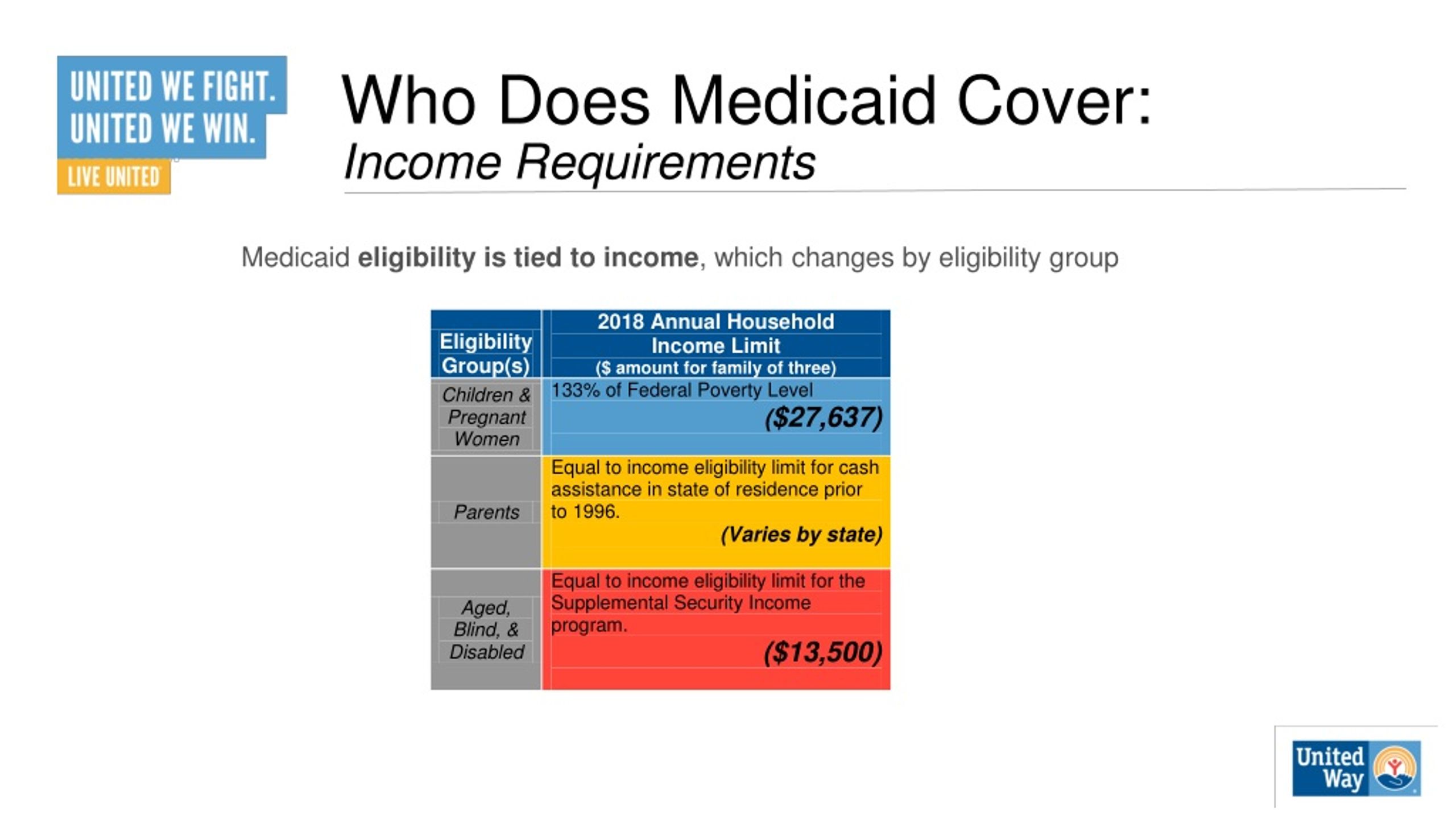
- Adult Expansion (Ages 19–64): Income up to 133% FPL (effectively 138% FPL with the 5% disregard). This pathway covers adults without dependent children as well as parents with income above traditional family assistance levels.
- Pregnant Individuals: Income up to 250% FPL. Coverage extends through the pregnancy and lasts for 12 months postpartum to ensure comprehensive maternal and infant care.
- Children (Medicaid and CHIP): Children from birth through age 18 are eligible up to 240% FPL (or higher depending on age brackets and specific program components under New Mexico's expanded child health coverage initiatives).
- Parents and Caregiver Relatives: Low-income parents qualify under standard MAGI expansion rules up to 138% FPL if they do not meet lower traditional low-income family criteria.
Non-MAGI Eligibility: Aged, Blind, and Disabled (ABD) Pathways
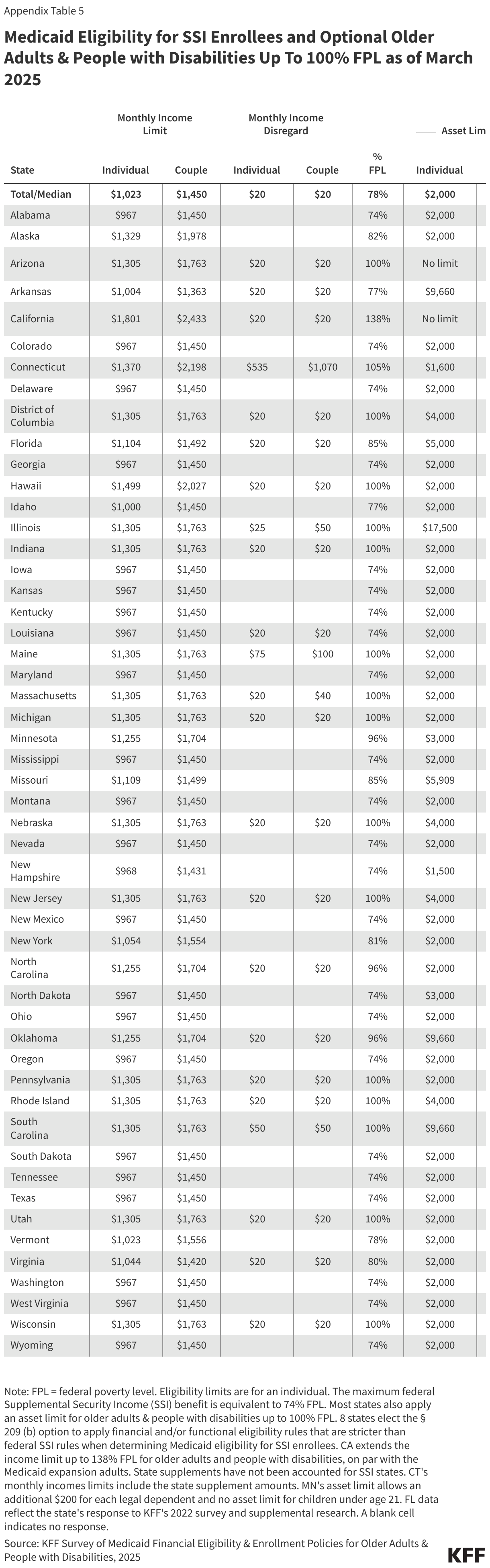
Individuals who are 65 years or older, legally blind, or meeting Social Security Administration disability criteria are evaluated under Non-MAGI Medicaid rules. Unlike MAGI pathways, Non-MAGI eligibility imposes both income limits and resource (asset) limits.
Asset and Resource Thresholds
For standard Aged, Blind, and Disabled (ABD) Medicaid in New Mexico, strict asset caps apply:
- Individual Resource Limit: $2,000
- Married Couple Limit: $3,000
Countable vs. Exempt Assets
- Countable Assets: Checking and savings accounts, certificates of deposit (CDs), stocks, bonds, second vehicles, non-primary real estate, and cash value of life insurance policies exceeding $1,500.
- Exempt Assets: Primary residence (up to state equity limits, provided the applicant intends to return or a spouse resides there), one primary automobile, personal belongings, household goods, burial plots, and irrevocable prepaid funeral contracts.
Institutional and Home/Community-Based Services (HCBS) Waiver Requirements
Applicants requiring nursing home care or long-term community supports via the Turquoise Care Waiver (formerly the Centennial Care Community Benefit) face specialized clinical and financial evaluations.
- Medical Eligibility: Applicants must meet Nursing Facility Level of Care (NF LOC) criteria, established through a comprehensive medical assessment conducted by an HCA-contracted assessor.
- Income Limits: For Institutional Medicaid and HCBS waivers, individual gross monthly income generally cannot exceed 300% of the Supplemental Security Income (SSI) Federal Benefit Rate.
- 5-Year Lookback Period: For long-term care coverage, New Mexico enforces a 60-month lookback window on asset transfers. Uncompensated asset transfers (gifting money, selling property below market value) within 5 years of application trigger a penalty period during which Medicaid will not pay for long-term care services.
- Spousal Impoverishment Protections: When one spouse applies for long-term care and the other remains in the community ("community spouse"), special provisions protect a portion of the couple's combined income and assets (Community Spouse Resource Allowance) to prevent impoverishment.
Non-Financial Medicaid Requirements in New Mexico
Financial qualification alone does not guarantee coverage. All applicants must satisfy baseline non-financial criteria established by federal laws and state regulations.
Residency, Citizenship, and Identity Verification
- New Mexico Residency: Applicants must reside in New Mexico and intend to remain permanently or for an indefinite duration. Temporary absence (such as visiting family out of state) does not forfeit residency if the intent to return remains intact.
- Citizenship and Lawful Presence: U.S. citizens, legal permanent residents (LPRs/green card holders holding status for at least 5 years), and qualified non-citizens (refugees, asylees, humanitarian parolees) meet status standards.
- Emergency Medical Services for Non-Citizens (EMSNC): Individuals who do not meet immigration status requirements for full Medicaid benefits may still qualify for coverage limited to emergency medical conditions, including labor and delivery services.
Social Security Number and Identity Proof
Applicants must furnish a valid Social Security Number (SSN) or submit proof of an SSN application, except for those applying exclusively for emergency services under EMSNC. Valid government-issued photo identification, birth certificates, or federal database verification must confirm applicant identity and birth date.
Income and Eligibility Summary Table
The following table provides functional income thresholds and resource parameters across major New Mexico Medicaid categories.
| Program Pathway | Target Group | Income Limit (% FPL / Cap) | Resource (Asset) Limit |
|---|---|---|---|
| MAGI Adult Expansion | Adults 19–64 | Up to 138% FPL | No Asset Limit |
| Pregnant Coverage | Pregnant Individuals | Up to 250% FPL | No Asset Limit |
| Children's Medicaid / CHIP | Children (Ages 0–18) | Up to 240% FPL | No Asset Limit |
| ABD Community Medicaid | Aged (65+), Blind, Disabled | 100% FPL / SSI limits | $2,000 (Single) / $3,000 (Couple) |
| Long-Term Care / HCBS Waiver | Individuals needing NF LOC | 300% of SSI Benefit Rate | $2,000 (plus Spousal Allowances) |
| QMB (Medicare Savings) | Medicare Beneficiaries | Up to 100% FPL | Federal standard caps apply |
Note: Poverty guidelines and SSI benefit rates are updated annually by the federal government.
Step-by-Step Guide: How to Apply for New Mexico Medicaid
Applying for New Mexico Medicaid can be completed online, by phone, on paper, or in person. Choosing the correct channel speeds up processing time.
- Gather Verification Documents
- Select Submission Channel
- Online (YES NM)
- Telephone
- ISD Office / Mail
- HCA / ISD Processing Phase
- Notice of Decision Received
Online via the YES NM Portal
The primary self-service digital portal for state benefit administration is YES NM (yes.state.nm.us).
- Create a user account or log in as a returning applicant.
- Select "Apply for Benefits" and choose Medical Assistance.
- Enter household information, income, employment details, and residency status.
- Upload digital copies of verification documents directly to the portal.
- Elect electronic notices to track real-time application updates.
Paper Applications, Telephone, and ISD Field Offices
- By Phone: Call the HCA Customer Communication Center at 1-800-283-4465 to complete an application over the telephone with an authorized representative.
- In Person: Visit a local Income Support Division (ISD) field office. Representatives are available to assist with intake and document drop-off.
- By Mail or Fax: Download the unified application form (HSD 100 or applicable state medical application form) from the HCA website, fill it out completely, and mail or fax it to the designated ISD processing center.
Required Documentation Checklist
Preparing verifications before submitting an application prevents delays:
- Identity and Citizenship: Driver's license, passport, state ID, birth certificate, or Permanent Resident Card.
- Proof of New Mexico Residency: Lease agreement, utility bill, mortgage statement, or state driver's license showing a current NM address.
- Earned Income: Pay stubs covering the last 30 consecutive days, or W-2 forms.
- Unearned Income: Award letters for Social Security Benefits, pension statements, unemployment compensation slips, or VA benefit details.
- Self-Employment: Most recent federal income tax return including Schedule C, or detailed business revenue/expense ledgers.
- Resource Documents (Non-MAGI only): Bank statements for all active checking and savings accounts for the last 1–3 months (or 60 months for long-term care applications), vehicle titles, and real estate deeds.
Managing Coverage, Renewals, and Denials
Annual Renewal Process
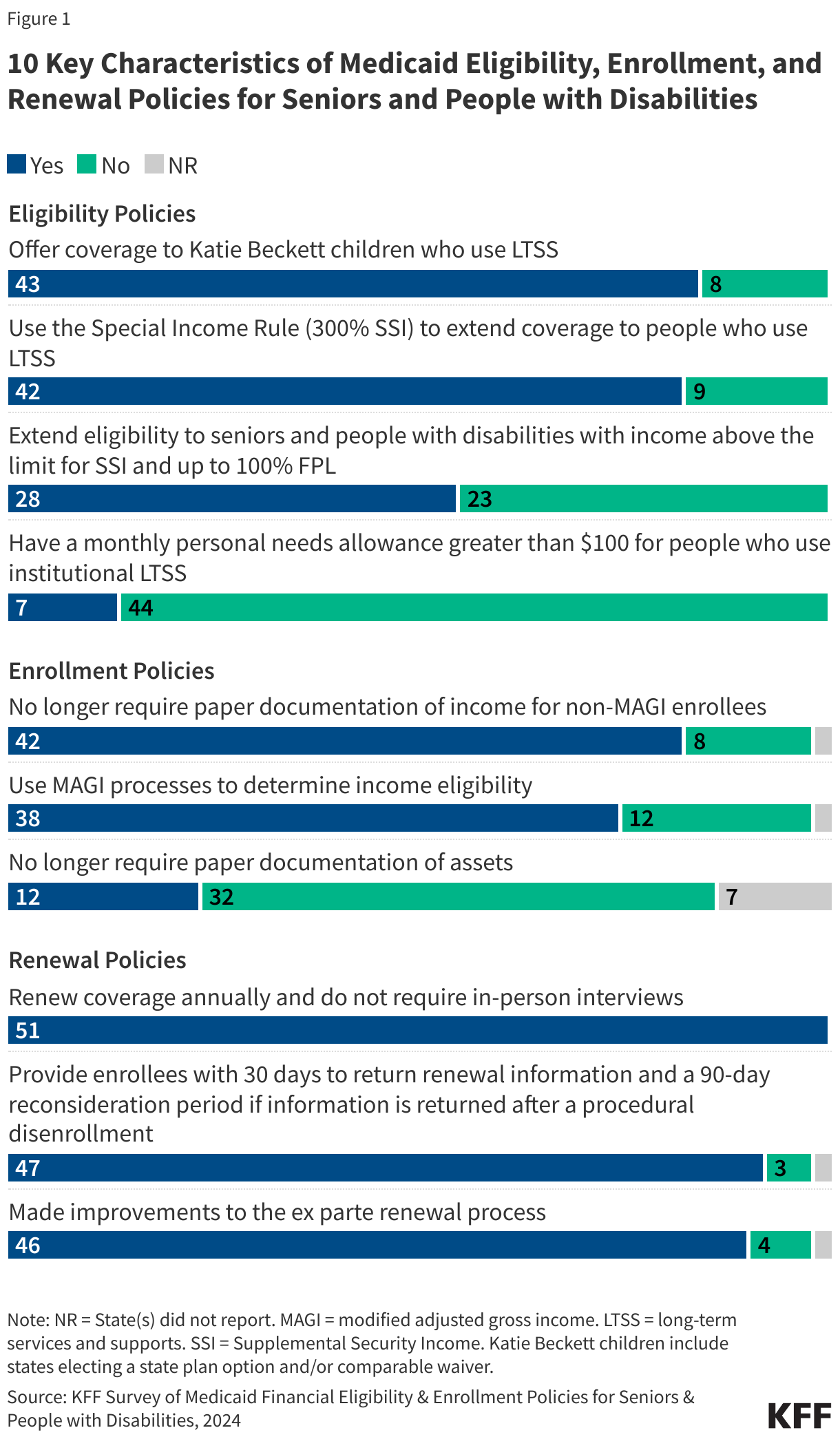
Medicaid eligibility must be re-determined every 12 months. New Mexico uses an automated renewal process (ex parte renewal) when state databases can verify income and status automatically.
- If automatic renewal succeeds, you will receive a notification confirming continued coverage.
- If state databases lack sufficient current data, HCA mails a Renewal Form. You must complete, sign, and return the renewal paperwork along with requested income verifications prior to the listed deadline to prevent coverage lapse.
What to Do If Your Application Is Denied or Delayed
State agencies must process Medicaid applications within 45 days (or 90 days for applications involving disability determinations).
If your application is denied or terminated:
- Review the Notice of Case Action: Identify the exact statutory reason for denial (e.g., over income, missing verification, unverified assets).
- Request an Administrative Fair Hearing: If you believe the decision contains errors, you have the right to request a Fair Hearing within 90 days of the notice date.
- Maintain Coverage During Appeal: If appealing a closure or reduction within the allowed timeframe, you may request that your existing Medicaid benefits remain active until the hearing officer renders a formal decision.
- Submit Missing Documentation: If a denial occurred because of missing paperwork, you can re-submit the requested verification items within the allowed reconsideration period without submitting an entirely new application.
Frequently Asked Questions
Can I get Medicaid in New Mexico if I have private health insurance?
Yes. Medicaid can act as secondary insurance for individuals who meet financial and non-financial eligibility standards but hold employer-sponsored or private health plans. Medicaid covers eligible out-of-pocket expenses, copayments, and services not reimbursed by primary insurance.
Does New Mexico evaluate my home as an asset for MAGI Medicaid?
No. MAGI Medicaid programs—covering expansion adults, pregnant individuals, and children—do not evaluate home equity or any other assets. Assets are only evaluated for Non-MAGI categories, such as Aged, Blind, and Disabled pathways or long-term nursing care coverage.
What happens if my income changes during the year?
You are required to report changes in income, household size, employment, or residency to the Health Care Authority within 10 calendar days. Failure to report changes promptly can result in eligibility overpayments or retroactive benefit adjustments.
How quickly does New Mexico Medicaid coverage take effect?
Upon approval, coverage generally begins on the first day of the month in which the application was submitted. Additionally, New Mexico Medicaid can provide up to three months of retroactive coverage prior to the application month if the applicant met all eligibility criteria during those prior months and incurred medical costs.
What is the difference between Medicaid and Medicare in New Mexico?
Medicare is a federally administered insurance program primary to individuals aged 65 or older and certain younger individuals with disabilities, regardless of income. Medicaid is a joint federal-state income-based assistance program. Qualified individuals can be "dual-eligible," receiving both Medicare and Medicaid benefits simultaneously.
Next Steps for New Mexico Residents
If you believe you or a household member may qualify for New Mexico Medicaid, take these concrete steps:
- Calculate Your Income: Match your household gross income against current Federal Poverty Level guidelines for your family size.
- Gather Proofs: Collect recent pay stubs, photo identification, utility bills, and social security numbers for all applicants.
- Apply via YES NM: Visit yes.state.nm.us to complete your application digitally, or contact the Health Care Authority Customer Communication Center at 1-800-283-4465.
- Choose a Turquoise Care Plan: Upon approval, select a Managed Care Organization (MCO) under Turquoise Care that includes your preferred doctors and local health networks.
Image Gallery