Understanding Bellevue: Geography, Governance, and Economic Significance
Bellevue is a prominent city located in Washington state, situated across Lake Washington from Seattle. It serves as a major economic, technological, and residential hub within the Pacific Northwest. Known for its distinct skyline, rap...
Bellevue is a prominent city located in Washington state, situated across Lake Washington from Seattle. It serves as a major economic, technological, and residential hub within the Pacific Northwest. Known for its distinct skyline, rapid corporate growth, and suburban development, Bellevue functions as a primary administrative and commercial center in King County.
Contents
Defining Bellevue: An Overview
When people ask "what is Bellevue," they are often referring to the city in Washington State that has evolved from a quiet agricultural community into one of the most significant technology and retail centers in the United States. Incorporated in 1953, Bellevue has strategically leveraged its position between Lake Washington and Lake Sammamish to transition from a bedroom community into a standalone economic powerhouse.
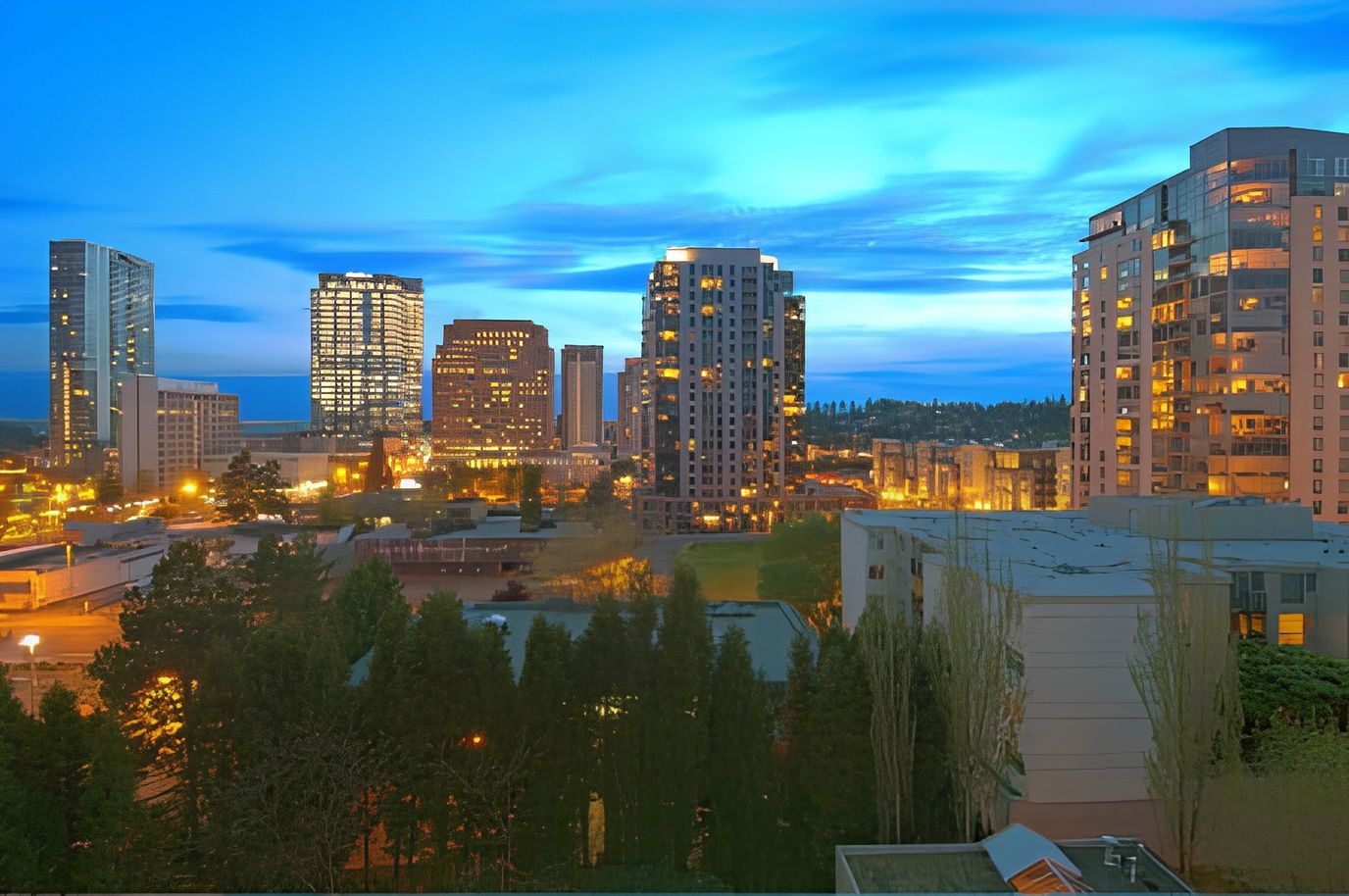
In 2026, Bellevue is characterized by its high-density "Downtown" core, which houses headquarters for global technology companies, expansive luxury shopping destinations, and a sophisticated urban infrastructure. While frequently associated with the broader Seattle metropolitan area, Bellevue maintains an independent municipal government, its own school district, and a distinct demographic identity defined by significant international investment and high-tech talent density.
Geographic and Administrative Boundaries
Understanding Bellevue requires looking at its physical footprint. The city spans approximately 37 square miles, serving as the largest city in East King County. It is bordered by the cities of Kirkland to the north, Redmond to the northeast, Issaquah to the east, and Newcastle to the south. To the west, the city is separated from Seattle by Lake Washington, connected via the Evergreen Point Floating Bridge (State Route 520) and the Homer M. Hadley Memorial Bridge (Interstate 90).
The city is structured into a series of neighborhoods, each with unique characteristics:
- Downtown: The high-density urban core, characterized by glass-and-steel skyscrapers, retail centers, and high-rise luxury residential units.
- Bellevue Square and The Bravern: Significant commercial districts that house major luxury retail, dining, and professional services.
- Bridle Trails: A residential neighborhood known for its horse trails and larger, forested lots.
- Factoria: A southern commercial hub that serves as a secondary nexus for shopping and light industrial operations.
Economic Profile and Corporate Presence
The primary driver of Bellevue’s modern identity is its economic ecosystem. The city is a major participant in the "Eastside" tech corridor. As of 2026, the local economy is anchored by massive corporate footprints that have moved from peripheral suburban offices into the city center.
Major Economic Pillars
- Technology Sector: Bellevue serves as an anchor for cloud computing, software development, and AI research. Global technology enterprises maintain significant campus footprints here, influencing the local labor market and real estate demand.
- Retail and Finance: The city is a destination for high-end retail, which supports a robust service economy. Additionally, it serves as a regional center for professional services, including legal, accounting, and private wealth management firms.
- Infrastructure Investment: Ongoing investments in transportation—specifically the regional light rail expansion—have been designed to connect Bellevue more tightly to the wider Puget Sound transit grid, facilitating the movement of the high-income workforce residing in or commuting to the area.
Comparative Snapshot: Bellevue vs. Nearby Hubs
To understand where Bellevue sits within the regional hierarchy, it is helpful to compare it against neighboring municipalities based on their primary economic and residential roles as of 2026.
| City | Primary Role | Density | Notable Characteristic |
|---|---|---|---|
| Bellevue | Corporate Hub/Tech | High (Downtown) | Regional retail and tech headquarters |
| Seattle | Cultural/Global Trade | High | Port city, arts, and tourism center |
| Redmond | Tech Campus Hub | Moderate | Known for primary software manufacturing |
| Kirkland | Residential/Service | Moderate | Waterfront lifestyle and boutique retail |
Governance and Public Services
Bellevue operates under a Council-Manager form of government. The City Council consists of seven members elected by the public, who then appoint a City Manager to oversee day-to-day operations. This structure is designed to separate policy-making from administrative implementation.
Public services in Bellevue are widely regarded for their consistency and high funding levels compared to regional averages. This includes the Bellevue Police Department and the Bellevue Fire Department, which maintain specialized divisions for high-rise emergency response. Education is provided by the Bellevue School District, which serves a diverse population and consistently ranks highly in academic performance metrics, a factor that drives significant residential real estate demand in the area.
Challenges and Considerations
While Bellevue represents a successful model of urban planning and economic growth, it faces specific challenges typical of rapidly growing Pacific Northwest cities:
- Housing Affordability: The influx of high-salaried professionals has led to a significant increase in the cost of living and property values, placing pressure on lower-income residents and middle-class families.
- Traffic and Infrastructure Load: Despite massive public investment, the city continues to deal with the geographical constraints of being located between two lakes, which restricts traffic flow options during peak commuting hours.
- Environmental Management: As the city grows, maintaining the "City in a Park" vision—which emphasizes green space, tree canopy, and access to nature—becomes increasingly complex amidst high-density vertical development.
Frequently Asked Questions
Is Bellevue considered a suburb of Seattle? While Bellevue was historically a suburb, modern analysts categorize it as a primary "edge city." It functions as an independent economic engine with a massive, self-sustaining employment base, meaning many residents live and work entirely within Bellevue without ever commuting to Seattle.
What is the cost of living in Bellevue? As of 2026, the cost of living in Bellevue is significantly higher than the national average. Expenses are primarily driven by the real estate market, including both home purchase prices and rental rates, as well as the costs associated with the high-end retail and service environment.
How does transportation work in the city? Bellevue is primarily an automobile-centric city connected by major freeways (I-405, I-90, and SR 520). However, the city is in a transition phase, with the ongoing integration of regional light rail services intended to provide a high-capacity transit alternative for commuters and residents.
What is the demographic makeup of the city? Bellevue has a diverse population with a high percentage of residents born outside the United States. This diversity is reflected in the city’s schools, culinary scene, and community organizations, which benefit from significant international cultural influences.
Are there major cultural attractions in Bellevue? Yes, the city features the Bellevue Arts Museum, the Bellevue Botanical Garden, and numerous public parks like Meydenbauer Bay Park. These spaces act as community gathering points that contrast with the intensity of the city’s corporate and retail districts.
Next Actions for Residents and Visitors
If you are relocating to Bellevue for professional reasons, it is advisable to engage with the Bellevue Chamber of Commerce to understand local business licensing, networking opportunities, and workforce development initiatives. For those considering residency, focus on researching specific school attendance zones and proximity to the emerging transit hubs, as these factors significantly influence long-term property value and quality of life in the region.
Image Gallery