Understanding the German Royal Family Name and Historical Dynastic Identity
The German royal family name, most famously identified as the House of Windsor since 1917, originated as the House of Saxe-Coburg and Gotha. This dynastic name reflects centuries of European aristocratic naming conventions, where surna...
The German royal family name, most famously identified as the House of Windsor since 1917, originated as the House of Saxe-Coburg and Gotha. This dynastic name reflects centuries of European aristocratic naming conventions, where surnames were tied to ancestral lands, political alliances, and shifting geopolitical realities rather than static modern naming protocols.
Contents
To understand the evolution of the royal name, one must navigate the complex history of the German principalities and the subsequent British adoption of these titles. Unlike contemporary surnames that remain fixed through generations, dynastic names in Germanic traditions were fluid markers of power, inheritance, and marriage, often changing to reflect the accession of a new house to a throne.
The Foundations of German Dynastic Naming
In the context of European nobility, the "family name" was historically synonymous with the house or dynasty to which a ruler belonged. These names were almost exclusively locative, derived from the specific territory, duchy, or region over which the family held sovereignty.
The Germanic practice of house naming focused on patriarchal descent. However, because marriage alliances were the primary tool of diplomacy, the "name" of a dynasty could often vanish upon the death of the last male heir if a daughter inherited the title, or if a branch of the family became extinct. In such cases, the dynastic name of the successor—often a cousin from a different cadet branch—would take precedence, effectively rebranding the ruling house.
The Rise of Saxe-Coburg and Gotha
The name most closely associated with the German origins of the British monarchy is Saxe-Coburg and Gotha (Sachsen-Coburg und Gotha). This was a Saxon ducal house that rose to international prominence during the 19th century through strategic matrimonial alliances.
The house became established in the British consciousness when Prince Albert of Saxe-Coburg and Gotha married Queen Victoria in 1840. Under the traditions of the time, the children of a marriage were considered to belong to the father’s house. Therefore, Queen Victoria, who belonged to the House of Hanover, saw her children and successors officially inherit the name and house of her husband. This signaled the transition of the British royal line from the House of Hanover to the House of Saxe-Coburg and Gotha upon the death of Victoria’s son, King Edward VII, in 1901.
Historical Pressures and the 1917 Name Change
The most significant event in the nomenclature of the British-German royal connection occurred during the First World War. By 1917, anti-German sentiment in the United Kingdom reached a fever pitch. The public perception of the Royal Family being "German" became a significant political liability for King George V.
The Proclamation of 1917
On July 17, 1917, King George V issued a royal proclamation that fundamentally altered the dynastic identity of the British monarchy. He declared that all descendants of Queen Victoria in the male line would henceforth bear the name "Windsor." This was a strategic move designed to:
- Foster National Unity: Remove the perceived German character of the monarchy during a time of total war.
- Solidify Identity: Anchor the monarchy to a name intrinsically linked to the British landscape (Windsor Castle) rather than a continental European duchy.
- Legal Finality: Ensure that the house name was legally defined for all future heirs, providing a stable, singular brand for the British throne.
This action effectively erased the public use of "Saxe-Coburg and Gotha" within the British royal context, though the genealogical link remained intact.
Comparative Dynamics of European Noble Names
To distinguish the German royal naming tradition from other European systems, it is helpful to contrast how different monarchies handled dynastic changes.
| Dynasty Name | Origin Context | Primary Shift Factor |
|---|---|---|
| House of Hanover | German (Lower Saxony) | Accession via the Act of Settlement (1701) |
| Saxe-Coburg and Gotha | German (Thuringia) | Marriage to Queen Victoria (1840) |
| House of Windsor | British (Anglicized) | Political necessity / War-time sentiment (1917) |
| House of Glücksburg | German-Danish | Successive male-line descent in Denmark/Norway |
The table above illustrates the fluid nature of these titles. Where the House of Windsor was an artificial creation born of a specific political crisis, older houses like the House of Glücksburg (which traces its roots to the Duchy of Schleswig-Holstein-Sonderburg-Glücksburg) maintained their traditional German territorial identifiers for centuries, as they did not face the same requirement to project a purely national British image.
Legal and Genealogical Reality in 2026
In 2026, the distinction between the historical German name and the modern legal name remains a point of interest for historians and genealogists. It is critical to differentiate between the dynastic name (the house) and the surname used by individual royals for personal affairs.
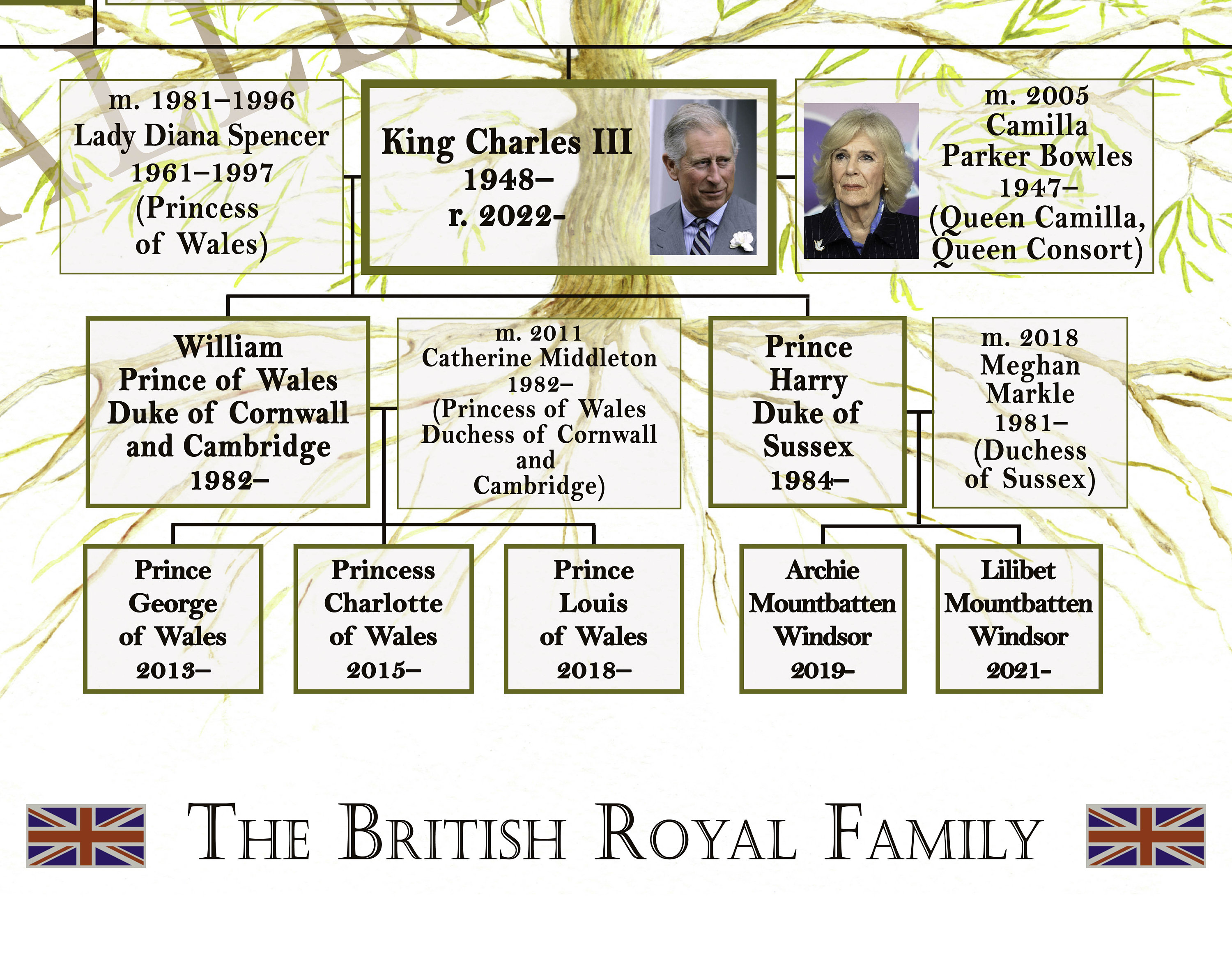
While the "House of Windsor" remains the name of the reigning dynasty, the legal surname for members of the royal family who do not hold an HRH (His/Her Royal Highness) title is typically "Mountbatten-Windsor." This name incorporates the legacy of Prince Philip, the Duke of Edinburgh, whose own background was intricately tied to the German princely house of Battenberg. The decision to use a double-barrelled name reflects both the Windsor lineage and the Prince’s desire to maintain his own historical connection.
Common Misconceptions
Several myths persist regarding the German roots of the royal name:
- The Name was "English" from the start: Many mistakenly assume that the royal house name has always been Windsor. In reality, the name is less than 110 years old.
- The House of Saxe-Coburg and Gotha ceased to exist: While it ceased to be the name of the British royal house, the House of Saxe-Coburg and Gotha continues as a German ducal family with its own lineage and members, distinct from the British monarchy.
- Bloodline vs. Name: People often conflate the genealogical bloodline with the dynastic name. While the name changed for political reasons, the underlying ancestry remains a complex tapestry of German, Danish, and British noble houses.
Practical Guidance for Research
If you are researching the genealogy of the British or German royal families, consider the following methodology:
- Verify by Era: Always check the regnal period. Before 1917, searches must reference the House of Saxe-Coburg and Gotha; after 1917, search for the House of Windsor.
- Distinguish Branches: Recognize that the "House of Saxe-Coburg and Gotha" is a broader entity. There were several cadet branches in Germany, including the Belgian royal family, which also originated from this house.
- Primary Sources: For official documentation, consult the London Gazette, which published the 1917 proclamation. For German genealogical records, the Almanach de Gotha is the authoritative (though historical) reference for European nobility.
Frequently Asked Questions
Did King George V have to renounce his German titles?
Yes. As part of the 1917 changes, members of the British Royal Family who were also princes of German states were required to relinquish their German titles, including those associated with Saxe-Coburg and Gotha.
Is the current royal family technically German?
Genealogically, they retain ancestry from many German houses (including Hanover and Saxe-Coburg and Gotha). However, legally and dynastically, they are the House of Windsor, a British institution.
Why was "Windsor" chosen as the new name?
The name was chosen for its strong association with Windsor Castle, which has been a primary residence of the British monarchy for centuries, thus emphasizing the family’s English roots and loyalty.
Does the House of Saxe-Coburg and Gotha still exist in Germany?
Yes. The family continues as the ducal house in Germany, though they no longer hold sovereign power following the abolition of the German monarchy in 1918.
What is the difference between Windsor and Mountbatten-Windsor?
Windsor is the official name of the Royal House. Mountbatten-Windsor is the personal surname used by many of the Queen’s descendants, blending the names of the Royal House and the late Duke of Edinburgh’s line.
Conclusion and Next Actions
Understanding the German royal family name requires acknowledging that dynastic names were, and remain, tools of politics, sovereignty, and identity. Whether it was the adoption of the Saxe-Coburg and Gotha name through 19th-century marriage or the reactive branding of the House of Windsor in 1917, these names were never static. For those interested in deeper research, the best next step is to examine the 1917 Royal Proclamation in the London Gazette archives to see the specific legal language used to pivot the monarchy away from its German nomenclature.
Image Gallery