Navigating DHCS Personal Injury Liens and Medi-Cal Recovery in California
When a Medi-Cal beneficiary receives a personal injury settlement, judgment, or award, the Department of Health Care Services (DHCS) often asserts a legal claim against those funds to recover medical expenses it paid on the beneficiary...
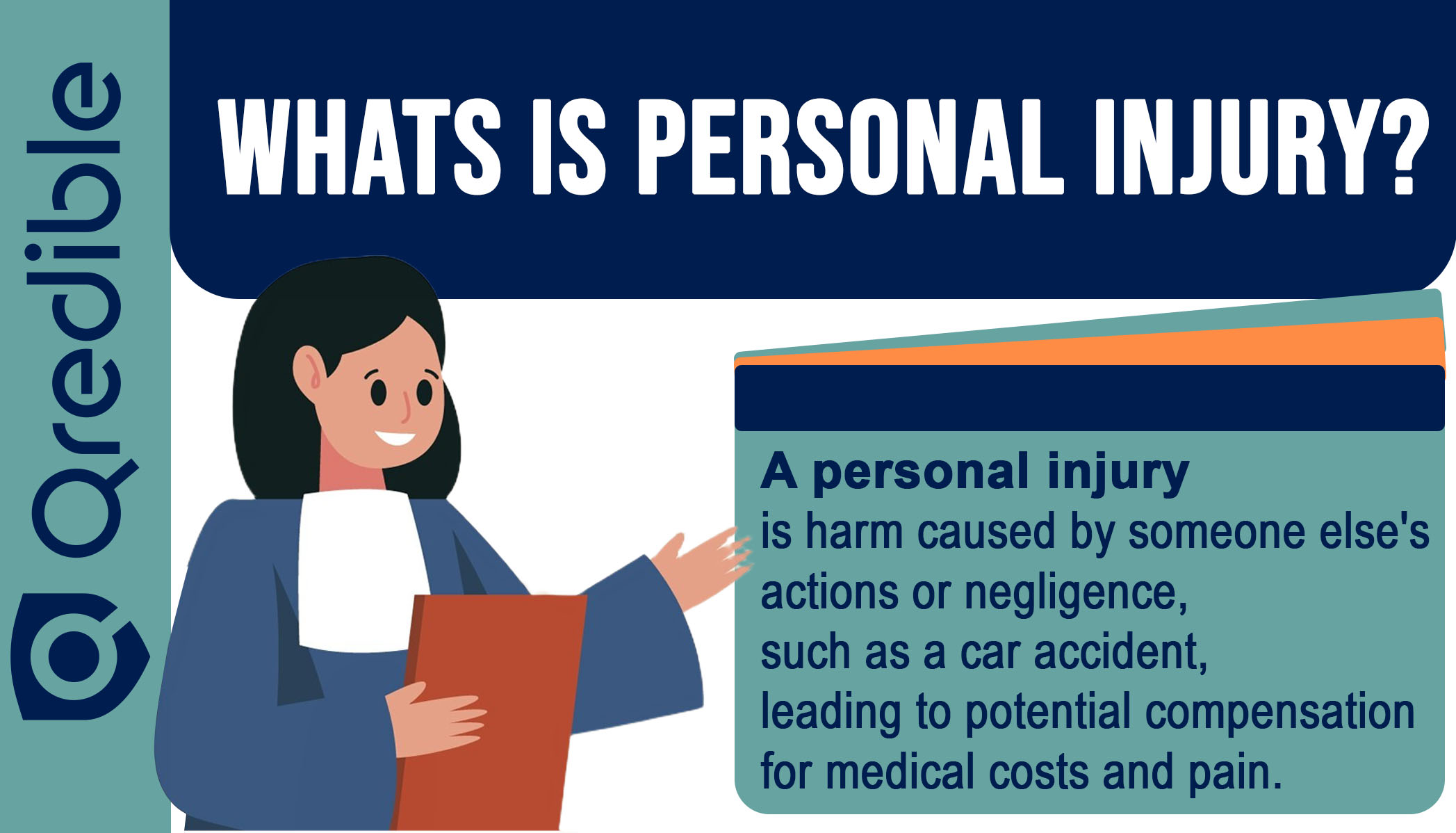
When a Medi-Cal beneficiary receives a personal injury settlement, judgment, or award, the Department of Health Care Services (DHCS) often asserts a legal claim against those funds to recover medical expenses it paid on the beneficiary’s behalf. This process, known as Medi-Cal third-party liability recovery, requires careful navigation by claimants and their attorneys to ensure statutory compliance while protecting as much of the settlement recovery as federal and state laws allow.
Contents
Understanding the Role of DHCS in Personal Injury Cases
The California Department of Health Care Services acts as the single state agency responsible for administering the Medi-Cal program, which provides health coverage to millions of low-income residents. When a Medi-Cal recipient is injured due to the negligence or wrongful act of a third party—such as in a car accident, slip and fall, or medical malpractice incident—Medi-Cal pays for the resulting medical treatment. Under both federal and California law, DHCS possesses a statutory right and obligation to recover the cost of those medical services from any legal settlement or recovery obtained from the responsible third party.
This recovery mechanism prevents a double recovery by the injured party, who otherwise might collect damages for medical expenses from a tortfeasor while those expenses were ultimately absorbed by taxpayers through Medi-Cal. However, the legal framework governing these liens has evolved significantly through state legislation and landmark court rulings. These changes have clarified the boundaries of what DHCS can legally recover, ensuring that claims are limited strictly to the portion of a settlement designated for past medical care.
The Legal Foundation and Statutory Framework
The legal authority for DHCS to pursue personal injury recoveries stems from federal law (specifically the Medicaid statute, 42 U.S.C. § 1396a(a)(25)) and California Welfare and Institutions Code sections 14124.70 through 14124.795. Historically, DHCS asserted broad liens that often consumed a substantial portion of a personal injury settlement, sometimes threatening the viability of the entire recovery for the injured plaintiff.
A pivotal shift occurred with the United States Supreme Court decision in Arkansas Department of Health and Human Services v. Ahlborn (2006). The Court ruled that federal Medicaid law prohibits a state from asserting a lien against portions of a settlement that compensate for damages other than medical costs, such as pain and suffering, lost wages, and permanent impairment. Following Ahlborn, California courts and the legislature refined how DHCS calculates its recovery claims to comply with these allocation principles.
Further refinement came through California statutory updates and subsequent judicial interpretations, most notably Aguilar v. Atlantic Richfield Co. and later legislative amendments under Senate Bill 833. Today, DHCS is generally limited to recovering the lesser of its actual medical expenditures or the portion of the settlement explicitly or implicitly allocated to past medical expenses.
Notification Requirements and the Recovery Process
Navigating a personal injury case involving Medi-Cal requires strict adherence to mandatory notification timelines. Under California Welfare and Institutions Code section 14124.73, the beneficiary or their legal counsel must provide written notice to DHCS within 30 days of filing a legal action, opening an insurance claim, or formally asserting a claim against a third party.
Key Steps in the DHCS Recovery Lifecycle
- Initial Notification: Counsel or the beneficiary notifies the DHCS Third-Party Liability Recovery Division (TPLRD) in writing regarding the pending personal injury claim, providing accident details, the beneficiary's Medi-Cal Beneficiary Identification Number (CIN), and attorney representation information.
- Itemized Claim Generation: DHCS responds by issuing a Notice of Lien or an itemized statement of claims, detailing all medical payments made by Medi-Cal that are related to the injuries sustained in the incident.
- Case Evaluation and Settlement Negotiation: As the personal injury case proceeds toward settlement or trial, the parties evaluate the total value of the claim, liability limits, and the proportion attributable to medical care versus non-economic damages.
- Final Lien Resolution and Disbursement: Upon settlement, a formal request for a final compromise or itemized payout amount is submitted to DHCS. Funds are withheld in a trust or escrow account until the DHCS claim is officially resolved and satisfied.
Failing to notify DHCS or distributing settlement funds without addressing the Medi-Cal lien can result in severe legal and financial consequences. DHCS retains the right to pursue the beneficiary, their attorney, or the insurance carrier directly for the unrecovered amounts, and statutory penalties may apply.
Calculating and Negotiating the DHCS Lien Amount
Disputing or negotiating a DHCS personal injury lien requires a detailed breakdown of the settlement allocation and the actual medical services rendered. DHCS uses specific formulas to determine its maximum recovery, taking into account the total gross settlement, attorney fees, and litigation costs.
Summary of Lien Calculation Factors
| Factor | Description | Impact on DHCS Recovery |
|---|---|---|
| Gross Settlement | The total monetary value recovered from the third-party tortfeasor or insurance carrier. | Sets the total pool from which allocations and recoveries are calculated. |
| Procurement Costs | Attorney fees and litigation expenses incurred to secure the recovery. | Under federal and state law, DHCS must absorb a proportional share of attorney fees and costs. |
| Medical Allocation | The proportion of the settlement designated specifically for past medical expenses. | Serves as the primary cap on what DHCS can legally collect under Ahlborn principles. |
| Actual Medi-Cal Paid | The total sum disbursed by Medi-Cal for accident-related treatment. | DHCS recovers the lesser of this amount or the allocated medical settlement portion, minus procurement costs. |
When negotiating with the TPLRD, attorneys frequently submit a formal allocation breakdown demonstrating that the settlement discount (due to comparative fault, limited insurance policy limits, or uncollectible damages) should reduce the DHCS claim proportionally. If the total recovery is less than the full value of damages, the Medi-Cal lien must be reduced accordingly to prevent the state from taking a disproportionate share of a compromised settlement.
Common Challenges and Dispute Procedures
Beneficiaries and their counsel frequently encounter specific hurdles when dealing with DHCS personal injury claims. Recognizing these challenges helps prevent disbursement delays and ensures fair resolution.
Inclusion of Unrelated Medical Expenses
A frequent issue is the inclusion of pre-existing conditions or unrelated medical treatments in the DHCS itemized statement. Because Medi-Cal billing data aggregates all claims submitted by providers under a beneficiary's identification number, automated searches often capture medical visits entirely unrelated to the accident. Counsel must meticulously review the itemized ledger line-by-line, cross-referencing treatment dates and diagnostic codes with the accident timeline, and submit a formal request for deletion of non-accident-related charges.
Delays in Obtaining Final Lien Figures
The TPLRD handles a high volume of inquiries, which can lead to processing backlogs. Requesting a final lien amount too close to a scheduled disbursement date can stall the distribution of settlement proceeds. Best practices dictate submitting updated requests for final figures well in advance of the anticipated mediation or trial date, and maintaining documented communication logs with the assigned DHCS analyst.
Hardship and Special Circumstances
While statutory formulas govern most recoveries, beneficiaries facing extreme financial hardship or ongoing medical needs may explore administrative review options or request equitable adjustments. Although DHCS is bound by statutory minimum recovery guidelines, presenting a comprehensive picture of the beneficiary’s long-term care requirements can sometimes facilitate a more favorable compromise within the permissible legal framework.
Frequently Asked Questions
Does DHCS take a portion of pain and suffering damages?
No. Under the principles established in Arkansas Department of Health and Human Services v. Ahlborn and codified in California law, DHCS liens are strictly limited to the portion of a settlement or judgment allocated to past medical expenses. Funds designated for pain and suffering, emotional distress, or future lost wages are generally protected from DHCS recovery.
What happens if I settle my personal injury case without notifying DHCS?
Failing to notify DHCS or distributing settlement funds without satisfying a known Medi-Cal lien exposes the beneficiary and their legal counsel to substantial liability. DHCS can initiate legal proceedings to recover the funds directly from the recipient or the attorney, and statutory penalties or interest may be assessed for non-compliance.
Are attorney fees deducted from the DHCS lien amount?
Yes. Under the common fund doctrine and California Welfare and Institutions Code section 14124.72, DHCS must share proportionately in the cost of procuring the recovery. This means the final lien amount is reduced to account for a proportional share of the plaintiff's attorney fees and litigation expenses.
How long does it take for DHCS to issue a final lien demand?
The processing time for a final lien demand varies depending on the completeness of the initial notification and the volume of medical claims. Typically, standard requests take anywhere from 30 to 90 days. It is essential to request updated figures shortly before final disbursement, as additional medical bills may continue to post to the account.
Can I dispute specific medical charges on the DHCS itemization?
Yes. Beneficiaries and their attorneys have the right to challenge any charge on the itemized statement that is not directly related to the injuries caused by the third-party tortfeasor. Providing medical records, physician declarations, and billing notes demonstrating that specific treatment was for pre-existing or unrelated conditions is necessary to secure the removal of those items.
Next Actions and Professional Guidance
Navigating a DHCS personal injury lien requires strict attention to procedural timelines, meticulous auditing of medical billing records, and an accurate understanding of settlement allocations under California law. Because recovery statutes and administrative guidelines are complex, individuals managing personal injury claims involving Medi-Cal are strongly advised to consult with a qualified personal injury attorney or legal specialist experienced in third-party liability lien resolution to ensure full compliance and protect their net recovery.
Image Gallery