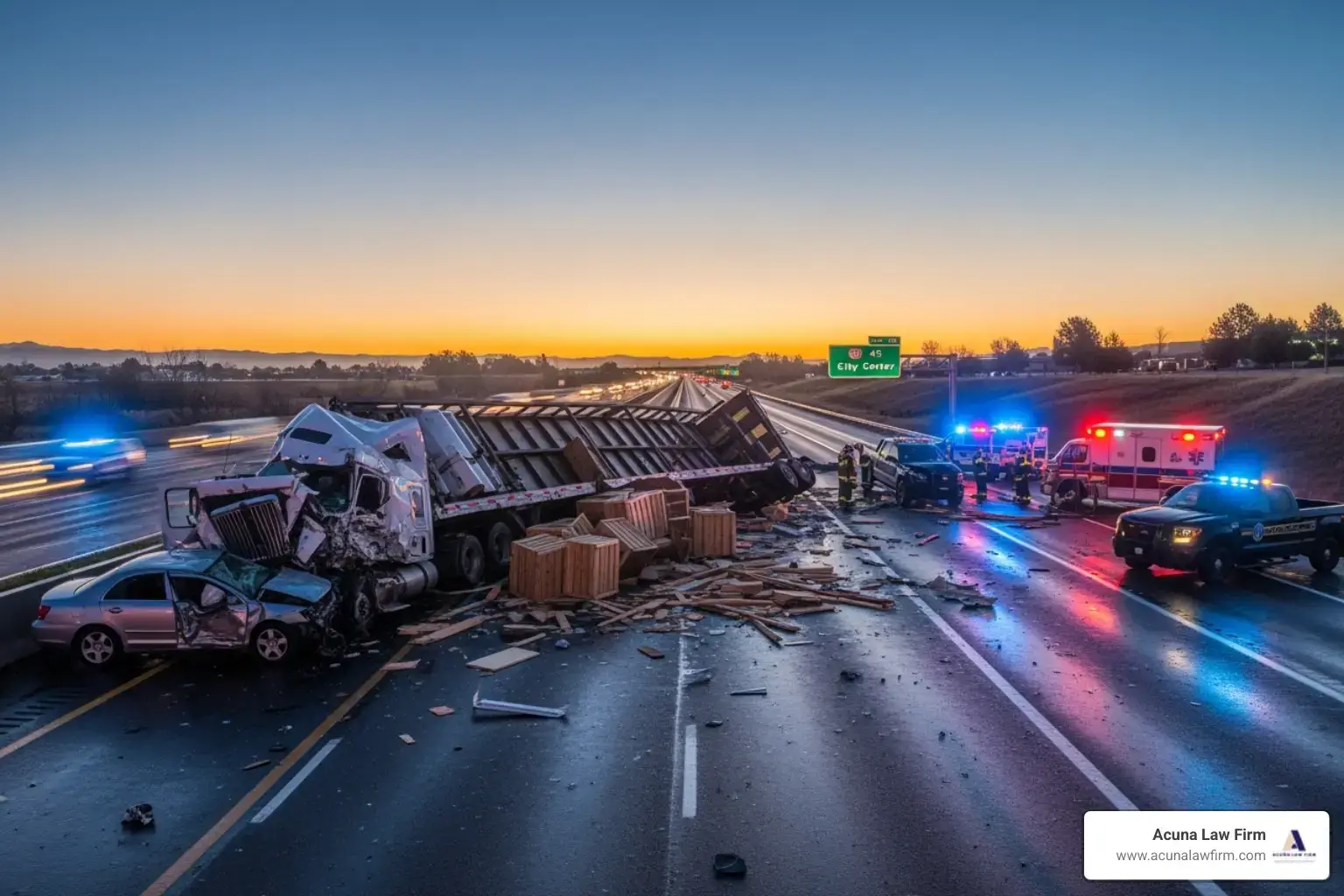
How to Choose an Intersection Car Accident Attorney Near You
Selecting the right local attorney after an intersection collision requires evaluating a lawyer’s specific experience with complex right-of-way disputes, their track record in traffic signal evidence recovery, and their familiarity wit...
Selecting the right local attorney after an intersection collision requires evaluating a lawyer’s specific experience with complex right-of-way disputes, their track record in traffic signal evidence recovery, and their familiarity with local municipal traffic laws and court systems. Prioritize attorneys who work on a contingency fee basis, offer transparent communication, and possess dedicated resources for accident reconstruction.
Contents
Disclaimer: This guide is provided for educational and informational purposes only and does not constitute formal legal advice. If you have been injured in an accident, consult a qualified attorney licensed in your jurisdiction to discuss your specific legal rights.
Understanding the Unique Complexity of Intersection Accident Claims
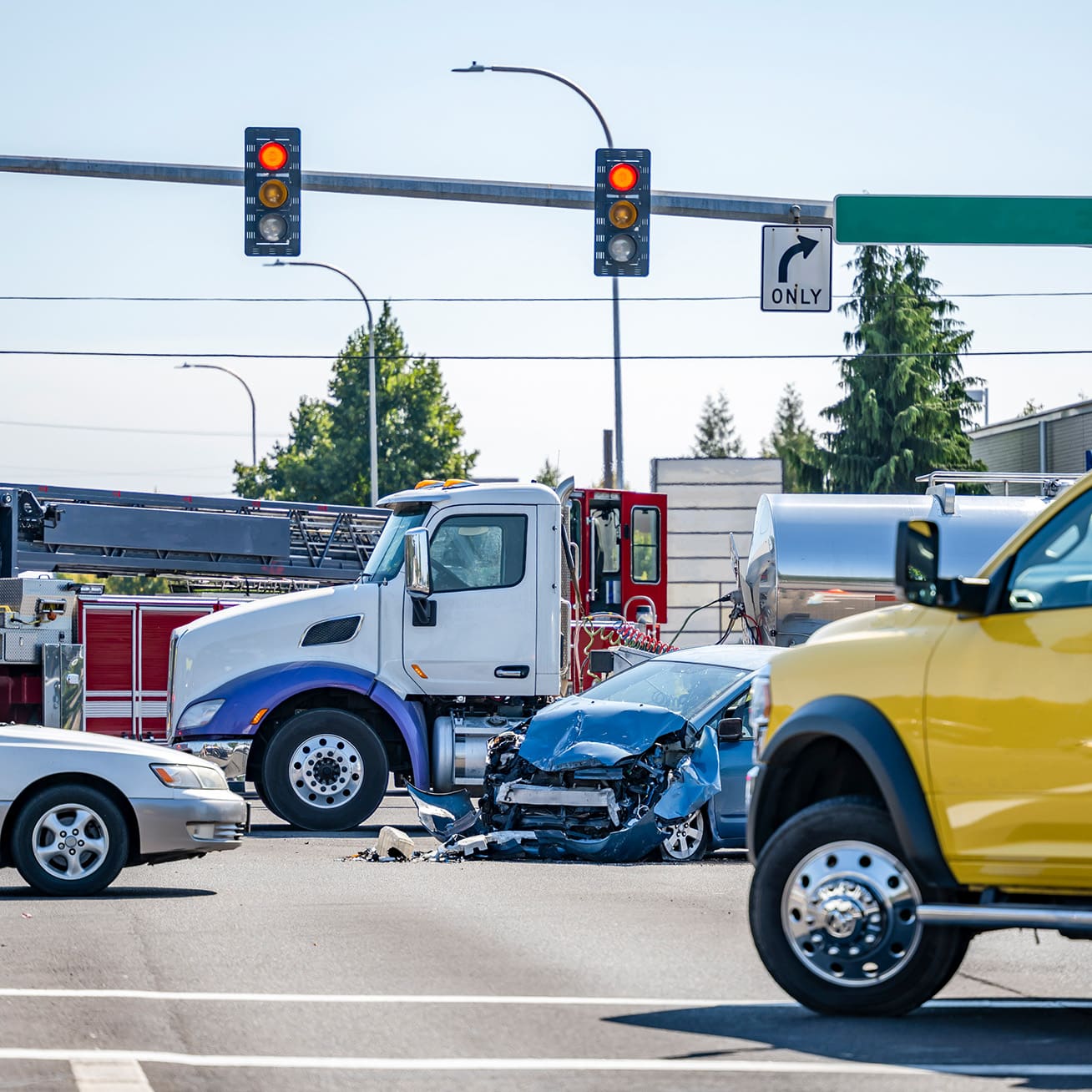
Intersections represent some of the most dangerous locations on modern roadways. According to collision data published by the Federal Highway Administration, roughly half of all traffic injuries and a quarter of traffic fatalities occur at or near intersections. Because these areas involve intersecting traffic flows, turning lanes, pedestrian crosswalks, and automated traffic signals, determining who had the legal right-of-way is rarely straightforward.
When two or more vehicles collide at a junction, drivers frequently present conflicting accounts of who held the green light, who yielded correctly, or who stopped completely at a stop sign. Insurance adjusters exploit this ambiguity to assign partial or total fault to injured victims under state comparative or contributory negligence laws.
An attorney specializing in intersection crashes does not simply handle general personal injury claims. They understand how to obtain critical, time-sensitive evidence specific to roadway junctions, such as:
- Traffic signal timing logs: Records from local departments of transportation showing signal sequencing, phase durations, and potential system malfunctions at the exact time of the crash.
- Commercial and municipal surveillance: Video footage captured by nearby storefronts, red-light cameras, or city traffic monitoring units before footage is overwritten.
- Event Data Recorders (EDRs): Vehicle "black box" data detailing speed, braking input, steering angles, and throttle position in the seconds immediately preceding impact.
- Sightline assessments: Engineering analyses evaluating obstructed views caused by illegal parking, unmaintained municipal vegetation, or poor intersection design.
Key Criteria for Evaluating a Local Intersection Collision Lawyer
Finding a legal representative near your area requires looking past commercial advertising to evaluate concrete professional qualifications. Evaluating prospective attorneys against specific operational standards ensures your case is handled by a legal team equipped for complex motor vehicle litigation.
- Evaluating an Intersection Accident Attorney
- Evidence & Tech Access (EDR, Video, Signal Logs)
- Trial Readiness & Case Track Record (Litigation)
- Local Knowledge & Bar Standing (Jurisdiction, Court Rules)
1. Specific Experience with Intersection Dynamics
Ask prospective counsel how many intersection accident claims they have handled in the past 24 months. Inquire specifically about their familiarity with crash types similar to yours, such as left-turn T-bone collisions, red-light running incidents, fail-to-yield crashes, multi-vehicle chain-reaction accidents, and roundabouts. Specialized attorneys know how to counter common insurance defense arguments surrounding yellow-light clearance and point-of-impact analysis.
2. Access to Accident Reconstruction Experts
Proving liability in disputed intersection crashes often requires specialized scientific modeling. Reputable personal injury law firms maintain existing relationships with certified accident reconstructionists, forensic engineers, and human factors specialists. These experts analyze skid marks, vehicle resting positions, crush depth, and delta-v (change in velocity) calculations to establish how an accident occurred.
3. Deep Familiarity with Local Courts and Municipal Codes
Choosing a lawyer located near you offers tangible legal advantages. A local attorney understands municipal traffic ordinances, specific intersection accident histories, regional judicial procedures, and the tendencies of local insurance adjusters. Furthermore, local counsel can inspect the physical crash site promptly to document physical evidence, such as skid patterns, road gouges, missing signage, or sightline obstructions, before conditions change.
4. Verified Trial Experience
While the vast majority of personal injury cases resolve through out-of-court settlements, insurance carriers maintain detailed records of which plaintiff attorneys actually take cases to trial. If your attorney has a reputation for settling every case regardless of value, insurance providers are less likely to offer maximum compensation during negotiations. Select an attorney who is board-certified in civil trial law or can demonstrate a consistent history of taking contested liability cases to a jury verdict.
Comparing General Injury Lawyers vs. Specialized Intersection Attorneys
To understand why specialized local representation matters, consider how a general practice attorney approaches an intersection claim compared to an experienced traffic-collision litigator:
| Feature / Evaluation Standard | General Personal Injury Lawyer | Specialized Intersection Collision Attorney |
|---|---|---|
| Evidence Collection Focus | Basic police crash report, medical records, basic photos | Signal phase timing logs, EDR black box downloads, traffic camera subpoenas |
| Accident Reconstruction | Relies primarily on police officer testimony | Engages accredited forensic engineers and crash reconstructionists |
| Comparative Fault Defense | Standard response to insurance adjusters | Technical point-of-impact analysis, time-distance calculations, human reaction timing |
| Local Site Assessment | Rarely visits physical intersection site | Performs prompt physical site inspection, measures sightlines and road geometry |
| Fee Structure | Standard contingency fee (typically 33.3% to 40%) | Standard contingency fee with firm-advanced case costs |
| Trial Preparedness | Prefers pre-suit settlement to avoid courtroom costs | Prepares every file with full courtroom exhibits and expert depositions |
Step-by-Step Guide to Selecting an Attorney Near You
Finding and hiring the right legal counsel involves a structured verification process. Follow these steps to ensure you choose an attorney capable of handling your claim effectively.
- Step 1: Conduct Initial Research & Local Bar Checks
- Step 2: Collect Incident Records & Crash Documentation
- Step 3: Schedule Initial Consultations with Shortlisted Attorneys
- Step 4: Conduct Objective Interview & Ask Direct Questions
- Step 5: Review Retainer Terms & Fee Agreements Thoroughly
Step 1: Conduct Initial Research and Verification
Begin by searching for attorneys registered with your state or regional bar association. Official legal directories, such as the American Bar Association, provide tools to verify attorney licenses, active standing, and any history of legal discipline. Focus on attorneys whose practice is dedicated exclusively to personal injury litigation rather than general law.
Step 2: Gather Your Incident Documentation
Before meeting with potential attorneys, organize all documentation related to your intersection crash:
- The driver exchange form or official police incident report number.
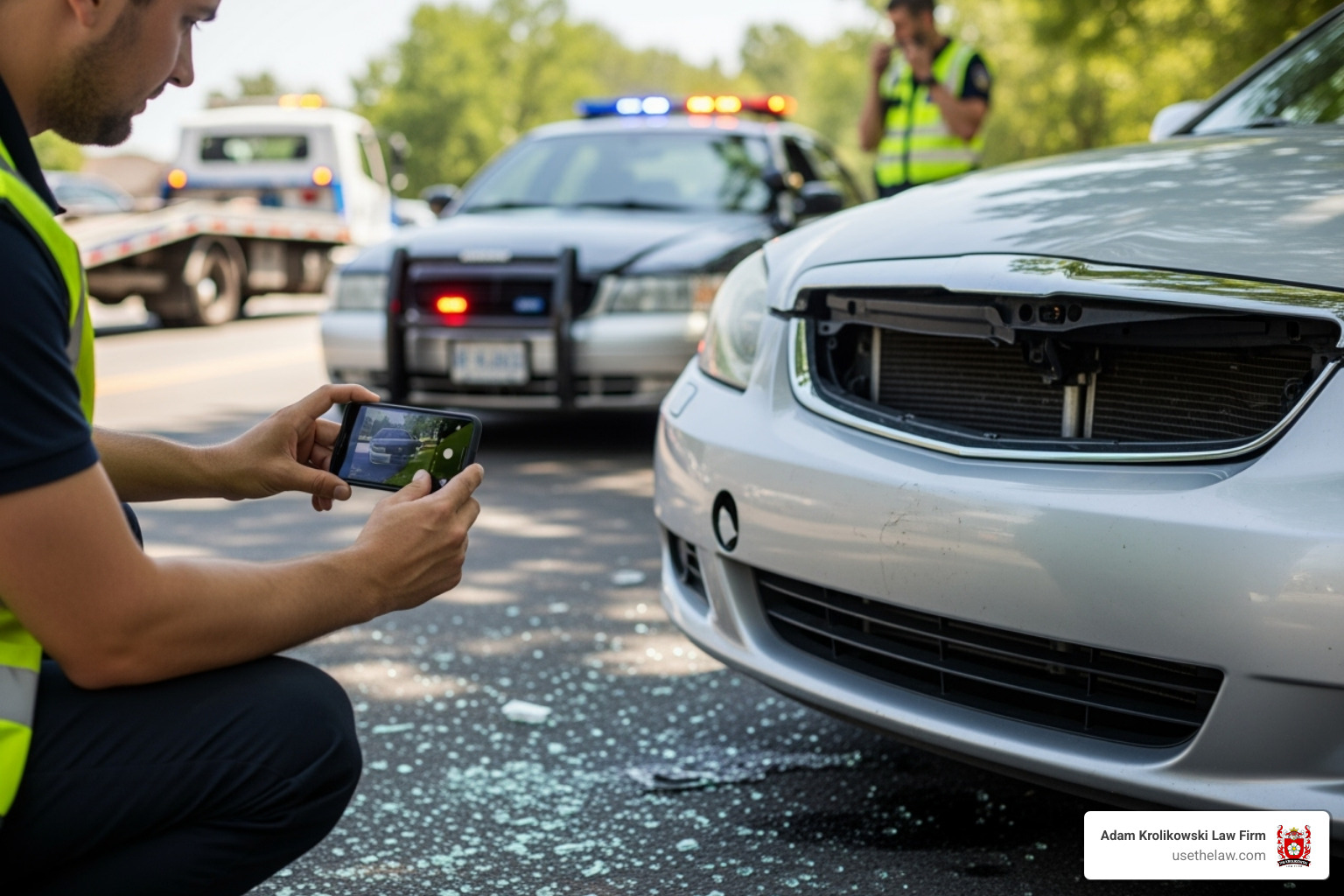
- Photographs of vehicle damage, road conditions, traffic control devices, visible injuries, and overall scene layout.
- Contact information for any eyewitnesses who saw the collision occur.
- Initial emergency room records, medical visit summaries, and billing invoices.
- Correspondence from your auto insurance carrier or the opposing driver's insurer.
Step 3: Schedule Initial Consultations
Most reputable personal injury attorneys offer free initial case evaluations. Schedule consultations with at least two or three local firms. Pay attention to how quickly the firm responds to your inquiry and whether you speak directly with an attorney or exclusively with intake staff.
Step 4: Ask Direct Interview Questions
During your consultation, ask direct questions to evaluate the firm’s technical depth and operational structure:
- Who will be the primary attorney managing my case day-to-day?
- What experience do you have handling traffic signal timing analysis or disputed right-of-way claims?
- Do you advance all case expenses (e.g., expert fees, filing fees, records costs), and what happens to those costs if we do not recover compensation?
- How often will your office provide updates regarding the progress of my claim?
- What is your assessment of how state comparative negligence laws apply to my crash scenario?
Step 5: Review the Retainer Agreement Carefully
Personal injury lawyers typically work under a contingency fee contract, meaning they only receive legal fees if they secure a financial recovery for you. Standard legal fees generally range between 33.3% and 40% of the total settlement or verdict, depending on whether the case resolves before or after a lawsuit is formally filed. Ensure the contract clearly outlines:
- The exact percentage taken by the firm at different stages of litigation.
- How administrative costs and expert fees are deducted (whether before or after the attorney fee percentage is applied).
- Your financial obligations if the case yields no monetary recovery.
Legal Concepts That Impact Intersection Crash Claims
Understanding the legal framework governing traffic accidents helps you evaluate the strategy your attorney proposes.
Comparative Negligence vs. Contributory Negligence
State laws vary significantly regarding how fault affects financial recovery:
- Modified Comparative Negligence: Used in the majority of states. You can recover damages as long as your percentage of fault is below a specific threshold (typically 50% or 51%). Your financial recovery is reduced proportionally by your percentage of fault.
- Pure Comparative Negligence: You can recover damages even if you are up to 99% at fault, though your recovery is reduced by your fault percentage.
- Pure Contributory Negligence: Followed in a small minority of jurisdictions. If you are found even 1% at fault for an intersection collision, you may be completely barred from recovering compensation.
Because insurance companies often try to assign partial fault in intersection disputes (claiming a driver failed to exercise due care or failed to avoid an incoming car), having an attorney who understands your state's specific negligence doctrine is critical.
Statutory Deadlines (Statute of Limitations)
Every jurisdiction enforces a statute of limitations—a strict legal deadline by which a personal injury lawsuit must be formally filed in court. Depending on your state, this filing window generally ranges from one to four years from the date of the crash.
However, if an intersection collision involves a government entity—such as a municipality failing to repair a broken traffic light, an improperly trimmed municipal tree blocking a stop sign, or a collision involving a city bus or government vehicle—the notification deadline is often much shorter. Many government tort claim acts require written notice within 30 to 180 days of the incident.
Red Flags to Avoid When Hiring an Intersection Accident Attorney
To protect your legal rights and avoid low-quality representation, watch for these warning signs during your search:
- Unsolicited Contact: Beware of any lawyer or representative who contacts you via phone, text, or in-person visits without your request shortly after an accident (a practice known as "ambulance chasing," which is illegal or unethical in most jurisdictions).
- Guaranteed Outcomes: No ethical lawyer can promise a specific dollar settlement or guarantee a favorable verdict before conducting a complete investigation and discovery process.
- Lack of Clear Fee Terms: Avoid firms that refuse to provide a clear, written contingency fee agreement explaining how expenses are handled.
- High-Volume Settlement Factories: Be cautious of massive law firms that process thousands of cases quickly through legal assistants without individualized attorney involvement or trial preparation.
- Pressure to Sign Immediately: You should never feel pressured to sign a retainer contract during your initial consultation before having your questions fully answered.
Frequently Asked Questions
What should I do immediately after an intersection accident if the other driver claims I ran a red light?
Refrain from arguing at the scene or admitting any fault. Call emergency services so police can secure the site. Take detailed photos of vehicle positions, lane markings, traffic light sequence indicators, and sightline conditions. Identify potential independent witnesses (such as pedestrians or other motorists) and request their contact details. Report the accident to your insurance company promptly, and contact a local injury attorney before making recorded statements to the opposing driver's insurer.
How do attorneys obtain traffic camera footage from an intersection?
Attorneys obtain footage by issuing formal preservation letters to municipal departments, private business owners, or transportation agencies operating cameras near the crash site. If a lawsuit is filed, your lawyer can issue formal subpoenas for video data. Because many automated systems overwrite camera footage within days or weeks, contacting an attorney immediately after the collision is essential to preserve this evidence.
Can I still recover damages if I was turning left at an intersection when the collision occurred?
Yes, depending on the specific circumstances. While traffic laws generally place a high duty of care on drivers executing left turns across oncoming traffic, you may still recover compensation if the oncoming driver was speeding, ran a red light, was driving distracted, or failed to yield to a arrow signal. An experienced attorney uses crash data, signal timing, and vehicle damage patterns to demonstrate the oncoming driver's negligence.
How much does it cost to hire an intersection car accident lawyer near me?
Most local personal injury lawyers operate on a contingency fee basis. You pay no upfront retainers or out-of-pocket legal fees. Instead, the attorney receives an agreed-upon percentage (usually 33.3% to 40%) of the final settlement or court award. If the attorney fails to recover compensation on your behalf, you generally owe no legal fees.
How long does an intersection accident lawsuit take to resolve?
The timeline for resolving an intersection crash claim varies based on case complexity, severity of injuries, and liability clarity. Clear-cut cases settled directly with an insurance provider may resolve within 3 to 6 months. However, if liability is disputed, multiple vehicles are involved, or severe injuries require extended medical recovery, the case may proceed to litigation, taking anywhere from 12 to 24 months to reach a resolution or trial.
What if an intersection crash involved a city-owned vehicle or broken traffic signal?
If a government entity is potentially liable—due to a collision involving a municipal vehicle, poorly maintained road infrastructure, or a malfunctioning traffic control device—you must navigate specialized municipal liability laws. These claims involve shorter notice deadlines (often 30 to 90 days from the accident) and specific administrative procedures. Selecting a lawyer familiar with local government tort claims is critical in these situations.
Recommended Next Steps
If you or a loved one was injured in an intersection collision, taking prompt, structured action protects your legal rights and strengthens your potential claim:
- Preserve All Incident Evidence: Secure copies of police reports, photograph your injuries, retain damaged personal items, and preserve all medical bills and receipts related to the crash.
- Avoid Making Recorded Statements: Do not provide recorded statements or accept early settlement offers from the opposing driver’s insurance adjuster without consulting an attorney.
- Check Local Bar Resources: Use state bar association directories to identify licensed personal injury attorneys in your immediate city or county.
- Schedule Free Case Evaluations: Consult with at least two experienced local litigators to discuss signal evidence recovery, comparative fault issues, and case strategy.
- Review and Sign a Clear Agreement: Choose an attorney who provides transparent communication, specialized intersection experience, and clear, written contingency terms.
EDITORIAL CATEGORY METADATA:
Image Gallery