The Complete Guide to Installing Solar Panels at Home in the USA
Installing solar panels at home in the USA involves evaluating your property’s solar potential, selecting high-efficiency equipment, and navigating a complex landscape of federal and state incentives. In 2026, the process remains cente...
Installing solar panels at home in the USA involves evaluating your property’s solar potential, selecting high-efficiency equipment, and navigating a complex landscape of federal and state incentives. In 2026, the process remains centered on maximizing the 30% federal tax credit while transitioning to a decentralized energy model that often includes integrated battery storage to ensure long-term utility savings and grid independence.
Contents
The decision to transition to solar energy is no longer just an environmental statement; it is a sophisticated financial strategy for American homeowners. As utility rates continue to fluctuate and the national grid faces increasing pressure, residential solar systems provide a predictable, fixed cost for electricity. However, the path from initial interest to a fully operational system requires a clear understanding of technical requirements, financial structures, and the regulatory environment specific to the United States.
Assessing Your Home’s Solar Potential
Before signing a contract or selecting hardware, a thorough assessment of your property is mandatory. Not every roof is a candidate for solar, and understanding the physical limitations of your home can prevent costly mistakes.
Roof Orientation and Tilt
In the United States, the most productive solar panels are those installed on south-facing roofs. This orientation captures the maximum amount of "solar noon" intensity throughout the year. While west-facing panels can also be effective—particularly in regions with "time-of-use" (TOU) utility pricing where afternoon electricity is most expensive—north-facing roofs generally offer a poor return on investment. The ideal tilt for your panels usually matches the latitude of your location; for example, a home in Los Angeles might aim for a 34-degree tilt, while a home in Seattle might require closer to 47 degrees for peak efficiency.
Structural Integrity and Shading
Solar arrays are heavy, and they are designed to last 25 to 30 years. If your roof is older than 15 years or shows signs of wear, it is often more cost-effective to replace the roofing material before the panels are installed. Removing and reinstalling a solar array just to fix a leak five years down the line can cost thousands of dollars in labor. Additionally, use a tool like a Solar Pathfinder or digital shade analysis to identify obstructions. Even partial shading from a chimney or a neighbor’s tree can significantly reduce the output of an entire string of panels if the system is not designed with modern power optimizers or micro-inverters.
Navigating the Financial Landscape in 2026
The financial viability of solar in the USA is heavily influenced by the "Inflation Reduction Act," which secured the Residential Clean Energy Credit. This remains the most significant tailwind for the industry in 2026.
The Federal Investment Tax Credit (ITC)
As of 2026, the federal tax credit stands at 30% of the total system cost, including equipment, labor, and even integrated battery storage. This is a dollar-for-dollar reduction in the federal income taxes you owe. It is important to note that this is not a refund; you must have a tax liability to claim it, though the credit can often be rolled over to subsequent years if you cannot use the full amount at once.
State and Local Incentives
Beyond the federal level, many states offer additional incentives. These include:
- SRECs (Solar Renewable Energy Certificates): In states like New Jersey or Massachusetts, homeowners earn certificates for every megawatt-hour of electricity produced, which can then be sold back to utilities.
- State Tax Credits: Some states provide an additional 10% to 25% credit on top of the federal 30%.
- Property Tax Exemptions: Many jurisdictions ensure that the added value solar brings to your home is not reflected in higher property tax assessments.
Comparing Solar Financing Options
| Feature | Cash Purchase | Solar Loan | Solar Lease / PPA |
|---|---|---|---|
| Ownership | Homeowner | Homeowner | Third-Party Provider |
| Upfront Cost | High (Total System Price) | Low to Zero | Zero |
| Tax Credit Eligibility | Homeowner Claims 30% | Homeowner Claims 30% | Provider Claims Credit |
| Maintenance | Homeowner Responsibility | Homeowner Responsibility | Provider Responsibility |
| Long-term ROI | Highest | Moderate | Lowest |
Selecting Technical Components
In 2026, solar technology has reached a plateau of high efficiency and reliability. Choosing the right hardware depends on your roof space and your energy goals.
Solar Panel Types
Most residential installations today utilize Monocrystalline silicon panels. These are recognizable by their dark, uniform color and high efficiency (typically 20% to 23%). If you have limited roof space, high-efficiency "N-type" cells or TOPCon (Tunnel Oxide Passivated Contact) panels are the current gold standard, offering better performance in low light and higher resistance to heat degradation.
Inverter Technology: The Brain of the System
Inverters convert the Direct Current (DC) produced by the panels into the Alternating Current (AC) used by your home.
- String Inverters: All panels feed into a single central unit. This is the most cost-effective but creates a "Christmas light" effect where one shaded panel can lower the output of the entire string.
- Power Optimizers: These are attached to each panel to "condition" the DC power before it hits the string inverter, mitigating shading losses.
- Micro-inverters: These convert DC to AC at the panel level. They offer the highest efficiency and best monitoring capabilities but come with a higher upfront price tag.
The Role of Battery Storage (ESS)
With many utilities moving away from traditional 1:1 net metering, Energy Storage Systems (ESS) like the Tesla Powerwall or Enphase IQ Battery have become essential. These allow you to store excess power generated during the day for use at night or during a grid outage. In 2026, the shift toward LFP (Lithium Iron Phosphate) chemistry in home batteries has improved safety and cycle life compared to older cobalt-based lithium-ion batteries.
The Installation Process: A Step-by-Step Guide
Once you have selected an installer and a financing plan, the project moves through several phases of bureaucracy and physical labor.
1. Site Visit and Engineering
A technician will visit your home to take precise measurements and inspect your electrical panel. In the USA, most residential systems require a 200-amp main service panel. If your home has an older 100-amp panel, you may need an upgrade (which is also 30% tax-credit eligible) to handle the solar input.
2. Permitting and Documentation
This is often the longest phase. Your installer will submit plans to your Local Authority Having Jurisdiction (AHJ), usually the city or county building department. They must also apply for an "interconnection agreement" with your local utility company. In 2026, many jurisdictions have adopted "SolarAPP+," an automated permitting platform that can reduce wait times from weeks to days.
3. Physical Installation
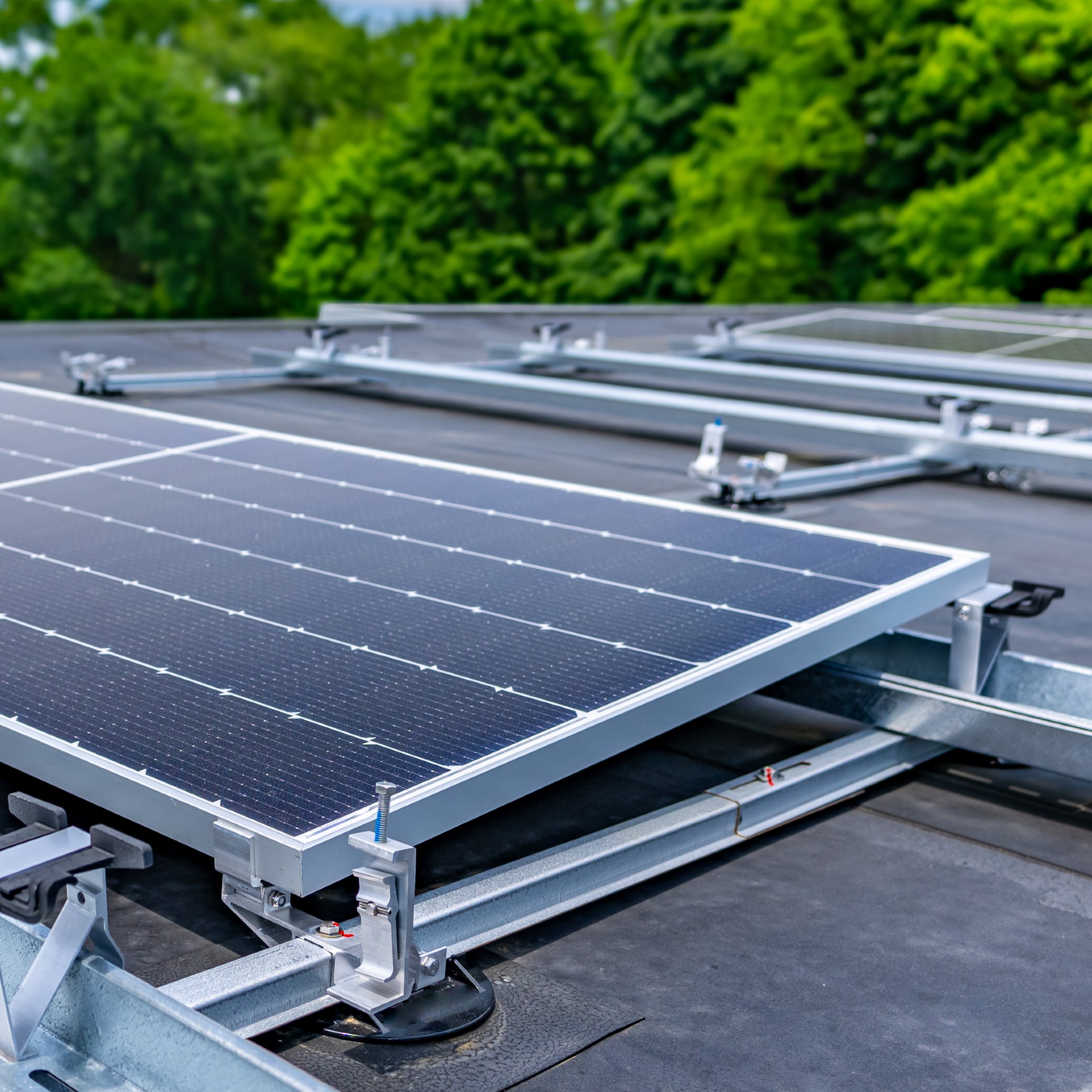
The actual installation typically takes only one to two days. Workers will install the flashing and racking (the mounting system), lay the wiring, and finally secure the panels. The inverter and battery system are usually mounted on an exterior wall or inside the garage.
4. Inspection and PTO
After the panels are on the roof, the city inspector must visit to ensure the system meets the National Electrical Code (NEC). Once the city signs off, the utility company will perform its own check and eventually grant Permission to Operate (PTO). You cannot officially turn the system on until you receive PTO.
Maintenance and Long-term Performance
Solar systems are remarkably low-maintenance because they have no moving parts. However, a "set it and forget it" mentality can lead to efficiency losses over time.
- Cleaning: In arid regions like the Southwest, dust and pollen can reduce output by 5% to 10%. A simple rinse with a garden hose twice a year is usually sufficient. Avoid using abrasive chemicals or pressure washers.
- Monitoring: Modern systems come with mobile apps that allow you to track production in real-time. If you see a sudden drop in production that isn't related to weather, it may indicate a faulty inverter or a tripped circuit breaker.
- Warranties: Ensure your contract includes a 25-year performance warranty (guaranteeing the panels will still produce ~85% of their original power) and a 10-to-25-year workmanship warranty for the installation itself.
Common Mistakes to Avoid
One of the most frequent errors homeowners make is sizing their system based on their current bill without accounting for future needs. If you plan to purchase an Electric Vehicle (EV) or switch from a gas furnace to a heat pump in the next few years, your electricity demand will increase. Sizing the system slightly larger now is much cheaper than trying to add three or four panels later, which requires new permits and potentially a new inverter.
Furthermore, do not ignore the reputation of the installer. The "solar coaster" has seen many companies go out of business. Choose an installer that has been in business for at least five years and uses Tier-1 equipment. A long-term warranty is only as good as the company's ability to stay in business to honor it.
Frequently Asked Questions
How long do solar panels actually last? Most modern solar panels are rated for a lifespan of 25 to 30 years. This does not mean they stop working after that time; rather, their energy production levels drop below a certain threshold (usually 80-85% of their original capacity). Many systems installed in the late 1990s are still functioning today.
Does solar energy work in cloudy or cold climates? Yes. Solar panels work on light, not heat. In fact, solar panels are slightly more efficient in cooler temperatures because the silicon cells conduct electricity more effectively when cold. While heavy cloud cover reduces output, regions like the Pacific Northwest still see significant savings due to the total annual daylight hours.
What happens to my solar panels if there is a power outage? Unless you have a battery backup system or a specialized "daylight backup" inverter, your solar system will automatically shut off during a power outage. This is a safety requirement called "anti-islanding," which prevents your system from sending electricity back into the grid and potentially injuring utility workers who are trying to fix the lines.
Will solar panels damage my roof? If installed correctly by a licensed professional, solar panels will not damage your roof. In many cases, they actually protect the roofing material underneath from UV radiation and weathering. Installers use heavy-duty flashing and sealants to ensure that every roof penetration is watertight.
Can I install solar panels myself? While "DIY solar kits" exist, it is generally discouraged for most homeowners. Professional installation ensures compliance with the National Electrical Code, maintains equipment warranties, and is often a requirement to qualify for state rebates and utility interconnection. Furthermore, working with high-voltage DC electricity and navigating roof safety requires specialized training.
Final Recommendation
The most effective way to start your solar journey in 2026 is to gather at least three competing quotes from local, reputable installers. Use these quotes to compare the "price per watt" and the quality of the components offered. Prioritize systems that include integrated battery storage if your state has transitioned to "Net Billing" or "NEM 3.0" structures, as this will ensure you get the most value out of every kilowatt-hour your roof produces.
Image Gallery