Santa Fe Injury Lawyer Representation for Accident Victims in 2026
Professional Santa Fe injury lawyer representation helps accident victims navigate New Mexico's complex legal system to secure compensation for medical bills, lost wages, and pain and suffering. By leveraging local expertise in pure co...
Professional Santa Fe injury lawyer representation helps accident victims navigate New Mexico's complex legal system to secure compensation for medical bills, lost wages, and pain and suffering. By leveraging local expertise in pure comparative negligence laws, these attorneys protect claimants' rights against insurance companies, ensuring fair settlements or trial verdicts in 2026.
Contents
The Role of Legal Representation in Santa Fe Accident Claims
In 2026, the legal landscape for personal injury in Santa Fe remains governed by specific New Mexico statutes that prioritize the victim's right to recovery, even if they share partial fault. Engaging a specialized Santa Fe injury lawyer is not merely about filing paperwork; it is about building a comprehensive evidentiary bridge between an accident and the resulting financial and physical damages.
Legal representation provides a barrier between the victim and aggressive insurance adjusters. Insurance companies often utilize sophisticated algorithms to minimize payouts. A seasoned attorney counters these tactics by conducting independent investigations, interviewing witnesses, and employing accident reconstruction experts when necessary. In the unique environment of Santa Fe—where narrow historic streets and high-speed corridors like I-25 present distinct driving hazards—local knowledge of accident scenes and traffic patterns provides a significant advantage in establishing liability.
Furthermore, a lawyer manages the strict procedural requirements of the New Mexico judiciary. From the First Judicial District Court to federal filings, each venue has specific local rules. Missing a filing deadline or failing to serve a defendant correctly can result in a permanent loss of the right to claim damages. Professional representation ensures that every procedural safeguard is utilized to keep the case moving toward a resolution.
Understanding New Mexico’s Pure Comparative Negligence Doctrine
One of the most critical aspects of Santa Fe injury lawyer representation is navigating the state's pure comparative negligence system. Under New Mexico Statutes § 41-3A-1, a plaintiff's own negligence does not bar them from recovery. Instead, their total compensation is reduced by their percentage of fault.
For example, if a jury determines that a plaintiff suffered $100,000 in damages but was 30% responsible for the accident, the plaintiff is still eligible to recover $70,000. This is a "pure" system because even if a plaintiff is 99% at fault, they can technically recover 1% of their damages from another negligent party.
However, insurance companies frequently attempt to inflate the victim's percentage of fault to reduce their own liability. An experienced attorney works to minimize the client's fault percentage by:
- Analyzing black box data from vehicles.
- Reviewing Santa Fe municipal traffic camera footage.
- Cross-referencing police reports with physical evidence.
- Expertly questioning the defendant's version of events during depositions.
This nuanced understanding of fault allocation is why legal counsel is indispensable. Without it, victims often accept settlement offers that have been unfairly discounted based on an uncontested assessment of fault.
Common Personal Injury Categories in Santa Fe
Santa Fe’s unique geography and status as the state capital create specific types of injury risks. Representation must be tailored to the specific category of the accident to be effective.
Motor Vehicle and Commercial Trucking Accidents
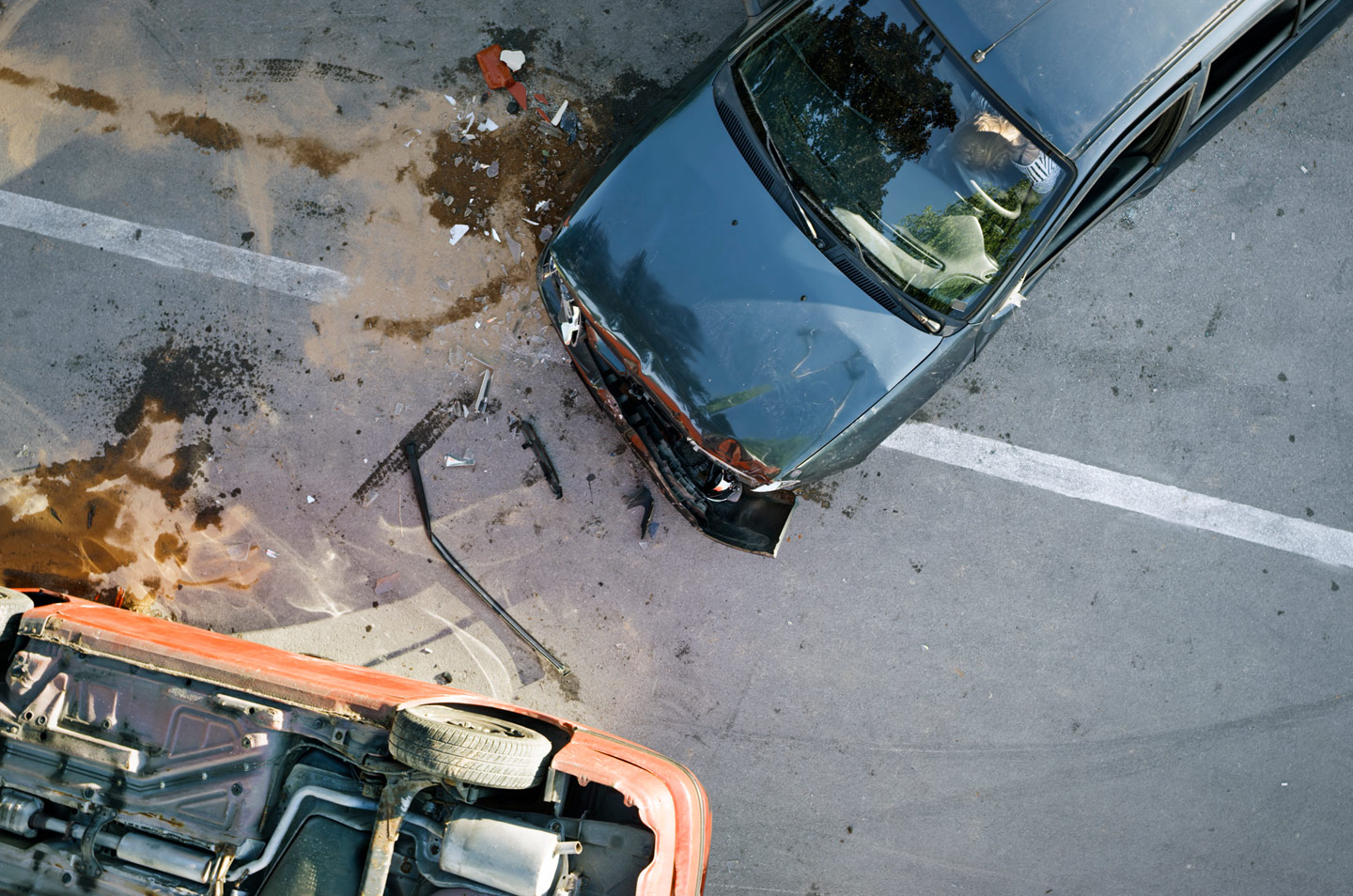
With the heavy traffic on St. Francis Drive and the frequent movement of commercial freight on I-25, motor vehicle accidents remain the primary driver of personal injury claims. In 2026, the complexity of these cases often involves "smart vehicle" data and ride-sharing liability. Commercial trucking accidents are particularly complex because they involve federal Department of Transportation (DOT) regulations and often multiple layers of insurance coverage from the driver, the carrier, and the cargo owner.
Premises Liability and Slip-and-Fall Incidents
As a major tourism hub, Santa Fe sees a high volume of foot traffic in museums, hotels, and restaurants. Under New Mexico law, property owners have a "duty of ordinary care" to keep their premises safe for visitors. Representation in these cases focuses on proving that a hazardous condition existed, the owner knew or should have known about it, and they failed to remedy it or warn the public.
Government Liability and the Tort Claims Act
Because Santa Fe is the seat of the state government, many accidents involve government employees or property. Claims against the State of New Mexico or the City of Santa Fe are governed by the New Mexico Tort Claims Act. This act provides sovereign immunity to the government except in specific circumstances, such as negligence in the operation of a motor vehicle or the maintenance of a building. Crucially, the Tort Claims Act has much shorter notice requirements—often as little as 90 days—making immediate legal representation vital.
The Timeline of a Santa Fe Personal Injury Case
While every case is unique, most Santa Fe injury claims follow a structured progression in 2026. Understanding this timeline helps victims manage expectations and prepare for the various phases of litigation.
- Initial Consultation and Investigation: The lawyer reviews medical records, police reports, and insurance policies to determine if a viable claim exists.
- Medical Treatment and "Maximum Medical Improvement" (MMI): Attorneys generally advise waiting until a victim reaches MMI—the point where their condition is unlikely to improve further—before finalizing a demand. This ensures that all future medical costs are accounted for.
- The Demand Package: The attorney sends a formal demand to the insurance carrier, outlining the facts of the case, the proof of liability, and the total damages sought.
- Negotiation or Litigation: If the insurance company refuses a fair settlement, the attorney files a lawsuit. This triggers the Discovery Phase, where both sides exchange evidence, take depositions, and hire experts.
- Mediation: Most Santa Fe courts require parties to attempt mediation before going to trial. A neutral third party helps both sides reach a compromise.
- Trial: If mediation fails, the case goes to a jury or judge, who will determine liability and damages.
Calculating Damages in 2026
Damages in a personal injury case are categorized into two primary types: economic and non-economic. In cases involving extreme negligence or malice, punitive damages may also be available.
| Damage Category | Description | Examples |
|---|---|---|
| Economic Damages | Verifiable financial losses resulting from the injury. | Hospital bills, physical therapy, lost wages, and property repair. |
| Non-Economic Damages | Subjective, non-monetary losses related to quality of life. | Pain and suffering, emotional distress, and loss of consortium. |
| Future Damages | Estimated costs for long-term care or permanent disability. | Ongoing home care, future surgeries, and loss of earning capacity. |
| Punitive Damages | Damages intended to punish the defendant for egregious conduct. | Cases involving DUI, street racing, or intentional harm. |
Why the Statute of Limitations Matters
In New Mexico, the statute of limitations for most personal injury claims is three years from the date of the accident (N.M. Stat. § 37-1-8). However, this window is a maximum, not a suggestion. Waiting until the final months to seek representation often makes it difficult to collect fresh evidence or find witnesses whose memories haven't faded.
For claims against government entities, the Notice of Claim requirement is significantly shorter. Under N.M. Stat. § 41-4-16, a written notice of a claim against a state or local government entity must usually be presented within 90 days of the occurrence. Failure to meet this deadline can result in the claim being barred forever, regardless of how clear the negligence was.
How to Select the Right Santa Fe Injury Attorney
Choosing a representative is a critical decision that impacts the final outcome of the case. In 2026, victims should look beyond marketing and evaluate attorneys based on several objective criteria:
- Local Court Experience: Does the attorney regularly practice in the First Judicial District? Familiarity with local judges and court staff can streamline procedural issues.
- Trial Readiness: While most cases settle, the best settlements are often achieved by lawyers who have a reputation for being willing and able to go to trial.
- Fee Structure: Most Santa Fe injury lawyers work on a contingency fee basis. This means they only get paid if they win or settle the case. Typically, the fee is a percentage (often 33% to 40%) of the total recovery.
- Communication Policy: A common complaint in legal services is a lack of communication. Choose a firm that clearly explains how and when you will receive updates on your case status.
Frequently Asked Questions
What should I do immediately after an accident in Santa Fe?
First, ensure your safety and seek medical attention immediately, even if injuries seem minor. Report the accident to the Santa Fe Police Department or the New Mexico State Police. Take photographs of the scene, vehicles, and any visible injuries. Avoid making statements to the other party's insurance company until you have consulted with a lawyer.
Can I still recover money if the accident was partially my fault?
Yes. New Mexico follows a pure comparative negligence rule. You can recover damages even if you were 90% at fault, though your compensation will be reduced by your percentage of responsibility. A lawyer’s job is to ensure your fault is not unfairly exaggerated by the opposing side.
How long does it take to settle a personal injury claim?
A typical case can take anywhere from six months to over two years. The duration depends on the complexity of the accident, the length of your medical treatment, and whether the insurance company is willing to negotiate in good faith. Cases that go to trial take significantly longer than those settled during mediation.
What is my case worth?
The value of a case depends on the severity of the injuries, the total of medical expenses, the impact on your ability to work, and the amount of available insurance coverage. There is no "standard" settlement amount; each case is calculated based on its specific facts.
Do I have to go to court?
Most personal injury cases are settled out of court. However, if the insurance company offers an amount that does not fairly cover your losses, your attorney may recommend filing a lawsuit and proceeding to trial to seek a better outcome.
Practical Recommendation
If you or a loved one has been injured in an accident, the most important step is to document everything and seek legal counsel before signing any documents from an insurance company. For specific guidance on New Mexico's legal standards, you may refer to the New Mexico Compilation Commission for access to the state's statutes. Additionally, the State Bar of New Mexico provides resources for verifying an attorney's standing and finding legal aid if you are income-eligible. Taking action within the first few days of an accident ensures that evidence is preserved and your right to compensation is fully protected.
Disclaimer: This article provides general information and does not constitute legal advice. Laws and regulations are subject to change. For specific legal questions regarding an accident in Santa Fe, consult with a licensed attorney in New Mexico.
Image Gallery