The Best Meteor Shower in 2025 for Clear Summer Skies: A Retrospective Guide
The Perseid meteor shower was the definitive celestial highlight of 2025, peaking on the night of August 12 and the early morning hours of August 13. Known for its high frequency of bright fireballs and consistent activity, the Perseid...
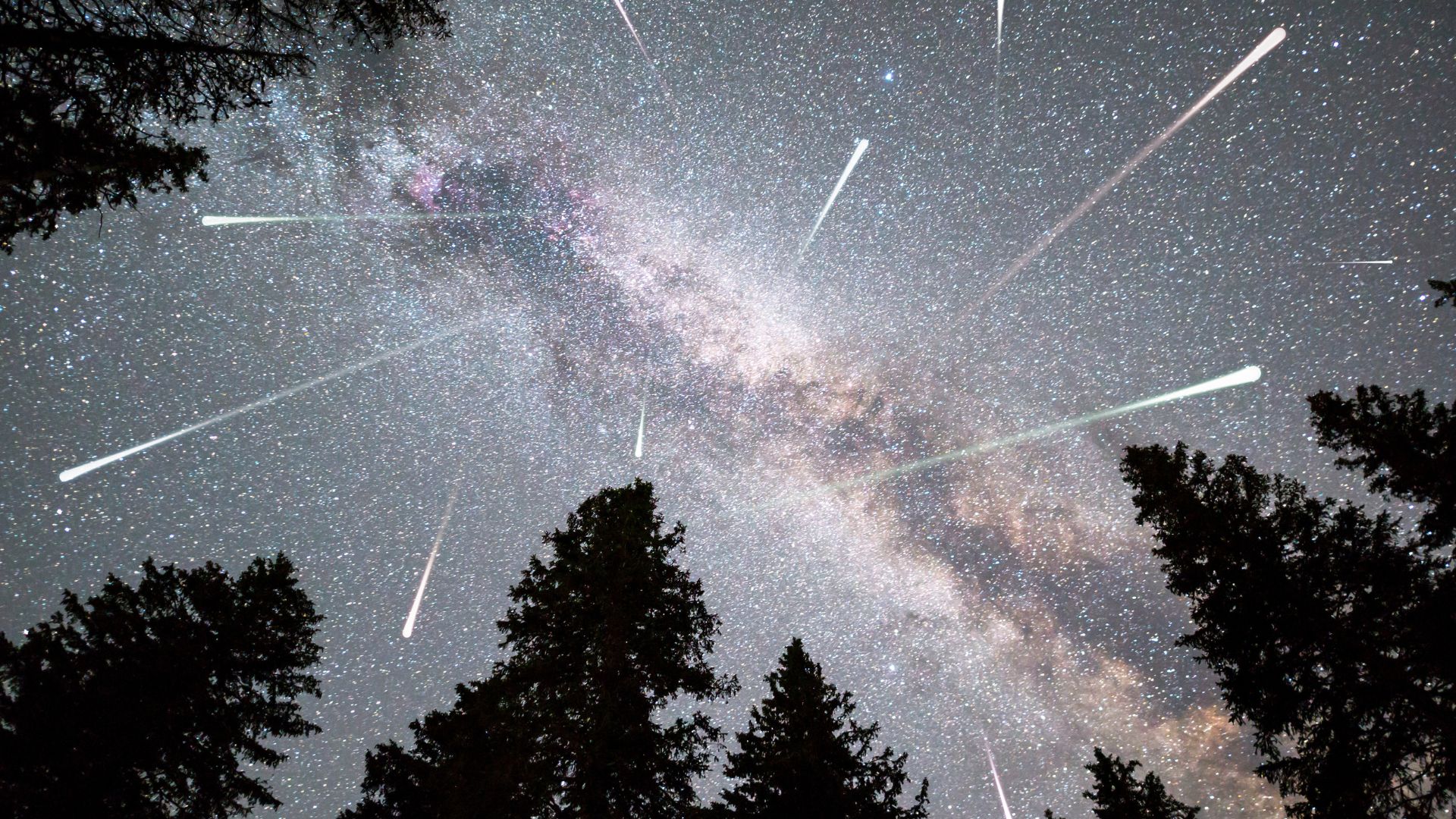
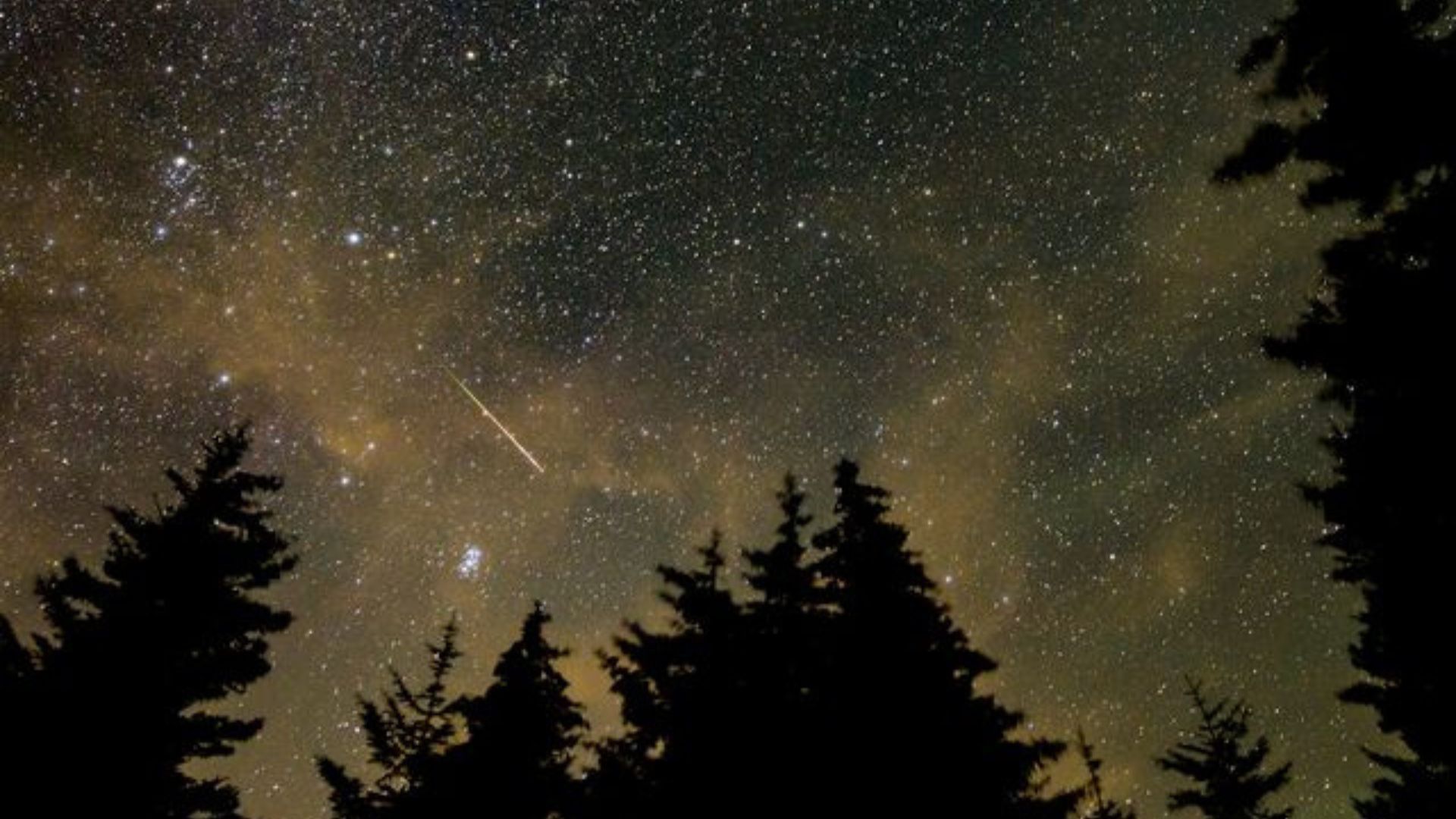
The Perseid meteor shower was the definitive celestial highlight of 2025, peaking on the night of August 12 and the early morning hours of August 13. Known for its high frequency of bright fireballs and consistent activity, the Perseids outperformed all other summer displays, even while navigating significant lunar interference during its peak window.
Contents
For stargazers and amateur astronomers looking back at the 2025 season, the Perseids represented the pinnacle of summer observation. While several other minor showers occurred during the warmer months, none matched the sheer volume and velocity of the debris trail left by Comet 109P/Swift-Tuttle. This guide examines why the Perseids held the title of the best meteor shower in 2025 and provides a technical breakdown of the conditions that defined that summer's night skies.
Why the Perseids Dominated the 2025 Summer Calendar
The Perseids are widely considered the most popular meteor shower of the year, not just because of their high rate of activity, but because they occur during the height of the Northern Hemisphere's summer. In 2025, the combination of stable atmospheric conditions and the specific trajectory of the Earth through the debris field of Comet Swift-Tuttle created a window of opportunity for viewers across the globe.
The Legacy of Comet 109P/Swift-Tuttle
The Perseids exist because of Comet 109P/Swift-Tuttle, a massive comet with a nucleus approximately 16 miles (26 kilometers) wide. As this comet orbits the Sun every 133 years, it leaves behind a thick trail of ice and rock. Every August, Earth passes through the densest part of this debris. In 2025, the Earth’s transit through these "filaments" of dust resulted in a Zenithal Hourly Rate (ZHR) of approximately 100 meteors per hour under ideal conditions.
Velocity and Composition
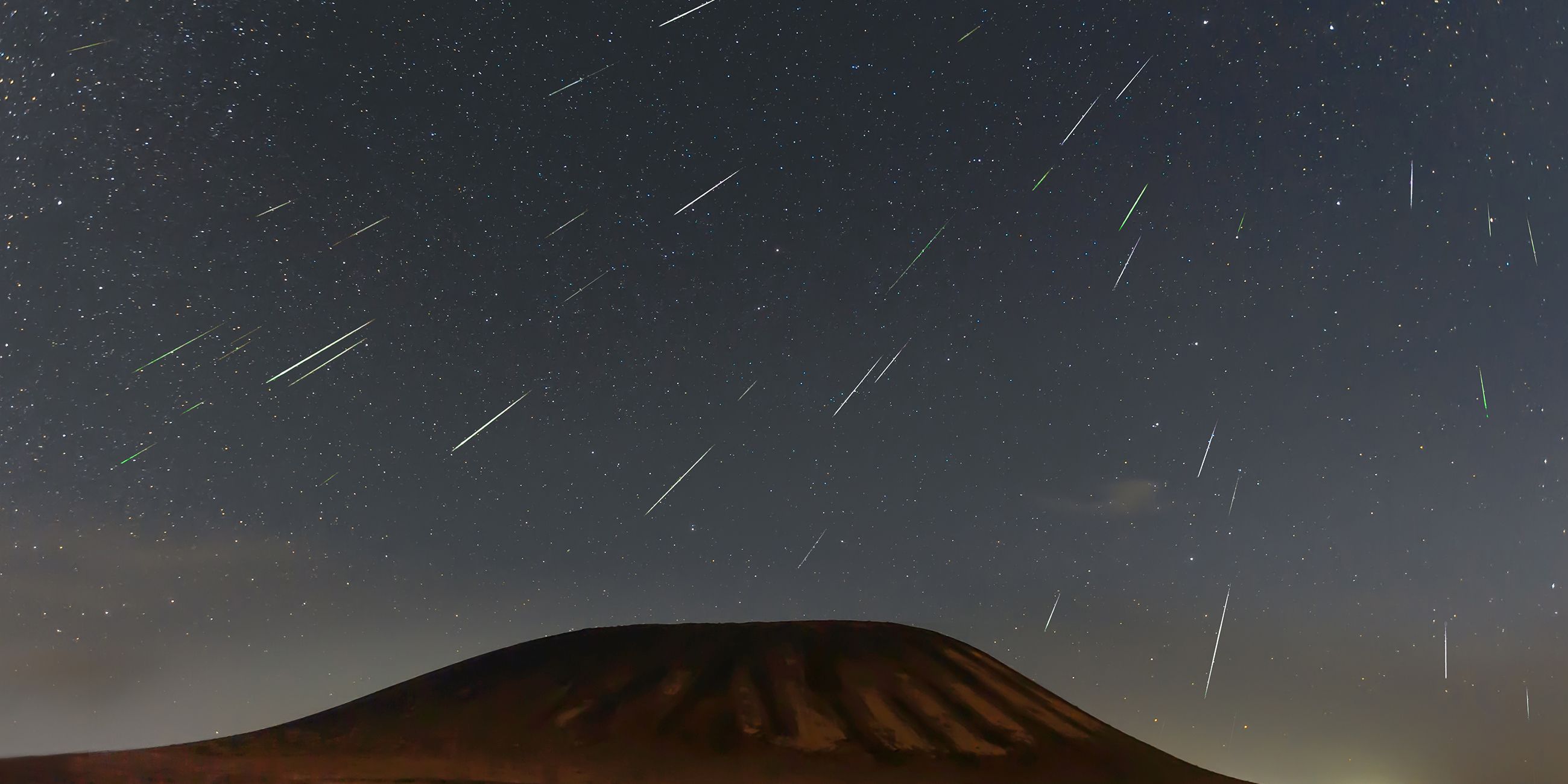
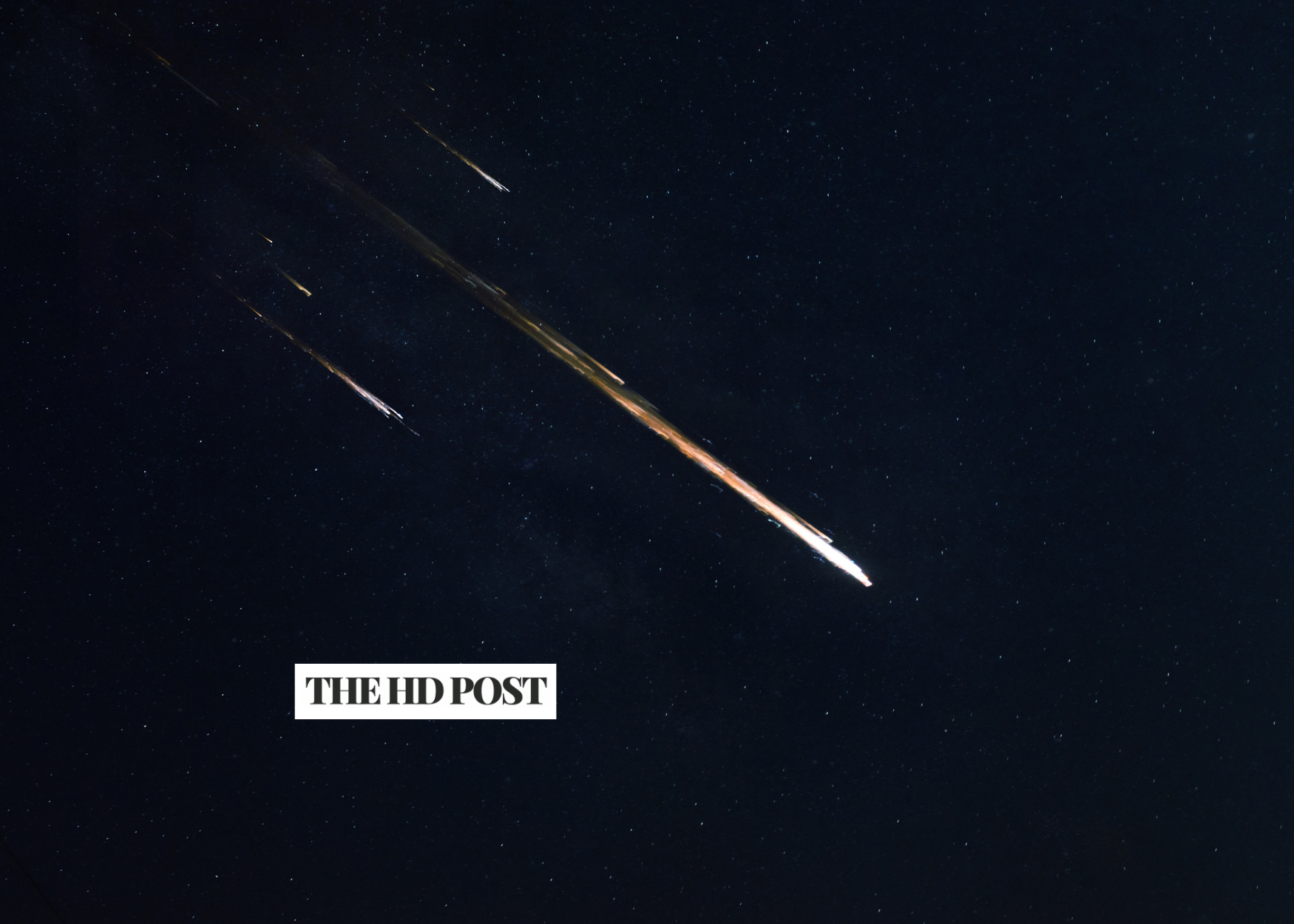
Perseid meteors are known for their speed, entering Earth's atmosphere at roughly 37 miles per second (59 kilometers per second). This high velocity causes the particles to compress the air in front of them, creating the intense heat that results in long, glowing "trains" or streaks. In the summer of 2025, observers reported a high percentage of fireballs—meteors that are brighter than the planet Venus—which were visible even in areas with moderate light pollution.
The Challenge of Lunar Interference in August 2025
When evaluating the quality of a meteor shower, the phase of the moon is the single most important factor after the weather. In 2025, the Perseids peak occurred just a few days after the Full Moon of August 9. By the time the peak arrived on August 12-13, the moon was a waning gibbous, roughly 80% to 90% illuminated.
This lunar presence posed a significant challenge for 2025 observers. The bright moonlight "washed out" many of the fainter meteors, reducing the observable rate from the theoretical 100 per hour to perhaps 40 or 50 per hour for those in less-than-perfect locations. However, the Perseids' inherent brightness helped them retain their status as the best summer shower. Because the Perseids produce a higher-than-average number of bright fireballs, they remained visible despite the moon's glare, whereas the fainter Delta Aquariids earlier in the summer were more susceptible to atmospheric haze and light interference.
Comparing Summer Meteor Showers of 2025
While the Perseids were the main event, the summer of 2025 featured several overlapping showers. Understanding the differences between these events helps illustrate why the Perseids were the superior choice for clear-sky viewing.
| Meteor Shower | 2025 Peak Date | Primary Source | Typical ZHR | 2025 Viewing Conditions |
|---|---|---|---|---|
| Alpha Capricornids | July 30 | Comet 169P/NEAT | 5 | Excellent (Low Moon) |
| Delta Aquariids | July 30 | Comet 96P/Machholz | 20 | Very Good (Dark Skies) |
| Perseids | August 12–13 | Comet Swift-Tuttle | 100 | Moderate (Lunar interference) |
| Kappa Cygnids | August 18 | Unknown | 3 | Poor (Bright Moon) |
The Delta Aquariid Alternative
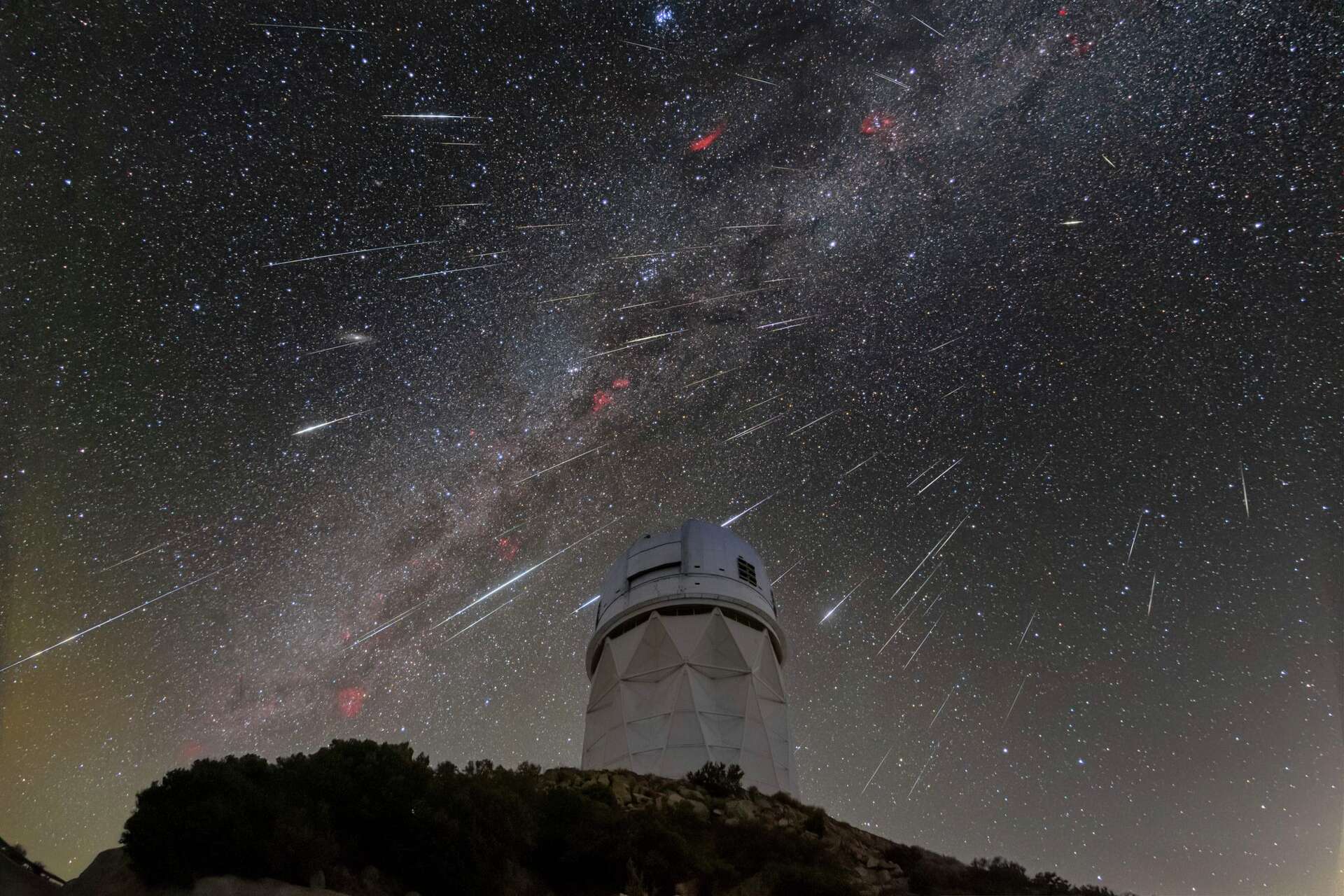
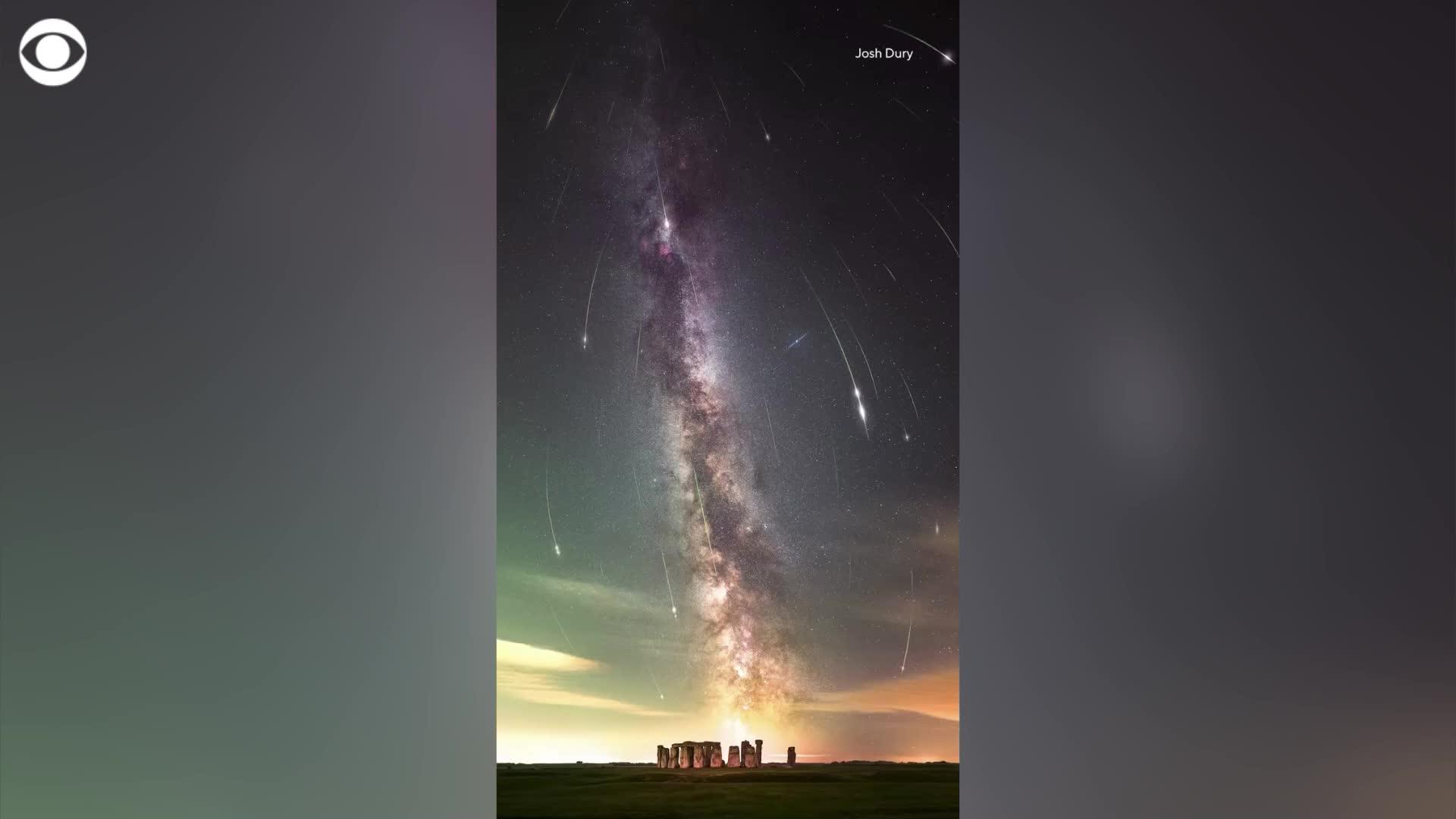
In late July 2025, the Southern Delta Aquariids offered a more subtle but rewarding experience. Peaking around July 30, this shower coincided with a much thinner moon (a waning crescent), providing much darker skies than the Perseid peak two weeks later. While the frequency was lower—around 20 meteors per hour—the lack of moonlight made it the preferred choice for astrophotographers looking to capture long-exposure shots of the Milky Way punctuated by meteoric streaks.
The Alpha Capricornids and "Slow" Fireballs
Also peaking in late July 2025 were the Alpha Capricornids. Though they only produced about 5 meteors per hour, they were notable for their slow speed and bright yellow coloration. For observers in 2025 who prioritized the quality of individual meteors over the quantity, the Alpha Capricornids provided a unique visual contrast to the lightning-fast Perseids.
Technical Requirements for Optimal Summer Viewing
To fully appreciate the 2025 Perseids, observers had to account for several technical and environmental factors. Because the "best" meteor shower is only as good as the viewing environment, several prerequisites were necessary for a successful outing.
Identifying the Radiant Point
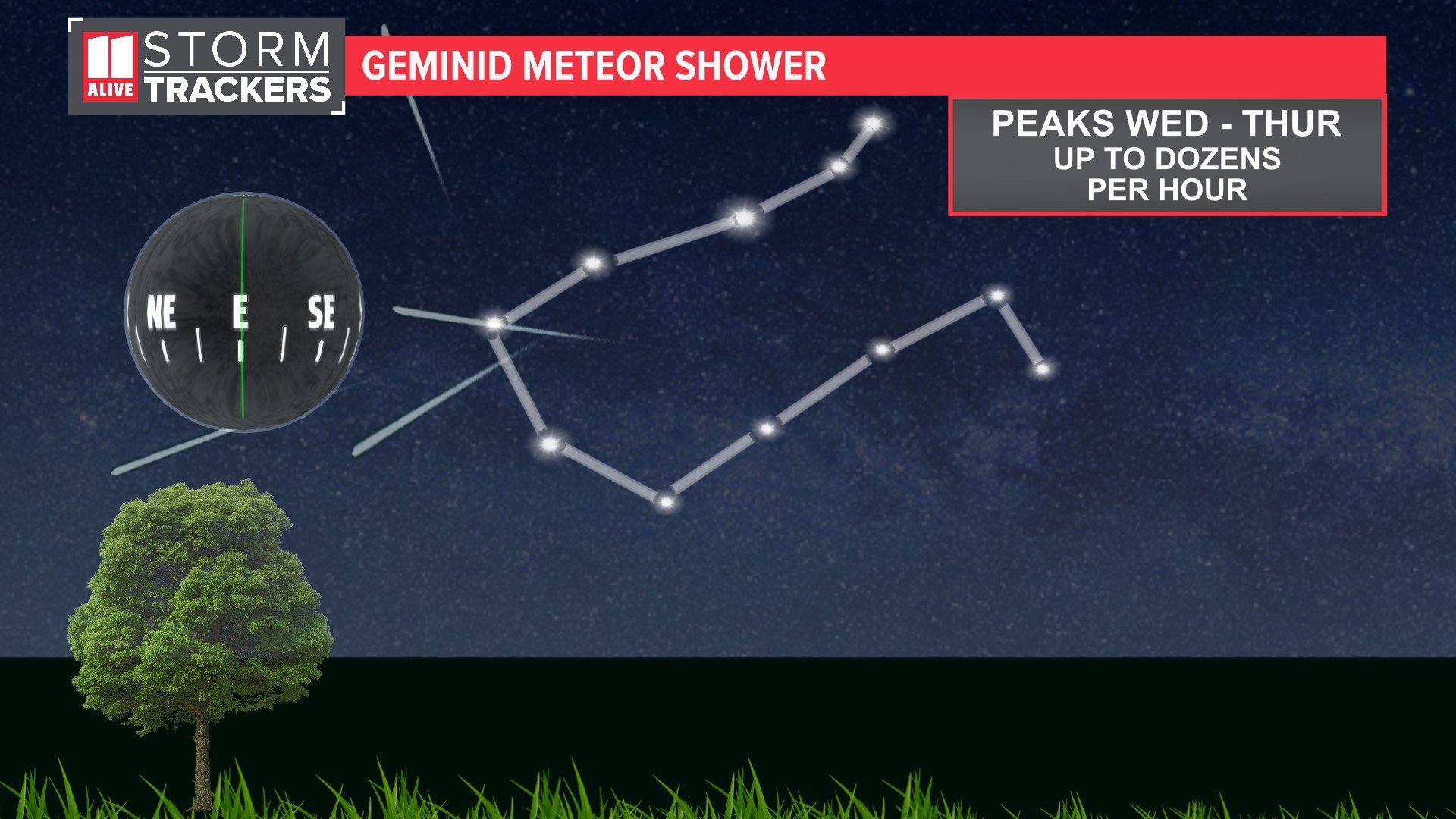
The "radiant" is the point in the sky from which the meteors appear to originate. For the Perseids, this point is in the constellation Perseus. In 2025, the radiant rose in the Northeast sky after mid-evening. However, seasoned observers knew that looking directly at the radiant is a mistake; the meteors with the longest tails are usually visible about 30 to 45 degrees away from the radiant.
The Importance of the Bortle Scale
The Bortle Scale measures the darkness of the night sky, ranging from Class 1 (excellent dark-sky site) to Class 9 (inner-city sky). In 2025, a site rated Bortle Class 3 or lower was required to see the full breadth of the Perseid display. Because of the moon’s brightness that year, observers in Class 5 or 6 environments (suburban) were restricted to seeing only the most intense fireballs.
Atmospheric Transparency and Seeing
Summer skies are often clear, but they can be humid. In 2025, high humidity levels in certain regions created "haze" that scattered moonlight, further reducing visibility. The best observations were made from high-altitude locations where the atmosphere is thinner and drier, allowing for better transparency.
Strategy for Observation: Timing and Equipment
The best way to observe the 2025 Perseids was to plan for the "post-midnight" window. As the Earth rotates, the side you are on eventually turns into the direction of the Earth’s orbital path around the sun. This happens after midnight, essentially causing the atmosphere to "scoop up" more space debris, much like bugs hitting a car windshield.
Equipment Essentials
While meteor showers are best viewed with the naked eye to maximize the field of vision, specific gear improved the 2025 experience:
- Reclining Lawn Chairs: Essential for preventing neck strain during multi-hour sessions.
- Red Light Flashlights: Standard white flashlights ruin night vision, which can take up to 30 minutes to fully recover.
- Star Charts or Apps: Used to locate the radiant point and identify nearby planets like Jupiter and Saturn, which were prominent in the 2025 summer sky.
Astrophotography Considerations
Photographers capturing the 2025 Perseids typically used wide-angle lenses (14mm to 24mm) with fast apertures (f/2.8 or wider). Because of the moonlight, ISO settings had to be carefully balanced—usually between 800 and 1600—to prevent the sky from looking overexposed and "milky" while still sensitive enough to record the fast-moving meteors.
Common Mistakes Made During the 2025 Season
Many casual observers missed the best parts of the 2025 summer showers due to avoidable errors. Reflecting on these helps prepare for future astronomical events.
- Observing Too Early: Many people went out at 9:00 PM and were disappointed. The Perseids in 2025 did not reach their stride until the radiant was higher in the sky, typically after 11:00 PM or midnight.
- Using Mobile Phones: The blue light from a smartphone screen immediately resets the chemical balance in the eye (rhodopsin), killing dark adaptation.
- Focusing Only on the Peak: The Perseids are active from mid-July through late August. Some of the best viewing in 2025 actually occurred a few days before the peak, when the moon set earlier in the night, providing a few hours of true darkness.
- Narrow Field of Vision: Using binoculars or telescopes for a meteor shower is counterproductive, as they limit the area of sky you can see, making it much harder to catch a random streak.
FAQs About the 2025 Summer Meteor Showers
Which summer meteor shower was most visible from cities in 2025?
The Perseids were the most visible from urban areas because of their high frequency of "fireballs." While the moon and city lights obscured 80% of the activity, the remaining 20% consisted of meteors bright enough to penetrate light pollution.
Did the 2025 Perseid peak occur on the same day globally?
Yes, the Earth passes through the debris cloud at a specific point in its orbit. However, visibility depended on the local time. For 2025, the peak was ideally timed for observers in North America and Europe during the pre-dawn hours of August 13.
Was the 2025 Perseid shower "stronger" than previous years?
It was a standard year in terms of debris density. There was no "meteor storm" (which requires ZHRs in the thousands), but the Perseids remain remarkably consistent compared to other showers like the Leonids, which vary wildly by decade.
What colors were most common in the 2025 meteors?
Observers reported many green and yellow streaks. The green color typically indicates the presence of nickel or magnesium being vaporized as the meteor enters the atmosphere, while yellow can indicate sodium.
Could you see the 2025 summer showers from the Southern Hemisphere?
Yes, but the rates were lower. The radiant for the Perseids is located far north in the celestial sphere. While observers in Australia or South America could see some Perseids, the radiant never rose very high, resulting in fewer meteors compared to the Northern Hemisphere.
Final Recommendation for Retrospective Study
For those analyzing the 2025 astronomical year, the Perseid meteor shower remains the gold standard for summer observation. Despite the waning gibbous moon that characterized the August peak, the shower's reliability and the prevalence of bright fireballs ensured it outclassed the Delta Aquariids and Alpha Capricornids. To truly appreciate these events, one must prioritize dark-sky locations and allow for full dark adaptation of the eyes. Moving forward, always check the lunar calendar in conjunction with peak dates, as the moon remains the ultimate "gatekeeper" of the night sky's clarity.
Image Gallery