Understanding the Cost of an Office Visit Without Insurance
The cost of a standard doctor's office visit without insurance typically ranges from $100 to $300 for a basic consultation, though total expenses can quickly exceed $500 to $1,000 if a provider orders lab work, diagnostic imaging, or s...
The cost of a standard doctor's office visit without insurance typically ranges from $100 to $300 for a basic consultation, though total expenses can quickly exceed $500 to $1,000 if a provider orders lab work, diagnostic imaging, or specialized procedures. This baseline price varies significantly based on geographic location, the type of medical facility, and the clinical credentials of the healthcare provider.
Contents
Navigating the healthcare system without the safety net of health insurance can feel overwhelming, particularly when trying to anticipate out-of-pocket medical expenses. Whether you are between jobs, an independent contractor, a student, or enrolled in a high-deductible health plan that you have not yet met, understanding how medical pricing structures work is essential for protecting your personal finances. Healthcare costs are rarely standardized, but by examining the underlying variables, patients can proactively manage their expenses and find affordable care pathways.
Why Uninsured Medical Care Pricing Varies
Unlike consumer goods with clearly posted price tags, medical care operates under a complex pricing model where the sticker price is often vastly different from what is ultimately collected. Healthcare facilities maintain a document known as a chargemaster, which lists the maximum retail price for every service, procedure, and supply they offer. However, these chargemaster rates are rarely paid by anyone, least of all uninsured individuals who know how to advocate for themselves.
Several core variables determine the final invoice for an uninsured office visit:
- Geographic Location: Urban centers and regions with a high cost of living generally feature steeper medical fees to offset higher facility overhead and practitioner salaries. Conversely, rural clinics may offer more modest baseline pricing, though provider shortages can occasionally limit options.
- Provider Credentials: Seeing a board-certified specialist, such as a cardiologist, dermatologist, or endocrinologist, costs substantially more than visiting a primary care physician (PCP) or a general practitioner. Initial specialist consultations frequently start north of $250 to $500.
- Facility Type: Traditional private practices tend to have lower overhead costs than hospital-affiliated outpatient clinics. Receiving care within a hospital network often incurs a separate facility fee on top of the physician's professional fee, instantly inflating the bill.
- Scope of the Visit: A brief, straightforward evaluation for a minor ailment requires less time and fewer resources than a comprehensive physical exam or the management of multiple complex chronic conditions.
Breaking Down Average Out-of-Pocket Medical Fees
To budget effectively for healthcare, it is helpful to look at average market estimates for various types of outpatient visits. Keep in mind that these figures represent base consultation fees only and generally exclude ancillary services like blood draws, rapid strep tests, or prescription medications.
| Type of Healthcare Provider | Estimated Cost Range (Without Insurance) | Primary Use Case |
|---|---|---|
| Retail Health Clinic / Urgent Care | $75 – $150 | Minor illnesses, standard vaccinations, basic physicals |
| Primary Care Physician (PCP) | $100 – $300 | Routine check-ups, chronic disease management, mild injuries |
| Community Health Center | $20 – $100 (Sliding Scale) | Primary care, preventative screenings, low-income support |
| Medical Specialist | $250 – $600+ | Targeted evaluations for specific organ systems or diseases |
| Concierge / Direct Primary Care | $50 – $150 monthly subscription | Unlimited routine access, flat-fee primary care services |
Hidden and Ancillary Expenses
The initial consultation fee is only the starting point. When a physician evaluates a patient, they frequently order diagnostic tests to confirm a diagnosis. These add-on services can multiply the final cost of an office visit without insurance:
- Laboratory Tests: Basic blood panels, lipid profiles, or urinalysis can add anywhere from $50 to several hundred dollars depending on the specific biomarkers being analyzed.
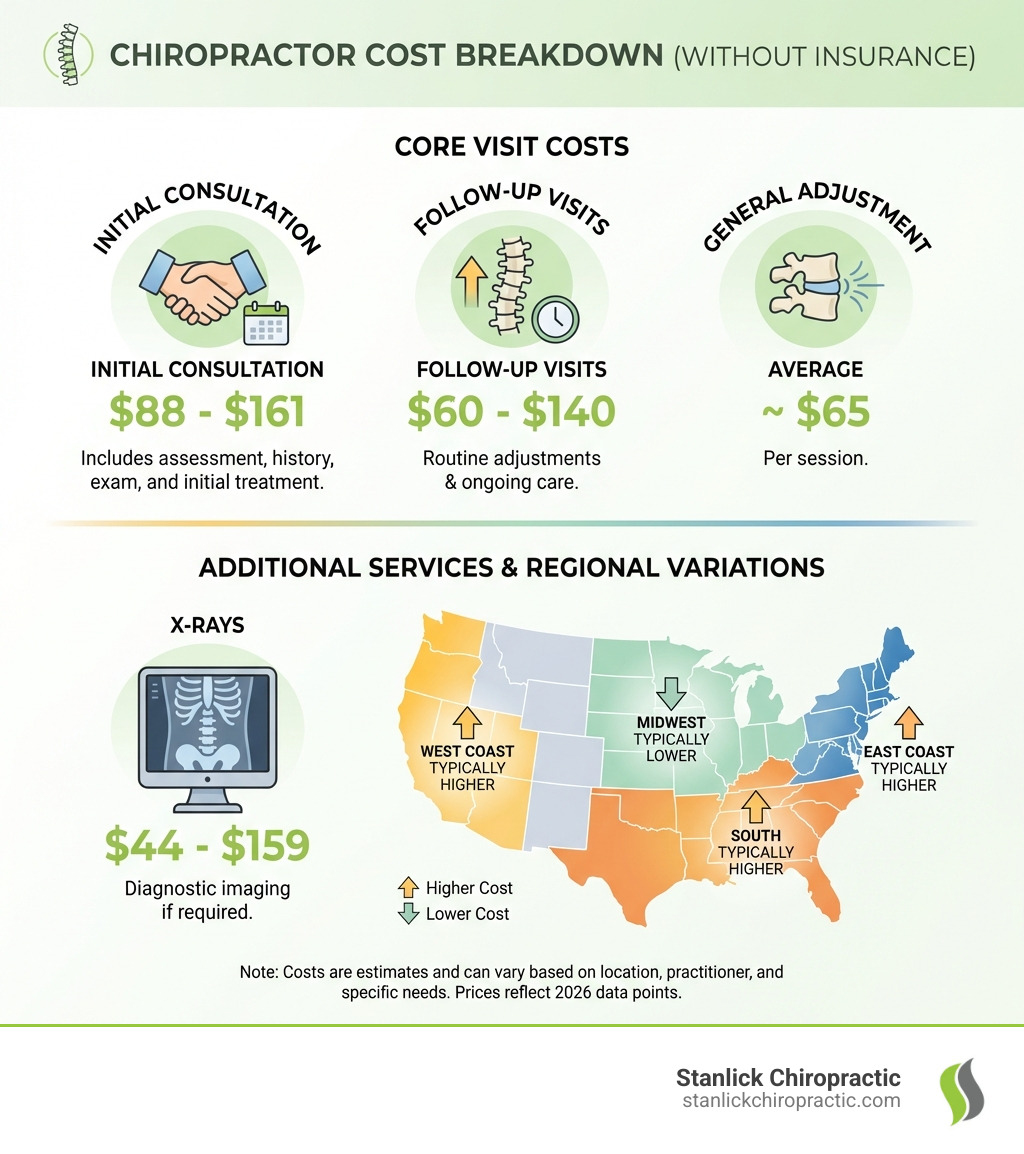
- Diagnostic Imaging: X-rays typically range from $150 to $300, while advanced imaging like an MRI or CT scan can cost between $1,000 and $3,000 at a traditional hospital facility.
- In-Office Procedures: Procedures such as a skin biopsy, wart removal, joint injection, or earwax removal incur extra supply and procedural charges.
- Prescription Medications: Medications prescribed during the visit must be paid for out of pocket, though utilizing generic drug discount programs can mitigate these costs significantly.
Strategies to Lower the Cost of an Uninsured Doctor Visit
Being uninsured does not mean you have to pay the full chargemaster rate. Healthcare providers and medical facilities are increasingly accommodating cash-paying patients, provided the patient takes proactive steps before stepping into the examination room.
1. Request the Self-Pay or Cash Discount
Most medical offices offer a substantial discount—often ranging from 20% to 50%—for patients who pay in full at the time of service. This discount benefits the practice by eliminating administrative billing overhead and guaranteeing immediate revenue. Always ask the receptionist or billing department, "What is your cash-pay or self-pay rate for an uninsured patient?" before booking your appointment.
2. Utilize Community Health Centers and FQHCs
Federally Qualified Health Centers (FQHCs) receive federal funding to provide comprehensive primary care in underserved areas. These centers are legally required to offer services on a sliding fee scale based on your household income and family size. Even individuals earning a moderate income may qualify for heavily discounted office visits.
3. Consider Urgent Care Over Emergency Rooms
For non-life-threatening conditions like a minor sprain, earache, or mild flu symptoms, visiting an urgent care center instead of a hospital emergency room can save thousands of dollars. An urgent care visit without insurance typically costs a fraction of an emergency department facility fee.
4. Explore Direct Primary Care (DPC)
Direct Primary Care is a membership-based healthcare model where patients pay a flat monthly or annual fee directly to their physician in exchange for unlimited access to routine primary care services. DPC physicians do not accept insurance, which cuts out administrative bloat and allows them to offer transparent, low-cost office visits and wholesale lab pricing to uninsured members.
Negotiating Medical Bills and Setting Up Payment Plans
If you have already received medical care and are facing an unaffordable bill, do not panic and do not ignore the invoice. Medical debt collection practices have evolved, but proactive communication with the billing department is your best defense.
Start by requesting an itemized bill. Review every line item to check for duplicate charges, incorrect billing codes, or services you did not receive. Errors on medical bills are surprisingly common. Once you have a verified, itemized statement, contact the billing department to negotiate a settlement. Many hospitals and clinics have financial assistance policies, often called charity care, which write off or reduce medical debt for individuals earning under a certain percentage of the federal poverty level.
If you do not qualify for complete debt forgiveness, ask about setting up an interest-free payment plan. Most medical providers would rather accept manageable monthly installments over an extended period than turn the account over to a collection agency.
Frequently Asked Questions
Can a doctor refuse to see me if I do not have insurance?
Private physicians and independent clinics generally have the legal right to accept or decline patients, provided their refusal does not violate anti-discrimination laws. However, under the Emergency Medical Treatment and Labor Act (EMTALA), any hospital emergency department with an emergency room must medically screen and stabilize any patient experiencing an emergency medical condition, regardless of their insurance status or ability to pay.
How can I find the cheapest doctor in my area without insurance?
Transparency tools such as Fair Health Consumer or Healthcare Bluebook allow patients to look up average regional pricing for specific medical codes. Additionally, calling local clinics directly and asking for their self-pay cash rates is the most reliable way to compare prices before scheduling an appointment.
Are walk-in clinics cheaper than primary care doctors?
Retail health clinics and urgent care centers often feature more transparent, lower upfront pricing for acute, short-term ailments. However, for ongoing management of chronic illnesses like diabetes or hypertension, establishing a relationship with a primary care physician or a Direct Primary Care practice is usually more cost-effective and clinically appropriate over the long term.
What should I do if I cannot afford my prescribed medications?
Ask your physician if there is a lower-cost generic alternative available for your condition. Additionally, you can check pharmacy discount programs, manufacturer patient assistance programs, or discount coupon cards like GoodRx, which frequently lower retail prescription costs significantly for uninsured consumers.
Next Steps for Uninsured Patients
If you require medical attention and lack insurance coverage, your immediate priority should be transparency and preparation. Call local primary care offices, urgent care centers, or community health clinics to inquire specifically about their self-pay rates and upfront payment discounts. For ongoing healthcare needs, look into local FQHCs or Direct Primary Care models to secure predictable, affordable access to a physician. Finally, if you anticipate needing regular medical care throughout the year, investigate the Health Insurance Marketplace (Healthcare.gov) to see if you qualify for a Special Enrollment Period or subsidized coverage based on your financial situation.
Image Gallery