Understanding the Role of a Roofing Contractor in Salt Lake City
A professional roofing contractor in Salt Lake City provides essential services including installation, repair, and maintenance tailored to the region’s unique high-altitude climate and seismic requirements. These experts navigate loca...
A professional roofing contractor in Salt Lake City provides essential services including installation, repair, and maintenance tailored to the region’s unique high-altitude climate and seismic requirements. These experts navigate local building codes, manage high-wind and heavy-snow load risks, and ensure that roofing systems are structurally sound according to Utah’s specific residential and commercial construction standards.
Contents
The Regional Significance of Roofing in Salt Lake City
Salt Lake City presents a distinct environment for property owners. Located in a high-desert climate, the city experiences significant temperature fluctuations, intense ultraviolet (UV) exposure, and cold winters characterized by heavy, wet snow. A roofing contractor in Salt Lake City must be well-versed in materials that can withstand these stressors, such as architectural shingles, metal roofing, or specialized low-slope roofing systems for commercial buildings.
Unlike contractors in more temperate climates, those operating in the Salt Lake Valley must prioritize snow retention systems and ice dam mitigation. An improper roof installation can lead to moisture infiltration during the spring thaw, causing interior water damage and structural decay. Engaging a local professional ensures that the contractor understands the specific environmental "micro-climates" of the Wasatch Front.
Legal and Licensing Requirements in Utah
Before hiring a roofing contractor, it is essential to verify their legitimacy. In Utah, all contractors performing work that exceeds $3,000 in total cost must be licensed by the Utah Division of Professional Licensing (DOPL).
When interviewing potential contractors, ask for their license number and verify it through the DOPL Contractor Search portal. A legitimate roofing contractor should hold an S280 (General Roofing) license. This license signifies that the contractor has met specific testing and insurance requirements, including general liability and workers' compensation insurance, which protects you from financial liability in the event of an accident on your property.
Core Services Provided by Roofing Contractors
The services offered by a professional roofing contractor go beyond basic shingle replacement. They perform a full spectrum of tasks designed to extend the lifespan of your roof.
Roof Inspection and Damage Assessment
Following severe weather events—such as the high winds common to the Salt Lake Valley—contractors provide detailed inspections. This includes checking for wind-lifted shingles, granule loss, and damaged flashing. For commercial properties, this often involves infrared thermography to detect hidden moisture trapped beneath the roof membrane.
Material Selection and Installation
Choosing the right material is a strategic decision. You must balance aesthetics with durability and budget. A qualified contractor acts as a consultant, helping you choose between:
- Asphalt Shingles: The most common residential choice, valued for affordability and variety.
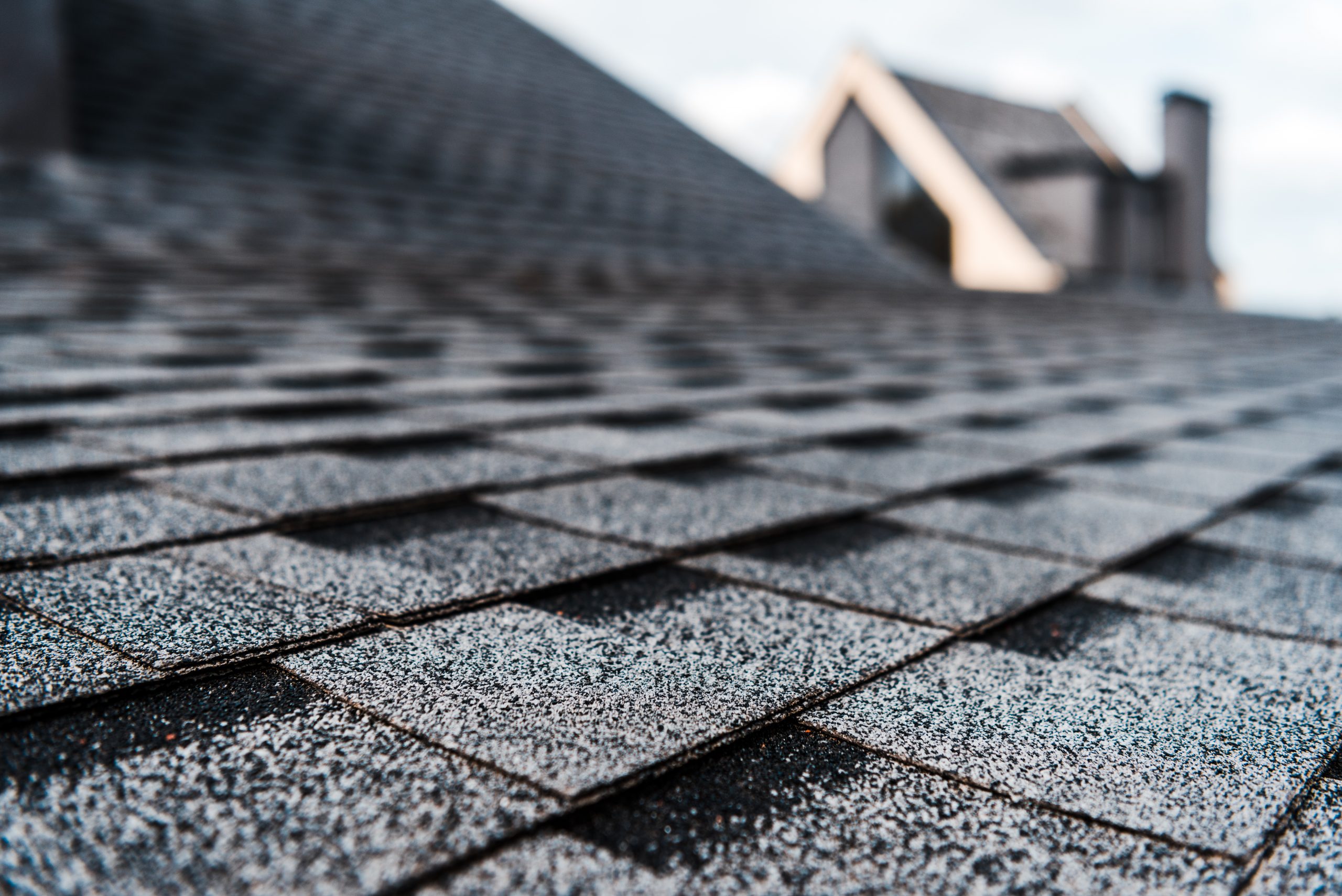
- Metal Roofing: Highly recommended for Salt Lake City due to its ability to shed snow and its fire resistance.
- TPO/EPDM Membranes: Frequently used in commercial buildings for their durability and UV resistance.
Ventilation and Insulation Upgrades
A roof is part of a larger building system. Proper ventilation prevents attic heat buildup in the summer and condensation in the winter. A professional contractor will evaluate your soffit and ridge vents to ensure the roof "breathes" correctly, which is vital for preventing premature material failure.
Comparing Roofing Service Options
| Service Type | Primary Focus | Best For |
|---|---|---|
| New Construction | Structural integrity, code compliance | New homes or additions |
| Roof Replacement | Removal of old layers, deck repair | Roofs >20 years old or with major failure |
| Emergency Repair | Leak mitigation, tarping, debris clearing | Storm damage or sudden structural breaches |
| Maintenance | Cleaning, inspection, minor sealing | Extending the life of a mid-life roof |
Identifying Quality: What to Look For in a Contractor
When evaluating a prospective roofing contractor, look for indicators of professionalism and regional expertise.
- Local References: Ask for addresses of projects completed in the Salt Lake City area within the last two years. This allows you to observe the long-term performance of their work in the local climate.
- Clear Warranty Terms: A professional will provide two distinct warranties: one from the manufacturer of the roofing materials and a workmanship warranty provided by the contractor. Ensure both are documented in writing.
- Detailed Estimates: A formal proposal should include the scope of work, material specifications, the estimated timeline, payment schedules, and a clear process for handling "change orders" if hidden damage (such as rotten decking) is discovered during the project.
- Safety Compliance: Ask how they manage site safety. A reputable contractor will have a plan for debris containment, protection of landscaping, and safety protocols for their workers while on the roof.
Common Roofing Challenges in the Wasatch Front
Salt Lake City residents face specific challenges that often necessitate the expertise of a professional:
- Ice Damming: When heat escapes through an poorly insulated roof deck, it melts snow, which then refreezes at the eaves. This creates a dam that pushes water back under the shingles. Professional contractors address this by improving attic insulation and sealing roof penetrations.
- Seismic Considerations: Utah is in a seismically active zone. Roofing materials must be properly fastened to meet structural requirements for lateral force resistance, ensuring that the roof assembly remains intact during seismic events.
- High Altitude UV Exposure: The high elevation of the Wasatch Front results in stronger UV radiation. This accelerates the degradation of asphalt shingles. Contractors often recommend high-quality materials with specialized coatings to slow this process.
Frequently Asked Questions
How do I know if I need a full roof replacement or just a repair? A professional contractor makes this determination by evaluating the remaining life expectancy of the roofing material, the extent of underlying water damage, and the presence of structural issues. Generally, if the damage is localized to a small area and the surrounding shingles are in good condition, a repair is sufficient. If the deck is sagging or damage is widespread, replacement is usually necessary.
How long does a typical roof installation take in Salt Lake City? For an average-sized residential home, a roof replacement usually takes 2 to 4 days, depending on weather conditions. Factors such as roof complexity (steep pitch, number of dormers) and the condition of the underlying deck can extend this timeframe.
Do I need a building permit for roofing work in Salt Lake City? Yes. Salt Lake City Corporation requires permits for most roofing work, especially if the project involves structural changes or replacing a significant percentage of the roof. Your contractor should handle the permit application and ensure the work passes city inspections.
What is the best roofing material for snowy winters? Metal roofing is widely considered the most effective for snowy climates because its smooth surface allows snow to shed easily, preventing accumulation. If you prefer shingles, high-grade architectural shingles with proper underlayment are the standard.
What should be included in a roofing contract? A solid contract must include the start and end dates, a complete list of materials (brand, color, and type), the scope of work (including flashing and underlayment), warranty details, cleanup procedures, and total cost with payment milestones.
Next Steps for Property Owners
If you suspect your roof requires attention, the most prudent first step is to schedule a professional inspection with a licensed contractor. Avoid the temptation to climb onto the roof yourself, as steep pitches and aged materials pose a significant safety risk. Focus on gathering at least three written estimates from licensed companies, and ensure that each proposal accounts for all aspects of the job, including permit fees and debris removal. By prioritizing licensed, local professionals, you ensure that your investment is protected against the unique demands of the Salt Lake City environment.
Image Gallery