Why the Best Indian Jewelry Designers Matter in the Global Luxury Landscape
The best Indian jewelry designers matter because they serve as the vital bridge between 5,000 years of artisanal heritage and the modern global luxury market. By professionalizing traditional craftsmanship, ensuring material integrity...
The best Indian jewelry designers matter because they serve as the vital bridge between 5,000 years of artisanal heritage and the modern global luxury market. By professionalizing traditional craftsmanship, ensuring material integrity through rigorous certification, and innovating wearable designs, these designers preserve endangered metallurgical techniques while positioning Indian jewelry as a sophisticated, high-yield investment asset for international collectors.
Contents
The Preservation of Intangible Cultural Heritage
At the core of why elite Indian jewelry designers matter is their role as custodians of "intangible heritage." India possesses jewelry-making techniques that exist nowhere else in the world in their highly evolved state. However, without a commercial platform and a design visionary, many of these techniques would have vanished under the pressure of mass-produced, machine-made alternatives.
The Revival of Kundan and Jadau
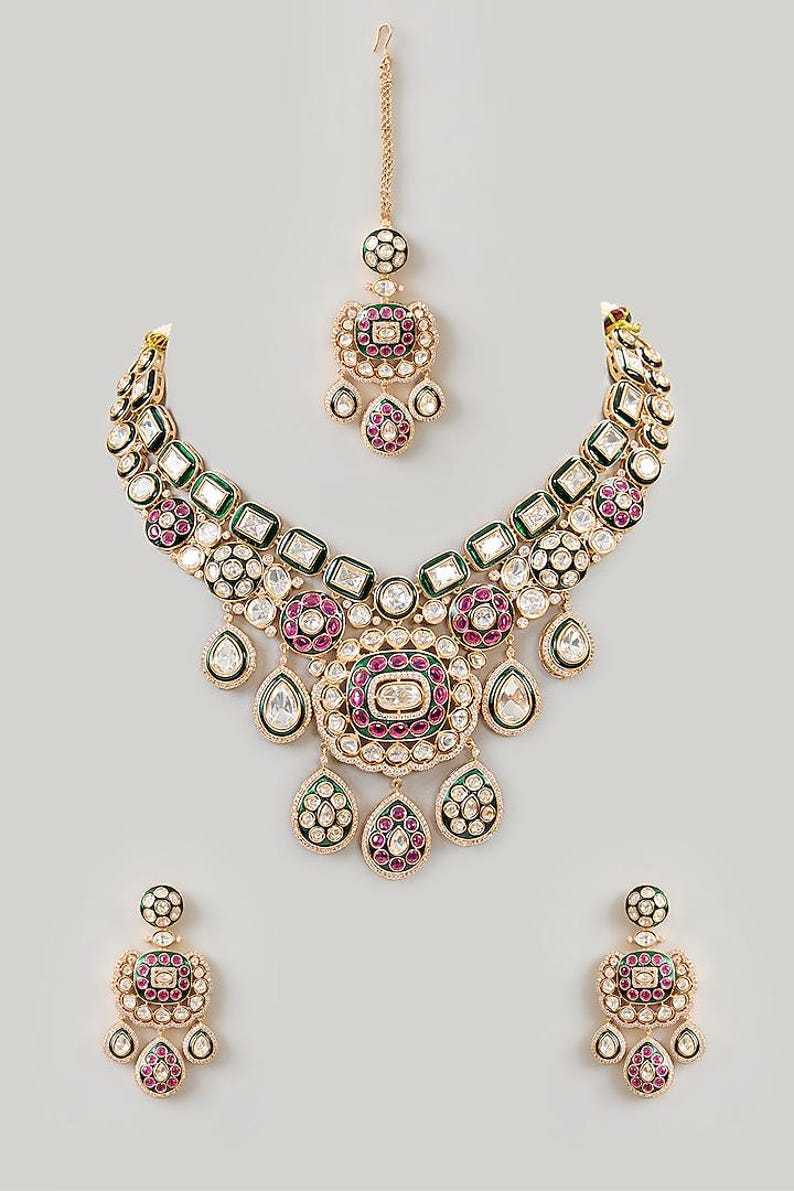
Designers like the late Sanjay Kasliwal of The Gem Palace or Sabyasachi Mukherjee have been instrumental in revitalizing Jadau—the ancient art of stone setting without prongs. This involves Kundan, or highly refined 24-karat gold foil, which is used to grip gemstones. The best designers matter because they demand a level of purity and precision that challenges the Karigars (artisans) to maintain historical standards. In 2026, this preservation is not merely nostalgic; it is a rejection of the "disposable luxury" trend, offering consumers pieces that are structurally designed to last for centuries.
Meenakari and the Chemistry of Color
Meenakari, or vitreous enameling, is another technical field where top designers excel. It requires a profound understanding of mineral oxides and firing temperatures. While commercial pieces often use cold-paint resins that peel over time, premier designers employ master enamelers who use traditional heat-fused glass. This distinction is critical for the "Why it matters" argument: top designers ensure that the chemistry of the jewelry remains authentic, ensuring that the vibrant colors do not fade, thereby protecting the buyer's long-term capital.
Economic Impact and the Global Supply Chain
The best Indian jewelry designers are significant because they influence a massive sector of the Indian economy. As of 2026, India remains one of the world's largest exporters of gems and jewelry. High-end designers provide the "aspirational ceiling" for this industry, setting trends that trickle down to smaller manufacturers and maintaining high standards for the entire ecosystem.
Elevating the Artisan Ecosystem
Top-tier designers do not just hire labor; they sustain entire communities of specialized craftsmen. By placing Indian jewelry on global runways and in international auction houses like Christie’s or Sotheby’s, designers like Viren Bhagat—often cited as the "JAR of India"—increase the global valuation of Indian labor. This elevation transforms the Karigar from a back-end laborer into a recognized artist, ensuring that the next generation of craftsmen sees a viable professional future in traditional arts.
Ethical Sourcing and Transparency
In the 2026 luxury market, traceability is a non-negotiable requirement. Leading Indian designers matter because they have pioneered the shift toward ethical sourcing in a historically opaque industry. By partnering with organizations like the Responsible Jewellery Council (RJC), they ensure that the gold, diamonds, and colored gemstones used in their collections are conflict-free. This commitment to transparency helps rehabilitate the image of the Indian jewelry industry on the global stage.
Engineering Innovation and Modern Wearability
Historically, traditional Indian jewelry was criticized for being heavy, rigid, and difficult to wear with Western attire. The best modern designers have solved this engineering problem, making Indian jewelry relevant to a global, cosmopolitan audience.
The Science of "Lightweight" High Jewelry
Designers such as Anita Dongre and the house of Amrapali have invested heavily in R&D to create "bridge jewelry" and lightweight high-fashion pieces. By using hollow-core gold techniques or incorporating alternative materials like titanium and ceramic with traditional gold work, they have reduced the physical burden of the jewelry without sacrificing its visual impact. This makes the jewelry "matter" to a younger demographic that values comfort and versatility.
Modular and Multi-functional Design
A significant innovation by top designers is the creation of modular jewelry. A heavy Haar (necklace) might be engineered to break down into a smaller choker, two bracelets, and a brooch. This technical ingenuity increases the "utility value" of the jewelry, allowing a single high-investment piece to serve multiple functions in a modern wardrobe.
Comparing the Pillars of Indian Jewelry Design
To understand why specific designers matter, one must look at how they categorize their contributions to the field.
| Designer/House | Primary Technique | Market Significance | Key Contribution |
|---|---|---|---|
| Viren Bhagat | Micro-pavé & Flat Diamonds | Ultra-High Net Worth | Blending Mughal motifs with Art Deco minimalism. |
| Sabyasachi | Fine Heritage Craft | Global Branding | Bringing the "maximalist" Indian aesthetic to the global mainstream. |
| The Gem Palace | Traditional Jadau | Historical Preservation | Maintaining the jewelry legacy of the Rajput royalty. |
| Tanishq (Zoya) | Modern Casting/Fusion | Corporate Standards | Implementing strict hallmarking and diamond grading in luxury. |
| Amrapali | Tribal & Silver-Gilt | Accessibility | Globalizing Indian tribal motifs through high-fashion collaborations. |
Investment Value and Material Security
In 2026, jewelry is increasingly viewed as a "portable asset." The best Indian designers matter because they provide the certification and provenance necessary for jewelry to function as a financial hedge.
The Role of Hallmarking and Certification
Designers at the top of the pyramid adhere to the strictest standards of the Bureau of Indian Standards (BIS) for gold hallmarking. Furthermore, they ensure that every diamond is graded by the Gemological Institute of America (GIA) or the International Gemological Institute (IGI). When a designer's name is attached to a piece, it carries a "brand premium" that often appreciates over time, similar to a signed piece of fine art.
The Appreciation of Rare Colored Gemstones
Indian designers have a historical affinity for emeralds, rubies, and sapphires—particularly those from specific mines (e.g., Zambian emeralds or Burmese rubies). By sourcing these rare stones and setting them in unique, designer-stamped mounts, they create pieces that often outperform traditional stock market indices in terms of long-term value retention.
Why Branding Matters in the 2026 Market
For decades, Indian jewelry was sold as "commodity gold" based on weight. The best designers have changed this paradigm, shifting the focus from the price of gold per gram to the value of "design equity."
- Global Recognition: When a Hollywood or Bollywood celebrity wears a specific Indian designer on the red carpet, it validates the brand's global standing, increasing the resale value of all pieces from that designer.
- Standardized Pricing: Top designers have moved the industry toward transparent, fixed pricing models, which reduces the friction and uncertainty often associated with buying jewelry in traditional markets.
- Intellectual Property: By patenting designs and motifs, these creators protect the "Indian aesthetic" from being genericized or plagiarized by mass-market fast-fashion brands.
Challenges and Troubleshooting the Selection Process
While the best designers offer immense value, navigating the world of high-end Indian jewelry requires a technical eye.
- Verifying Provenance: Always ensure that a designer piece comes with an original invoice and a certificate of authenticity signed by the house. In 2026, many top designers use blockchain-based digital certificates to prevent counterfeiting.
- Understanding "Polki" vs. "Kundan": A common mistake is using these terms interchangeably. Polki refers to raw, uncut diamonds, while Kundan refers to the gold foil setting. The best designers will be transparent about the quality of the "Polki"—higher quality stones will be clearer and have less "darkness" or inclusions.
- Maintenance of Enamel: High-quality Meenakari is durable but brittle. It can chip if dropped on hard surfaces. Leading designers usually offer lifetime restoration services for their pieces, which is a major reason why their brand matters over an unbranded alternative.
Frequently Asked Questions
Is designer Indian jewelry a better investment than plain gold bullion?
While bullion tracks the market price of gold exactly, designer jewelry offers "dual appreciation." You benefit from the rising price of gold and gemstones, plus the brand's "design premium." Over decades, signed pieces from elite designers often fetch prices at auction that far exceed their weight in gold.
How can I verify the authenticity of an Indian designer piece?
Most top-tier designers in 2026 include laser-inscribed logos or unique serial numbers on the back of the jewelry. You should also cross-reference the hallmark with the BIS mobile app (in India) or verify the diamond's report number on the GIA website.
Why is 22k gold preferred by Indian designers over 18k?
Traditional Indian techniques like Kundan require the malleability of 22k or 24k gold to create the intricate "wraps" around the gemstones. While 18k is stronger and often used for modern diamond settings, 22k gold is essential for the authentic "yellow" glow and the structural requirements of heritage Indian craftsmanship.
Does the "Red Carpet" fame of a designer actually affect the value of their jewelry?
Yes. Much like the fine art market, the "provenance" and "celebrity association" of a designer increase their brand equity. This makes the jewelry more liquid in the secondary market (resale), as there is higher global demand for recognized names like Sabyasachi or Bhagat.
Are modern Indian jewelry designs suitable for everyday wear?
Historically, Indian jewelry was reserved for weddings. However, the best designers today create "pret-a-porter" (ready-to-wear) collections that use lighter alloys and simpler motifs, specifically designed for professional and casual environments without sacrificing the "Indian" soul of the piece.
Final Recommendation for Collectors
If you are looking to acquire Indian jewelry, prioritize designers who offer a clear fusion of certified material quality and a signature aesthetic. In 2026, the best investment remains "signed heritage pieces"—items that use traditional techniques like Jadau or Meenakari but carry a modern designer’s hallmark. Before purchasing, always request GIA reports for any diamonds over 0.30 carats and ensure the gold purity is hallmarked. By choosing a top-tier designer, you are not just buying an ornament; you are acquiring a piece of engineered art that preserves a legacy and holds its value through shifting economic tides.
Image Gallery