How to Identify and Handle an AIG Life Insurance Spam Letter
If you receive an unsolicited AIG life insurance letter, it is typically either a legitimate notification regarding a policy transition to Corebridge Financial, a marketing solicitation from an independent agent, or a fraudulent phishi...
If you receive an unsolicited AIG life insurance letter, it is typically either a legitimate notification regarding a policy transition to Corebridge Financial, a marketing solicitation from an independent agent, or a fraudulent phishing attempt. To resolve this, verify the sender’s identity through official Corebridge Financial channels or the National Association of Insurance Commissioners (NAIC) before sharing any personal data or making payments.
Contents
The appearance of mail or email labeled "AIG Life Insurance" often triggers immediate suspicion, especially for those who do not recall purchasing a policy. In 2026, the landscape of these communications is further complicated by corporate restructuring and the rise of sophisticated insurance-themed scams. Understanding the difference between a bureaucratic notification and a predatory scam is essential for protecting your financial identity.
The Evolution of AIG Life Insurance and Corebridge Financial
To understand why you are receiving mail from "AIG" in 2026, it is necessary to look at the corporate history. AIG (American International Group) underwent a massive transformation of its life and retirement business. This segment was rebranded as Corebridge Financial. While the rebranding process began years ago, millions of legacy policies still exist in systems that may trigger automated mailings using old branding or transition-related language.
Many "spam" letters are actually legally mandated notices. Under state "Unclaimed Property" laws, insurance companies are required to make a concerted effort to contact policyholders or beneficiaries if a policy has been inactive or if a death benefit has not been claimed. If you are receiving these letters, it may be because you are listed as a beneficiary on an old policy you were unaware of, or a policy you owned years ago has reached a specific milestone.
However, because the AIG name remains globally recognized, it is a primary target for "brand-spoofing." Scammers leverage the trust associated with the name to solicit Social Security numbers, bank details, or "processing fees" for non-existent payouts.
Distinguishing Between Legitimate Mail and Fraudulent Scams
Identifying a legitimate piece of mail from a scam requires a technical eye for detail. Scammers have become adept at mimicking corporate logos, but they often fail at replicating the specific regulatory disclosures required by law.
Characteristics of Legitimate Corebridge/AIG Correspondence
Legitimate mail regarding an AIG life insurance policy will typically contain several "markers of authenticity" that are difficult for scammers to fake accurately:
- Specific Policy Numbers: Real letters usually reference at least a partial policy number that corresponds to internal records.
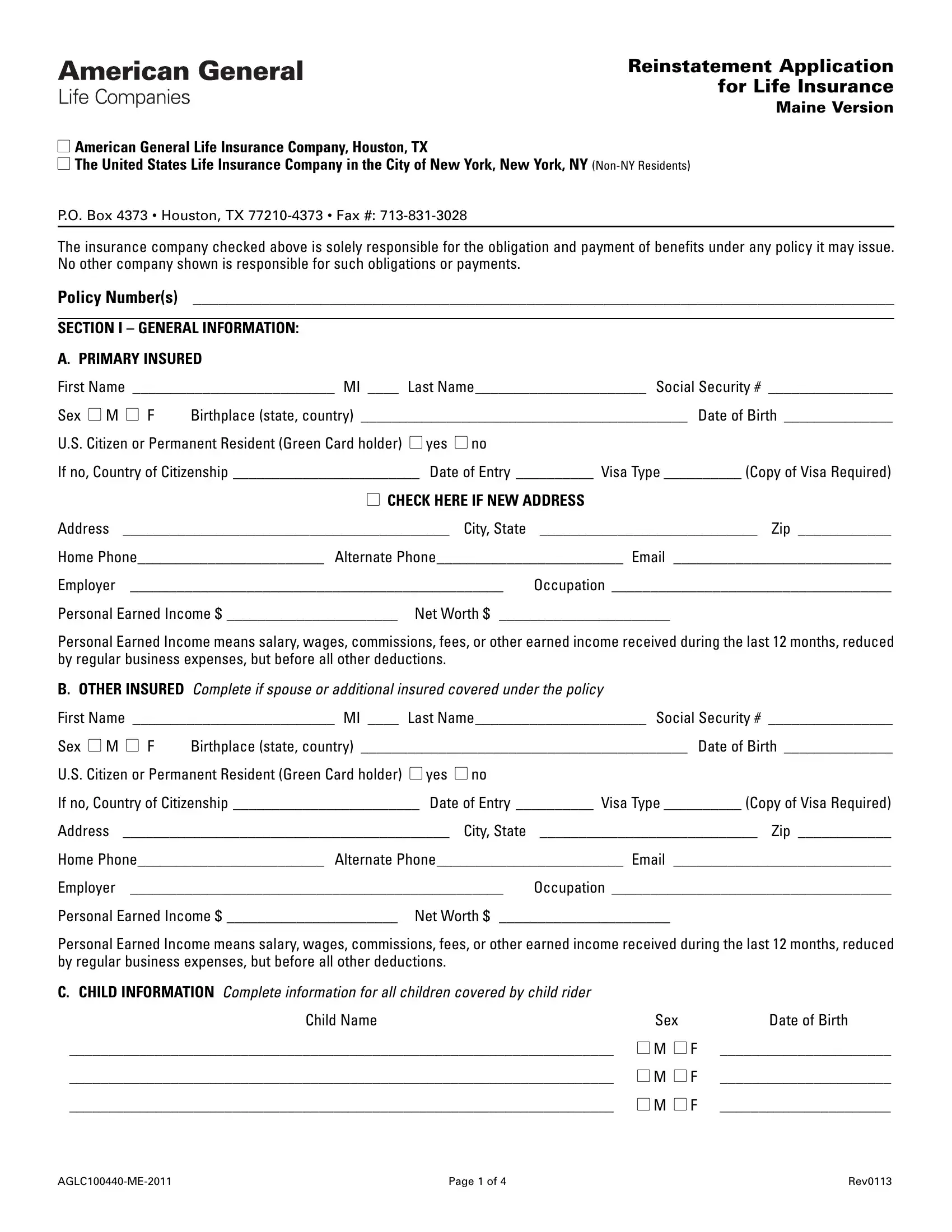
- Regulatory Disclosures: In the United States, insurance mailers must often include specific state-mandated disclosures or the name of the specific underwriting company (e.g., American General Life Insurance Company or The United States Life Insurance Company in the City of New York).
- Return Addresses: Legitimate mail will usually originate from known corporate hubs, such as Houston, Texas, or Neptune, New Jersey.
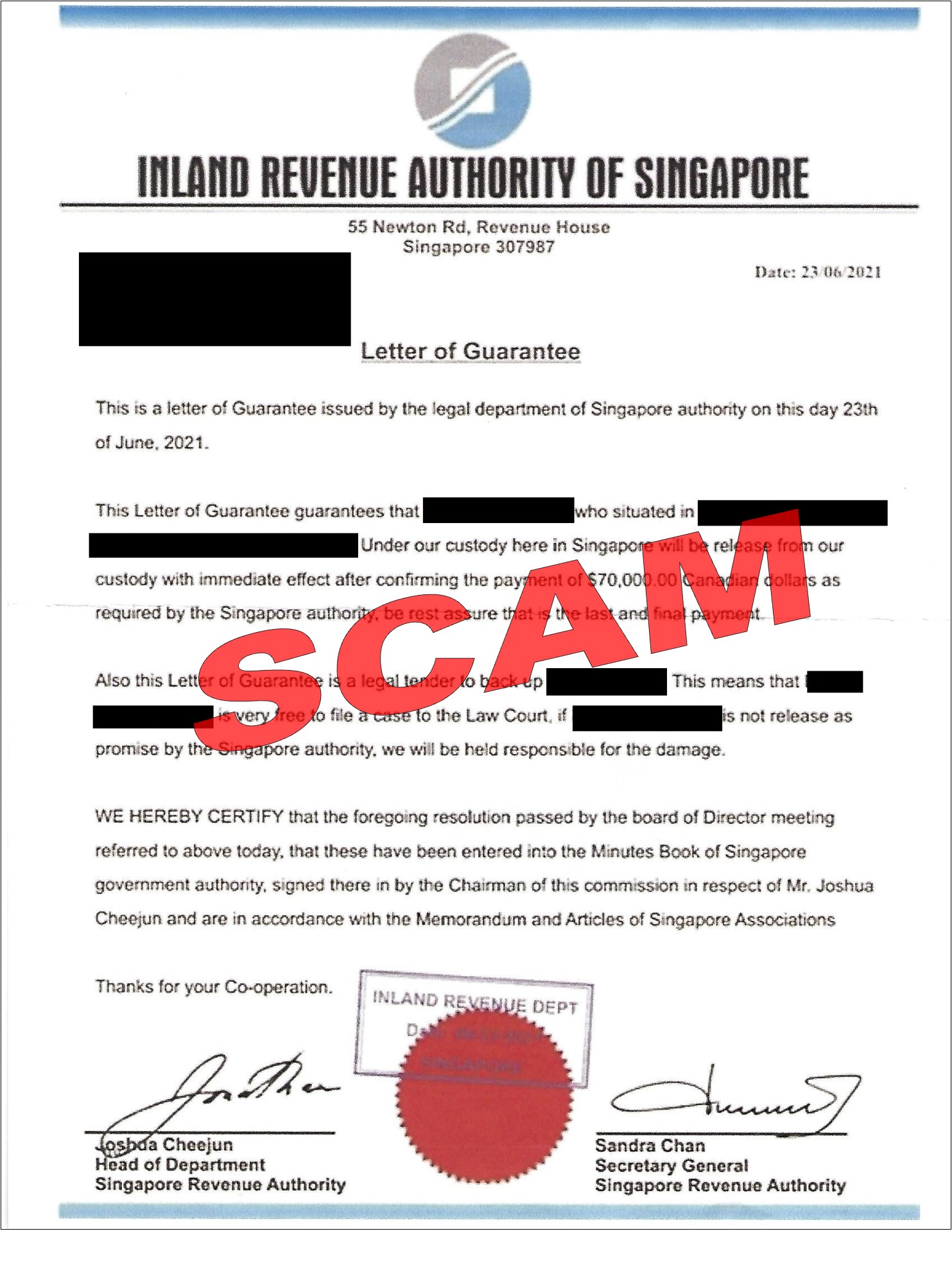
- No Immediate Payment Demands: A real insurance company will never ask you to pay a "release fee" via wire transfer, cryptocurrency, or gift cards to receive a benefit.
Red Flags of a Phishing or Spam Letter
If the letter exhibits any of the following traits, treat it as a high-risk security threat:
- Generic Salutations: Using "Dear Valued Customer" or "To the Beneficiary of [Last Name]" instead of your full name.
- High Pressure/Urgency: Claims that your "benefits will be forfeited to the government" within 24 hours if you do not respond.
- Requests for Sensitive Data via Mail-in Forms: While some legitimate forms require an SSN, be wary of letters asking for full bank passwords or PINs.
- Poor Grammar and Formatting: While some corporate mail looks "cheap," obvious spelling errors in the company name or legal headers are definitive signs of a scam.
Comparison: Legitimate vs. Fraudulent Insurance Letters
| Feature | Legitimate Correspondence | Fraudulent Spam/Scam |
|---|---|---|
| Sender Name | Corebridge Financial (formerly AIG) | "AIG Global," "Claims Department," or vague titles |
| Call-to-Action | Update contact info or review policy | Urgent payment or "Verify SSN immediately" |
| Payment Method | Standard billing or check from company | Wire transfer, Crypto, or Prepaid cards |
| Policy Details | Includes partial or full policy numbers | Vague references to "unclaimed funds" |
| Contact Info | Directs to corebridgefinancial.com | Directs to Gmail/Outlook or .xyz websites |
Why You Are Receiving These Letters (Even Without a Policy)
It is common for individuals to receive AIG-branded mail even if they have never knowingly signed a contract with them. There are three primary reasons for this:
1. Lead Generation and Marketing
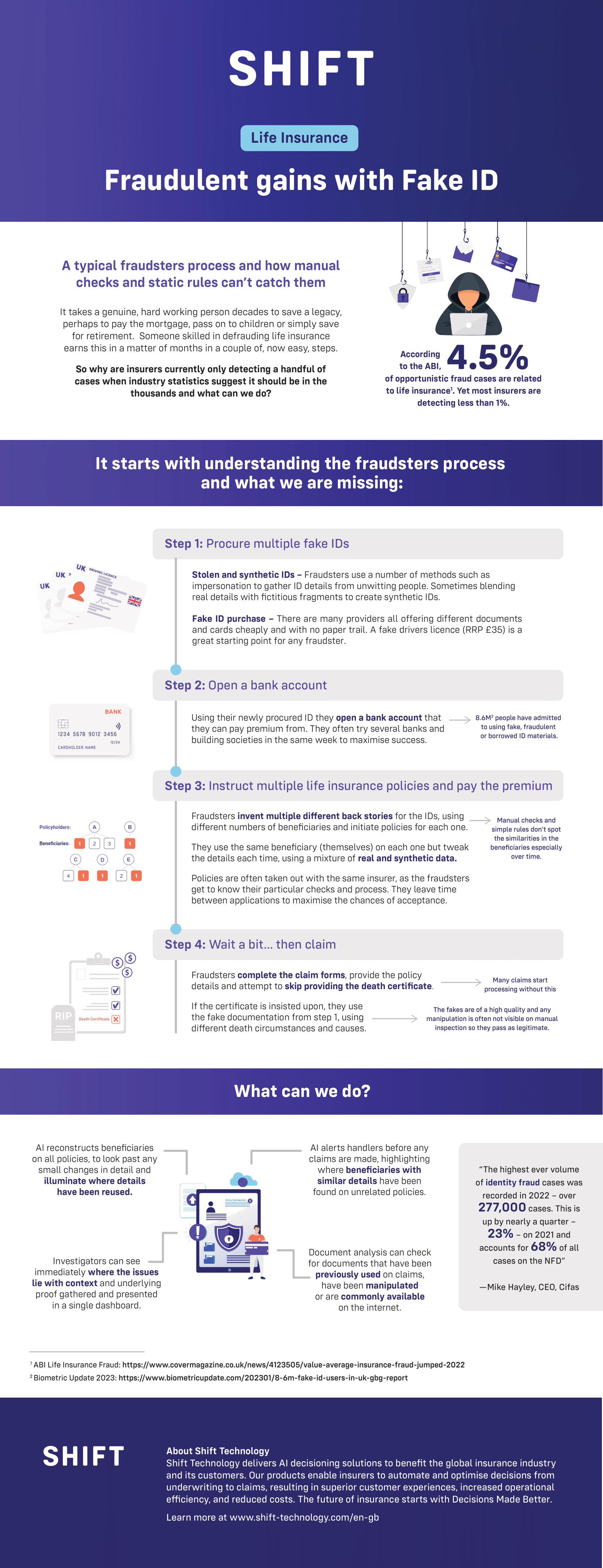
Many insurance "spam" letters are actually legitimate marketing materials from independent insurance agencies. These agents buy "leads" from data brokers. If you recently searched for "life insurance," "retirement planning," or "mortgage protection," your data may have been sold to an agent who uses AIG/Corebridge products. These letters are often designed to look like official "Final Notices" to trick you into opening them, which is a common (though controversial) marketing tactic.
2. The NAIC Life Insurance Policy Locator Search
If a relative recently passed away and someone used the National Association of Insurance Commissioners (NAIC) Life Insurance Policy Locator, insurance companies are notified to search their records. If a match is found, they will send a letter to the address on file. If you have moved or the records are old, these letters may seem like they are coming out of nowhere.
3. Data Breaches and Public Records
If your information was part of a historical data breach, scammers may use that data to craft personalized "spam" letters. They know that many people had AIG policies in the 2000s and 2010s, making it a high-probability "guess" for a successful scam.
Technical Steps to Verify a Suspicious Letter
Before you throw the letter away or, conversely, before you call the number printed on the page, follow this verification protocol to ensure your security.
Step 1: Independent Contact Verification
Never use the phone number provided in a suspicious letter. Instead, go directly to the official Corebridge Financial website and find their customer service directory. If the letter claims to be from AIG, remember that their life insurance operations are now managed under the Corebridge brand. Call the official number and ask the representative to check if there is an active file or outgoing correspondence linked to your name and Social Security number.
Step 2: Use the NAIC Locator Tool
If the letter claims you are a beneficiary of a deceased individual, do not give the sender any information. Instead, use the NAIC Life Insurance Policy Locator Service. This is a free, secure tool that allows consumers to submit a request to all participating life insurance companies to see if there are any policies in the name of a deceased loved one. If a legitimate policy exists, the company will contact you directly through official, verified channels.
Step 3: Check Your State’s Unclaimed Property Division
If the letter claims you have "unclaimed money" from an old AIG policy, go to your state treasurer's website (often found via MissingMoney.com, which is endorsed by the National Association of Unclaimed Property Administrators). If the money is real, the insurance company is required to turn it over to the state if they cannot find you. You can claim this money for free directly from the state without paying a "recovery fee" to a third party.
How to Stop Insurance Spam and Protect Your Privacy
If the letters are legitimate marketing (junk mail) rather than scams, you can take steps to reduce the volume of mail you receive.
- Opt-Out Prescreen: Visit OptOutPrescreen.com, the official consumer credit reporting industry website. This allows you to opt-out of receiving "firm offers" of insurance or credit that are based on your credit report. This is one of the most effective ways to stop legitimate but annoying insurance mail.
- DMAchoice: Register with the Data & Marketing Association’s DMAchoice.org to manage your mail preferences. This helps reduce the amount of unsolicited commercial mail sent to your home.
- Report Phishing: If the letter arrived via email, do not click any links. Report it as "Phishing" in your email client (Gmail, Outlook, etc.). If it is a physical letter that is clearly a scam, you can report it to the Federal Trade Commission (FTC) at ReportFraud.ftc.gov or to the U.S. Postal Inspection Service if it arrived via USPS.
Frequently Asked Questions
Why does the letter say AIG if the company is now Corebridge?
While the rebranding to Corebridge Financial is complete, the underlying legal entities that underwrite the policies (like American General Life Insurance Company) often still use AIG-related branding in their historical filings or on older policy templates. Furthermore, scammers continue to use the "AIG" name because it has higher brand recognition than the newer "Corebridge" name.
Can I get in trouble for ignoring a "Final Notice" life insurance letter?
If it is a marketing letter, there are no consequences for ignoring it. However, if it is a legitimate notice regarding a policy you own, ignoring it could lead to a lapse in coverage due to non-payment of premiums. Always verify the policy status through the official Corebridge portal before discarding mail labeled as a "Final Notice."
How did a scammer get my name and address for an AIG letter?
Scammers typically obtain this data from public records, such as property tax assessments or voter registration rolls, or from "leaked" databases from unrelated company breaches. They do not necessarily know you have an AIG policy; they often send thousands of letters hoping a small percentage of recipients actually have a history with the company.
Is there a fee to claim an AIG life insurance benefit?
No legitimate life insurance company will ever charge an "upfront fee," "tax," or "processing cost" to be paid by the beneficiary before releasing a death benefit. Any taxes owed on interest earned are handled between the beneficiary and the IRS, not paid directly to the insurance company via a letter request.
What should I do if I already gave my information to a suspicious sender?
If you provided sensitive information like your Social Security number or bank details, you should immediately place a fraud alert on your credit reports with Equifax, Experian, and TransUnion. If you provided bank details, contact your financial institution to freeze your accounts and issue new account numbers.
Summary of Action Items
If you are staring at a suspicious "AIG" letter in 2026, your first priority is non-engagement with the contact details provided in the document. Follow these three steps:
- Verify the company status by recognizing that AIG Life Insurance is now Corebridge Financial.
- Validate any claims of "unclaimed money" through official state treasury websites rather than through the letter's return address.
- Report fraudulent mail to the FTC or the U.S. Postal Inspection Service to help authorities track down the origin of the scam.
Image Gallery