The Statue of Liberty Significance Revealed: A Comprehensive Guide to its History and Symbolism
The Statue of Liberty serves as a global beacon of freedom, democracy, and international friendship. Originally titled "Liberty Enlightening the World," its significance encompasses the abolition of slavery, the enduring alliance betwe...
The Statue of Liberty serves as a global beacon of freedom, democracy, and international friendship. Originally titled "Liberty Enlightening the World," its significance encompasses the abolition of slavery, the enduring alliance between France and the United States, and the nation’s identity as a sanctuary for immigrants seeking a new life.
Contents
Standing tall in New York Harbor, the Statue of Liberty is more than a monumental feat of 19th-century engineering; it is a layered manuscript of political and social history. While many view it simply as a greeting to newcomers, its origins are deeply rooted in the end of the American Civil War and the global pursuit of liberty. By 2026, as we reflect on nearly a century and a half of its presence, the depth of its symbolism remains a vital subject for historians and visitors alike.
The Abolitionist Roots: A Significance Often Overlooked
One of the most profound aspects of the Statue of Liberty’s significance revealed in recent historical scholarship is its direct connection to the abolition of slavery. The initial concept was proposed by Édouard de Laboulaye, a French political thinker and president of the French Anti-Slavery Society, around 1865.
Laboulaye was a staunch supporter of the Union during the American Civil War. He viewed the Northern victory and the subsequent passage of the 13th Amendment as a triumph for global liberty. For Laboulaye, the statue was not just a gift to America, but a celebration of the "rebirth" of a nation that had finally aligned its reality with its founding principle that all men are created equal.
The Symbol of the Broken Shackles
While the torch and crown are the most visible features, the most potent symbol of abolition lies at the statue’s feet. Lady Liberty stands among broken shackles and chains, with her right foot raised, depicting her moving forward away from the bondage of oppression. This detail is often difficult to see from the ground or the pedestal, but it represents the core of Bartholdi’s original design intent: the emancipation of enslaved people and the forward march of freedom.
Architectural Genius: The Collaboration of Bartholdi and Eiffel
The physical significance of the monument is found in its revolutionary construction. Frédéric Auguste Bartholdi, the sculptor, collaborated with Alexandre Gustave Eiffel—the man who would later build the Eiffel Tower—to create a structure that could withstand the high winds of New York Harbor.
The Copper Envelope
The statue’s "skin" is made of copper, roughly the thickness of two pennies (about 3/32 of an inch). Bartholdi used a technique called repoussé, where large sheets of copper were hammered into wooden molds. This allowed the statue to be lightweight yet visually massive.
The Internal Skeleton
Eiffel’s contribution was a massive iron pylon and a flexible secondary framework. This internal skeleton allows the copper skin to "float" and move independently, which is essential for handling thermal expansion and the lateral pressure of Atlantic winds. As of 2026, this engineering remains a primary study point for restoration experts maintaining the monument’s integrity against the backdrop of changing climate patterns.
Decoding the Visual Symbols
To understand the full significance of the Statue of Liberty, one must analyze the specific icons integrated into Lady Liberty’s form. Each element was chosen with deliberate intellectual intent.
The Torch and the Golden Flame
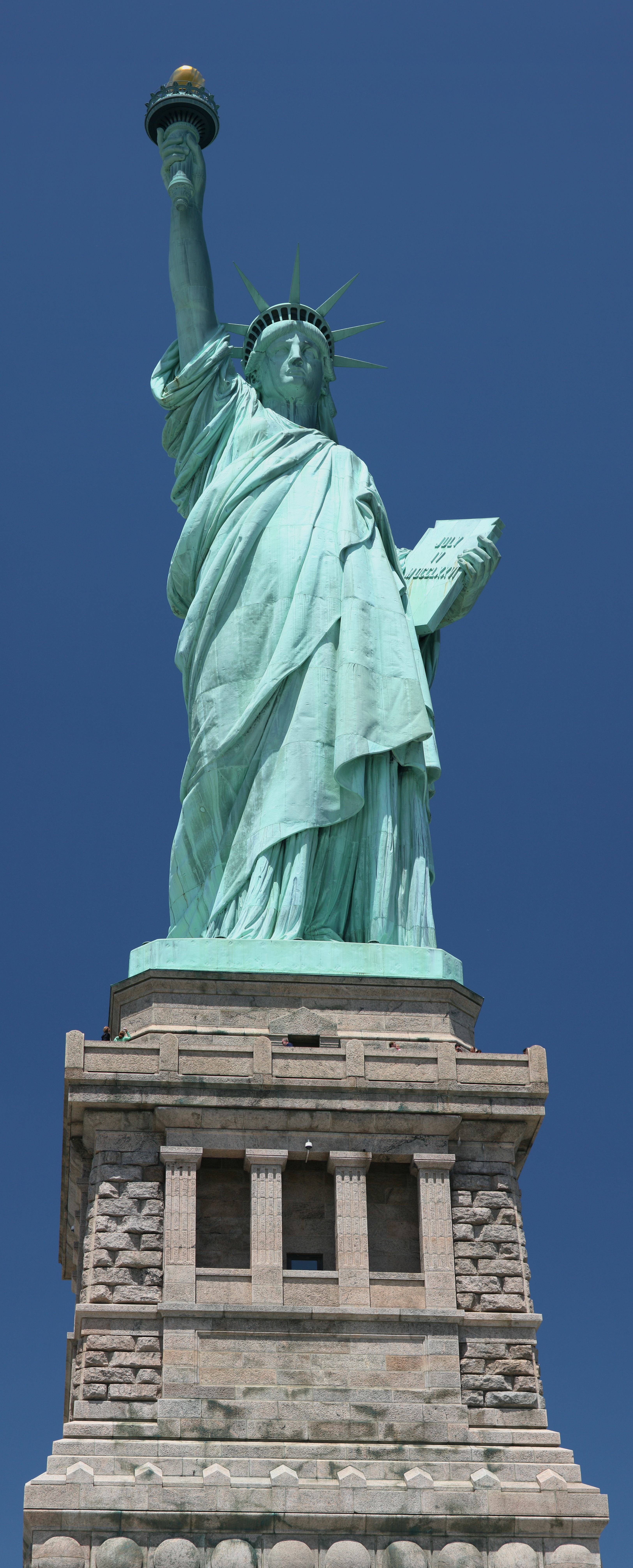
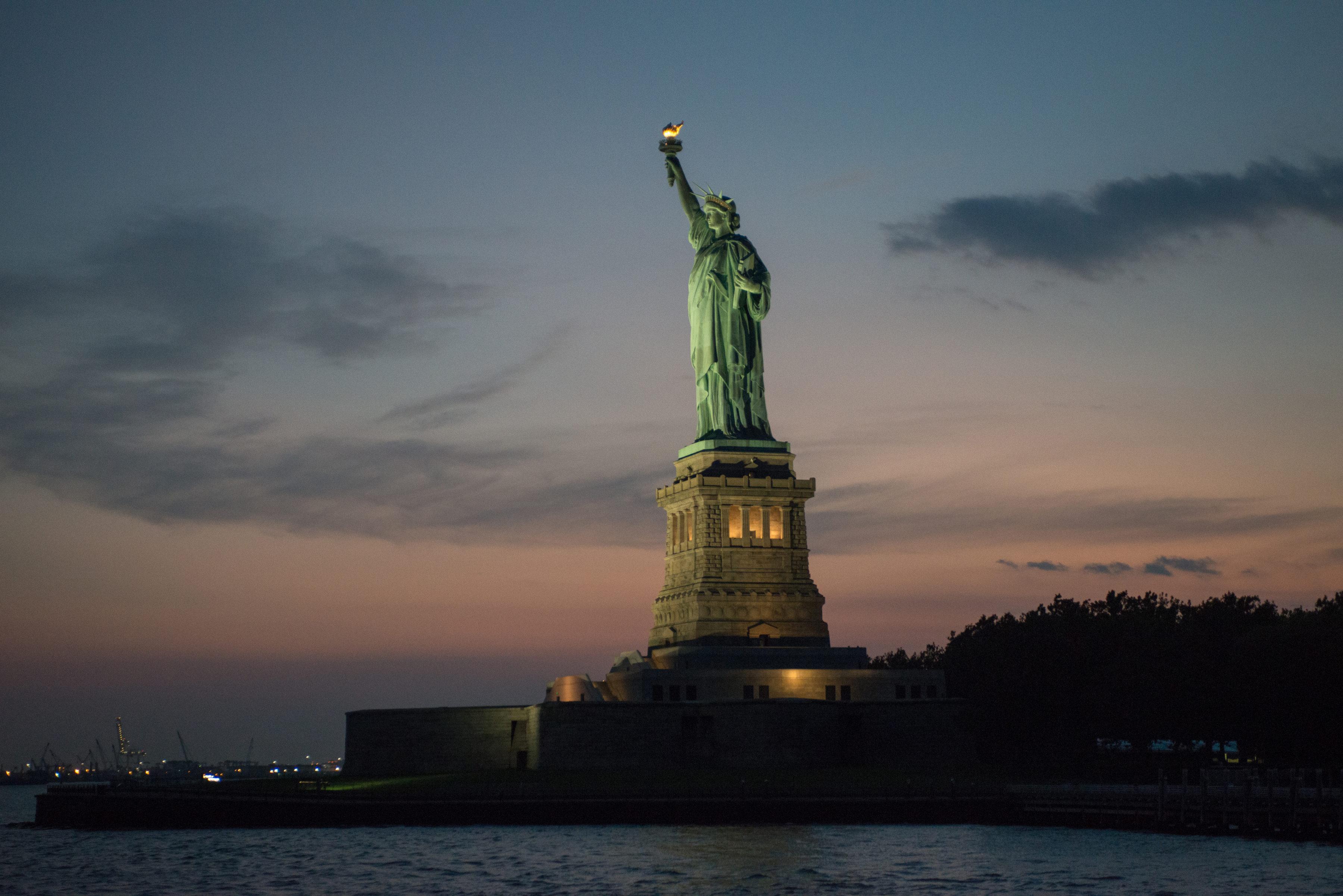
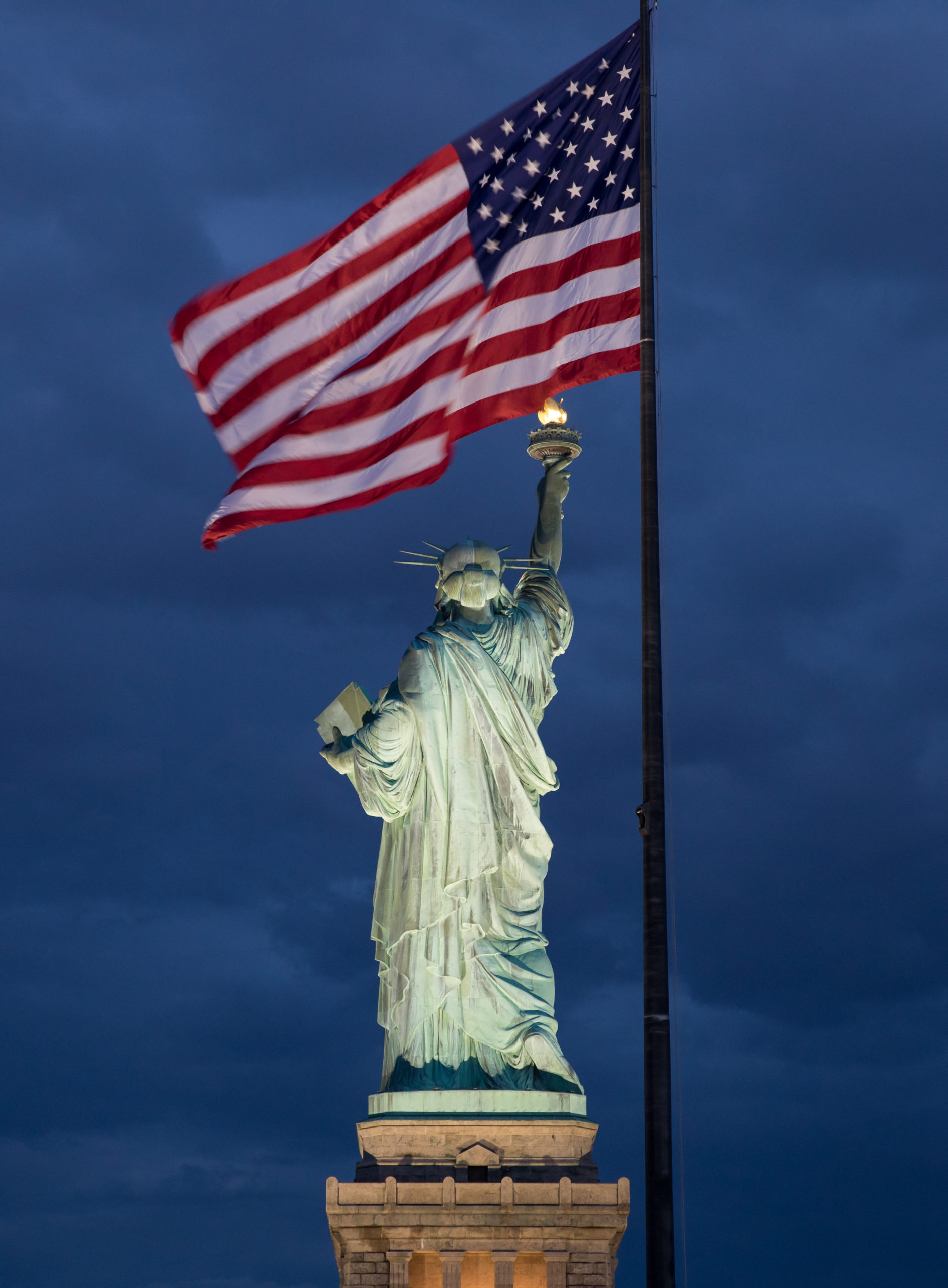
The torch represents Enlightenment. It signifies the path to liberty, illuminating the world and dispelling the darkness of ignorance and tyranny. The current flame is a 1986 replacement, covered in 24k gold leaf, which reflects sunlight during the day and is illuminated by floodlights at night. The original torch is now housed in the Statue of Liberty Museum on Liberty Island.
The Seven-Rayed Crown
The crown features seven rays, which symbolize the seven seas and the seven continents of the world. This reinforces the universal message of the monument: that liberty is a global concept not confined to a single nation or hemisphere.
The Tablet of Law
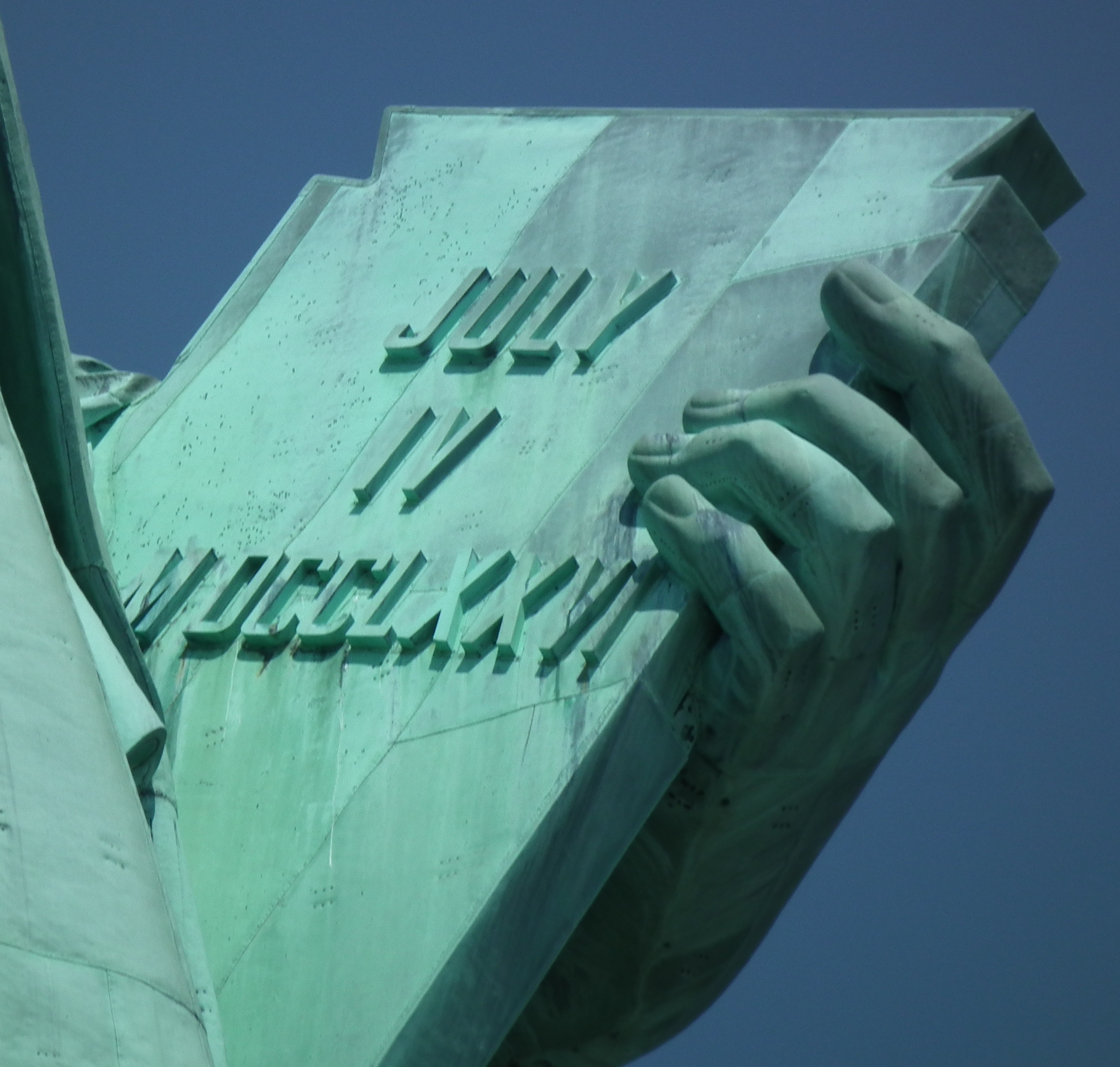
In her left hand, Lady Liberty holds a tablet (tabula ansata), which evokes the concept of the Rule of Law. It is inscribed with the date "JULY IV MDCCLXXVI" (July 4, 1776) in Roman numerals. This connects the abstract concept of liberty to the specific legal and historical founding of the United States through the Declaration of Independence.
| Component | Symbolic Meaning | Physical Detail |
|---|---|---|
| Torch | Enlightenment and Progress | Replaced in 1986 with 24k gold leaf |
| Crown Rays | Seven Continents and Seven Seas | Each ray is 9 feet long |
| Broken Chains | Abolition of Slavery / Freedom from Bondage | Located at the feet, mostly hidden from view |
| Tablet | The Rule of Law / Declaration of Independence | Inscribed with July 4, 1776 |
| Copper Skin | Endurance and Natural Evolution | Naturally oxidized from brown to green |
| Face | Modeled after Bartholdi's mother, Charlotte | Measures 8 feet tall |
The Transformation: From Diplomatic Gift to "The New Colossus"
The significance of the Statue of Liberty evolved significantly in the late 19th and early 20th centuries. Originally, it was a symbol of republicanism and the Franco-American alliance. However, the mass migration of Europeans through nearby Ellis Island transformed the statue into a "Mother of Exiles."
Emma Lazarus and the Poem
In 1883, Emma Lazarus wrote the sonnet "The New Colossus" to raise funds for the statue's pedestal. The poem famously includes the lines: "Give me your tired, your poor, Your huddled masses yearning to breathe free."
This poem gave the statue a voice and a new mission. It shifted the narrative from a celebration of past American achievements to a promise of future American opportunity. By the time the statue was dedicated in 1886, and certainly by the peak of immigration in 1907, Lady Liberty had become the definitive symbol of hope for those fleeing persecution and poverty.
Visiting the Monument in 2026: Practical Guidance
For those seeking to experience the significance of the statue firsthand in 2026, understanding the current operational landscape is essential. The National Park Service (NPS) manages Liberty Island and maintains strict security and reservation protocols.
Access and Reservations
There are three main levels of access:
- Grounds Only: Allows you to walk the perimeter of Liberty Island and visit the Statue of Liberty Museum.
- Pedestal Access: Requires an advanced reservation and includes access to the top of the stone pedestal designed by Richard Morris Hunt.
- Crown Access: The most restricted tier. Only a limited number of tickets are issued daily. Visitors must climb 162 narrow stairs from the top of the pedestal to the crown. There is no elevator access to the crown.
Logistics and Security
All visitors must board a ferry operated by Statue City Cruises from either Battery Park (New York) or Liberty State Park (New Jersey). Airport-grade security screenings are mandatory before boarding. It is highly recommended to book tickets at least 3-4 months in advance, especially for crown access, as these sell out rapidly.
Technical Specifications and Dimensions
For researchers and enthusiasts, the physical scale of the monument underscores its historical weight.
- Total height (ground to torch): 305 feet, 1 inch (92.99 meters).
- Height of the statue alone: 151 feet, 1 inch (46 meters).
- Weight of copper: 62,000 pounds (31 tons).
- Weight of steel framework: 250,000 pounds (125 tons).
- Weight of concrete foundation: 54 million pounds.
The green color, or patina, is a result of natural oxidation. By around 1906, the original "penny-brown" copper had completely turned green. While the War Department initially considered painting the statue, the public and the architectural community successfully argued that the patina acted as a protective layer, preventing further corrosion.
Frequently Asked Questions
Why is the Statue of Liberty green?
The statue is made of copper, which naturally reacts with oxygen and moisture in the air. This chemical reaction, known as oxidation, creates a layer of copper carbonate called a patina. This green layer actually protects the underlying metal from further weathering and decay, ensuring the monument's longevity.
Can you go inside the torch?
No, the torch has been closed to the public since July 30, 1916. Following the "Black Tom" explosion—an act of sabotage by German agents during World War I—the torch was damaged, and for safety and security reasons, it has remained off-limits to visitors ever since.
What is the significance of the statue’s orientation?
The statue faces Southeast. This orientation was chosen so that the statue would face incoming ships entering New York Harbor from the Atlantic Ocean, acting as a welcoming figure to visitors and returning citizens. It also symbolically faces toward France, honoring the nation that gifted the monument.
Who paid for the Statue of Liberty?
The funding was a dual effort. The French people funded the statue itself through public donations, lotteries, and entertainment events. The American people were responsible for funding the pedestal. When fundraising stalled in the U.S., Joseph Pulitzer used his newspaper, The World, to launch a massive crowdfunding campaign, encouraging small donations from everyday citizens to complete the project.
Is the Statue of Liberty on an island?
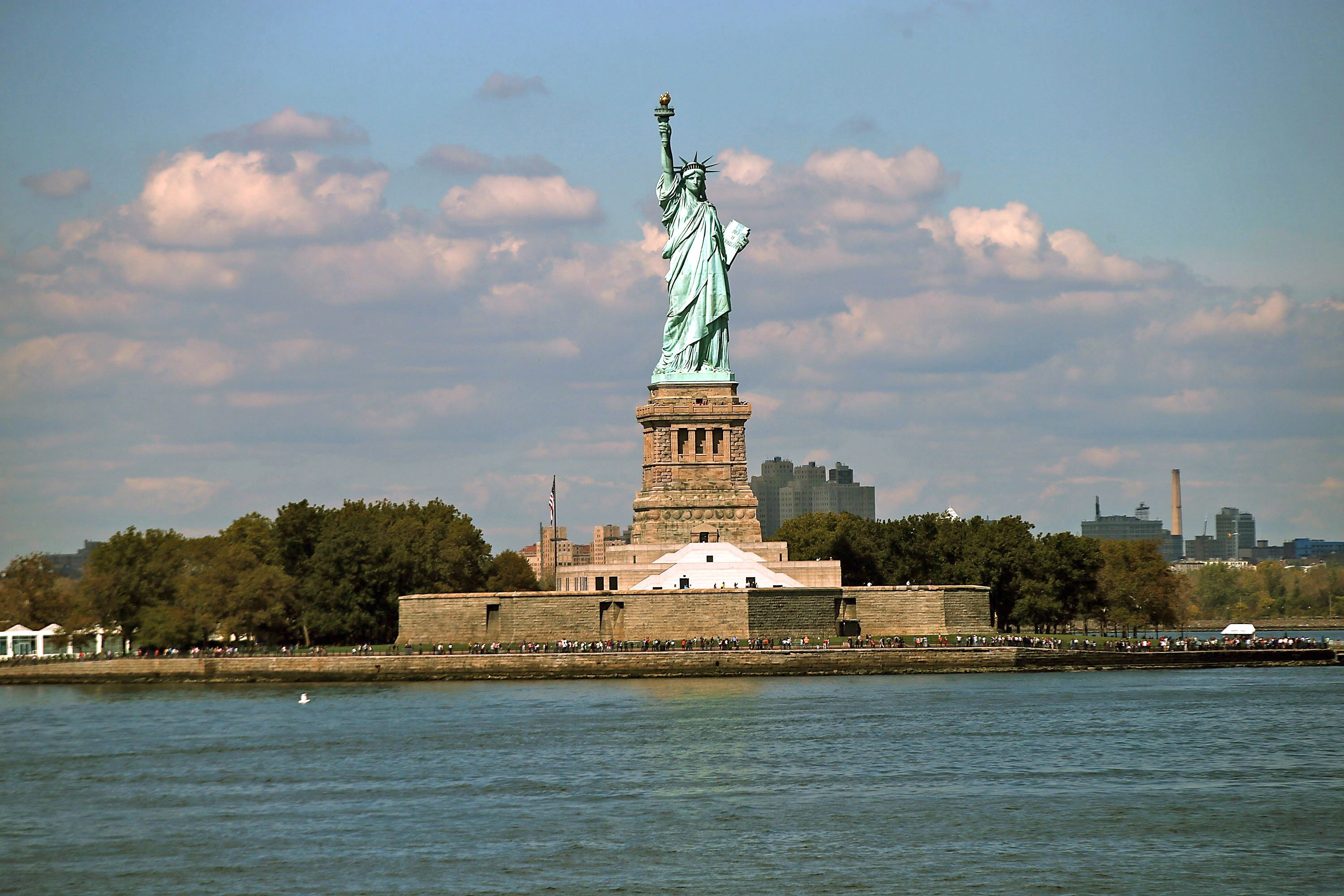
Yes, it is located on Liberty Island, which is federal property. While the island is geographically closer to New Jersey, it falls under the territorial jurisdiction of New York State, although it is managed entirely by the National Park Service.
Final Recommendations for Enthusiasts
To truly appreciate the significance of the Statue of Liberty, one must look beyond its silhouette. Visitors should prioritize a visit to the Statue of Liberty Museum, which opened in 2019. The museum provides an immersive look at the construction process and houses the original 1886 torch.
If you are planning a visit in 2026, ensure you utilize the official National Park Service website for the most current security updates and ferry schedules. By understanding the abolitionist origins, the engineering brilliance of Eiffel, and the immigrant narrative of Lazarus, you can see the statue not just as a monument, but as a living testament to the ongoing human struggle for dignity and freedom.
Image Gallery