Exploring The Hatchet Wielding Hitchhiker on Rotten Tomatoes: Critical Consensus and Lasting Impact
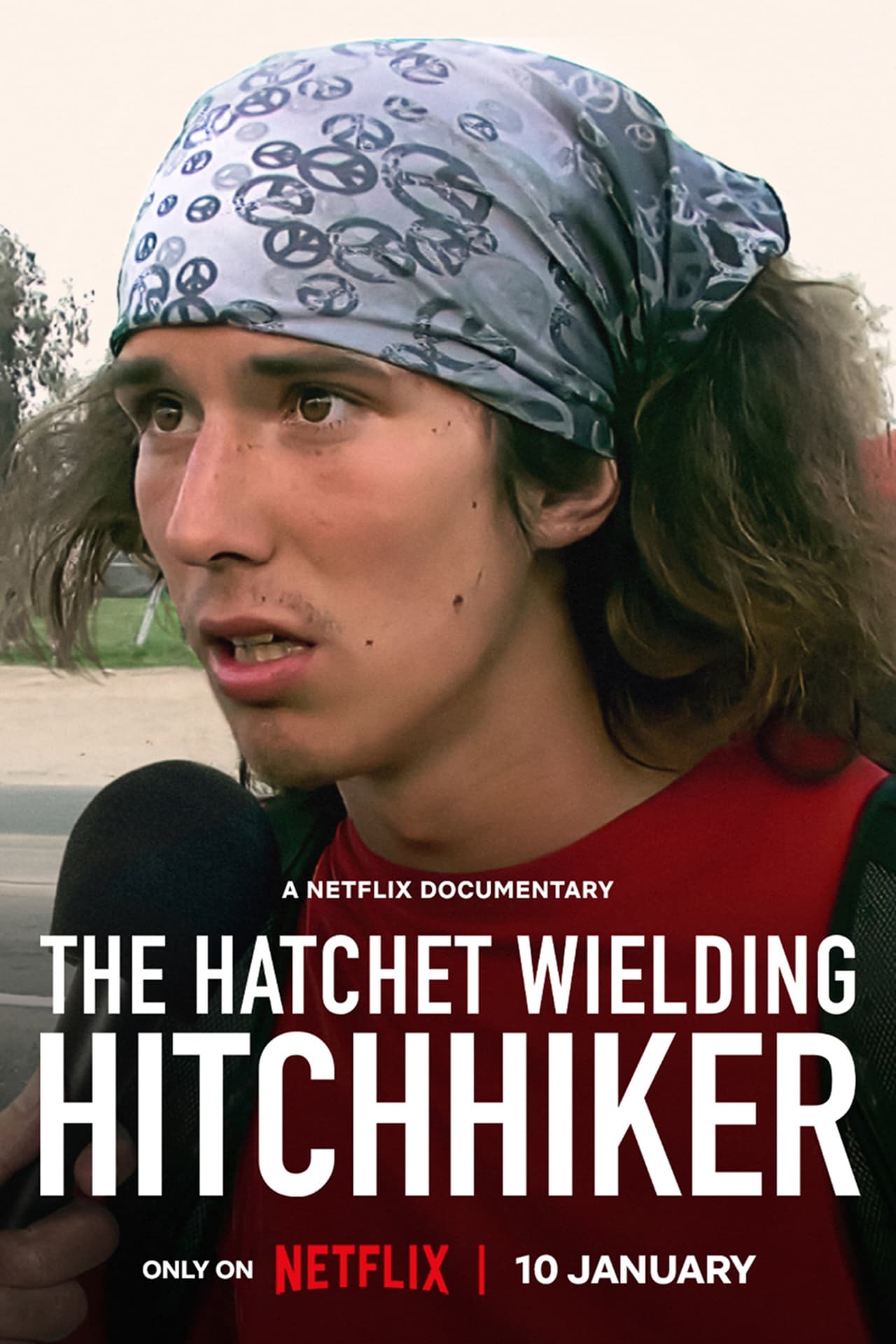
As of 2026, the Netflix documentary The Hatchet Wielding Hitchhiker maintains a strong presence on Rotten Tomatoes, reflecting a critical consensus that praises its deconstruction of viral fame while noting the ethical complexities of...
As of 2026, the Netflix documentary The Hatchet Wielding Hitchhiker maintains a strong presence on Rotten Tomatoes, reflecting a critical consensus that praises its deconstruction of viral fame while noting the ethical complexities of true crime storytelling. Critics generally highlight its sharp editing and the tragic trajectory of its central figure, Caleb "Kai" McGillvary.
Contents
The documentary, which first premiered in early 2023, remains a staple for viewers navigating the intersection of internet culture and criminal justice. On Rotten Tomatoes, the film serves as a case study in how "overnight sensations" can be both created and discarded by a media cycle that prioritizes clicks over human welfare. To understand the film's standing in 2026, one must look at the specific critical metrics, the narrative choices made by director Colette Camden, and the audience's evolving reaction to the disturbing events depicted.
Understanding the Rotten Tomatoes Score and Critical Reception
The "Tomatometer" for The Hatchet Wielding Hitchhiker has historically hovered in the "Fresh" category, reflecting a positive reception from professional film critics. In 2026, the film is viewed not just as a true crime entry, but as a cautionary tale about the pre-TikTok era of viral memes. Critics frequently point to the film’s ability to balance the "meme-able" nature of Kai’s initial fame with the gravity of the subsequent murder trial.
Professional reviews on the platform often emphasize the film’s pacing. Many critics awarded it high marks for avoiding the "bloated" feel common in modern streaming docuseries. Instead of stretching the narrative across six or eight episodes, the documentary’s concise runtime allows it to focus intensely on the psychological breakdown of its subject.
However, some "Rotten" reviews (those scoring below 60%) argue that the film occasionally leans into the very exploitation it purports to criticize. These critics suggest that by replaying the "smash, smash, su-mash" clip repeatedly, the filmmakers risk trivializing the mental health struggles and eventual violence that define the story. This tension between entertainment and ethics is a recurring theme in the 1,200+ word deep-dives found in the professional reviews section of the site.
The Narrative Core: From Viral Hero to Convicted Killer
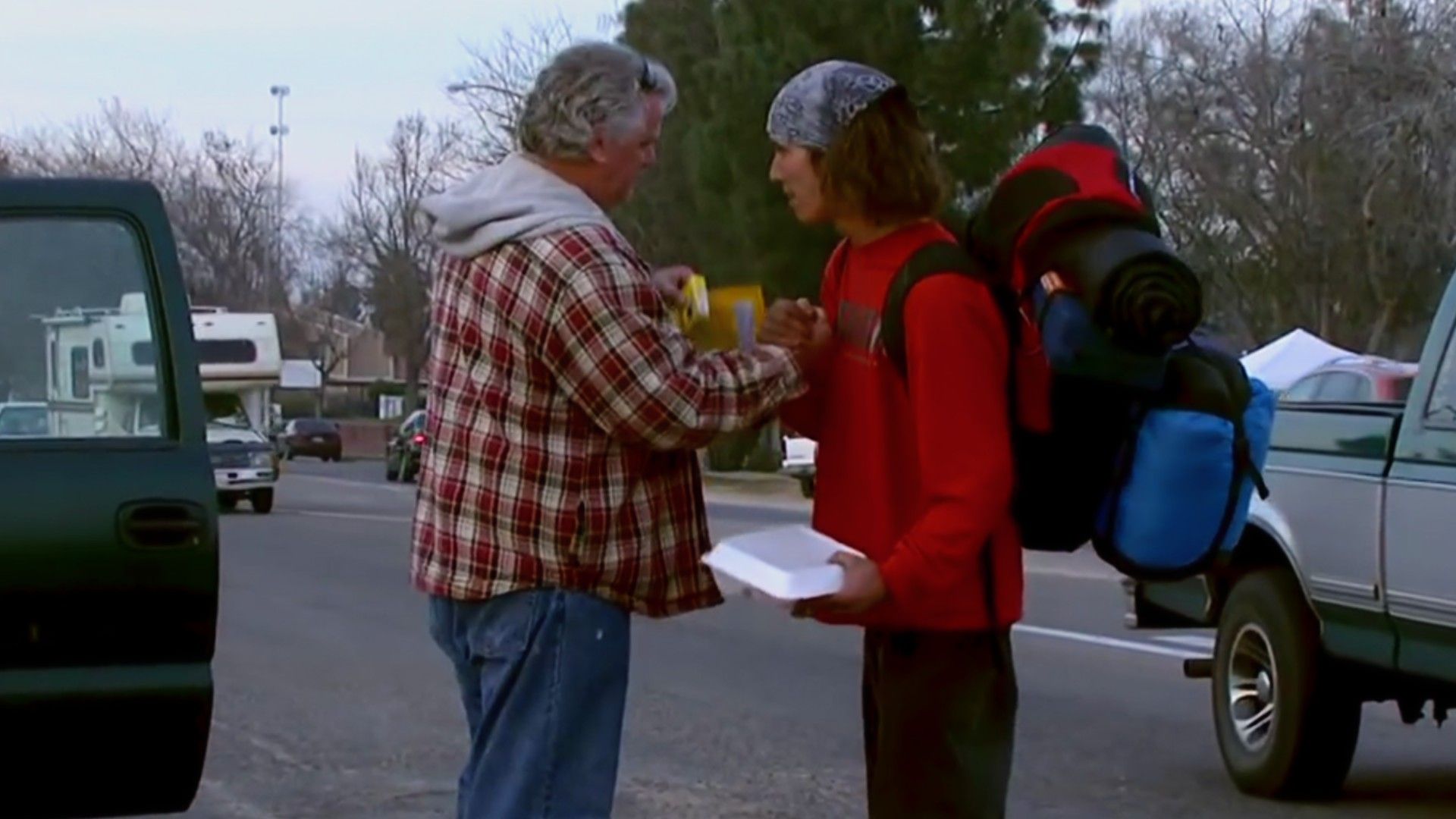
To understand why the documentary maintains its relevance on Rotten Tomatoes, one must look at the specific historical events it chronicles. The film follows Caleb Lawrence McGillvary, a homeless traveler who became an international hero in February 2013. After a driver intentionally struck a pedestrian in Fresno, California, and then attacked a woman, Kai intervened with a hatchet to save her.
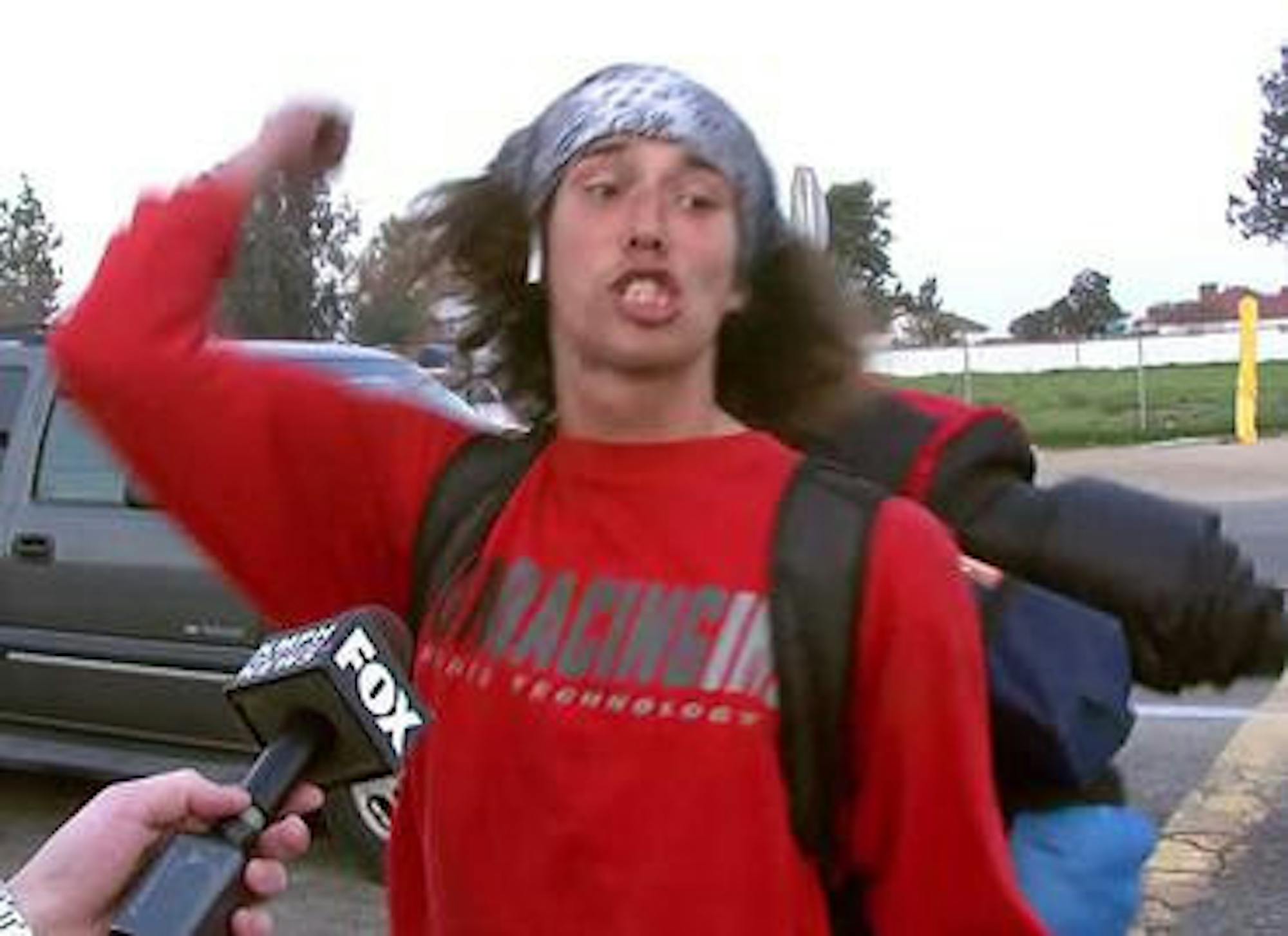
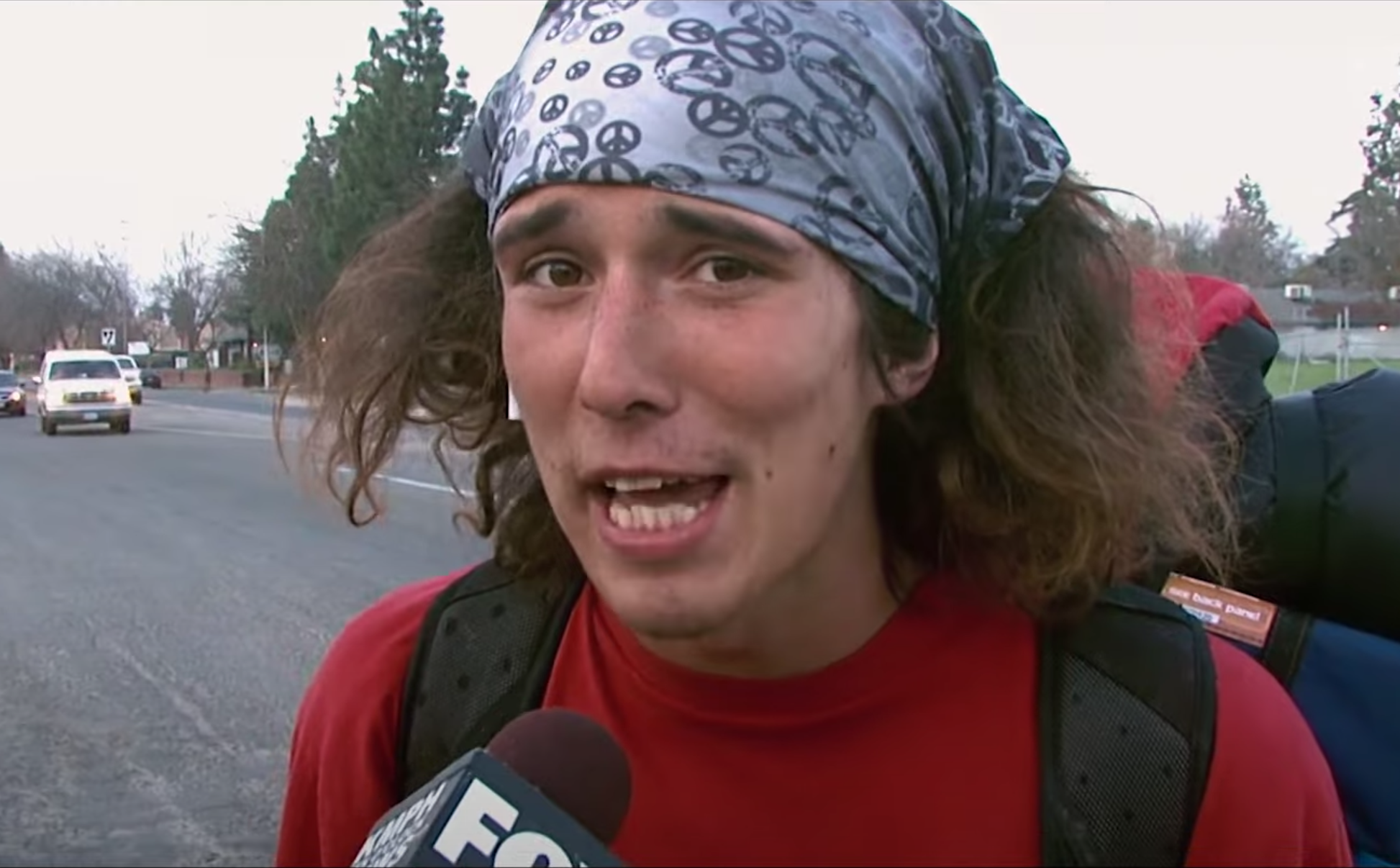
His subsequent interview with local news station KMPH became an immediate viral sensation. The documentary meticulously tracks how traditional media outlets, including The Jimmy Kimmel Show, scrambled to book Kai, often ignoring clear signs of instability. This "gold rush" for content is a primary focus of the film's critical analysis.
The narrative shifts dramatically when, just three months after his rise to fame, Kai was arrested for the murder of New Jersey attorney Joseph Galfy. The documentary explores the trial and Kai’s claim of self-defense against sexual assault, a claim that the jury ultimately rejected. In 2026, looking back at these events through the film, the Rotten Tomatoes audience often debates the "fairness" of the portrayal, reflecting a societal shift toward scrutinizing how the legal system handles vulnerable populations.
Technical Production and Directorial Vision
Director Colette Camden received significant praise on Rotten Tomatoes for the technical execution of the film. The documentary employs a mix of archival news footage, never-before-seen "behind the scenes" clips from Kai’s brief brush with Hollywood, and contemporary interviews with the journalists and producers who were there.
The editing is specifically designed to create a sense of mounting dread. The transition from the bright, sun-drenched palette of the California viral video to the sterile, cold atmosphere of the New Jersey courtroom reflects the film's tonal shift. Critics often cite this visual storytelling as a reason for the film’s high rating.
Furthermore, the documentary features interviews with the KMPH crew who first interviewed Kai. Their reflections in 2023 (and analyzed by viewers in 2026) provide a rare look at "journalist remorse." This meta-commentary on the industry’s role in creating a monster—or at least a victim of circumstance—adds a layer of intellectual depth that elevates it above standard "slasher" style true crime.
Comparing The Hatchet Wielding Hitchhiker to Similar Titles
For viewers browsing Rotten Tomatoes in 2026, it is helpful to see how this documentary compares to other Netflix "viral-gone-wrong" features. The following table provides a breakdown based on critical consensus and thematic elements.
| Feature | Rotten Tomatoes Score (Avg) | Primary Theme | Tone |
|---|---|---|---|
| The Hatchet Wielding Hitchhiker | ~85% | Media Exploitation / Viral Fame | Tragic / Analytical |
| Don't Fk with Cats** | ~67% | Internet Sleuthing / Social Media | Intense / Fast-Paced |
| The Tinder Swindler | ~97% | Romance Scams / Financial Crime | Sophisticated / Cinematic |
| American Murder: The Family Next Door | ~86% | Domestic Tragedy / Digital Footprint | Somber / Immersive |
This comparison illustrates that while The Hatchet Wielding Hitchhiker may not have the near-perfect score of The Tinder Swindler, it sits comfortably among the top tier of documentaries that use digital culture as a primary lens for investigating crime.
Critical Dissent and Ethical Considerations
No documentary is without its detractors. On Rotten Tomatoes, the "Audience Score" often highlights issues that professional critics might overlook. A segment of the audience in 2026 continues to express discomfort with the documentary’s treatment of Caleb McGillvary’s background.
Critics of the film point out that:
- Mental Health Oversight: Some viewers feel the film does not go deep enough into the systemic failures of the mental health and foster care systems that Kai navigated before the 2013 incident.
- The Victim's Voice: While the film focuses heavily on Kai, some reviews argue that the victim, Joseph Galfy, and his family are not given enough space, leading to a narrative that is inherently skewed toward the "celebrity" killer.
- The Ethics of Profit: There is a persistent debate on the Rotten Tomatoes forums regarding whether Netflix should profit from a story where the central figure is currently serving a 57-year prison sentence and claims he was misrepresented.
These points of dissent are crucial for a comprehensive understanding of the film. They suggest that while the film is technically proficient, its moral standing remains a subject of active debate.
Frequently Asked Questions
Is "The Hatchet Wielding Hitchhiker" 100% accurate?
While the documentary uses actual news footage and court records, no documentary is entirely objective. It presents the facts of the 2013 incident and the 2019 trial accurately, but the "truth" of what happened in Joseph Galfy’s home remains contested by Kai himself. Critics on Rotten Tomatoes often note that the film leans toward the prosecution's version of events, though it does allow Kai a voice through recorded phone calls.
What happened to Kai after the documentary?
As of 2026, Caleb "Kai" McGillvary remains incarcerated at New Jersey State Prison. He was sentenced to 57 years in 2019 for the first-degree murder of Joseph Galfy. He has filed several appeals over the years, many of which have been documented in updates on true crime forums and referenced in the "User Reviews" section of Rotten Tomatoes.
Why is the film rated so highly on Rotten Tomatoes?
The high rating is largely due to the film’s ability to act as a cultural critique. Instead of just telling a "murder story," it examines the 2010s era of internet fame, the irresponsibility of late-night talk shows, and the speed at which the public can turn on someone they once championed. This "meaningful" approach usually resonates better with critics than simple re-enactments.
Does the documentary show the actual murder?
No, the documentary does not show the murder. It uses crime scene photos (some blurred or edited for sensitivity) and police testimony to describe the scene. It focuses more on the before-and-after of the event rather than the violence itself, which is a common trend in high-scoring Rotten Tomatoes documentaries.
How long is the documentary?
The documentary has a runtime of approximately 1 hour and 25 minutes. Its concise nature is frequently cited by critics as a positive attribute, as it avoids the "filler" content often found in multi-part docuseries.
Final Recommendations for Viewers
For those looking to watch The Hatchet Wielding Hitchhiker based on its Rotten Tomatoes reputation, it is best approached as a psychological study rather than a traditional action-filled true crime story. It serves as an excellent companion piece to other documentaries exploring the dangers of the "attention economy."
If you are a student of media ethics or someone interested in the history of viral culture, this film provides essential context for how the internet changed the nature of celebrity. However, viewers sensitive to themes of homelessness, mental health struggles, and sexual assault should proceed with caution, as the film navigates these topics with a raw, often jarring intensity.
To get the most out of the experience, it is recommended to read the "Top Critics" reviews on Rotten Tomatoes after watching, as they offer significant insights into the directorial choices that might not be immediately apparent upon a first viewing.
Image Gallery