The Strategic and Operational Impact of CBS Layoffs on News Anchors
The recent series of restructuring initiatives at CBS has fundamentally altered the landscape for on-air news talent, shifting the focus from individual star-anchor models to collaborative, cost-efficient, and multi-platform production...
The recent series of restructuring initiatives at CBS has fundamentally altered the landscape for on-air news talent, shifting the focus from individual star-anchor models to collaborative, cost-efficient, and multi-platform production workflows. These layoffs represent a broader contraction in legacy media, forcing a realignment of editorial priorities, brand loyalty, and the internal mechanics of news delivery across the network’s flagship programs.
Contents
The Evolution of the CBS Newsroom Environment
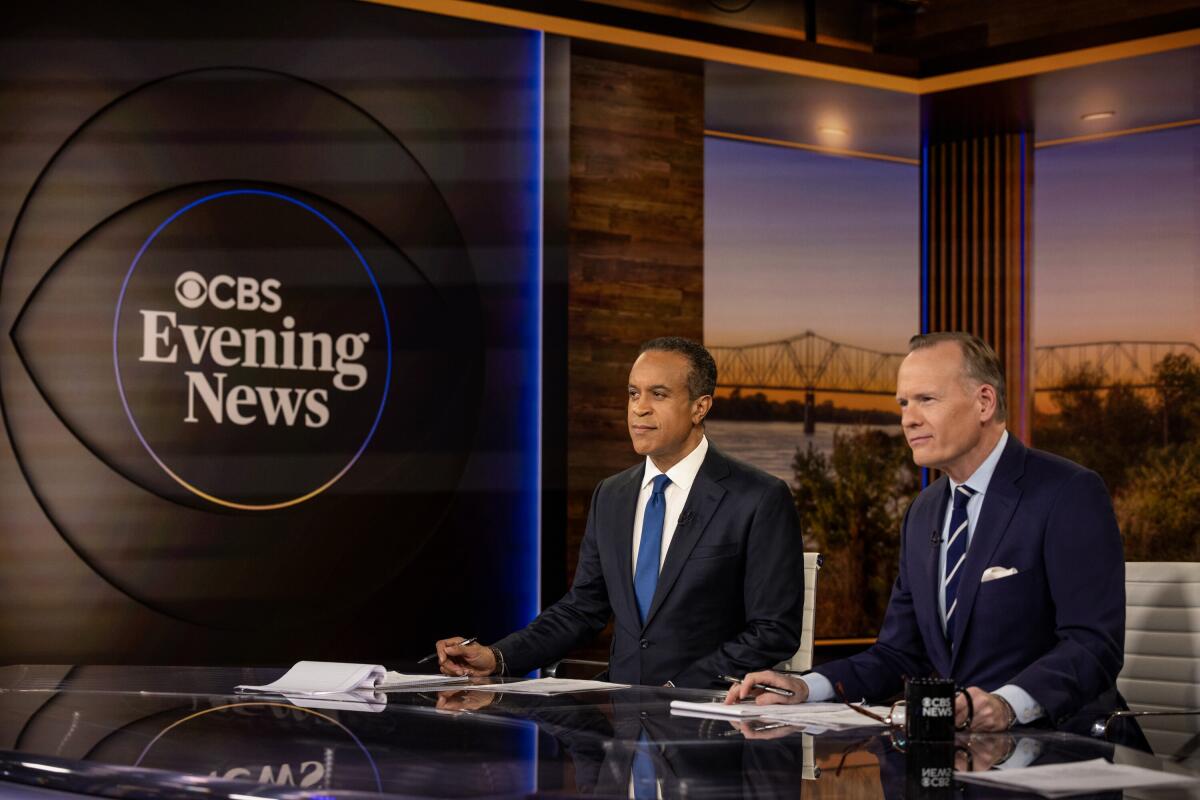
The restructuring at CBS, particularly regarding its on-air talent and anchor roles, is part of a larger corporate mandate driven by Paramount Global’s ongoing strategic pivot toward digital-first profitability. When a major broadcast network reduces its headcount, the impact is felt most acutely in the "anchor desk" dynamic, which has historically served as the face of the organization.
In the current environment, the objective is to optimize the "cost-per-viewer" ratio. By streamlining the number of primary anchors and moving toward a rotation or shared-responsibility model, CBS has sought to insulate its core news product from the volatility of linear television ratings. For the anchors, this has necessitated a shift in professional expectations; the traditional role of a singular, dominant voice is being replaced by a versatile contributor who must operate with equal proficiency on streaming platforms like CBS News 24/7 as they do on traditional evening broadcasts.
Structural Changes and Talent Realignment
The primary impact on anchors post-layoff involves a significant shift in production hierarchy. Previously, anchors were often the central pillar around which editorial teams were built. As headcount reductions have permeated the support staff—including writers, producers, and researchers—the remaining anchors are increasingly expected to play a more active role in the editorial process.
This shift creates a "leaner" operational environment where the anchor must be more self-sufficient. In many cases, the reduction in force (RIF) has forced the consolidation of production units, meaning that the same team may now support multiple broadcasts rather than a dedicated staff for a single hour-long news program.
| Strategic Driver | Impact on Anchor Roles | Operational Outcome |
|---|---|---|
| Budgetary Consolidation | Reduced support staff | Increased editorial self-sufficiency |
| Digital Integration | Multi-platform workload | Shift toward streaming-first content |
| Efficiency Audits | Elimination of redundant roles | Rotation models over singular anchors |
| Brand Realignment | Focus on network identity | De-emphasis on personal brand dominance |
The Psychological and Professional Burden of Restructuring
For those remaining at the network, the atmosphere following layoffs is characterized by increased pressure and the necessity of adaptability. Anchors who survive these periods often face "role expansion," where the scope of their duties grows to encompass not just on-air delivery, but also content creation for social media and secondary digital channels.
This transition is not merely about workload; it affects the relationship between the viewer and the news personality. When audiences witness the departure of familiar faces—often veterans who have occupied anchor chairs for years—the network risks a temporary dip in brand trust. The task for the remaining anchors is to stabilize this transition, ensuring that the shift in on-air personnel does not signal a drop in journalistic quality or institutional continuity.
Challenges in Retention and Talent Acquisition
As of 2026, the ripple effects of these layoffs have changed how CBS recruits and retains top-tier talent. The industry is moving away from the "megastar" contracts of the previous decade. Prospective and current anchors are now navigating a reality where tenure is less of a safeguard than it once was.
- Contractual Versatility: New agreements increasingly emphasize the anchor’s obligation to provide content across various digital endpoints, limiting their ability to remain exclusive to a single flagship broadcast.
- Editorial Autonomy: With fewer producers available to manage the daily grind, anchors who can effectively curate, verify, and package their own segments have become significantly more valuable to the network.
- Internal Morale: The loss of colleagues often results in a "survivor’s guilt" dynamic that can stifle creative output. Management must address this through transparent communication, though this remains a persistent friction point in major media labor relations.
Navigating the Future: Adaptability as a Requirement
The current landscape of television news requires a different skill set than that of ten years ago. Anchors who prioritize their ability to pivot between traditional broadcast formats and digital-native news reporting are best positioned to navigate the ongoing volatility. The "impact" of the layoffs is thus a filter—it removes positions that were tied to legacy inefficiencies while favoring talent that can serve as a "one-person band" in a high-velocity media environment.
Frequently Asked Questions
How have the CBS layoffs changed the role of an evening news anchor? The role has transitioned from a purely broadcast-focused position to a hybrid one. Anchors are now expected to be involved in the production and digital distribution of news, often with less support from desk staff and researchers.
Is the trend toward smaller on-air teams expected to continue through 2026? Yes. The industry trend remains focused on lean operations. As advertising revenue shifts further from linear television to digital, the pressure to reduce overhead costs for talent and production teams remains a standard operational priority.
What happens to the journalistic quality when staff are reduced? Journalistic quality often faces the risk of being diluted if the support structure—such as fact-checkers and investigative producers—is cut too deeply. Anchors and remaining staff must compensate through more rigorous self-verification and the use of centralized, automated news-gathering tools.
Are there specific career risks for anchors in this environment? The primary risk is the loss of job security linked to the "star system." As networks prioritize the institution over the individual, anchors are more vulnerable to contract non-renewal if their specific broadcast does not meet strict profitability or reach metrics.
How can anchors mitigate the negative impact of these shifts? Professional longevity now depends on multi-platform competence. Anchors who proactively learn to leverage digital-first production tools and maintain a strong, portable audience engagement strategy are better equipped to navigate the volatility.
Recommended Next Actions
For industry professionals or those studying the shifting landscape of media labor, the recommended approach is to monitor the quarterly earnings reports of parent companies like Paramount Global. These reports provide the clearest indicators of future staffing adjustments. For those within the industry, the primary action remains the development of "platform-agnostic" skills—ensuring that your ability to produce and present news is not tethered to a specific, legacy-style studio setup, but is instead adaptable to the digital-first requirements of the modern newsroom.
Image Gallery