Discover Card 18 Months No Interest: A Comprehensive Guide for 2026
As of 2026, the primary Discover cards offering an 18-month 0% introductory APR period are the Discover it® Balance Transfer and select targeted offers for the Discover it® Cash Back. This 18-month window applies specifically to balanc...
As of 2026, the primary Discover cards offering an 18-month 0% introductory APR period are the Discover it® Balance Transfer and select targeted offers for the Discover it® Cash Back. This 18-month window applies specifically to balance transfers, while the introductory period for new purchases typically ranges from 6 to 15 months depending on the specific offer and the applicant's credit profile.
Contents
The 18-month interest-free period remains one of the most competitive "long-term" introductory offers in the credit market. It is designed primarily for consumers looking to consolidate high-interest debt or manage a significant upcoming expense without the immediate burden of compound interest. However, navigating the terms, fees, and eligibility requirements is essential to ensure the financial benefit outweighs the costs of the transfer.
Understanding the Mechanics of the 18-Month 0% APR Offer
When a Discover card offers "18 months no interest," it refers to a 0% Introductory APR. This is fundamentally different from "deferred interest" promotions often found in retail store cards. With a 0% Intro APR, interest does not accrue at all on the qualifying balance during the 18-month promotional window. If a balance remains after the 18 months, interest only begins to accrue on that remaining balance moving forward.
Intro APR vs. Standard Variable APR
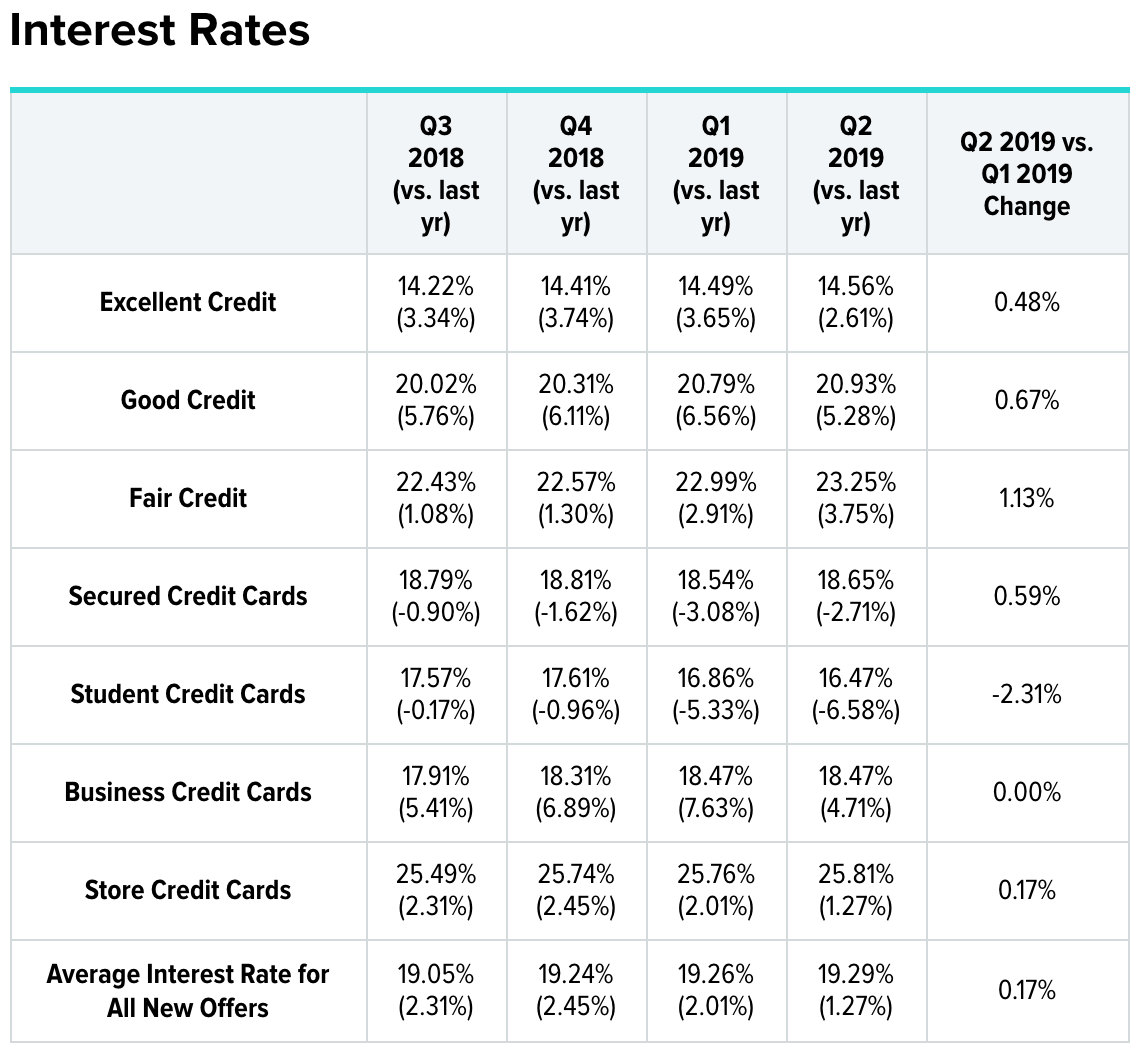
During the application process in 2026, it is vital to note that while the introductory rate is 0%, the Standard Variable APR will apply to any remaining balance once the 18 months expire. Based on current market trends, this variable rate typically ranges from 18.24% to 28.24% based on creditworthiness. Because this rate is variable, it fluctuates with the Prime Rate.
The Difference Between Purchases and Transfers
Most 18-month offers from Discover are weighted toward balance transfers. A common structure for a Discover it® Balance Transfer card in 2026 might look like this:
- Balance Transfers: 0% Intro APR for 18 months.
- Purchases: 0% Intro APR for 6 months.
- After the Intro Period: The standard variable APR applies to both.
If you use the card for a new purchase thinking you have 18 months to pay it off, you may be surprised when interest charges appear in month seven. Always verify the specific duration for each transaction type in your cardmember agreement.
Eligibility and Credit Score Requirements
Discover historically targets "Good to Excellent" credit profiles for its flagship "it" series. In the 2026 lending environment, lenders have maintained strict standards for extended 0% APR offers due to the higher risk of carrying interest-free debt for a year and a half.
Credit Score Ranges
To qualify for an 18-month offer, applicants generally need a FICO score of 670 or higher. While those in the "Fair" range (580–669) may occasionally receive approvals, they are more likely to be offered shorter introductory periods (such as 6 or 12 months) or higher post-introductory variable APRs.
The "Two Card" Rule and Application Limits
Discover has a specific policy regarding account ownership. You can generally only have two Discover credit cards at any given time, and you must have had your first Discover card for at least one year before you are eligible to apply for a second. If you already hold two Discover accounts, you will need to close one and wait for the system to update before applying for an 18-month 0% APR offer.
Debt-to-Income (DTI) Ratio
Beyond credit scores, Discover evaluates your ability to repay. A high DTI ratio—where a large portion of your monthly income goes toward existing debt payments—can lead to a denial even if your credit score is high. For a successful 18-month balance transfer application, aim for a DTI below 35%.
Calculating the True Cost: Fees and Math
While the interest rate is 0%, the transfer is not free. Discover, like most major issuers including Chase and Citi, charges a balance transfer fee.
Balance Transfer Fees
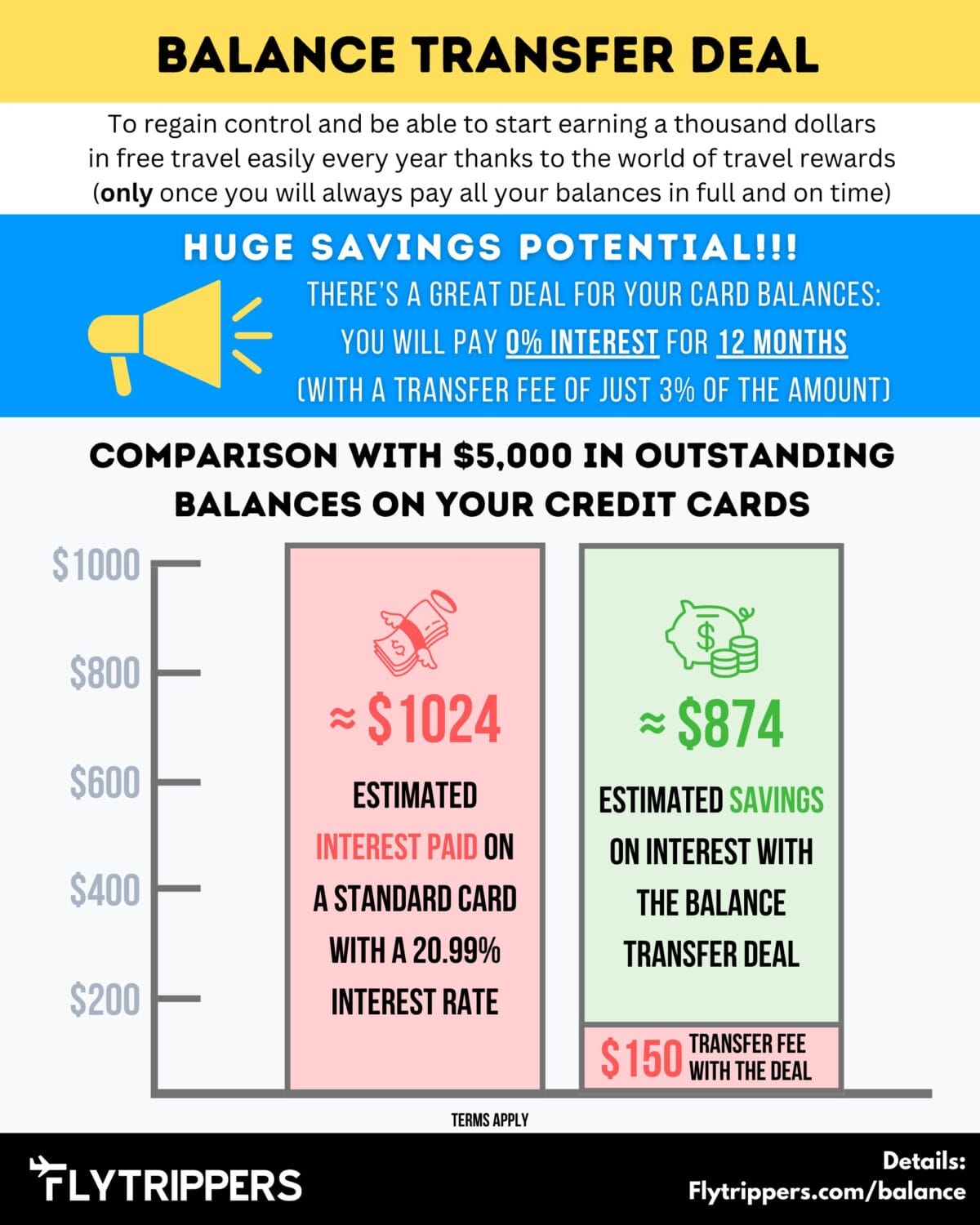
In 2026, the standard balance transfer fee for Discover is typically 3% to 5% of the amount of each transfer. For a $5,000 debt consolidation, a 5% fee adds $250 to your balance.
To determine if the 18-month offer is worth it, compare the transfer fee to the interest you would pay on your current card over the same period. If you are paying 24% APR on a $5,000 balance at another bank, you are accruing roughly $100 in interest every month. In this scenario, paying a $250 one-time fee to save $1,800 in interest over 18 months is a clear financial victory.
Calculating Your Monthly Payment
To successfully clear the balance within the 18-month window, use the following formula: (Transferred Balance + Transfer Fee) / 18 = Target Monthly Payment
For example, transferring $10,000 with a 5% fee ($500) results in a total of $10,500. Dividing this by 18 months requires a monthly payment of $583.33 to reach a zero balance before the standard APR kicks in.
Comparing Discover 18-Month Offers to Competitors
In the 2026 credit market, Discover competes heavily with issuers like Wells Fargo, Bank of America, and American Express. While Discover is famous for its customer service and "Cashback Match," other cards may offer longer windows or different fee structures.
| Feature | Discover it® Balance Transfer | Wells Fargo Reflect® | Citi® Diamond Preferred® |
|---|---|---|---|
| Intro APR Period | 18 Months | Up to 21 Months | Up to 21 Months |
| Intro Purchase APR | 6 Months | Up to 21 Months | 12 Months |
| Balance Transfer Fee | 3% - 5% | 5% | 5% |
| Rewards Program | 5% Rotating Categories | None | None |
| Annual Fee | $0 | $0 | $0 |
| Late Fee Protection | No fee on first late payment | Standard Fees | Standard Fees |
While the Wells Fargo Reflect® and Citi® Diamond Preferred® often offer longer durations (21 months), the Discover it® Balance Transfer is often preferred by those who want to transition the card into a daily rewards vehicle once the debt is paid off. Discover’s 5% rotating categories provide long-term value that "utility" balance transfer cards usually lack.
Strategic Use: Maximizing the 18-Month Window
To make the most of an 18-month no-interest period, discipline is required. Discover’s systems are automated, and the loss of promotional rates can occur if the account is mismanaged.
- Request the Transfer Early: Most Discover offers require you to perform the balance transfer within a specific timeframe (usually the first 60 to 120 days of account opening) to qualify for the 0% rate.
- Automate Minimum Payments: At a minimum, you must pay the monthly required amount on time. A single late payment can, in some cases, trigger a "Penalty APR" or cause the 0% introductory offer to be revoked.
- Avoid New Debt: If you are using the card for a balance transfer, avoid adding new purchases to it. Because the 18-month window often only applies to the transfer, new purchases will accrue interest after their shorter (6-month) intro period ends, complicating your repayment math.
- The Cashback Match Synergy: If you have a Discover it® Cash Back card with an 18-month targeted offer, remember that Discover matches all the cash back you earn at the end of your first year. This "bonus" can be applied directly to your balance in month 13, helping you accelerate the final months of your 18-month repayment plan.
Common Pitfalls and Troubleshooting
Even with the best intentions, consumers often encounter hurdles when managing a long-term 0% APR card.
- Credit Limit Constraints: You might apply to transfer $10,000, but Discover may only grant you a $5,000 credit limit. In this case, you can only transfer a portion of your debt (minus the transfer fee). It is important to have a backup plan for the remaining balance on your old card.
- The "Double Interest" Trap: If you don't pay off the balance by month 18, the remaining amount starts accruing interest at the high variable rate. If you have $2,000 left, and your APR is 25%, you will suddenly see $40+ in interest charges on your next statement.
- Impact on Credit Utilization: Moving a large balance to a new card can temporarily spike the utilization rate on that specific card, which might cause a minor, temporary dip in your credit score. However, increasing your total available credit by opening the new card usually offsets this in the long run.
For more information on consumer rights regarding credit cards and interest rates, the Consumer Financial Protection Bureau (CFPB) provides comprehensive resources on managing credit card debt.
Frequently Asked Questions
Does Discover offer an 18-month 0% APR on all cards?
No. The 18-month offer is usually reserved for the Discover it® Balance Transfer card or specific promotional mailers sent to existing or prospective customers. Standard versions of the Discover it® Student or Discover it® Secured cards typically offer much shorter introductory periods or none at all.
Can I transfer a balance from another Discover card?
No. Credit card issuers do not allow "internal" balance transfers. You cannot move debt from one Discover account to another to extend an interest-free period. You must transfer the balance from a different issuer, such as American Express or Capital One.
What happens if I miss a payment during the 18 months?
Discover is known for "waiving the first late fee," but this does not necessarily protect your 0% APR. Depending on the terms of your specific agreement, a late payment could result in the immediate termination of your introductory rate, jumping your APR to the standard variable rate or even a penalty rate.
Is there an annual fee for the 18-month no-interest card?
No. One of the primary advantages of the Discover "it" product line is the lack of an annual fee. This makes it a low-cost tool for debt management, as your only primary cost is the one-time balance transfer fee.
Can I use the 18-month 0% APR for cash advances?
Generally, no. Cash advances almost always carry a separate, much higher APR (often over 29%) and a separate cash advance fee. The 18-month 0% offer is strictly limited to balance transfers and, in some cases, purchases.
Final Recommendation
The Discover 18-month no-interest offer is an elite tool for debt restructuring in 2026, particularly for those who value high-quality customer service and a robust rewards program to use after the debt is cleared. If your primary goal is the absolute longest duration possible, you might look toward 21-month competitors. However, for a balanced approach between a long 0% window and long-term card utility, the Discover it® Balance Transfer remains a top-tier choice.
Before applying, ensure your credit score is at least 670 and that you have a concrete plan to pay down the balance within 540 days. Use the pre-approval tool on the official Discover website to check for offers without impacting your credit score.
Image Gallery