Cheapest Auto Insurance for a Suspended License in California (2026 Guide)
Finding affordable auto insurance with a suspended license in California requires securing an SR-22 filing from a non-standard carrier. In 2026, the cheapest options typically include Progressive, Mercury, and Dairyland, or a "non-owne...
Finding affordable auto insurance with a suspended license in California requires securing an SR-22 filing from a non-standard carrier. In 2026, the cheapest options typically include Progressive, Mercury, and Dairyland, or a "non-owner" policy if you do not own a vehicle. Rates remain significantly higher than standard premiums due to high-risk designations.
Contents
Obtaining auto insurance while your driving privileges are revoked or suspended is a complex but necessary hurdle. In California, the Department of Motor Vehicles (DMV) generally requires proof of financial responsibility—most commonly in the form of an SR-22 certificate—before they will consider reinstating your license. While "cheap" is a relative term in the high-risk insurance market, strategic shopping and understanding state-specific mandates can help minimize the financial impact.
The Role of Insurance in License Reinstatement
In California, a license suspension can occur for various reasons, ranging from driving under the influence (DUI) and accumulating too many points on your record to failing to appear in court or driving without insurance. Regardless of the cause, the path to reinstatement almost always involves the California DMV requiring an SR-22 certificate.
An SR-22 is not actually an insurance policy; it is a document issued by an insurance company that serves as a guarantee to the state that you are carrying at least the minimum required liability coverage. In 2026, California's mandatory minimum liability limits remain:
- $15,000 for injury/death to one person.
- $30,000 for injury/death to more than one person.
- $5,000 for damage to property.
When your license is suspended, many "standard" or "preferred" insurance companies may decline to renew your policy or refuse to issue a new one. This forces drivers into the non-standard market, where specialized insurers cater to high-risk individuals. Because these drivers are statistically more likely to file a claim, premiums are substantially higher than those for drivers with a clean record.
Why Insurance is Expensive After a Suspension
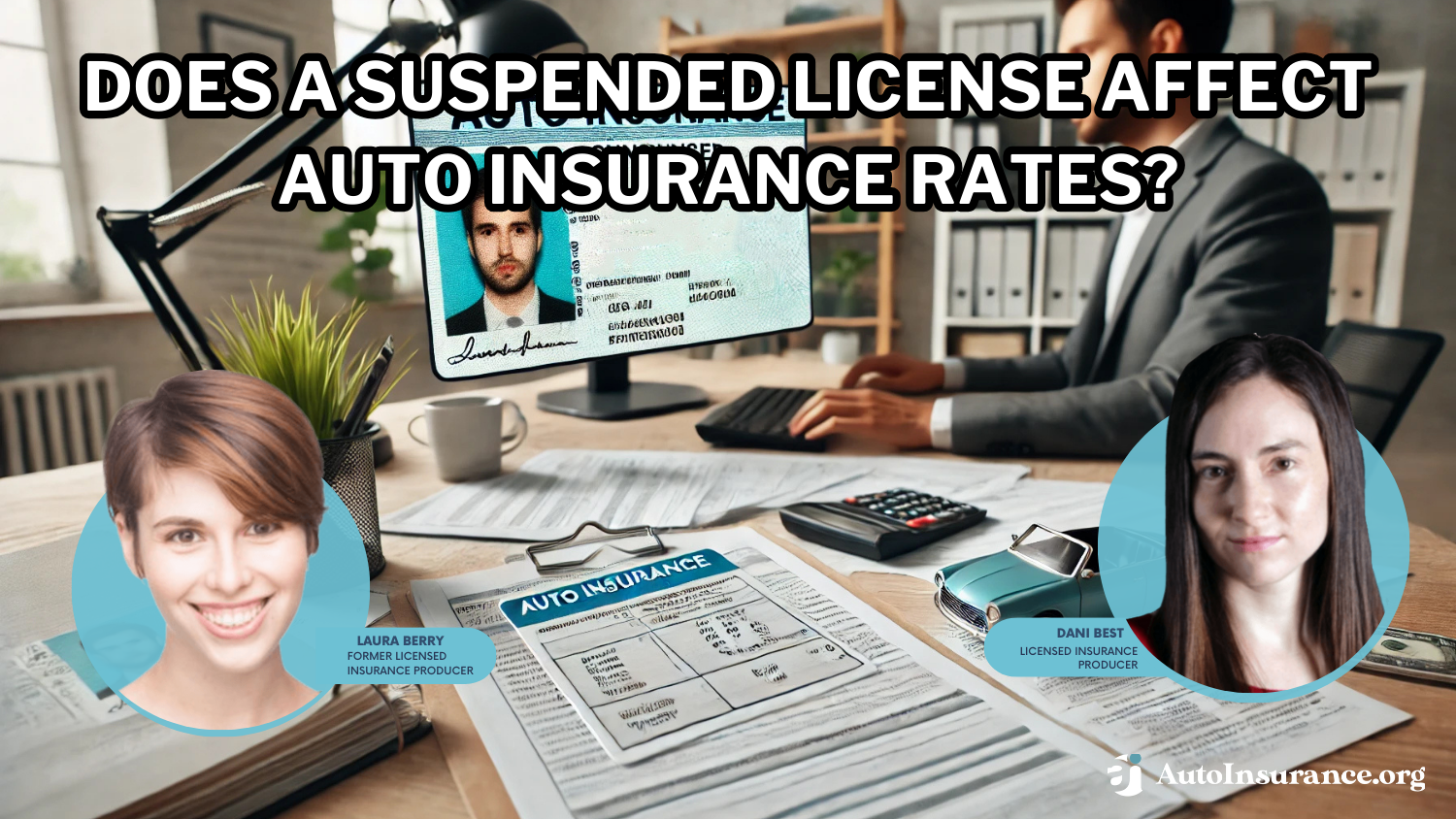
The cost of insurance for a driver with a suspended license is driven by the loss of "Good Driver" status. Under California's Proposition 103, insurers are required to give a 20% discount to drivers who meet specific safety criteria. A license suspension immediately disqualifies you from this discount for several years.
Furthermore, the underlying reason for the suspension heavily influences the premium. A suspension due to a DUI is viewed much more severely by underwriters than a suspension for unpaid parking tickets or a lapse in insurance. In 2026, California drivers with a DUI on their record can expect to pay between 70% and 150% more for coverage than a driver with a clean history.
Cheapest Insurance Companies for Suspended Licenses in CA
While rates fluctuate based on zip code, age, and vehicle type, certain companies in California consistently offer more competitive pricing for high-risk drivers needing an SR-22.
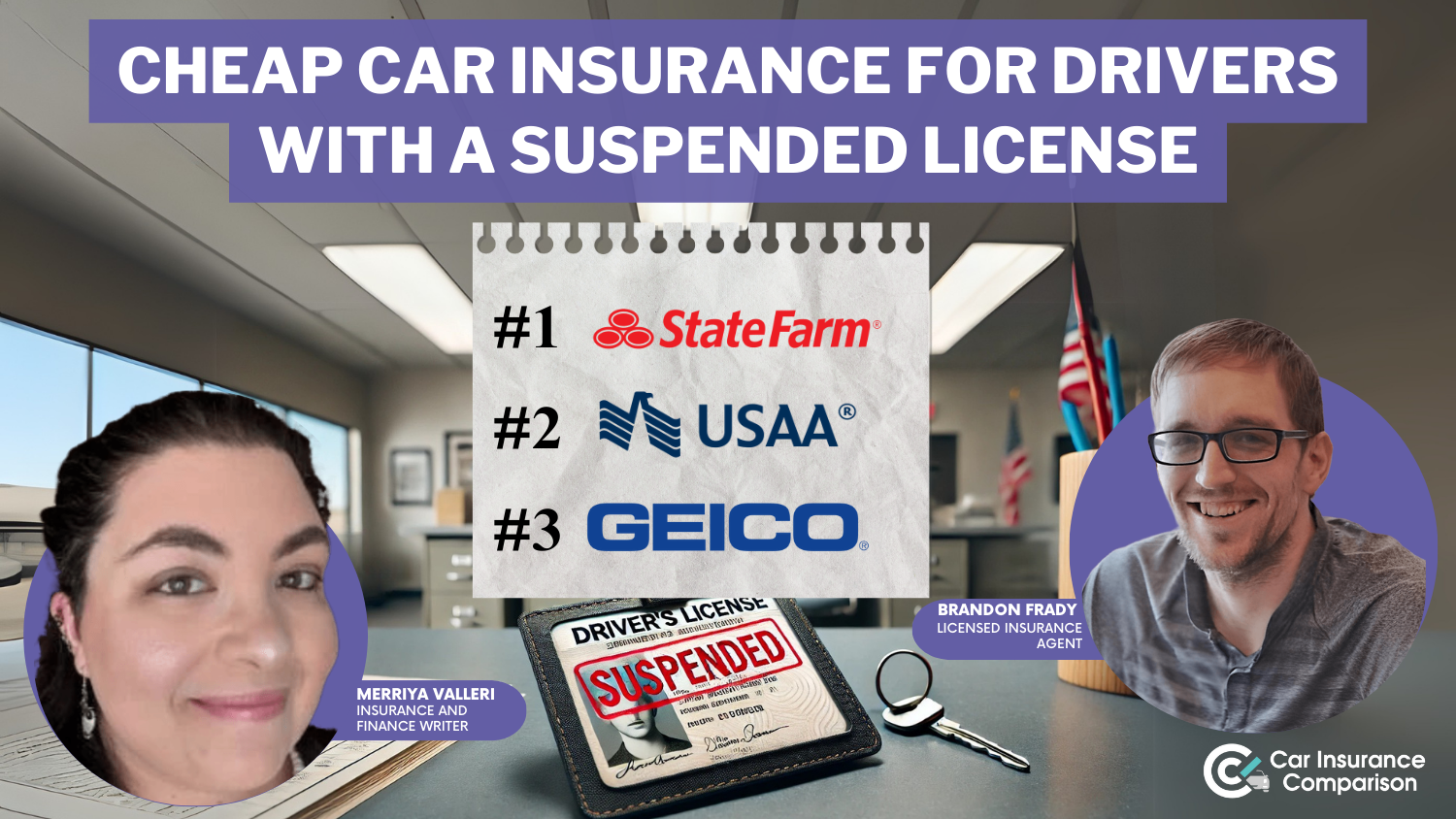
1. Progressive
Progressive is often the most accessible large-scale insurer for drivers with suspended licenses. They have a streamlined process for filing SR-22s electronically with the California DMV, which can speed up the reinstatement process. Their pricing for high-risk drivers is generally more stable than other national brands.
2. Mercury Insurance
As a California-based company, Mercury has a deep understanding of the local regulatory environment. They frequently offer competitive rates for drivers who have had a single "major" violation but otherwise maintain a stable insurance history.
3. Dairyland and National General
These companies specialize almost exclusively in the non-standard market. They are often the "go-to" for drivers who have been rejected by major carriers. While their customer service interfaces might be less polished than those of larger competitors, their underwriting guidelines are more flexible for those with multiple violations or suspensions.
4. GEICO
GEICO’s high-risk division (often handled through a subsidiary) can be affordable for some drivers, particularly those who are currently or formerly affiliated with the military, as their specialized discounts can help offset the high-risk surcharges.
The "Non-Owner" Insurance Strategy
If your license is suspended and you do not own a vehicle, the cheapest way to fulfill the SR-22 requirement is through a non-owner auto insurance policy.
A non-owner policy provides liability coverage for the driver rather than a specific vehicle. It is designed for individuals who occasionally drive borrowed or rented cars but do not have regular access to a household vehicle. For the purpose of license reinstatement, the California DMV accepts a non-owner SR-22.
Benefits of Non-Owner Insurance:
- Lower Premiums: Because there is no specific vehicle to cover for collision or comprehensive damage, the premium is significantly lower than a standard policy.
- Continuous Coverage: Maintaining a non-owner policy prevents a "lapse in coverage," which can lead to even higher rates when you eventually purchase a car.
- Fulfills Mandates: It provides the necessary state filing to get your physical license back in your wallet.
California Assigned Risk Plan (CAARP)
If you have been denied coverage by multiple private insurance companies, you are not entirely out of luck. The California Assigned Risk Plan (CAARP) is a state-mandated program designed to ensure that all drivers can obtain the minimum liability insurance necessary to drive legally.
CAARP assigns you to an insurance company that is required by law to take you on as a client. While CAARP is rarely the "cheapest" option on the market, it serves as a critical safety net for those with severe records who would otherwise be unable to reinstate their licenses. To qualify, you must certify that you have attempted to obtain insurance in the voluntary market within the last 60 days and were unsuccessful.
Comparative Cost Impact of License Suspension in California
The following table illustrates the estimated annual premium increases for various suspension-related scenarios in California (based on 2026 market averages for a 35-year-old driver).
| Violation Leading to Suspension | Estimated Annual Premium (Standard) | Estimated Annual Premium (High-Risk/SR-22) | Percentage Increase |
|---|---|---|---|
| DUI (First Offense) | $1,850 | $4,300 | 132% |
| Reckless Driving | $1,850 | $3,500 | 89% |
| Multiple At-Fault Accidents | $1,850 | $3,100 | 67% |
| Administrative (Unpaid Fines) | $1,850 | $2,400 | 30% |
| Non-Owner SR-22 (No Car) | N/A | $600 - $1,100 | N/A |
Note: These figures are estimates. Actual quotes depend on individual underwriting factors.
Steps to Secure Insurance with a Suspended License
To navigate this process efficiently and find the lowest possible rate, follow these steps:
- Obtain Your Driver Record: Get a copy of your Official Driver Record from the California DMV. This ensures you give accurate information to insurers, preventing "surprises" that could lead to a policy cancellation or rate hike later.
- Request an SR-22 Specifically: When calling for quotes, lead with the fact that you need an SR-22. Not all companies provide this service.
- Compare Non-Standard Carriers: Don't just check the big names. Contact local independent agents who have access to "surplus lines" and smaller high-risk insurers.
- Ask About Payment Plans: High-risk insurance often requires a significant down payment. Compare the total cost of ownership, including installment fees.
- Verify the Filing: Ensure the insurance company files the SR-22 electronically. You should receive a copy for your records, and the DMV system should reflect the filing within 24 to 72 hours.
Common Pitfalls to Avoid
Driving Before Reinstatement: Simply buying insurance does not mean you can drive. You must wait until the DMV confirms your license is "Valid." Driving on a suspended license—even with insurance—can lead to vehicle impoundment and permanent revocation.
Allowing a Lapse: If your SR-22 policy cancels for non-payment, the insurance company is legally required to notify the DMV immediately. This will likely result in an immediate re-suspension of your license and may reset the clock on how long you are required to maintain the SR-22 (usually three years).
Providing False Information: In California, insurance fraud or material misrepresentation (like failing to disclose a DUI) will lead to an immediate denial of claims and policy rescission, leaving you personally liable for damages.
Frequently Asked Questions
How long do I need an SR-22 in California?
Most drivers in California are required to maintain an SR-22 for three years. If the suspension was for a more serious offense or a second DUI, the requirement could extend to ten years. If you cancel your policy during this period, your insurer will file an SR-26, which notifies the DMV to suspend your license again.
Can I get insurance if my license is currently suspended?
Yes. Many companies specialize in providing insurance to people with suspended licenses. However, you will likely need to find a company that offers "Broad Form" or "Non-Owner" coverage if you don't own a car, or a standard high-risk policy if you do.
Is the SR-22 itself expensive?
The filing fee for an SR-22 is actually very low, usually between $15 and $50. The "expense" comes from the high-risk premium increase that results from the violations that led to the SR-22 requirement in the first place.
Does California offer any low-income insurance programs?
Yes. The California Low Cost Automobile Insurance Program (CLCA) is a state-sponsored program that makes insurance affordable for residents who meet specific income eligibility requirements. Even drivers with certain types of marks on their record may qualify, though those with recent DUIs are generally excluded.
Will my rates go down once my license is reinstated?
Not immediately. While your license status changes from "suspended" to "valid," the underlying violations (like a DUI or reckless driving) stay on your record for 3 to 10 years. You will likely see a significant rate drop only after the points fall off your record and you regain "Good Driver" status.
Practical Recommendation
If you are struggling with high premiums, the most effective path forward is to purchase a non-owner SR-22 policy to satisfy the DMV's requirements for reinstatement while you are not driving. Once your license is valid and you are ready to get back behind the wheel of your own vehicle, shop for a new policy again. California law allows you to switch insurers at any time, and many drivers find that once their license is officially reinstated, a wider variety of companies are willing to offer competitive quotes.
Disclaimer: The information provided in this article is for educational purposes only and does not constitute legal or financial advice. Insurance laws and DMV regulations are subject to change. Always consult with a licensed insurance agent or legal professional regarding your specific situation.
Image Gallery